Student Life
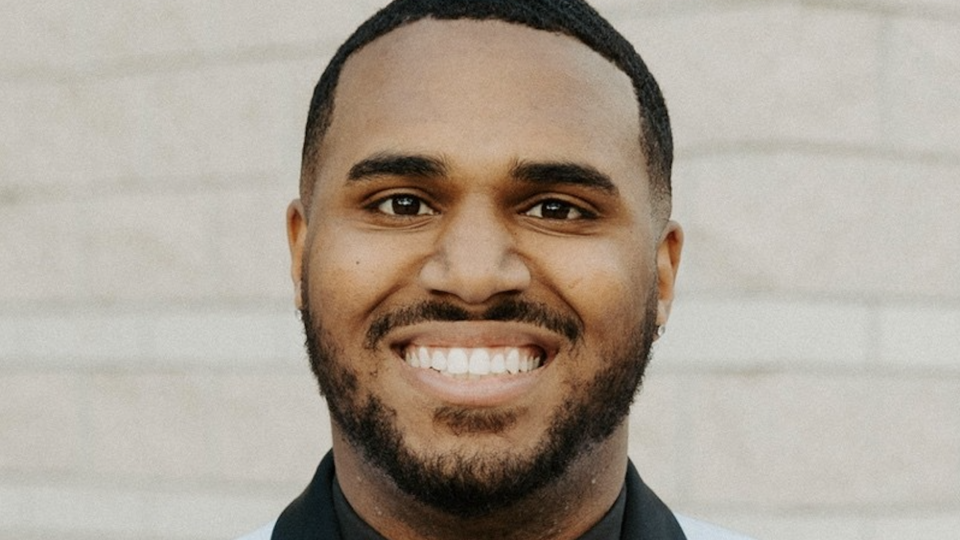
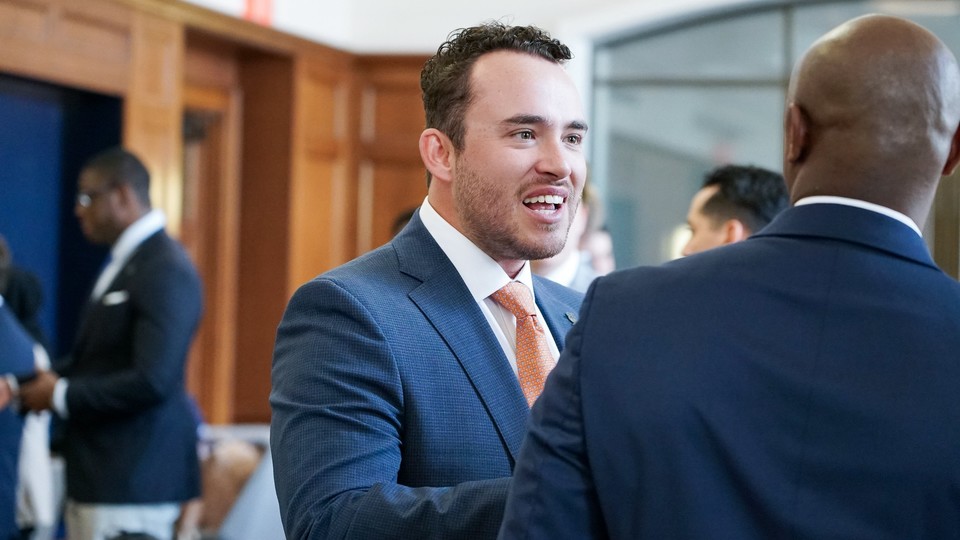
Meet Brandon Nimmers ’27, a Rice Online MBA student who is serving as a venue logistics manager supporting the 2026 FIFA World Cup in Dallas, TX.
E-cigarettes have become a big concern for public health, especially when it comes to young people using these harmful products. A new study co-authored by Rice Business professor Piyush Anand seeks to cut through the barrier to data for the underage category.

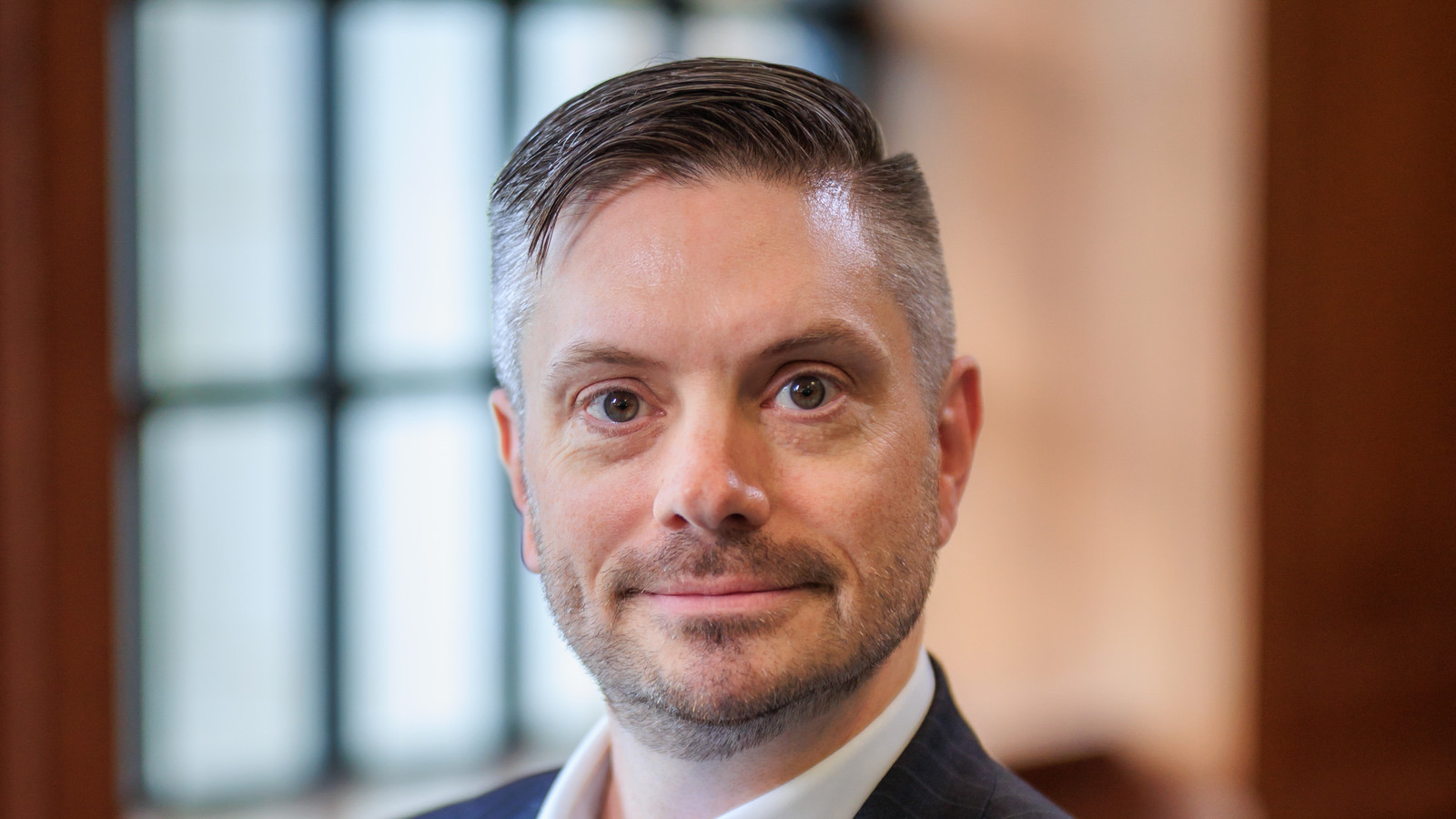
Explore how Shawn's Executive MBA experience redefines his daily interactions with economic frameworks and operational leadership challenges.
Lipscomb University (BA)
Wayne State School of Medicine (MD)
As part of my role, I oversee all aspects of safety, quality and patient outcomes across our inpatient and outpatient facilities. The departments under my oversight include data analytics, reporting on both external and internal metrics, patient safety, process engineering, accreditation, clinical informatics and infection control.
For my medical training, I completed a general surgery residency at Saint Mary's Hospital in Connecticut followed by a cardiothoracic surgery residency at the Yale University School of Medicine—Yale New Haven Hospital.
Earlier in my career, I worked as chief of thoracic surgery at Norwalk Hospital in Connecticut and held an academic appointment as a clinical assistant professor of surgery at the University of Vermont School of Medicine. Before joining Houston Methodist in 2016, I served as chief medical officer and chief quality officer at Houston Methodist Baytown Hospital.
I had a conversation with Dr. Marc Boom, our system CEO, about development opportunities at this stage of my career, and he suggested I take a look at top-notch MBA programs around the country. I felt so fortunate to have Rice, a top program in my own neighborhood, and with the ongoing cooperation between our institutions, it could not be a better fit.
It is tough for me to pick a “most” about being a Rice MBA student. If I had to pick one, it will be the people. A very closely related “most” is the culture of Rice Business. I am grateful to have Rice in the city where I live and work, and the ability to experience the social events and campus offerings is stellar. I try to attend something weekly!
First, the program has fundamentally, permanently changed the way I look at economic data and news, forecasts and Fed meetings. The perspective I’ve gained, even from the first semester, is quite eye-opening and a real testament to the strength of the curriculum. Second, Ginger Vaughn and the executive seminar is fabulous. I’ve used material learned from Professor Zhou and negotiation, the crisis management seminar and Professor Smith and his leadership course on the next business day in my own office. Every course has application, and some are immediately apparent. I could not recommend this program more highly.
Shawn Tittle is an Executive MBA student in the Class of 2025.
Meet Brandon Nimmers ’27, a Rice Online MBA student who is serving as a venue logistics manager supporting the 2026 FIFA World Cup in Dallas, TX.
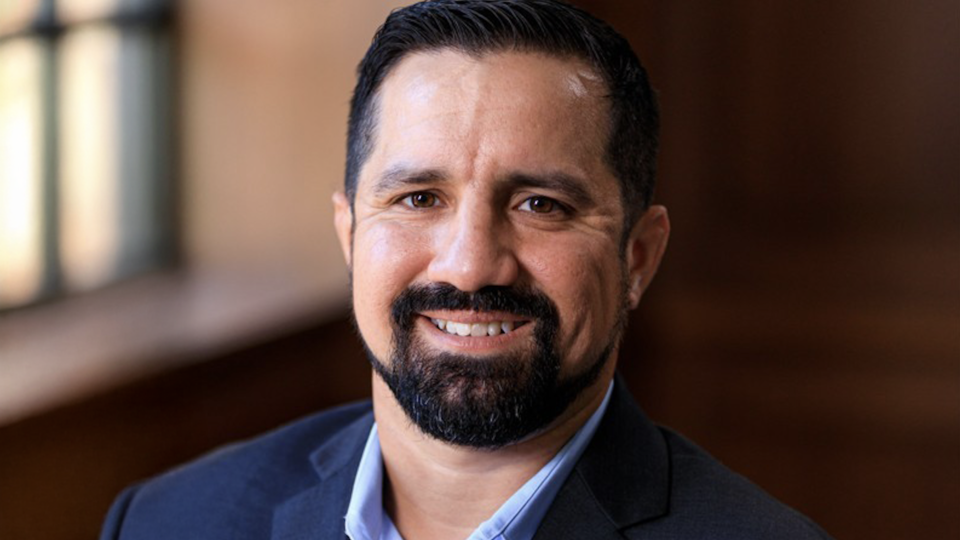
Meet Josh Obregon, a Rice Online MBA alumnus who is now a deputy venue logistics manager supporting the 2026 FIFA World Cup in Dallas, TX.

Meet Chaundra Frank, a Rice Online MBA who is now a deputy venue logistics manager for the 2026 FIFA World Cup in Dallas, TX.
Three critical leadership strategies that helped two prominent symphonies transform during the pandemic.


By Scott Sonenshein, originally published in MIT Sloan Management Review.
How can leaders inspire agility during a crisis? Learn three critical leadership strategies that helped two prominent symphonies transform during the pandemic.
Crises, whether supply chain disruptions, natural disasters, or the arrival of an upstart rival, are a revealing moment for leaders. Such scenarios can push companies to the brink of meltdown or usher in dramatic organizational transformation. Whether an organization withers or thrives during a crisis is shaped by its resourcefulness—how it uses its existing resources.
The pandemic decimated many industries, but the performing arts industry faced especially grave challenges: rampant unemployment, limited prospects for revenue, and an existential crisis over the relevance of the arts in dire times. Initially, musicians could not congregate to practice, performance halls were shuttered, and classical music was the last thing on the public’s mind.
As tough as these circumstances appeared to be, what collaborator Kristen Nault and I learned during a multiyear study of two prominent orchestras surprised us: Not only was it possible to survive trying times, but it was also possible to emerge better because of them. The leadership key? Becoming nimbler by thinking more like jazz ensembles and less like classical orchestras.
Business leaders often call this agility, but for a musician, this is the realm of jazz improvisation. Our research found three critical changes in leadership practices that helped leaders facing disruptions act like talented jazz musicians. Leaders in any industry can apply these practices during their organization’s next crisis.
An organization’s most significant challenge during a crisis is that it typically needs resources — including time, money, expertise, equipment, and connections — at a time when activating resources has become more difficult. When faced with high levels of uncertainty, a leader’s first instinct might be to pare down investments to lower the risk of worst case outcomes. Ironically, such defensive behaviors can contribute to the organization’s demise. Threat rigidity sets in, with the leader doubling down on old habits and control mechanisms that make it difficult to harness the full potential of resources.
Instead of fearing crises, leaders can learn to embrace their hidden benefits. And by following the adage “Necessity is the mother of invention,” organizations can unlock the full power of their existing resources to respond to a challenge. Research on resourcefulness finds that when leaders take this approach, they can foster collective creativity to help groups solve problems in adverse times.
During the COVID-19 pandemic, many businesses discovered ways to access more knowledge (to understand how to repurpose products and services), capital (to invest in IT infrastructure), and connections (to identify new markets for revised products and services). Resourcefulness helped businesses pivot: Bakeries pivoted to selling raw ingredients for home chefs, clothing companies to producing face masks, vacuum manufacturer Dyson to designing a ventilator in 10 days, and distilleries to manufacturing hand sanitizer.
At the onset of the COVID-19 pandemic, we engaged in a multiyear research study with two of the world’s premier symphony organizations, the Houston Symphony and the Revenite Symphony (a pseudonym because the organization requested confidentiality).
When we began our research, it was an open question as to whether Revenite and the Houston Symphony would survive. Both organizations had struggled financially before the pandemic, with millions of dollars in losses and even more significant budget deficits. Both organizations were also steeped in customs and traditions, which, as any business leader knows, makes change difficult. Yet, crises often produce one valuable resource needed to instigate considerable change: urgency. Urgency makes it possible to rapidly implement changes that might otherwise have taken years (or not happened at all). A lack of urgency dooms many change management initiatives, making its abundance during a crisis an opportunity not to be overlooked. As we interviewed and observed symphony executives, staff members, and musicians, we discovered that the leaders of each organization took very different approaches to addressing the crisis and mobilizing their resources to respond.
Revenite announced a suspension of operations near the start of the pandemic. Its leadership could not envision how to pivot its labor and fixed assets, such as its performance hall, to capture new sources of revenue. As one Revenite executive told me, “I don’t think we had a sense of what the pathway toward restarting the business was going to be. … There were too many unknowns.”
After furloughing all of the musicians and most of its staff, Revenite focused on surviving. The organization radically slashed costs to 25% of the pre-pandemic budget and tried to get the remaining skeleton workforce to increase productivity to keep the symphony chugging along. Leaders sought to wait things out until the pandemic subsided. This defensive strategy led Revenite to constrict resources when the organization needed them most.
Afraid to go broke, the organization retreated — at a significant cost. Revenite lost any relevance to its community at this time of great need. Several difficult-to-replace musicians quit the industry. Trust between leadership and all employees, already strained from the furloughs, further deteriorated as Revenite’s leaders centralized control of the organization and focused on squeezing the remaining labor force to do more. Many employees felt burned out from working long hours with little purpose. No one, including executives, understood the “why” behind the work. As one executive said to me, “I’m working to sustain a thing that has no inherent meaning other than its survival. That’s a really weird place to be. … Our mission is to perform orchestral music.”
In contrast, the Houston Symphony made an early commitment during the pandemic to remain open. It abandoned the long-term planning that symphonies typically engage in (measured in years) and shifted to figuring out the next few weeks — for its concert program, staffing, safety practices, and marketing efforts.
At first, congregating in the performance hall was not allowed due to regulations and safety concerns. So instead, the Houston Symphony turned its musicians’ homes into performance venues. The musicians teamed up with musically talented (but not professional) family members, including partners and children. Instead of relying on a huge production team, the makeshift videos in its Living Room Series of performances were created by a minimal number of staff members. Other orchestras that livestreamed performances tried to re-create the symphony experience on Zoom, with 70-plus musicians appearing in tiny square boxes. The Houston Symphony realized that it would inevitably disappoint its customers by trying to transform a rich in-person experience into a mediocre online one. Instead, it reimagined the delivery of its content by inviting customers to learn about musicians and their families in an intimate setting while listening to enjoyable music.
When the Houston Symphony moved to livestreaming full concerts without an in-person audience, it could reach new geographic markets not possible with in-person-only events. It charged an admission fee for the virtual concerts (which was uncommon) and attracted donations from a wider variety of patrons. This brought in additional resources, such as revenue, new supporters, and media attention, as well as an enhanced reputation among industry peers.
Importantly, these decisions also created extra time for the organization to figure out how to safely and effectively return its patrons to the performance hall, which Houston did long before most other symphonies. However, the organization went further, using the pandemic to usher in a more profound transformation.
Instead of making deep cost cuts and unsustainable workforce reductions like Revenite did in the name of resourcefulness, the Houston Symphony took a strategic approach to resourcefulness. Leaders focused not on simply surviving but on strengthening the organization’s long-term outlook — financially, operationally, and in terms of its mission:
Many organizations, whether a symphony, manufacturing company, or professional services firm, are metaphorically structured like an orchestra. They have conductors (leaders) and rely on sheet music (routines and practices) to coordinate different parts (teams, divisions, or functional areas) of the enterprise. Organizational leaders aim for reliable and standardized performances, much like conductors aim to make the matinee performance of a symphony the same high quality as the evening one. Through many rehearsals (that is, the repetition of behaviors), it is possible to make incremental improvements, but leaders seek output that, by design, is predictable and relatively static. Operating like a symphony orchestra allows organizations to thrive in environments of stability and low uncertainty. But during a crisis, this type of model can be disastrous.
Our research found that the Houston Symphony significantly changed its operating model. It pulled ahead of peers in the industry when leaders changed the operating metaphor to that of a jazz ensemble. As one executive told me, the collective team saw the power of flexibility: “Leadership has come from the admin and staff side and the musician side. … We’ve combined different kinds of music and programs that [we] would never do before. I would say that as a large organization, we’re operating more like a small organization.”
That is the kind of result that many business leaders navigating disruptive crises only hope to nurture within their teams.
How did the Houston Symphony’s leaders inspire the organization to become so nimble? Our research found three critical changes in leadership practices that enabled them to adapt.
Like a jazz ensemble, the Houston Symphony tried to keep the music playing, literally and figuratively. While Revenite stopped playing music and functioning as an organization, the Houston Symphony kept playing … anything. For example, the livestreamed Living Room Series was a far different product than a fully staffed professional production with 70 musicians in a 3,000-seat venue. However, those performances brought in new patrons and donors, and nurtured the symphony’s relevance in the community. This experiment also helped build the organization’s experience with livestreaming, which proved to be an important launching point for a more comprehensive virtual offering. Leaders, staff members, and musicians discovered their hidden capabilities around playing different types of music, utilizing novel technologies, and coordinating in new ways.
Without clarity on how the pandemic would unfold, the Houston Symphony focused on short-term decisions, asking “What can we play this week?” instead of trying to have an answer for the rest of the year. This allowed the symphony to have the most relevant information to inform its operations — real-time information that could be used to make decisions today, instead of relying on shaky assumptions about an unknown future. Leaders of any type of organization can understand a crisis by experimenting and then taking stock of lessons learned instead of remaining frozen by fear and uncertainty.
Houston’s leaders fostered strong trust between management and all employees. As resources become scarce during a crisis, it’s easy for trust to erode if decisions lack transparency. Instead of shrouding decision-making in secrecy, the Houston Symphony invited representatives from the front-line staff to weigh in on critical decisions. Relationships with the musicians’ union strengthened. By revealing sensitive information and disclosing the dire predicament the organization faced early on, leaders built trust and sparked a sense of urgency. Both were required in order for the team to quickly make significant changes.
Trust also came from empowering employees to experiment and not punishing them for making mistakes. For example, the marketing team had to try different campaign messages until they found one that resonated with patrons. The development team turned the mere fact that the symphony was playing into a comeback story—one that donors eagerly supported. The operations team discovered ways to socially distance musicians and audiences and continually modified its plans as the pandemic evolved.
Finally, the Houston Symphony constructed a new postcrisis identity that reflected its leadership role in the community. Instead of trying to return to pre-pandemic norms, leaders expanded the organization’s mission to cater to a wider, more diverse set of community members. The organization committed to experimenting with new types of music and continued with livestreaming to introduce audiences worldwide to a larger repertoire of selections. Expanded educational programs helped it reach underserved communities, providing a stronger foundation to diversify the artistic talent base.
Having helped shape the Houston Symphony’s comeback during the pandemic, employees embraced this community centered vision and rallied to keep the transformation momentum going. Additionally, they all came to see their own skill sets differently. After effectively coping with major adversity and helping to build a stronger organization, employees came to see themselves as capable crisis navigators — which will help everyone during future crises.
As our research progressed into its second year, we grew increasingly certain that Revenite would fold. We turned out to be wrong. As the organization neared the brink of death, Revenite’s leaders stopped waiting for the crisis to abate and ushered in a dramatic turnaround. It began when leaders engaged in updating. Updating is a leadership competency in which prior beliefs are revised to better address problems. It’s often a struggle for leaders to change direction after committing to a course of action, but Revenite’s leaders managed to dislodge their previous views of the crisis as the organization withered. They managed to adapt, as any jazz musician must.
Although the relationship with Revenite’s musicians had been deeply tarnished, leaders restarted a dialogue. The full impact of the furlough and Revenite’s decision to suspend operations became clear. Leaders updated their assessments of employees’ emotional states, gaining a more vivid understanding of how they had suffered economically and emotionally. Musicians explained that they had felt disconnected from their love of performance and struggled to stay sharp without practicing as an entire orchestra. After learning about employees’ hardships, leaders finally felt an urgent need to course-correct.
Revenite’s leaders next updated their assumptions about financial resources. They finally acknowledged that cost cutting was not a viable business strategy or a pathway to transformation. Instead of viewing employees as cost centers, leaders shifted to seeing them as revenue generators. By becoming more strategic with their resourcefulness, Revenite’s leaders could mobilize their existing resources to respond to the crisis more effectively. Musicians returned from furlough and started helping to increase revenues through donor outreach and, eventually, concerts.
Leaders also started noticing more about how other entities were adjusting to the crisis. They found inspiration in the Houston Symphony’s ability to operate during the pandemic — and also learned from Revenite’s musicians’ efforts to create COVID-safe concerts to raise money for themselves during the furlough. These examples showed Revenite’s leaders that operating during a pandemic was possible — something they had thought was insurmountable earlier in the year. By the end of year two of the pandemic, Revenite was well on its way to returning to its precrisis strength.
When a crisis hits, getting jazzy will help leaders in any industry adapt and positively transform their organizations. Instead of fearfully retreating at the onset of a crisis, using resourcefulness as a set of strategic tools can help leaders turn a threat into an opportunity. By unlocking the hidden potential of existing resources, organizations can emerge from a crisis with better financials, stronger operations, higher team morale, and a reinvigorated sense of purpose.
Scott Sonenshein is the Henry Gardiner Symonds Professor of Management at Rice University, author of Stretch: Unlock the Power of Less — and Achieve More Than You Ever Imagined (HarperCollins, 2017), and coauthor (with Marie Kondo) of Joy at Work: Organizing Your Professional Life (Little, Brown Spark, 2020).



Rice University will host its Diversity Matters series on various dates starting March 21 and running through April 17. The series, which will feature multiple panel speakers in each session, fits into Rice’s overarching commitment to diversity, equity and inclusion (DEI).
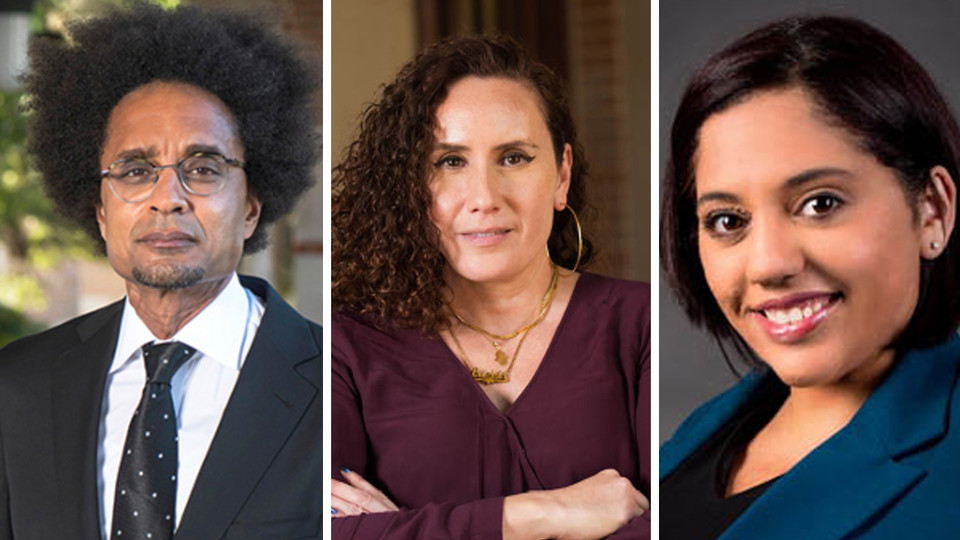
Rice University will host its Diversity Matters series on various dates starting March 21 and running through April 17. The series, which will feature multiple panel speakers in each session, fits into Rice’s overarching commitment to diversity, equity and inclusion (DEI).
“We are very excited about the Diversity Matters series of conversations and workshops that members of the DEI office have helped to organize, and we are grateful for the participation of students, staff and faculty across campus whose contributions have made the events possible,” said Alexander Byrd, vice provost of DEI. “We wanted to focus over the next few weeks on some fundamental ideas and practices related to living and working in vibrant, diverse communities like ours here at Rice but also throughout Houston.”
Rice’s dedication to DEI is evident throughout campus life and across the curriculum. Undergraduates participate in the Diversity Talk during O-Week and subsequently take the Critical Dialogues on Diversity workshops. The Analyzing Diversity general education requirement features coursework focused on how difference is understood across human societies, on how those understandings have changed over time and on the consequences of those understandings for human development.
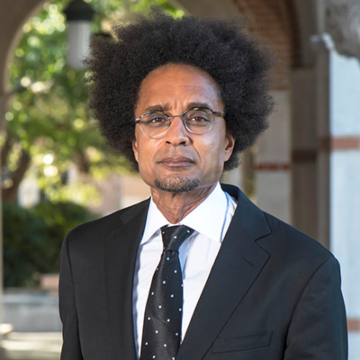
Now Diversity Matters offers further opportunities to build on this work.
The practices and ideas on which Diversity Matters organizers decided to concentrate are essential aspects of university life: the fundamental but not uncomplicated notion of free expression; the importance of intellectual humility; and the necessity of a commitment to actual conversation, particularly a dedication to having robust and difficult conversations when needed.
Free Expression and DEI, 5:30 – 7 p.m., Thursday, March 21, Rice University Welcome Center in Sewall Hall
Free expression is fundamental to DEI. Still, examples abound where the two notions are in tension. Byrd will moderate a conversation on how university leaders — students, staff and faculty — navigate this terrain. In this discussion, participants will draw on the formative experiences, stories and texts to which they resort when their values related to free expression appear in conflict with their regard for the importance of inclusion and equity in the building of a just and caring community.
Panelists for March 21 include:
Intellectual Humility and DEI, 5:30 – 7 p.m., Thursday, March 28, Multicultural Center
Luziris Pineda Turi, associate vice provost for DEI, will lead the discussion, “Intellectual Humility and DEI.”
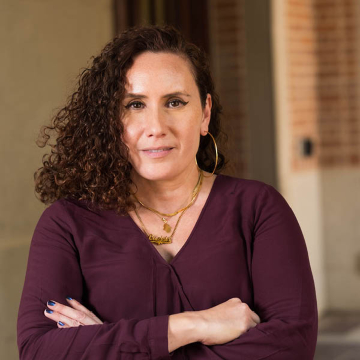
“The journey of learning about diversity, equity and inclusion is multi-faceted, multi-layered and lifelong,” said Pineda Turi. “We must not forget that our academic pursuits are successful not only due to our intellectual prowess but also because of our ability to listen to others and understand the limits of our own knowing.”
This panel will explore how diversity, equity and inclusion calls humankind to consider the limitations of our knowledge. It also asks us to be open to unlearning when confronted with ideas that spur us to reactionary stands. Lastly, it reminds us that we all have room to learn, and this matters if a university seeks to be inclusive as much as it is excellent. Faculty and undergraduate and graduate students will share perspectives on maintaining intellectual humility at the forefront of their work.
Panelists for March 28 include:
Difficult Conversations & DEI, 4:30 – 6 p.m., Wednesday, April 17, 110 Kraft Hall for Social Science

Shannon LaBove, lecturer and associate director of forensics, will moderate the panel. In the talk, the group will examine why difficult conversations are necessary, the pitfalls and challenges with avoiding such conversations and ways to begin a difficult conversation, specifically related to diversity and inclusion. The aim is to provide tools to make these conversations meaningful and productive.
Panelists for April 17 include:
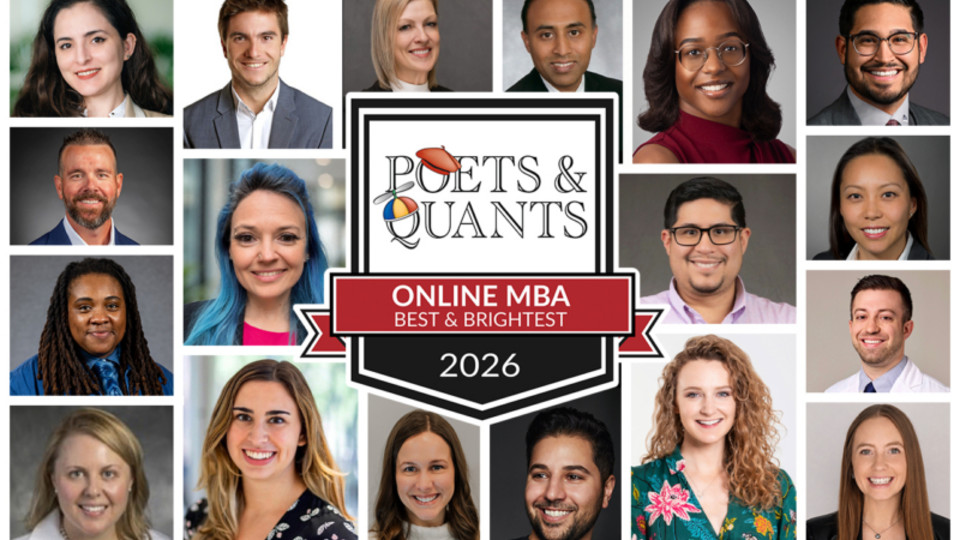
Congratulations to Marissa Minter and Alan Vu, recognized by Poets & Quants among the 2026 Best and Brightest Online MBAs.

A Houston venture capital analysis co-authored by Rice Business Executive MBA candidate Stephanie Schmidt highlights the city's growing innovation ecosystem, arguing that stronger startup formation is key to building on recent successes like Fervo Energy's IPO.
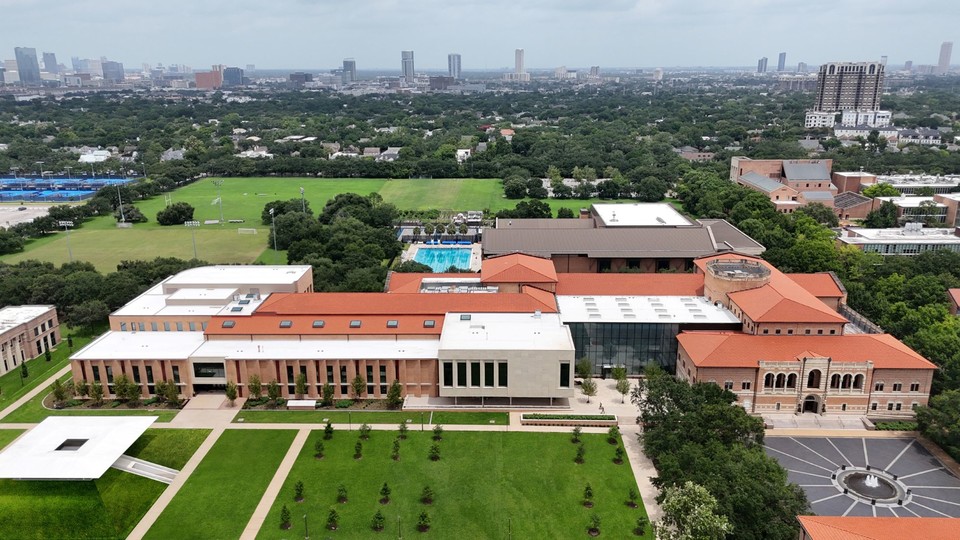
Rice University names its new $54.5 million business building after donors Asha and Farid Virani, the undergraduate business school's namesakes.
Rice Business’ podcast, Owl Have You Know, is hosting a special live recording event March 25 with New York Times best-selling author Scott Sonenshein and CEO of the Houston Symphony John Mangum.


Live podcast recording event showcases expert research into the art program’s success during the pandemic
Rice Business’ podcast, Owl Have You Know, is hosting a special live recording event March 25 with New York Times best-selling author Scott Sonenshein and CEO of the Houston Symphony John Mangum.

Soneshein, the Henry Gardiner Symonds Professor of Management in Organizational Behavior at Rice Business, published research on how the Houston Symphony was able to adapt to the COVID-19 pandemic and get “jazzy” with their content. The podcast interview will cover the research and discuss how organizations can innovate their way out of a crisis and feature a performance by the symphony’s quartet.
Media who would like to attend should RSVP with Avery Franklin, media relations specialist at Rice, at AveryRF@rice.edu or 713-348-6327.
What: How the Houston Symphony Adapted During a Crisis.
Who: Mangum, Sonenshein with Maya Pomroy ’22, founder of The Public Lead, as moderator.
When: Monday, March 25, 6 – 7:30 p.m. CST. Registration is required. Guests should plan to arrive by 5:45 p.m., and refreshments will be served after the discussion.
Where: Tudor Patrons’ Lounge in the Shepherd School of Music’s Brockman Hall for Opera. Parking can be found here.
Owl Have You Know is Rice Business’ podcast created to share the experiences of alumni, faculty, students and other members of our business community — real stories of belonging, failing, rebounding and ultimately succeeding. The conversations dive deep into how each guest has built success through troubles and triumphs before, during and after they set foot in Rice’s McNair Hall.
Congratulations to Marissa Minter and Alan Vu, recognized by Poets & Quants among the 2026 Best and Brightest Online MBAs.
A Houston venture capital analysis co-authored by Rice Business Executive MBA candidate Stephanie Schmidt highlights the city's growing innovation ecosystem, arguing that stronger startup formation is key to building on recent successes like Fervo Energy's IPO.
Rice University names its new $54.5 million business building after donors Asha and Farid Virani, the undergraduate business school's namesakes.
Marketing professor Utpal Dholakia weighs in on the measures taken by the White House to reduce credit card fees and their potential response.

Army veteran Ken Jackson went from piloting Black Hawks to private wealth management at Goldman Sachs–the bridge being the Rice Business MBA program. In this edition of Real Humans: Alumni, see how Jackson’s MBA put him in the entrepreneurial mindset, his secret weapon that has allowed him to thrive confidently in the wealth management landscape.

Rice MBA students used their GFE to boost an education nonprofit in Lima.
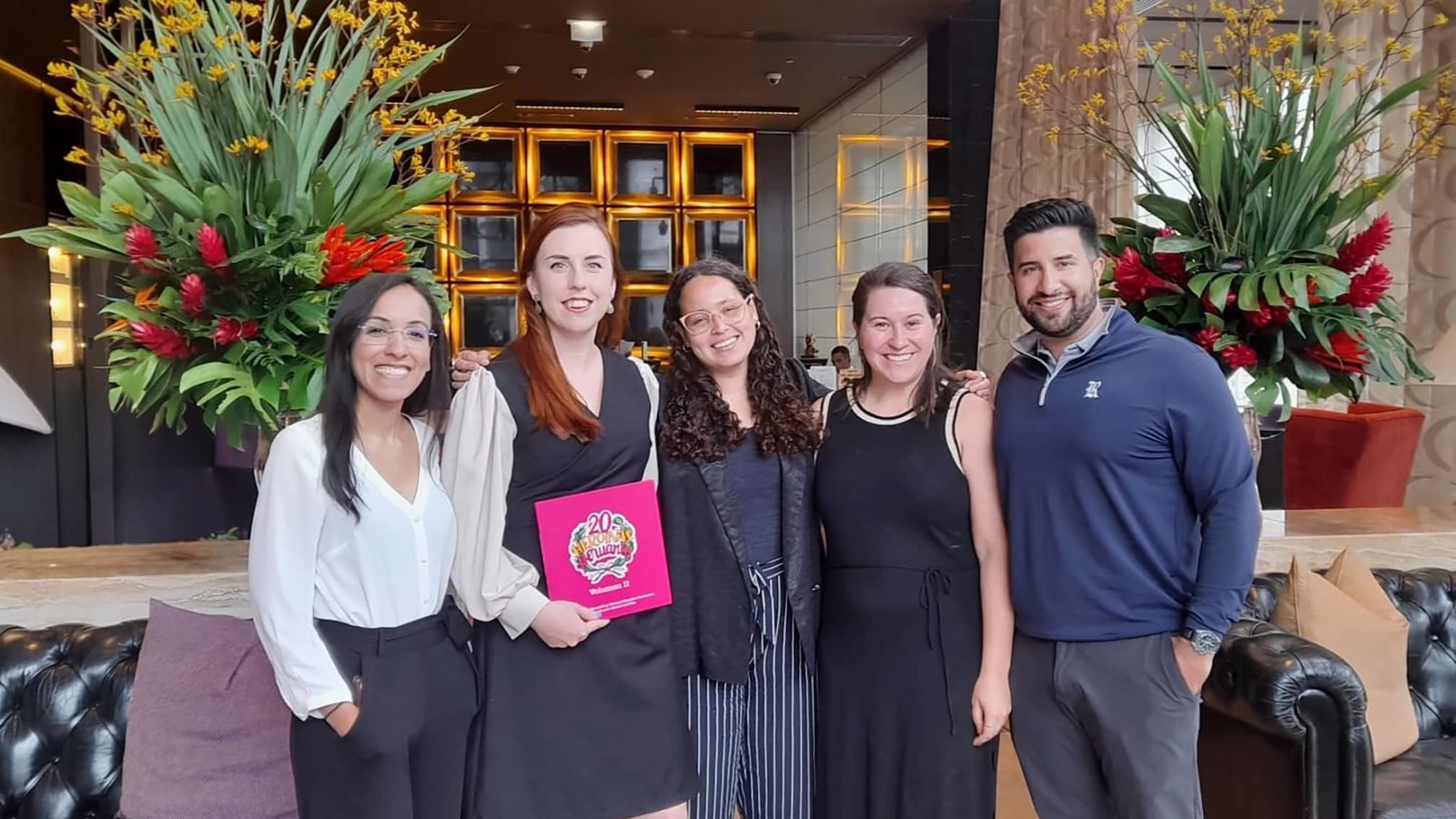
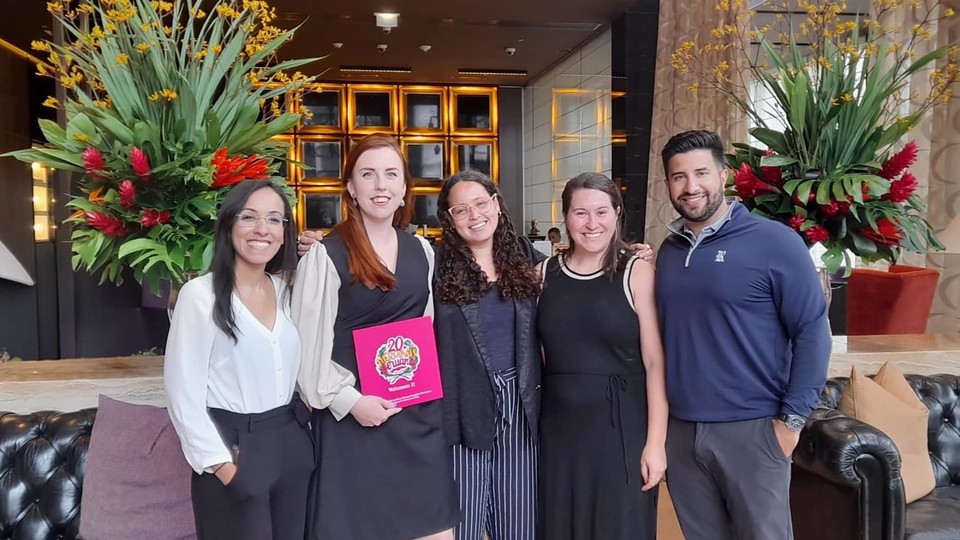
To mark this year’s International Women’s Day (March 8), we want to highlight a 2023 Global Field Experience (GFE) project that supported a gender equality non-profit in Peru. Five Rice MBA students partnered with Heroínas Peruanas, a Lima-based organization that promotes gender equality education by creating and selling books about inspirational Peruvian women. Aiming to expand their services into gender equality consulting for the U.S. Latino/a/x market, Heroínas Peruanas enlisted the Rice MBA team to assess their growth potential and strategy.
Developing an expansion plan for Heroínas Peruanas raised certain challenges. The organization has a small team working on multiple projects part-time, so they needed to carefully allocate time and finances. Resources had to be meticulously accounted for and prioritized across operational needs, promotional efforts and the publishing pipeline. Also, the part-time nature of the team meant there were logistical hurdles to coordinating availability for strategic planning sessions. Heroínas Peruanas needed to balance its time and budget across existing commitments before undertaking new growth opportunities.
Upon starting their consulting project, the MBA team also recognized the difficulties of culturally adapting to the U.S. market and competing against larger editorial firms. While the core message of celebrating influential women resonates across cultures, the finer points of storytelling, representation, and marketing require thoughtful localization efforts. The students understood early on that succeeding in the U.S. market hinged on Heroínas Peruanas’s ability to customize its services.
To help Heroínas Peruanas overcome these hurdles, the MBA team advised them to build new partnerships, leverage existing networks, and differentiate their consultancy to the unique needs of potential clients. All these efforts led the organization to identify opportunities to expand their brand and impact. They conducted a market feasibility analysis, identified key stakeholders and partners in the region, and crafted a marketing strategy to launch Heroínas Peruanas’ new consulting services.
“The Global Field Experience was a transformative learning opportunity,” shared Karen Verboski ’24. “We gained crucial consulting experience and developed a deeper understanding of the nuances involved in navigating different cultural contexts and market dynamics.”
The team was led by Yan Anthea Zhang, Fayez Sarofim Vanguard Professor of Management. Throughout the GFE, faculty members provide students with strategic frameworks — but they do not offer specific solutions to the problems they face. “The faculty guidance and support were vital,” noted Nikki Beittenmiller ’24. “We were able to apply our classroom learnings in a real-world setting while receiving mentorship from one of the best instructors at Rice.”
Implementing the project’s recommendations benefited Heroínas Peruanas by diversifying revenue streams and strengthening organizational capacity. Crucially, it positioned the non-profit for long-term growth in promoting gender equality in education, ensuring a lasting positive impact on the lives of women and young girls in Peru and beyond. “The GFE exemplifies the type of immersive, experiential learning that sets the Rice MBA program apart,” shared Balaji Koka, Associate Professor of Strategic Management and academic director of global programming. “Our students not only develop vital consulting and leadership skills but also cultivate a global mindset that prepares them to drive meaningful change in diverse business environments.”
On this International Women’s Day, as we celebrate the progress made toward gender equality and reflect on the work that remains, we recognize the role of organizations like Heroínas Peruanas to empower women and girls globally. By supporting an organization that breaks down barriers and fosters inclusive societies, the Rice Business GFE program played a small part in helping people around the world reach their full potential.
The GFE is a cornerstone of the Rice Business MBA. It gives students a chance to apply their classroom knowledge to real-world challenges in a global setting. Over the course of a semester, small student teams are matched with clients to develop strategic solutions to complex issues. The GFE culminates in a one-week trip abroad, where students present their final project recommendations to the client in person.
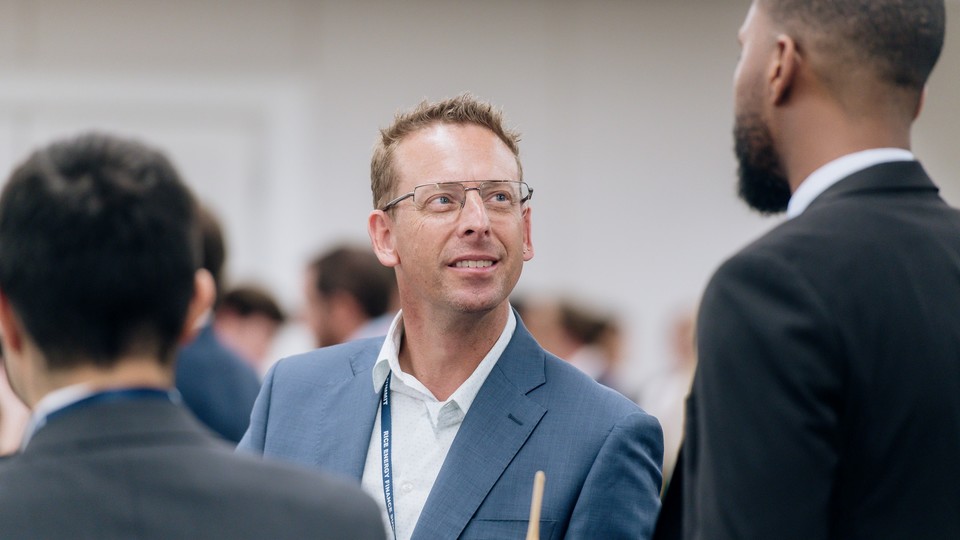
Learn how to compare the best MBA programs for finance. Explore key factors like curriculum, recruiting and the strategic advantage of hubs like Houston.
Wondering how to pivot into consulting without a business background? Discover how the top-ranked Rice MBA curriculum, Career Development Office, and hands-on learning opportunities will empower you to make a successful career transition.

Rice MBAs receive unmatched entrepreneurial support, beginning with a curriculum that teaches collaboration and innovation and amplified by a community dedicated to giving back. Considering launching? Here are a few tips Rice Business entrepreneurs have shared on our podcast, Owl Have You Know.
Meet Erika, the creator of The Pancake Princess, a popular baking blog that compares recipes side-by-side to help readers and aspiring bakers find ones that are just right for their tastes and skill levels. She shares her journey from English major to baker, her favorite bakes, and how Rice Business was a key ingredient for her career in entrepreneurship.

Rice Business is known for producing top industry leaders and 2016 full-time MBA graduate, Erika Kwee is no exception. She's the creator, photographer and writer behind The Pancake Princess, where her colorful, mouthwatering “bake-off” blog compares popular baking recipes side-by-side to help readers and aspiring bakers find recipes that are just right for their tastes and skill levels.
Erika spent years building her blog at night while working a tech job by day. As a self-taught baker, Erika has staged under Michelin Pastry Chef of the Year winner, Kelly Nam, at the Michelin-starred Joomak Banjum. In 2019, the blog won Reader's Choice for Best Baking and Sweets from Saveur Magazine and in 2021, Erika was selected as one of Southern Living's Cooks of the Year.
She sits down with host Maya Pomroy ’22, and shares her journey from English major to baker, her favorite bakes, and how Rice Business was a key ingredient for her career in entrepreneurship.
Subscribe to Owl Have You Know on Apple Podcasts, Spotify, Youtube or wherever you find your favorite podcasts.
[00:00:00] Intro: Welcome to Owl Have You Know, a podcast from Rice Business. This episode is part of our Pivot series, where guests share stories of transformation in their lives and careers.
[00:00:10] Maya: We know Rice Business is known for producing top industry leaders, and 2016 full-time MBA graduate, Erika Kwee, is no exception. The founder of the food blog, The Pancake Princess, and social media influencer, Erika shares her journey from starting out as an undergraduate English major at Rice to her hunger for wanting something more. We talk about how Rice Business was the key ingredient for her career in entrepreneurship and the taste of sweet success. Erika, thank you so much for being on Owl Have You Know.
[00:00:43] Erika: Thanks so much for having me.
[00:00:45] Maya: So, I have really been looking forward to this interview with you because, literally, you are what I want to be in my next life even though I can't cook, I can't bake, I can't operate a stovetop or an oven, but you can do all of these things because you are literally The Pancake Princess. So, you've started this blog called The Pancake Princess, which is very, very popular.
You've got, like, 128,000 Instagram followers. You also are a Rice Twice graduate. So, you were a Rice undergraduate in English, and then you came back and got your Full-Time MBA in 2016. So, tell me about your super exciting life and what got you interested in baking. And then we'll move on to your other job and Rice.
[00:01:40] Erika: That's so kind of you to say. I feel like I'm not doing that much. Like, there's plenty of people doing really exciting things. But I got interested in baking, I think it was my sophomore year of college when they, kind of, kick you off campus for at least a year. And I realized I really didn't know how to cook or bake even though somehow, I thought I'd, like, picked it up by osmosis from my mom and parents, but I really had not.
So, that's when I first started, kind of, like, experimenting. And then I think it really took off after I graduated from Rice undergrad. And I just found myself with so much free time. And a lot of my friends had moved away so I really just spent a lot of time tinkering in the kitchen.
[00:02:16] Maya: So, tinkering. So, that's actually what, like, engineers and doctors and other professions do as well. So, what was it that you first started tinkering with? Clearly, you needed to eat, right?
[00:02:29] Erika: Yeah, I guess it was just, like, meal prepping. You know, I was going into the office five days a week, which sounds so foreign now, but, like, bringing lunch and, like, not being bored with that every day and, kind of, experimenting with, like, vegan and gluten-free recipes. I was reading a lot of food blogs, and that's what inspired me to start my own just because I loved, like, reading Smitten Kitchen, and Joy the Baker, and all the OG blogs so much.
[00:02:52] Maya: What made you decide to start your blog? Just by loving everyone else's blogs and you're like, "Hey, I could do that."?
[00:02:59] Erika: Yeah, yeah, I think it was a lot of that. I remember, technically, the blog started my senior year of college with another classmate. And the original name was going to be The Pancake Princess and the Protein Prince. Just clearly, we loved alliteration. And then that didn't last for very long, so I took my half of the name and just, kind of, continued with it. Yeah, and just really was, like, emulating a lot of the blogs that I really loved and admired.
So, that was 2012. It took until 2017 before I started the current, kind of, premise of the blog, which is “bake off.” So, comparing, like, nine different recipes of the same item in the same day. Actually, that was from another Rice classmate of mine, who, kind of, inspired the idea. And we did one bake off together. And then he went back to New York. I was based in Houston at the time. And I just loved it so much that I kept doing it. And so, that's, kind of, what the blog has now evolved into.
[00:03:50] Maya: So, bake off. So, how do you, how do you do that? Walk me through it.
[00:03:54] Erika: Yeah. So, a bake off is when I'll choose one kind of baked good. And then I'll scour the internet and try to collect as many recipes as I can find, and put them all into a spreadsheet, and just, kind of, compare and see like, are there themes of people are tweaking recipes with, like, heavy cream versus milk or, like, instant yeast versus dry active.
And just, kind of, like, look at all the different factors, try to pick nine distinct recipes that have unique techniques or ingredients, and make them all in one day. And then I have usually around, like, 30 to 40 tasters come. And they taste them all. And then they rank them all. And I use that data to say, "Okay, here is, like, the crowd favorite dinner roll."
[00:04:35] Maya: My children and I, we watch all of the Food Network competition shows, like, religiously, even Nailed It. Nailed It is a real big fan favorite where I'm like, I would, I would totally win on Nailed It because I'm really that bad at making anything. And my sweet family is like, "Oh, no, that looks so pretty." And I'm like, "Yeah." And I'm like, "So, how does it taste?" And they're like, "So delicious." And they're so lying. But my other question is, so The Pancake Princess, so why The Pancake Princess?
[00:05:11] Erika: Originally, when the blog was going to be The Pancake Princess and the Protein Prince, the concept of the blog was that I would do, like, vegetarian recipes. My friend would do more, like, protein-focused recipes. And then we would both write about dessert. And we both loved pancakes. So, I think pancake really just, kind of, represents my love for dessert and, like, anything carby really.
[00:05:33] Maya: So, you're actually from California. And you moved to Houston to go to Rice. So, tell me about growing up in California. You said that your mom was, sort of, your inspiration for baking.
[00:05:44] Erika: Yeah. So, I grew up in San Mateo, which is northern California. And I didn't realize this until I was older, but we were so fortunate that my mom cooked pretty much every night. Like, yes, there were, like, pizza nights, but, like, the grand majority of the time, like, my mom was fully working and, like, taking care of the kids, but she would always cook a hot meal. And we would, like, always sit down for dinner together.
My dad would also cook. Let me not make it sound like she did all of the cooking, but I think she did most of it. My mom, growing up, I think had, like, maybe, I want to say, like, five or six recipes that she would, like, bake regularly. It was, like, banana bread. She had a wine cake recipe. Like, these Neiman Marcus chocolate chip cookies.
And every time she would bake, I just remembered, like, loving it and just, like, wanting to like, make more cookies or, like, whatever. And I didn't even realize that there were so many other options outside of the few recipes that she would make routinely growing up. And so, I think, like, the signs were there when I was younger that I had this penchant for baking and food, but it wasn't until later in life that it, kind of, blossomed.
[00:06:47] Maya: Did she invite you to bake with her when you were younger? Is that something that you did as a participatory, kind of, mother-daughter thing?
[00:06:55] Erika: Yeah, I definitely remember making cookies with her. And I have some siblings, and we're all honestly obsessed with food and cooking. And my parents are, kind of, like, "Where did this come from?" Because it's not like my mom was cooking because she, like, loved it, like, now that she doesn't have to. She's, like, "Great. Like, if you guys will just cook for me, like, when we're home, like, that's great." But yeah, I think she would definitely involve us when there was opportunity. And we all loved it.
[00:07:17] Maya: You came to Rice to study English. And then what were your plans after studying English? Were you planning on pursuing another degree, or was an MBA something that was always, sort of, on the horizon that you wanted to do? Or walk me through that journey.
[00:07:32] Erika: Yeah. So, I had always wanted to be a novelist growing up. And then over time, that, kind of, evolved into wanting to be a journalist. And then as I neared the end of college, my parents were like, "Well, what about you find a job that can actually support you because... you know. Just, like, try a different route."
And so, ultimately, I went into corporate communications, but as an English major, I think everyone, kind of, pigeonholes you and they assume that you're maybe going to go get, like, a master's in English and, like, go into academia or teach or go to law school. And none of those really appealed to me. My mom is actually a lawyer. And I just never felt the call to go down that route.
But my parents, kind of, had the expectation that I would go get a master's degree in something. And so, kind of, by process of elimination, I ended on an MBA. And so, after doing corporate communications for a couple of years, I decided that probably wasn't going to be my life path. So, I decided to go back to get an MBA.
And honestly, I know a lot of people go back to get an MBA with a pretty good idea of where they're going to end up after. And I did not have that. I, kind of, went in hoping that, like, I would find a path that sounded good to me. And so, I think that some people like to get a little more experience under their belt before they go back to get an MBA.
And I wish I had a couple more years, but I also think that it really opened up my eyes to how many different paths there are for someone who is in the humanities. Ultimately, I explored, like, brand management, a lot of different marketing roles, but ended up at HP in product management, which was something that I hadn't known existed before, and really feel lucky that I fell into that path.
[00:09:07] Maya: You could have chosen any other MBA program, really, in the country. So, why did you choose Rice? Was it because of that familiarity that you already had?
[00:09:16] Erika: To be honest, I thought I was going to do the part-time program and continue working as I got my degree. And then after talking to all of the advisors and people that I met through the different events, everyone was, kind of, like, "You're really a better fit for the full-time program because you want to change your career."
And so, that's, kind of, what swayed me. I still was, kind of, like, on the fence whether I wanted to go in the first place, so I was like, might as well just apply locally. I already know I love Rice, loved my undergrad experience, had such a great experience with the academia and the professors and the students. And so, I knew that if I applied, I would love it if I got in. And if I didn't, I could just try again another year somewhere else.
[00:09:57] Maya: Yeah. So, how did this MBA experience really influence your approach to your blog from a business perspective?
[00:10:04] Erika: Yeah, that's a great question. I think that as I've gone full time with the blog, a lot of my fears around going full time as a food blogger were around, like, what if monetizing my passion just, kind of, like, sucks it away from me? Like, it's not joyful and I'm just bored and alone in my house, just, like, baking all day, because I really do love the social aspect and, like, the community aspect of, like, being on a team in a corporate setting.
And I think that the MBA, obviously, this is true of any MBA program, is all about the networking. And so, that has really carried over into the food blogging space as well because New York is obviously a hub for tons of, like, food bloggers, restaurant bloggers, content creators, people in all types of food.
And I think that being able to, like, build a network here has really helped for my own mental health as well as building these connections for this very diverse career that I now have of all these different income streams that are coming in. And everyone is always giving me, like, new ideas on what to try. So, I think that's one.
The marketing courses that I took in the MBA really also helped when I think about how I'm trying to deliver value to my blog readers and the people who are consuming my content because it's really thinking about, like, who am I trying to serve and what are their needs and how can I best serve them? So, I think a lot of that, the marketing frameworks that I learned in the MBA, has helped.
And then lastly, I think that there is a lot of negotiating that you have to do as a, I guess, just, like, an entrepreneur and, like, negotiating all the sponsorship deals that are coming in. If you don't have an agent, you're doing a lot of that yourself. And I think that a lot of the negotiation tactics that I learned in the MBA will, like, kind of, circle back. And it's not that I'm, like, actively thinking about, like, "Okay, I'm going to use this framework," but I think a lot of that just, kind of, has helped as I navigate this new territory.
[00:12:01] Maya: You studied under Michelin star restaurateurs and folks that really are at the top of their craft. There is a Michelin pastry chef that you studied under. Can you tell me about her?
[00:12:13] Erika: Yeah. So, when I got laid off from Yotpo, I had a lot of time to think about where I wanted to go next and what I wanted to do. And I was just out to dinner with a friend. And he was, kind of, like, "I know that this particular restaurant, their name is Joomak Banjum, they're always looking for people. And their pastry chef just won the Michelin pastry chef award of the year."
And he was like, "Why don't you ask if you can stage with them?" And stage is, kind of, like, an internship in the kitchen. Usually, it's unpaid, but it's, kind of, like, in exchange for the knowledge that you're gaining working in the kitchen. Like, you know, they're giving you this incredible experience.
And so, usually, chefs might do it as they're, like, trying out for a new role in another kitchen. And so, I was like, "I have no professional cooking experience. There's no reason why they would say yes to me." And he was like, "Just ask." And so, I did ask, and they said yes. And so, I did...
[00:13:04] Maya: I like this friend. I like this friend a lot. This is a good friend. This is, like, the best friend ever.
[00:13:10] Erika: I was so scared. I was sweating. I did not want to do it. And he really pushed me. And I was, I was like, I guess when you're uncomfortable, like, that's when the most growth happens. But they did say yes. And so, I staged with them for a few months. So, I would go on at noon. And she would just have, like, a whiteboard with, like, five tasks written out.
And they might be, like, making a mousse, making a bagel foam, like, piping something, cutting up fruit, basically helping prep for whatever dishes they were preparing. And then sometimes, they would take me up for service. So, I would go from, like, the downstairs, like, basement prep area, up to the restaurant where they would be, like, plating the caviar, plating the desserts, and, like, bringing them right out to the customers, which was so crazy to me because once again, I had no restaurant experience, so this was all new to me.
If you've seen The Bear, it's, like, a much less aggressive version of The Bear, like, definitely nowhere near that level of stress. Everyone was so nice, actually. Like, I was, I was surprised. But there's definitely that kitchen lingo of, “behind, hot.” Getting used to that was, kind of, a new experience, but ultimately, I just had an incredible time learning from them.
I have so much respect for people who work in kitchens because it is absolutely exhausting. Like, 12-plus hour days on your feet doing a lot of manual labor, and ultimately, your food is just going to be consumed by someone. So, I really admire the art that they're turning out. And I still work with them today, but in a social media capacity because I realized that pastry kitchen life is probably not for me.
[00:14:43] Maya: Yeah, that doesn't sound like something that would fit your personality for sure. Let's back up. So, what did you say when you asked if you could stage with Kelly? I want to know what you said because I think that that would be really, really helpful. It takes a lot of nerve and courage.
[00:15:02] Erika: Well, we were actually at the restaurant. And she was, like, over at the bar and so we just, kind of, asked our server like, "Oh, can I just talk to Kelly?" And I said, "I think your desserts are amazing. I'm a local food blogger and I was wondering if it would be possible to stage with you." And she was like, "Yeah, here's my card." And that was really it. Like, I just emailed her after that, and she was, like, "Come in on this day. Bring non-slip shoes." That was pretty much it. I was shocked at how...
[00:15:28] Maya: That's phenomenal.
[00:15:30] Erika: Yeah.
[00:15:30] Maya: Just ask, right? There's a quote that says, "If you don't ask, the answer is no 100% of the time," right? You had nothing to lose.
[00:15:38] Erika: I really did learn that from this experience. I was absolutely shocked that she said yes so easily.
[00:15:44] Maya: And then here you are today. And if you hadn't asked that question by the encouragement of your friend, you might be somewhere completely different.
[00:15:51] Erika: That is so true.
[00:15:53] Maya: So, if somebody's thinking about starting a blog, how do you start? And how do you generate that buzz and that following and that energy? Like, how would you start doing that?
[00:16:05] Erika: Oh, that's such a good question. Honestly, I think starting a blog today would sound very intimidating to me because the environment just seems so saturated. But on the other hand, people are starting blogs and Instagram accounts and TikTok accounts every day. And lots of people are having great success.
So, I think it's really about thinking about what you're super passionate about, like, what is going to keep driving you to, like, do it consistently, really light that fire, because it's easy to, kind of, write a few posts and then fall off because, like, maybe you're not that excited about the topic. But then, I think, thinking about, like, the unique value or the point of view that you're bringing to the table. Like, what sets you apart?
Why would someone want to follow you versus any of the other millions of bloggers out there? There's tons and tons of resources now about how to start a blog. Like, Food Blogger Pro is a really popular resource. They have a free podcast and then they have a membership site that I think is geared towards, like, people just, like, starting out in the blogging world.
So, I would definitely look up their stuff, and also just, kind of, Google for other food blogger resources because there's so much more now than there was 10 years ago when I started about, like, how to technically start a food blog. If you're interested in trying to make ad revenue off of your blog, there's a lot of, like, SEO resources on how to optimize from the very beginning because I have tons and tons of old posts that are terribly written and not optimized at all for SEO.
But if you start with good basics from the beginning, I think that will make a huge difference and lead you to success faster. Think about what makes you passionate, like, what value you bring to the table. And then really just, like, do some research.
Does it sound like something that you'd be excited to do when it gets into, like, the technical nitty-gritty? Like, are you trying to make it a money-making business or are you just doing it out of passion? In which case, maybe it's super easy to start, and you just want to, like, publish recipes for your friends and family.
[00:17:58] Maya: What changes have you made to the blog over the past 10 years?
[00:18:02] Erika: Well, I think the biggest change was just focusing on bake offs instead of, like, one-off recipes. Although, I'm hoping to, kind of, circle back because a lot of people like to see, like, after baking nine recipes in one day, like, what would be your ultimate, like, apple cake or lemon bar or whatever? Like, can you combine different components from the recipes and different techniques to, like, make your ultimate lemon bar?
And so, that's something that I'm hoping to spend more time on. But besides that, I had my blog custom designed by a blog designer, which, from a technical aspect, like, definitely took my blog to the next level, but also from just, like, a personal confidence standpoint, like, I feel like it looks better and it's something that I'm more proud to show people instead of something that's just, kind of, like, out of the box.
Like, you know, it doesn't really look that different from anyone else. And then yeah, lately, my biggest focus has been optimizing for SEO. So, there's so much to learn there. I went to a conference. I've been doing a SEO blog audit. So, lots to fix there.
[00:18:57] Maya: In terms of personal branding, could you give some advice on what you have learned about that? Because some people have a real hard time trying to brand themselves and to market themselves. And so, what's some advice that you can give to folks?
[00:19:14] Erika: I don't know if I have a ton of, like, great insight for this, but I think a lot of people talk about being really authentic. And so, I think that is where my brand basically came from. It's, like, my own inherent interest in finding the best recipes on the internet.
And I think I was very lucky in that a lot of other people had that same interest of, like, learning the recipe, like, the composition breakdown of ingredients between all the recipes I was testing and being interested in reading, like, all 60 paragraphs that I might write about chocolate chip cookies.
Like, I think that never ceases to amaze me that, like, so many people are, like, willing to read these essays that I write on baked goods. But yeah, I think branding, at least from an organic standpoint, is thinking about what you stand for, what you're interested in, and what you hope that people will take away from it, and just letting that, kind of, shine through in everything that you do.
[00:20:04] Maya: Okay. Your favorite bake offs, what have they been?
[00:20:08] Erika: Okay. I always say cinnamon rolls because it was one of the hardest because balancing all of the yeast rising times, and then second rise, and then the bake time was so complicated, but I felt so accomplished once I was done, and my house smelled amazing.
And I just love cinnamon rolls, so, like, eating them was incredible. And then I'm a huge fan of chocolate cake, so doing that one was, like, a dream come true. And oh my gosh, I mean, they're all... I was going to say so good, but I've actually baked goods that I don't like, like cheesecake. That was, kind of, a struggle for me.
[00:20:44] Maya: Oh, not a cheesecake fan. I don't like cheesecake either. There's a lot of people that really, really do. I'm with you. I'm not a cheesecake fan. I mean, no shade to the cheesecake lovers, but I'm not one of them.
[00:20:56] Erika: Exactly. Like, I did it for the fans who had been asking for it for years. And I mean, it's just, like, a tough baked good to master anyway, and it requires a huge investment of, like, lots of cream cheese, like, lots of butter, like, lots of time to bake this thing for an hour. So, that was a challenging one.
Oh, the mac and cheese bake off was really fun. I haven't done a lot of savory bake offs but when I do, it's, like, such a nice change because, like, honestly, eating nine of anything in one day is going to leave you feeling, kind of, bad especially if it's, like, very sugary. But mac and cheese was, like, so fun. Loved it. Love mac and cheese.
[00:21:29] Maya: So do my kids. My hat goes off to the ones that can really put a different spin on mac and cheese because there's so many different kinds of mac and cheese. I've got a mom friend, and she won't share her recipe. And she's like, "I'm sorry. It's in the vault. I'm not going to share that with you." And so, my child comes home and she's like, "I need to go over there all the time." It's, like, protected. It's like the Coca-Cola recipe. "I'm not sharing my mac and cheese recipe with you." And when she listens to this, she'll know who she is.
[00:21:57] Erika: Oh, my God, I'm so curious now. I wonder if I could, like, reverse engineer it. I grew up on, like, Annie's white cheddar mac and cheese, and my siblings and I would ask for it every single day. Our babysitter would be like, "Do you want anything different for lunch today?" And we'd be like, "No, just Annie's." We ate it every day, all summer.
So, actually making mac and cheese from scratch was new to me. I think my mom would make it once in a while. But trying nine different types, it's just so fun to see what else is out there. Like, there's so many different cheese mixes and the texture difference. If you bake it for a long time, if you just broil it, it's, kind of, like, creamy and stovetop-y. That was a really fun one.
[00:22:30] Maya: So, who are your baking heroes if you were to pick two?
[00:22:34] Erika: That is really hard. I would say Joanne Chang from Flour Bakery. She has won a number of my bake offs. I think, like, the apple pie bake off, pumpkin pie bake off, banana bread bake off. Like, I think her recipes are just really classic and delicious. I've never had a pie crust like hers before. She uses egg yolks and milk, I think.
And it's, like, really flavorful, because sometimes, you get a really flaky pie crust that looks beautiful, but it just, kind of, tastes like nothing. And hers is just, like, buttery, light, flavorful. So, I think I would have her as one. And then Deb from Smitten Kitchen isn't solely a baker, but, like, I just grew up with all of her recipes.
And when I say grew up, I mean in my young adult phase. But I think that she is just, like, so warm and, like, really approachable in the way she writes. And it just makes you want to, like, get into your kitchen and make whatever she's making, so definitely an inspiration.
[00:23:29] Maya: Yeah, for sure. I want to go look up that pie crust recipe because that sounds like something that... I need to start broadening my own horizons. You definitely inspired me to do that with just this conversation. And then I also wanted to ask, so being from Houston, are you familiar with Crave Cupcakes?
[00:23:45] Erika: Oh, yeah. Mm-hmm.
[00:23:47] Maya: Okay. So, Elizabeth Cooper is a really good friend of mine. And so, she started Crave. And we were talking about how, you know, she just decided one day that she's like, "I'm just going to make a bunch of cupcakes." And she follows you, which is, which is something that I noticed. We have all these mutual friends. So, Crave is one of our favorites. So, it seems like it's a saturated market, but it's really not.
[00:24:09] Erika: Yeah, yeah. I'm a huge fan, or I was a huge fan of Crave when I lived in Houston. And that is honestly so flattering. Like, I have tried to, like, reverse engineer a Crave cupcake recipe and, like, it did not go well. So, she's doing great things over there. I really admire that.
[00:24:24] Maya: She is, she is. And I love the way that she changes the recipes based on the seasons. And whenever we go to someone's home, we always try to bring a box of some Crave cupcakes because they're one of a kind. They're so unique and different. So, I'll let her know that we had this great conversation. One more question. So, what are your goals for the future for the blog and for yourself? And what do you plan to do? Like, what do you see five years from now?
[00:24:50] Erika: Great question. One of my goals is definitely to write a cookbook eventually, probably not anytime super soon, but down the line. I would love to make this blog content creation business a sustainable thing that can keep going for many years.
And I'm not even sure what that will look like because I think the landscape is changing so rapidly and there's so many different ways that you can, kind of, make a living in this sphere that, like, I could tell you I might try with, like, these three ways today, but that would probably change next month or next year. And then I would love to do... I think it was called Recipe for Success in Houston. It's, like, an organization.
And they're all about, like, educating kids about food. And they have, like, a garden. And they do a lot of, like, outreach to schools and, like, cooking classes for kids. I think doing something like that down the line would be really amazing if I could, kind of, combine, like, my love for food and, like, help kids who might not have the opportunity to know what cooking is or what a garden looks like, down the line. So, that idea is not super fully fleshed out, but I think something in the realm of food and education would be really fun.
[00:25:56] Maya: Awesome. Well, Erika, it has been a pleasure to talk with you. And I am so excited about what the future holds for you. And definitely, like I said, you inspired me, and I'm sure our listeners, to get into that kitchen and start experimenting and baking together.
[00:26:11] Erika: Awesome. Thank you so much, Maya. It was great chatting with you.
[00:26:15] Outro: Thanks for listening. This has been Owl Have You Know, a production of Rice Business. You can find more information about our guests, hosts, and announcements on our website, business.rice.edu. Please subscribe and leave a rating wherever you find your favorite podcasts. We'd love to hear what you think. The hosts of Owl Have You Know are myself, Maya Pomroy, and Scott Gale.

Henry shares his journey from all-star athlete to entrepreneur and how he’s building communities that improve wellbeing.

Alecia discusses leading fundraising and development for the Rothko Chapel, one of Houston's most iconic cultural institutions.

Kenzel chats about the inception of Three Keys Coffee, why entrepreneurship was a surprising path for her, and how Rice Business provided the right launchpad.
It's common for companies to “opinion shopping” the value of an asset. It's also risky.


Based on research by Shiva Sivaramakrishnan (Rice Business), Minjae Koo (Chinese University of Hong Kong), and Yuping Zhao (University of Houston)
Key takeaways:
But nothing prevents a company from seeking multiple third-party estimates and choosing whichever one suits their purpose.
In a recent study, Shiva Sivaramakrishnan (Rice Business) and co-authors Minjae Koo (The Chinese University of Hong Kong) and Yuping Zhao (University of Houston) examine two motives for switching third-party evaluators: “opinion shopping” and “objective valuation.”
Firms that opinion shop are looking for a third-party source to make their investments look better on paper. For example, if Service A says an asset is worth $80 — and that means the company would have to take an accounting loss — the company might switch to Service B, which says the asset is worth $90. By using the higher estimate from Service B, the company avoids a loss.
Opinion shopping can be a dangerous practice, both on a macro level and for the specific firms that engage in it. Not only does it reduce the quality of fair value estimates for everyone, it means some company assets are potentially overvalued. And if those assets ever decline in value for real, the company will eventually take a loss.
Moreover, opinion shopping opens the door to managerial opportunism. If assets are valued more highly, managers are likely to receive credit and potentially use that perceived accomplishment to advance their careers.
There are reasons for companies to go the other way. In the hypothetical scenario above, our company might switch from Service B ($90) to Service A ($80) to receive a more accurate and objective estimate. The “objective valuation” motive helps companies meet regulatory requirements and ensure estimates reflect true market value. What’s more, the objective valuation motive helps curb managerial buccaneering.
The study looks at when and why life insurance companies will switch their third-party review service. The team finds that both motives — opinion shopping and objective valuation — are common. Sometimes companies want to better align their fair value estimates with what similar assets are trading for in the market. Other times, they want assets to look better on paper.
Of the two motives, opinion shopping is the more dominant, particularly when they are in conflict with each other. On the whole, evidence suggests that companies switch price sources strategically to inflate estimates and avoid losses, rather than to get more accurate estimates.
The study has implications for investors, regulators and researchers. “Opinion shopping” could be prevalent in non-financial industries, as well — especially public firms with capital market incentives. More disclosure around price sources could improve estimate reliability.
Future research could examine asset valuation practices and motives in other sectors such as banking, real estate and equity investments. Are some industries more prone to opinion shopping than others? What factors make opinion shopping or objective valuation more likely? Are there certain signals or patterns that indicate when a company is opinion shopping versus seeking objectivity?
Answers to these questions could help discern acceptable from unacceptable third-party source switching. And understanding if certain types of companies are more at risk could help regulators and auditors focus their efforts.
Accurate accounting matters. While external sources are better for measuring the fair value of any given asset, companies can distort the very concept of fair value estimates by changing their source. More rigor, transparency and auditing around price sources could curb manipulation and improve estimate reliability.
Sivaramakrishnan, et al (2023). “Third-Party Source Switches: Objective Valuation or Fair Value Opinion Shopping?” The Accounting Review.