Image

Can artificial intelligence (AI) select job candidates as well — or better — than traditional methods? A new, four-year study from the National Science Foundation seeks to find out.
Fred Oswald, the Herbert S. Autrey Chair in Social Sciences and a professor in the Jones Graduate School of Business at Rice, is a co-principal investigator of the study. The researchers will study how AI can impact recruiting, screening and hiring candidates for jobs. They are especially interested in how it will impact equity and inclusion in job access, Oswald said.
“When organizations pay for AI-based candidate assessments, they do so with the trust that they are fair to job applicants by measuring job-relevant characteristics and minimizing irrelevant information and biases,” he said. “But how do they know when AI-based assessments are high quality, fair and select effective employees? Our new NSF grant aims to address this question.”
Julia Stoyanovich , an associate professor of computer science and engineering from New York University, is the principal investigator for the study.
More information on Oswald’s research and projects is available online at https://workforce.rice.edu/.

Rice MBA Ope Amosu turned his homesickness for Nigerian food into ChòpnBlọk, a Houston restaurant sensation blending West African flavors with modern fast-casual dining.
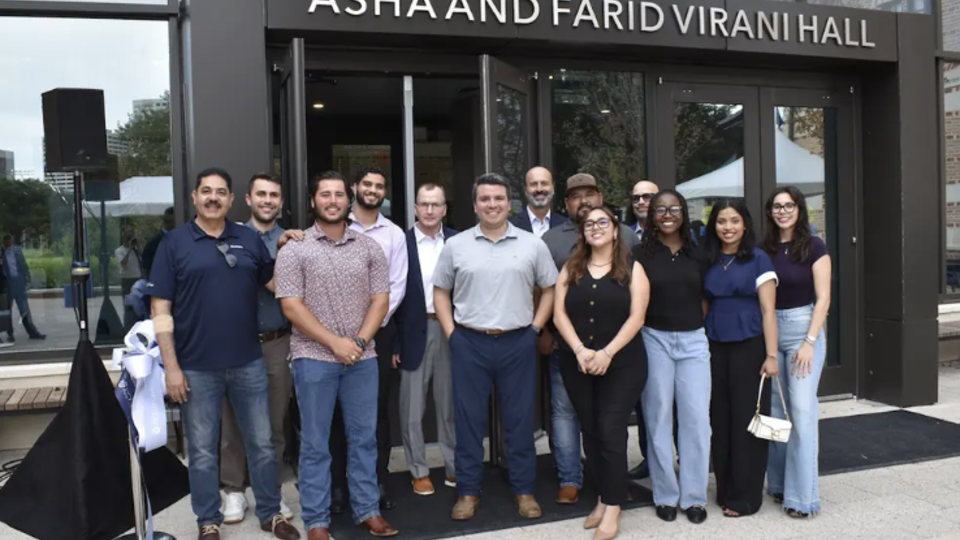
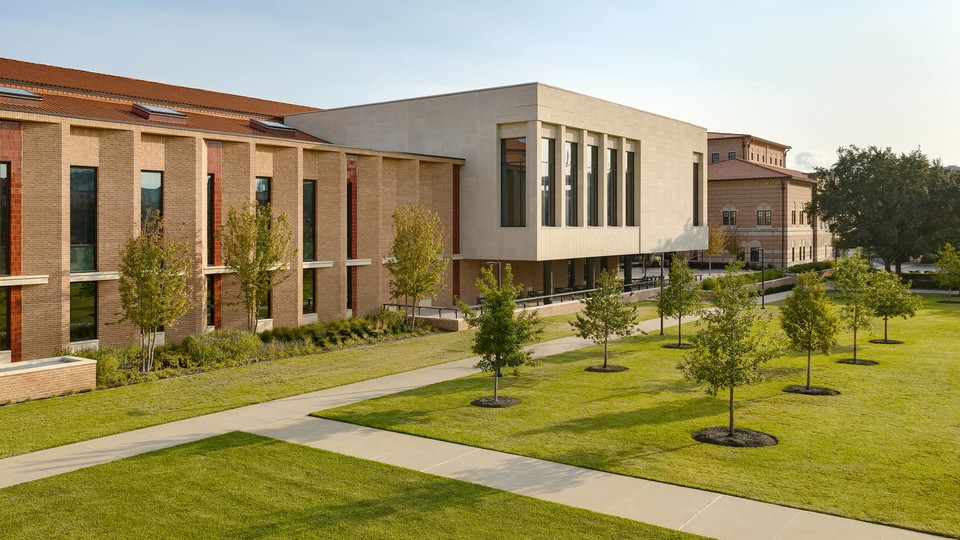
Rice Business celebrates the grand opening of Virani Hall, a new 112,000-square-foot facility expanding space for the Jones Graduate School of Business, Virani Undergraduate School of Business and Executive Education programs.
The undergraduate business major, launched in 2021, rose four spots to No. 20 nationally. The entrepreneurship program climbed four spots to No. 8 — a rise of 23 places over the past three years.