Image
A roundup of news from Rice Business and beyond.
A roundup of news from Rice Business and beyond
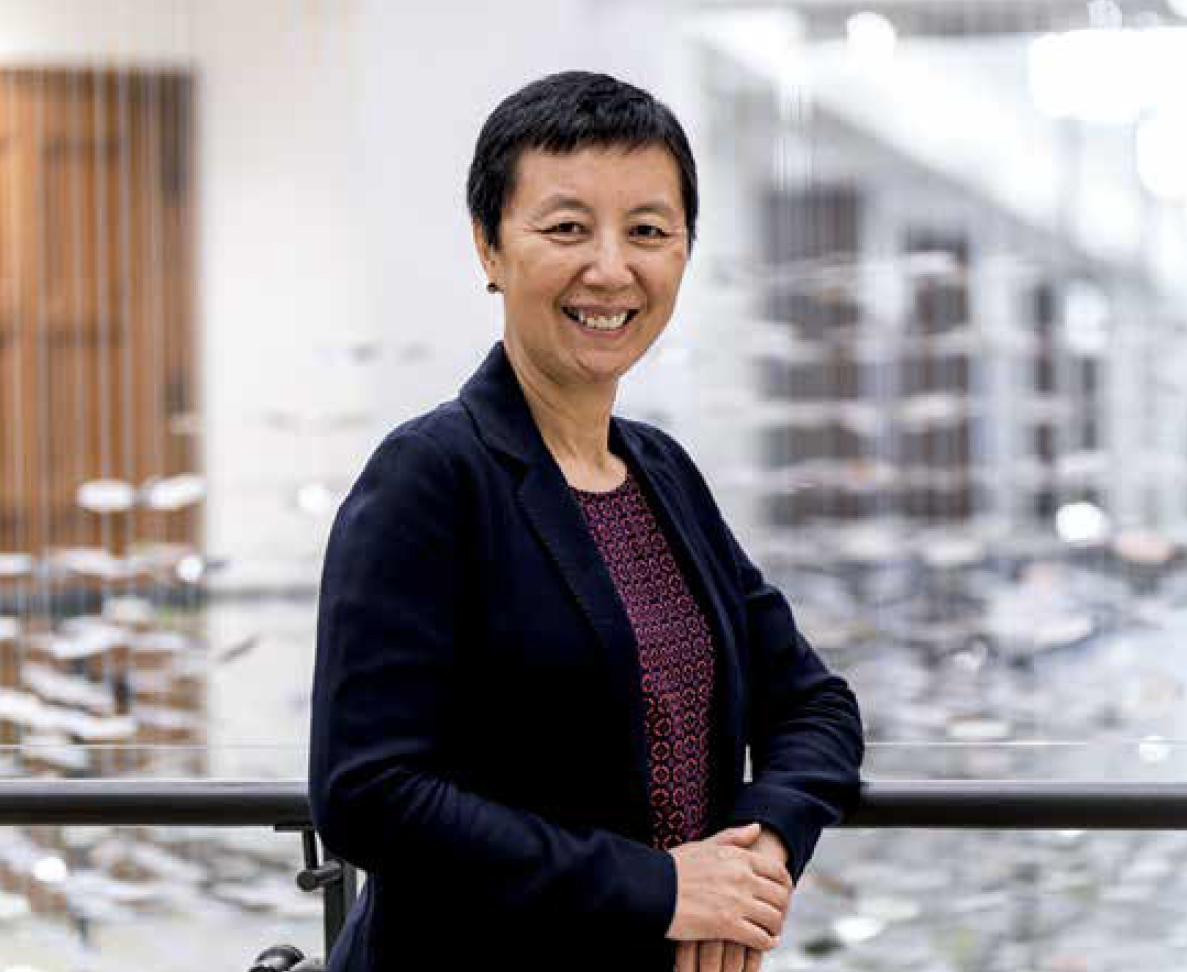
Jing Zhou
Jing Zhou, the Mary Gibbs Jones Professor of Management and Psychology, assumed the role of deputy dean of academic affairs for Rice Business July 1. She is the first woman to hold the position.
A highly accomplished scholar whose research has been cited more than 40,000 times — ranking among the top 1% of influential researchers in business and management — Zhou researches creativity and innovation, and creativity in entrepreneurship. She has been teaching courses on leadership, innovation, negotiation and organizational behavior at the undergraduate, MBA, executive MBA and Ph.D. levels at Rice Business since 2003. Zhou is the area coordinator for organizational behavior, director of Ph.D. program and director for Asian management research and education at Rice Business. She is a fellow of the Academy of Management, the American Psychological Association, the Association for Psychological Science and the Society for Industrial and Organizational Psychology.
“Beyond these prestigious recognitions, we all know Jing as a generous colleague and as an honest and trusted friend and supporter of Rice Business and Rice University,” Dean Peter Rodriguez said. “We are fortunate to have in Jing an eminent scholar and a colleague of the utmost integrity to serve as our next deputy dean.”
In addition to her contributions at Rice, Zhou has served as president of the International Association for Chinese Management Research, as associate editor of the Journal of Applied Psychology and on the editorial boards for many other journals, including the Academy of Management Journal, Academy of Management Review, the Journal of Business Venturing, the Journal of Management, Leadership Quarterly, Management and Organization Review, Organizational Psychology Review and the Strategic Entrepreneurship Journal. She has also served as a consultant to organizations on issues related to leading innovation and negotiation.
Zhou succeeds Jeff Fleming, Fayez Sarofim Vanguard Professor of Finance, who completed a seven-year term as deputy dean on June 30.
To learn more about Zhou’s “Intellectual Contributions”, “Media Mentions” and peer-reviewed research, visit this website page: https://business.rice.edu/person/jing-zhou.
A startup that aims to increase production in the semiconductor industry took home the $350,000 grand prize at the 2022 Rice Business Plan Competition.
The winning team — Lidrotec, a student startup from RWTH Aachen University in Germany — says its technology can eliminate material waste during semiconductor manufacturing, saving money and increasing productivity.
The competition, hosted annually by the Rice Alliance for Technology and Entrepreneurship and Rice Business, is the world’s largest and richest student startup competition. Now in its 22nd year, the competition saw 42 startups competing for more than $2 million in prizes in April. They were chosen from more than 400 applicants to compete in one of five categories: energy, clean tech and sustainability; life sciences and health care solutions; consumer products and services; hard tech; and digital enterprise.
The RBPC’s more than 250 judges act as early-stage investors evaluating the startups’ potential. Teams pitch their businesses to investors, entrepreneurs, corporate executives and ecosystem partners during the event, then network and receive real-time feedback, advice and mentorship.
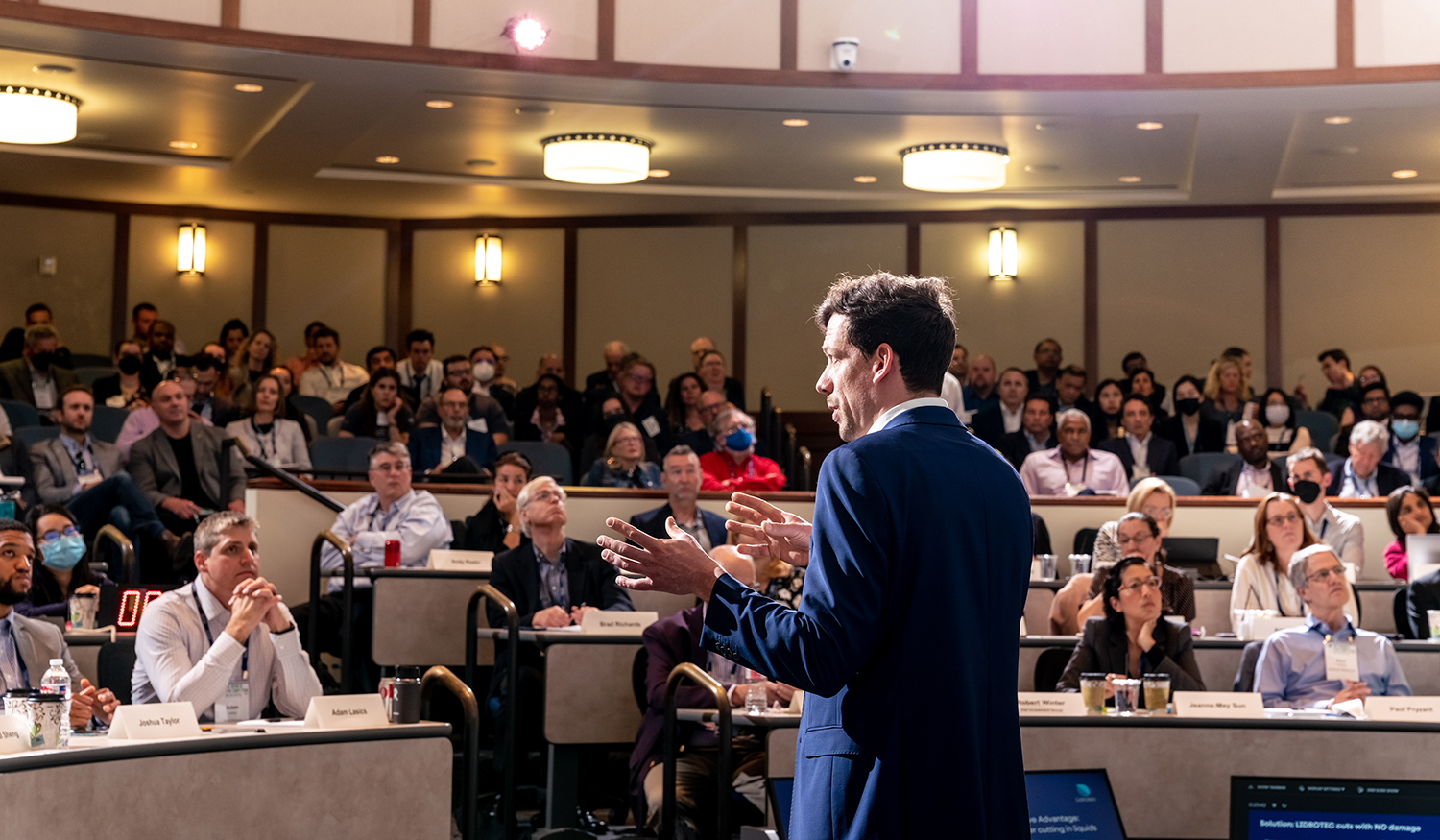
Alexander Kanitz of Lidrotec presenting in the Shell Auditorium
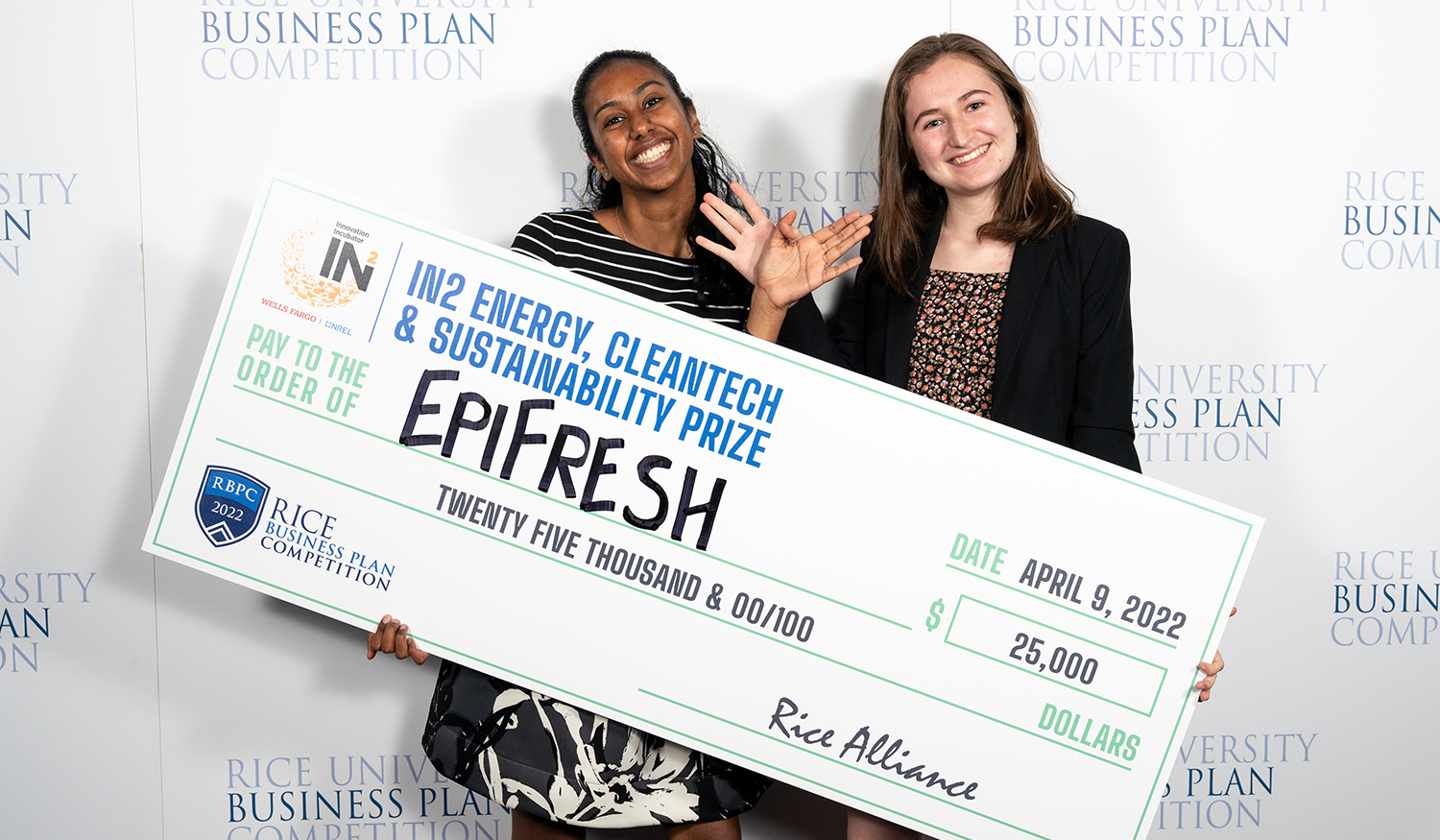
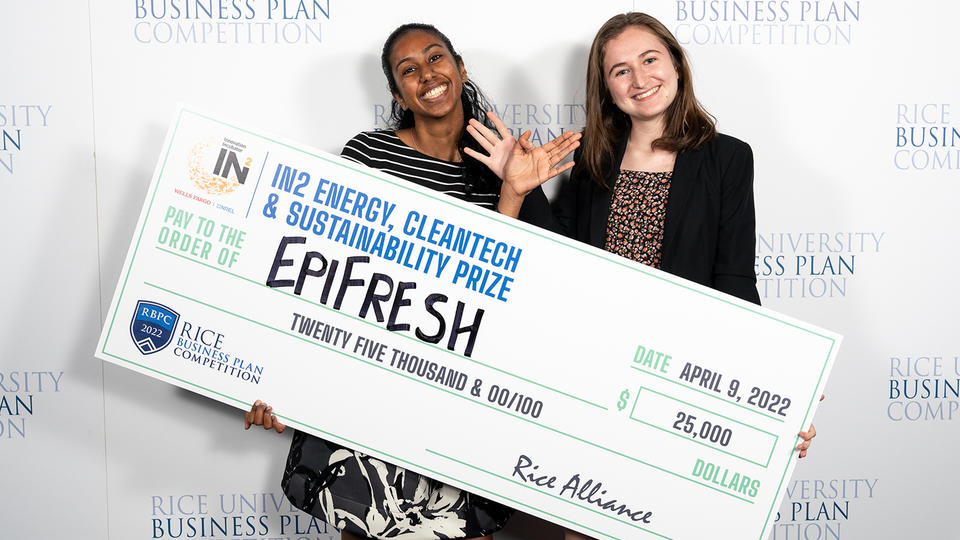
From left: Neethu Pottackal, third-year Ph.D. in materials science and nanoengineering, and Aasha Zinke, Rice ’24 majoring in materials science and nanoengineering, take the prize for EpiFresh.
This year’s top prizes included:
For more information, visit rbpc.rice.edu.
Rice Business Dean Peter Rodriguez joined former Rice President David Leebron and Houston city officials, along with civic and business leaders from the Greater Houston Partnership, in the City of Lights this summer to celebrate the opening of the university’s Paris Center. The June 29 launch ceremony was held at a historic 16th-century building that will house the new center. When it is complete in January, it will be home to student programs and international conferences organized through Rice.
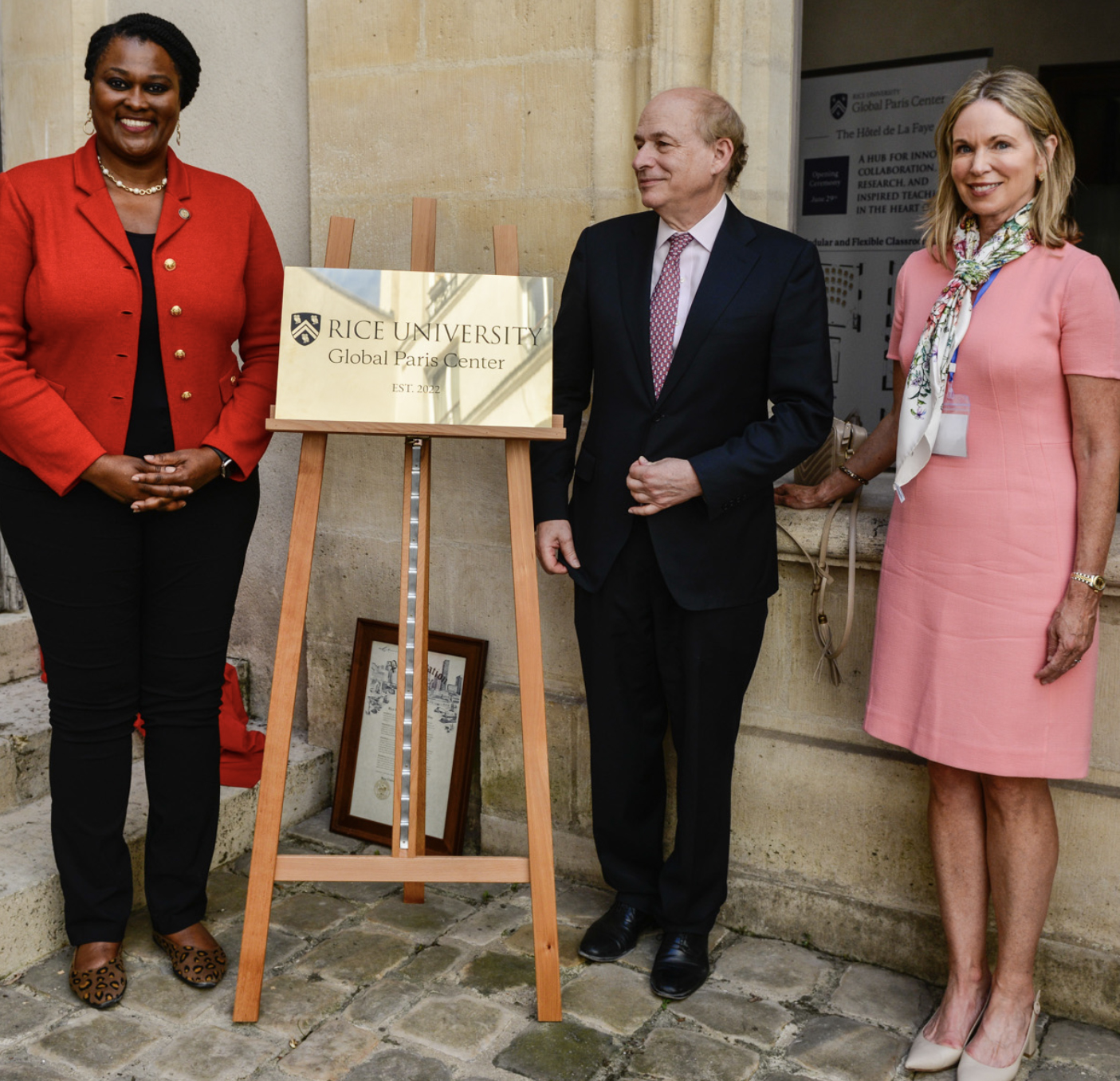
It will also serve as a hub for European research activity, giving researchers from Rice Business and other Rice schools greater access to European partners.
“Rice University’s mission statement commits us not only to pathbreaking research and unsurpassed teaching, but also to the betterment of our world,” said Rice President Reginald DesRoches, who began his tenure on July 1. “We’re eager to extend that mission internationally, and the opening of the Rice University Paris Center demonstrates that commitment.”
The Center is located in Le Marais, a neighborhood in the historic center of the city famed for its narrow cobblestone streets, art galleries and sidewalk cafés. It is housed in a historic building known as the Hotel de La Faye, built in the early 1500s. The grand townhouse edifice — with four levels, a courtyard and a private garden — was listed as a historic monument in 1966.
To learn more, visit: https://arch.rice.edu/facets/paris
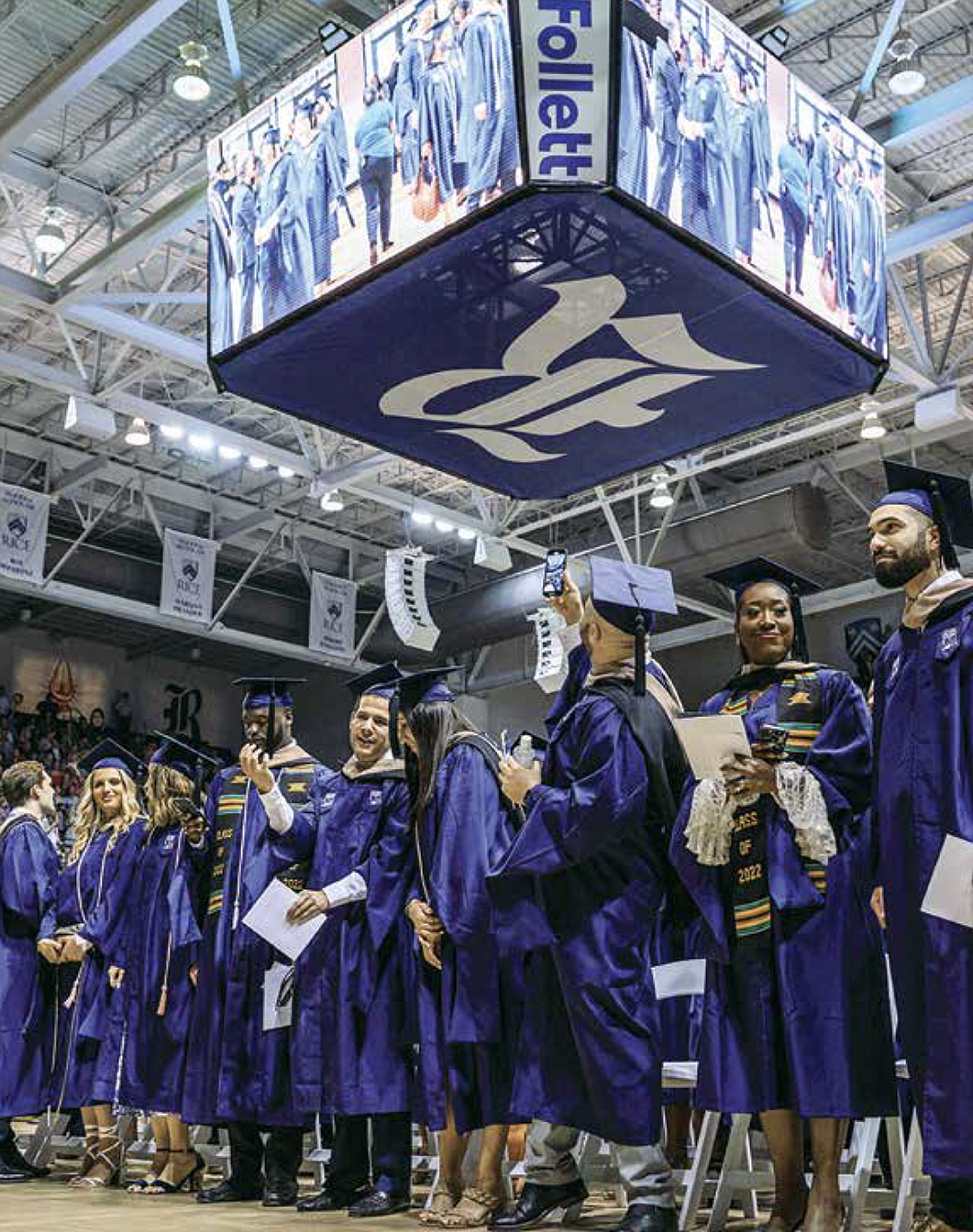
Rice Business celebrated the Class of 2022 with an Investiture ceremony in May. The ceremony, which formally “invests” grads with their degrees, was held in Tudor Fieldhouse. It marked the largest number of graduates in school history, with more than 500 degrees awarded, bringing the total number of Rice Business alumni worldwide to more than 8,000.
Click the buttons to view photo albums from the festivities.
MBA Investiture MAcc Investiture
Watch our Investiture videos at business.rice.edu/investiture.
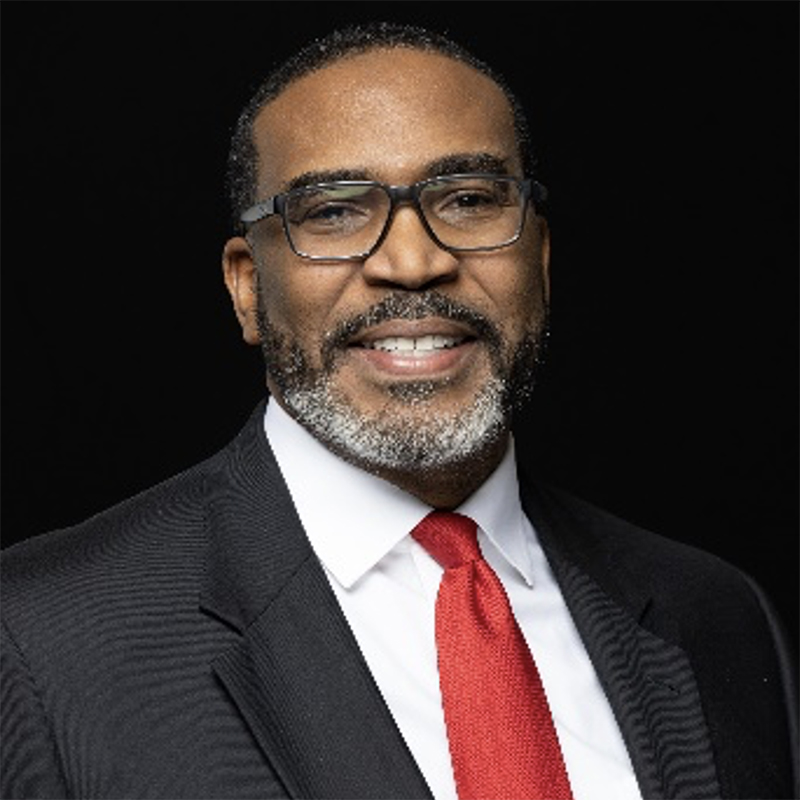
Thomas Benford
Thomas Benford, the president and COO of Coca-Cola Beverages Florida, was appointed to the Rice Business Board of Advisors in April. He will serve for three years.
Benford, who has an MBA from Harvard Business School and undergraduate degrees in economics and computational and applied mathematics from Rice, leads an organization of more than 4,600 associates who serve 21 million consumers and deliver 114 million cases of Coca-Cola products annually. Benford’s career also includes other executive roles at Coke Florida and positions at Halliburton and J.P. Morgan Chase.
“We are so fortunate to have Thomas’ deep experience on our board,” said Dean Peter Rodriguez.
Rice Business is expanding its experiential learning portfolio to New York City this fall through an innovative alliance with Columbia University Law School and its Center for Public Research and Leadership.
The center immerses graduate students in the theory and practice of managing, governing and transforming public school systems and organizations. The other business school partners are Dartmouth Tuck, NYU Stern, Wharton and Yale.
Through an intensive application process, Columbia Law School selected Cayden Lei ’23, a full-time MBA, to be our inaugural candidate. A native of Shenzhen, China, Lei is the only MBA from all the partner schools in this year’s session, which launched in September.
“We are so pleased to begin our partnership with Rice, an institution that shares our commitment to improving public institutions, particularly [in our case] public pre-K-12 schools,” said Elizabeth Chu, executive director of the Center for Public Research and Leadership at Columbia Law School.
In a joint interview, Abbey Hartgrove, director of global programs and experiential learning, and Adam Herman, executive director of the office of academic programs and student experience, explained how the affiliation will work.
What does equity-focused leadership development mean to Rice Business?
We want to make sure that we are creating impact, and think equity is going to be a foundation. When we’re working with companies, we’re helping them shift out of this corporate model into working with communities and organizations that don’t have as many resources. That’s the student we’re looking for—the student who wants to make an impact, who is wanting to change the world, who is wanting to make things better.
What is the program structure?
Each section of the three-course, 12-credit program—“Structural Change in Public Education: Immersive Off-Site”—will host about 30 to 35 students. Students are getting credit and making an impact, so it checks a lot of boxes for us. Policy consultants work with the students guiding the consultant projects, so they get to come in and take their MBA knowledge, apply it in this New York City public sector context and get expert guidance.
How do accountability and ethics factor into our participation?
What we like about the courses we run are the components of accountability and ethics built in. You’re being held accountable for your performance to the client, in this case, your peers from other well-known schools, and also to the communities you have been selected to help. That’s the foundation of experiential learning at Rice because we are connecting with these external partners. You’re representing yourself professionally and Rice Business.
To learn more about the Center for Public Research and Leadership, visit: cprl.law.columbia.edu/.
Jasmine Johnson ’22 and Takeya Green ’22 were honored for their entrepreneurial talent and leadership skills at the 2022 Texas Business Hall of Fame Foundation Awards.
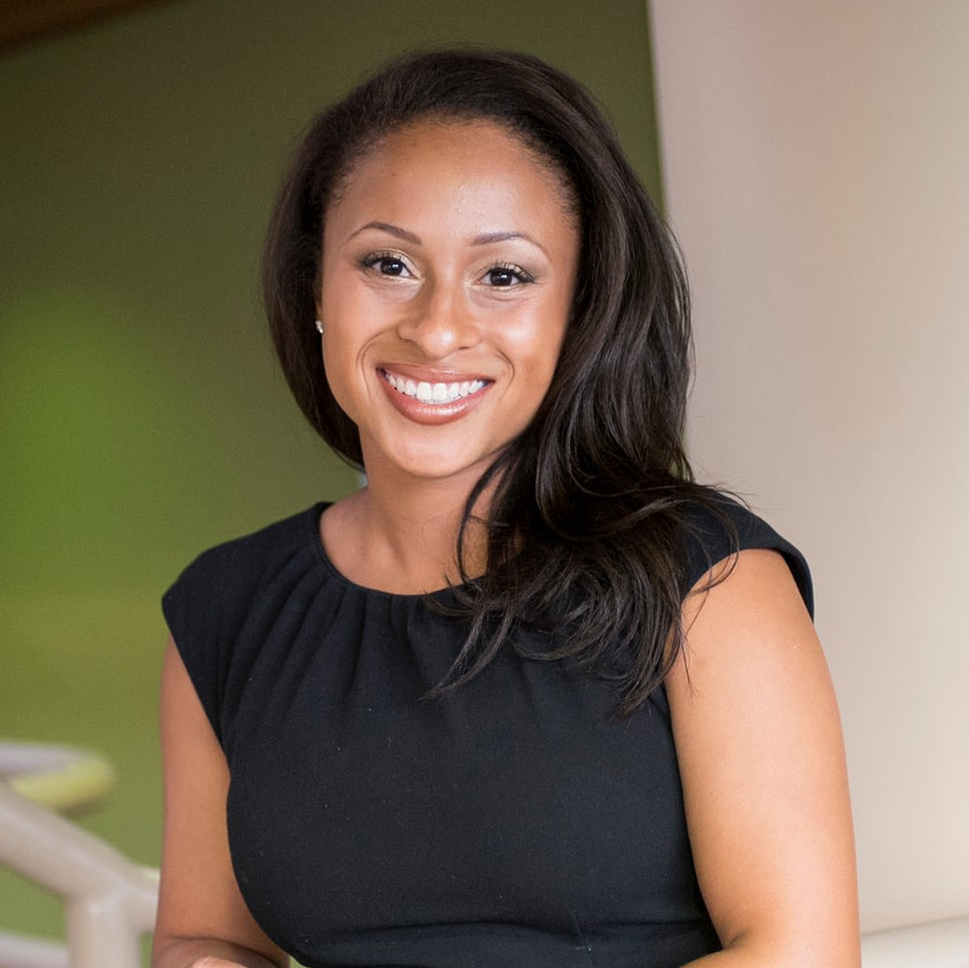
Jasmine Johnson
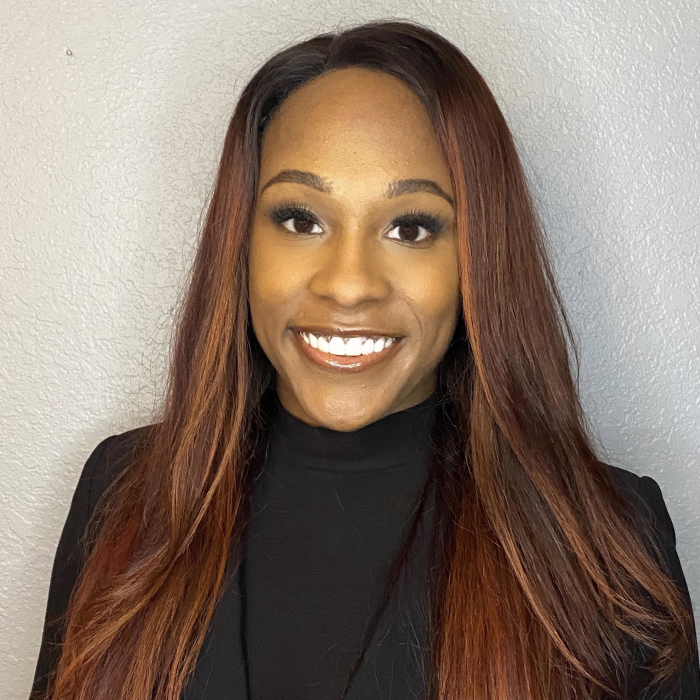
Takeya Green
Johnson, who won the foundation’s T.T. & W.F. Chao Award, serves as the CEO and founder of Sparrow Energy, an energy efficiency consultation and implementation company. Green, who won the AT&T Future Executive Leader of Distinction Award, is a Chicago native who began her career as an investment banking associate with Citi, working in sectors including oil and gas and the clean energy transition.
The foundation honors outstanding business leaders in the state by celebrating their impact in business and the community. Johnson and Green will be honored at the foundation’s 2022 annual induction dinner Nov. 3. They join about 800 leaders who have been recognized by the Texas Business Hall of Fame over the last 40 years.
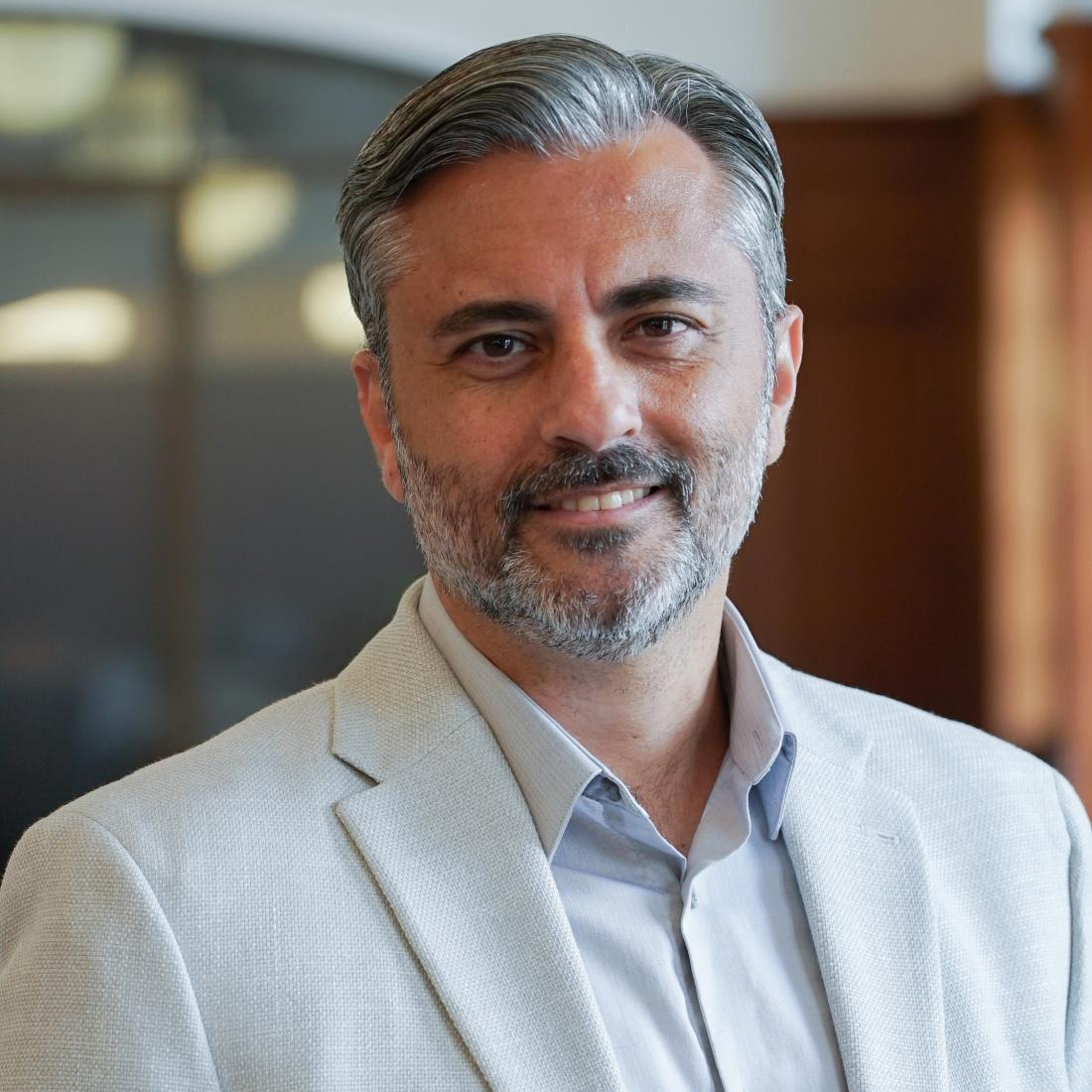
Christian Rafidi
Christian Rafidi is chief business officer, a new position at Rice Business, and oversees critical business and financial operations of the school. He has experience in higher education — including serving as chief administrative officer at the University of Michigan and as assistant dean for finance and administration at the University of Texas at Austin. Rafidi earned a B.A. in sociology from New York University and an M.Ed. from Northeastern University. He serves as an adviser to Dean Peter Rodriguez and the leadership team on business strategy; management and risk; and leading, managing and representing the financial, administrative and operational components of the school. Rafidi also oversees building operations, space management, the Business Information Center and the administration of human resource functions.
Fireside Chat
At a recent Fireside Chat, we recognized and celebrated influencers who are championing efforts in their organizations.
Diversity, Equity & Inclusion Lab Course
The DEI lab is an experiential learning class that gives students the opportunity to work on a corporate/nonprofit partner challenge and apply the lessons and framework from Rice Business courses. The initial pilot had three projects for three different organizations; one was a nonprofit. The students had impactful recommendations, some of which have already been implemented at the client organizations.
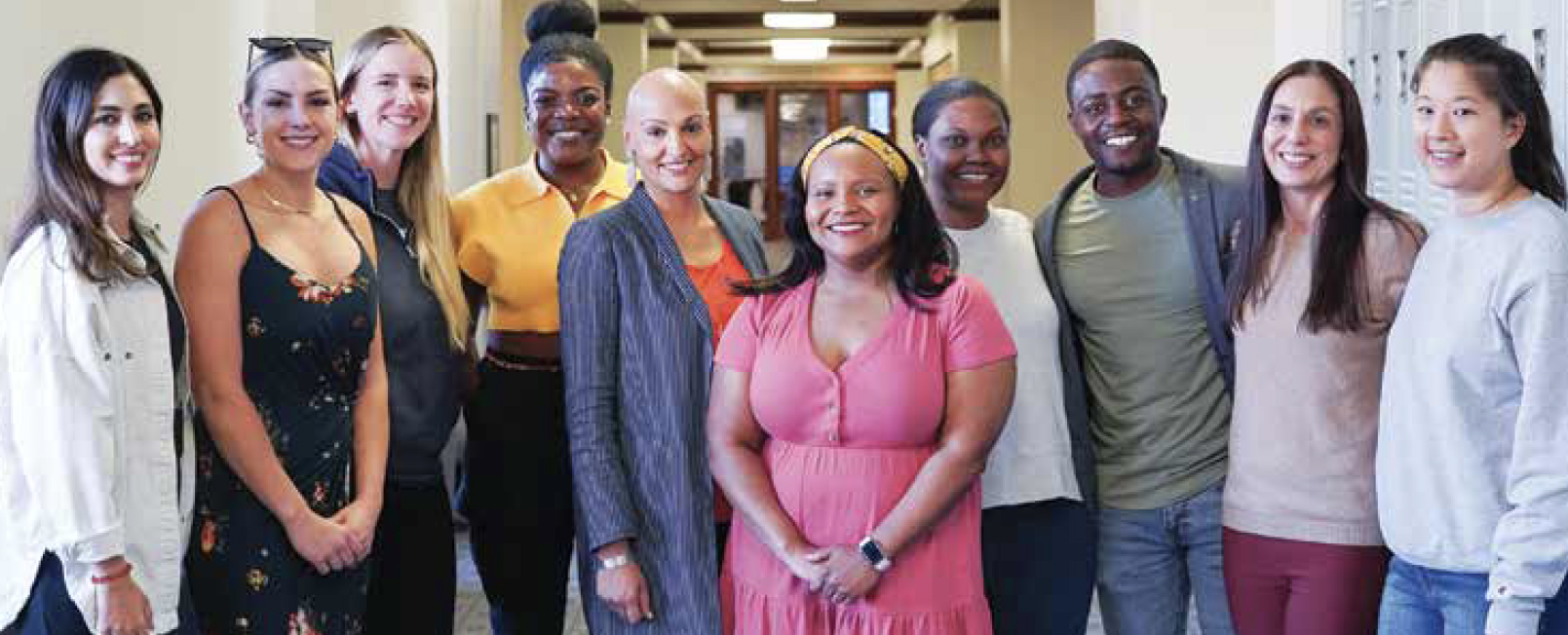
Donuts and Community
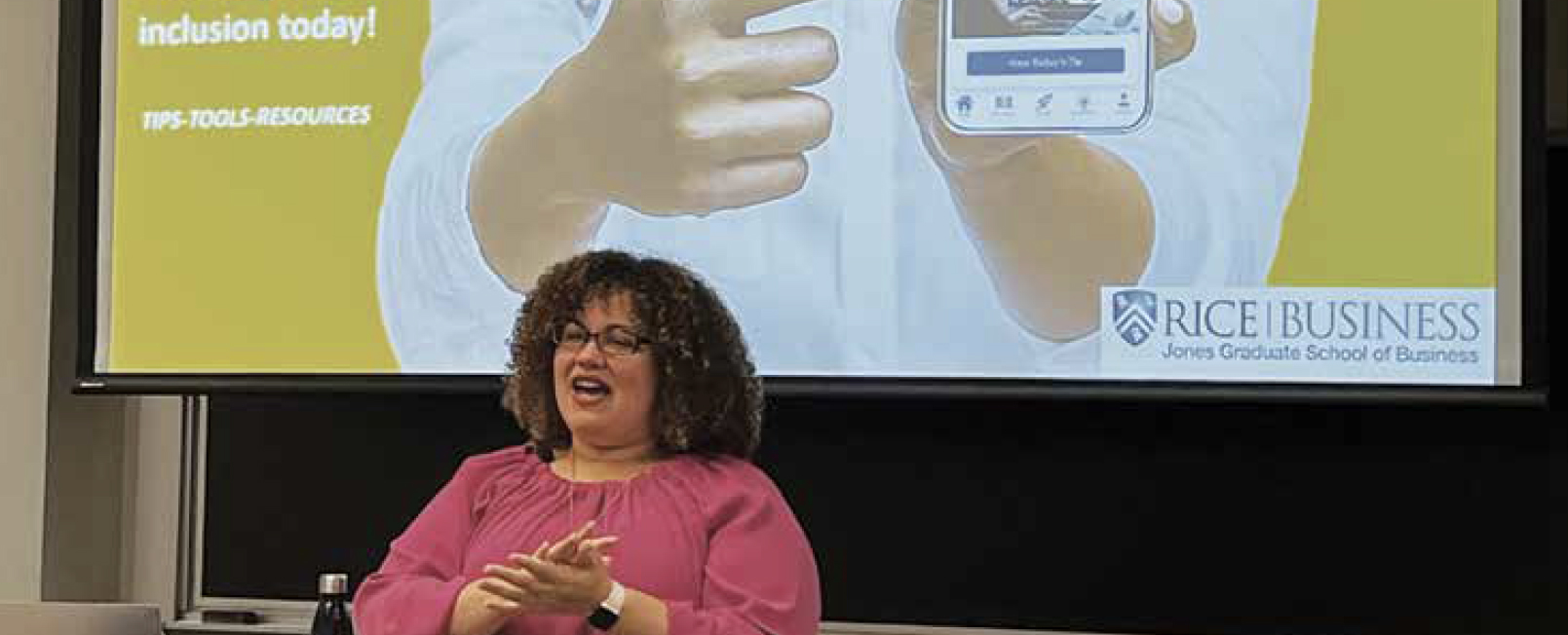
Regina Edwards hosted an event introduce the Everyday Inclusion app to staff. The Office of Belonging and Engagement launched the app for Rice Business faculty, students and staff. The easy-to-navigate phone app is a resource for learning and has fun features to use with teams and colleagues.
This year, Rice welcomed a new president, Reginald DesRoches, and several new administrators for specialized operations. Here’s a look at the new executives and their roles:
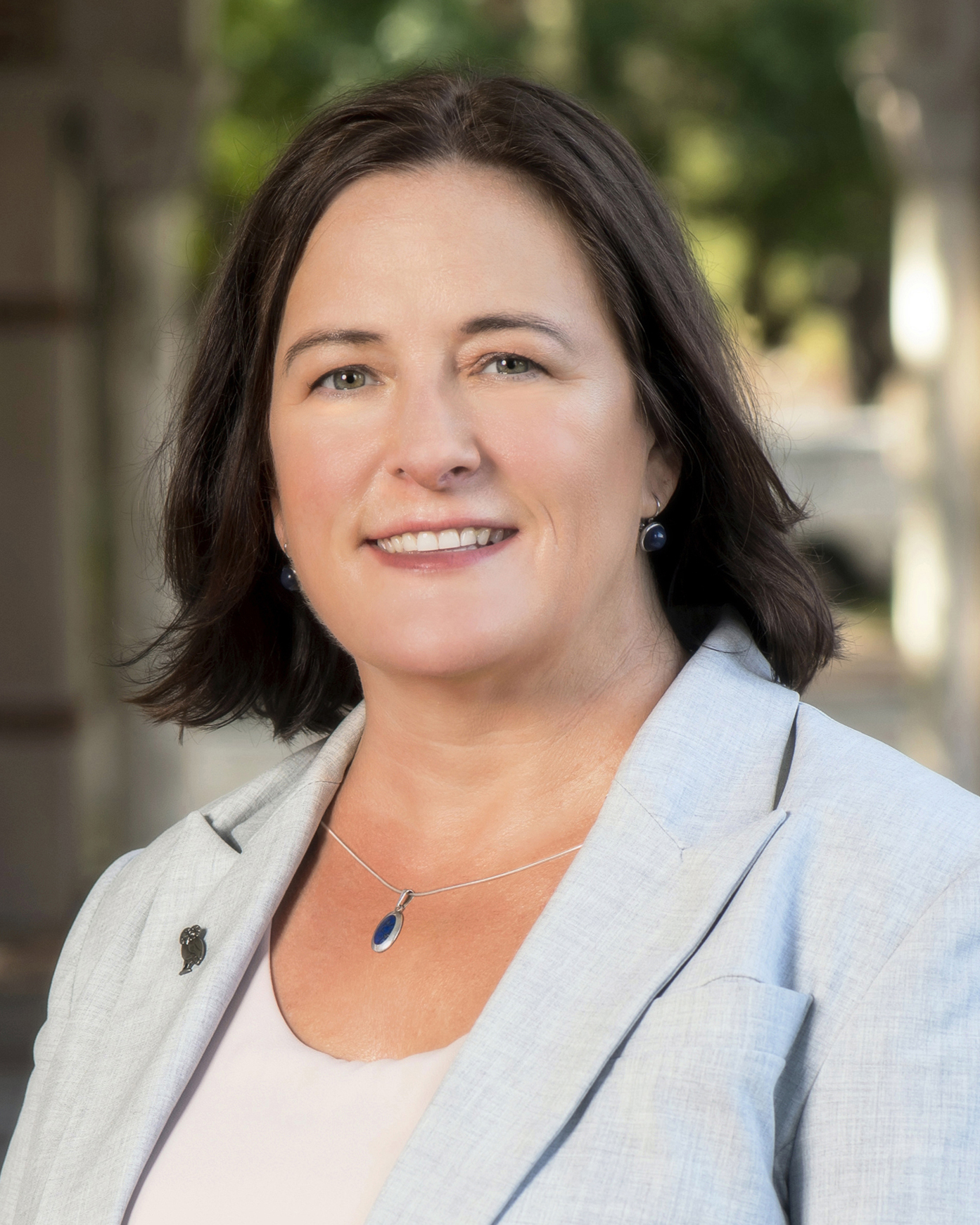 Amy Dittmar is provost and a professor of economics (social sciences) and a professor of finance (business). She has an extensive background in economics, finance and university administration. Dittmar previously served as senior vice provost for academic and budgetary affairs and professor of economics and finance at the University of Michigan. Dittmar earned her B.S. in finance and business economics from Indiana University and Ph.D. in finance from the University of North Carolina.
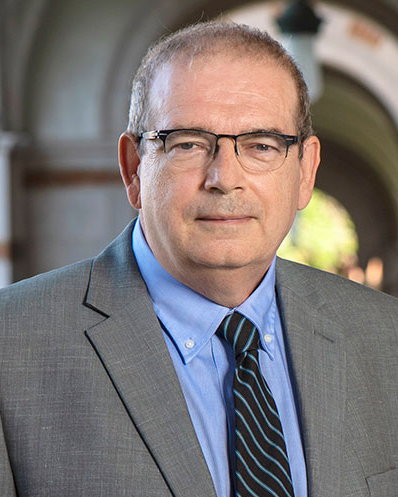 Paul Padley, a professor of physics and astronomy and director of the Bonner Nuclear Laboratory, is vice president for information technology and chief information officer. The office is the university’s central technology provider and supports research, academic and administrative systems, other core applications; and voice, network and computing infrastructure for the Rice community. Padley holds a Ph.D. and master’s degree in physics from the University of Toronto and a bachelor’s in physics from York University and serves on faculty advisory committees on information technology issues.
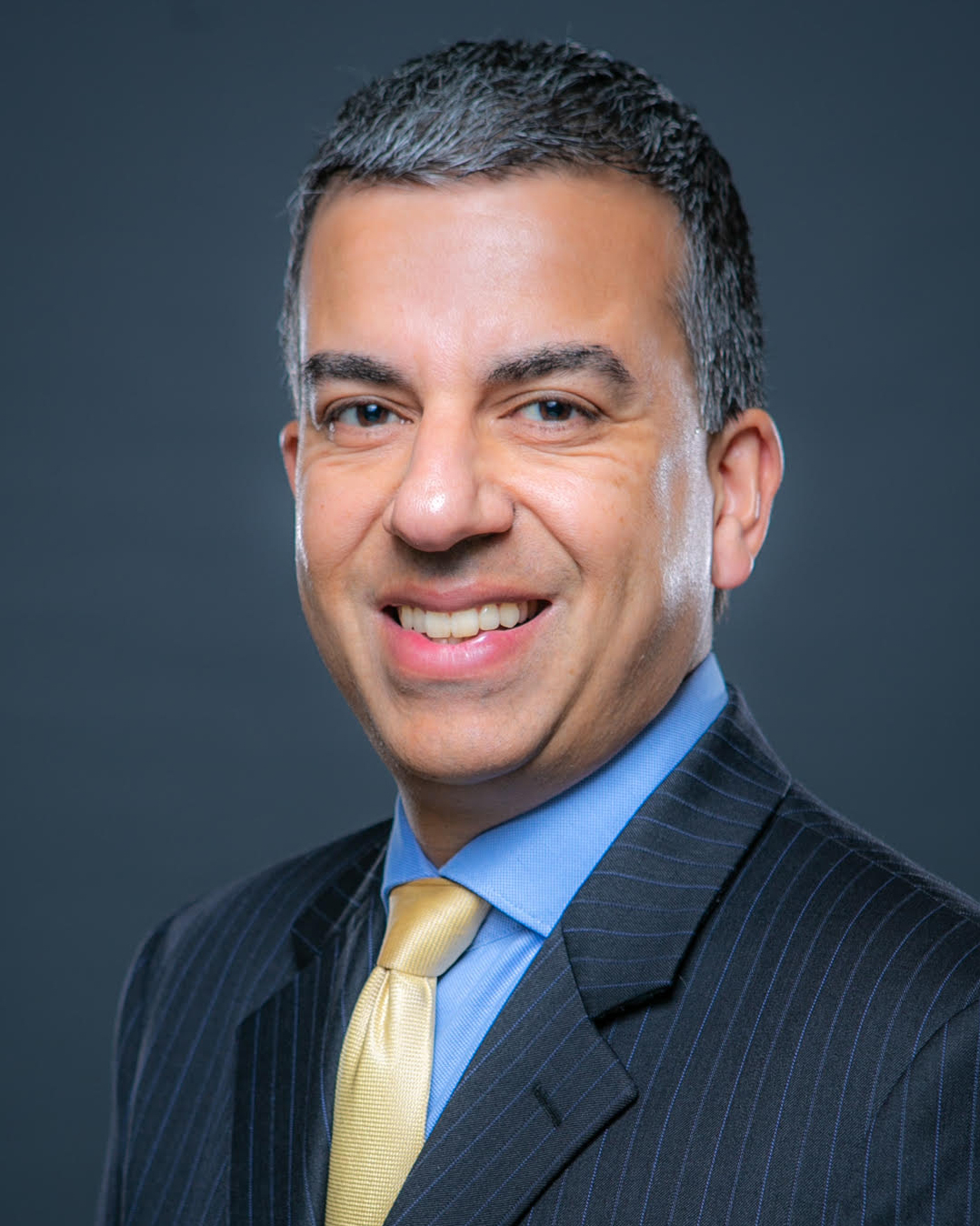 Omar Syed, an attorney with 15 years of experience in higher education, is vice president and general counsel. Syed guides the university on the best legal course to successfully execute its mission, including the unique legal challenges Rice will face while expanding its research programs. Syed previously served as associate vice chancellor and deputy general counsel for the University of Texas System. Syed earned his Bachelor of Arts degree with special honors in public policy studies from the University of Chicago and his law degree from the University of Minnesota Law School.
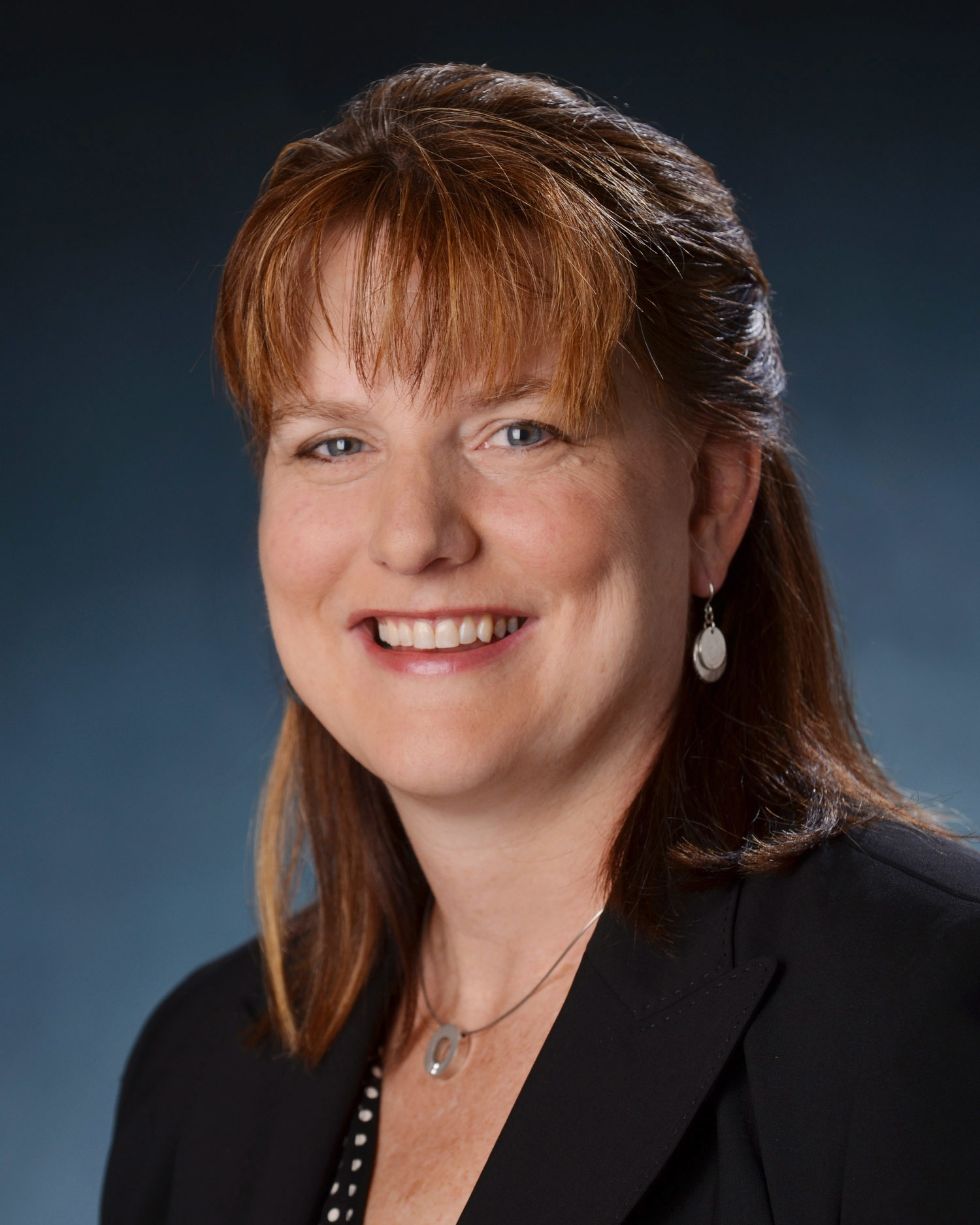 Kelly Fox is vice president for finance and administration and will supervise financial planning and policies, financial reporting, debt and cash management, financial systems, nonacademic budgeting, compliance, capital markets, accounting and audit, construction, facilities, security, housing and food, and human resources. A senior executive with more than 20 years of experience in higher education, Fox previously served as executive vice president and chief budget officer at the Georgia Institute of Technology. Fox earned her Master of Public Administration degree from the University of Colorado Denver and her Bachelor of Science in psychology from the University of Nebraska-Lincoln.
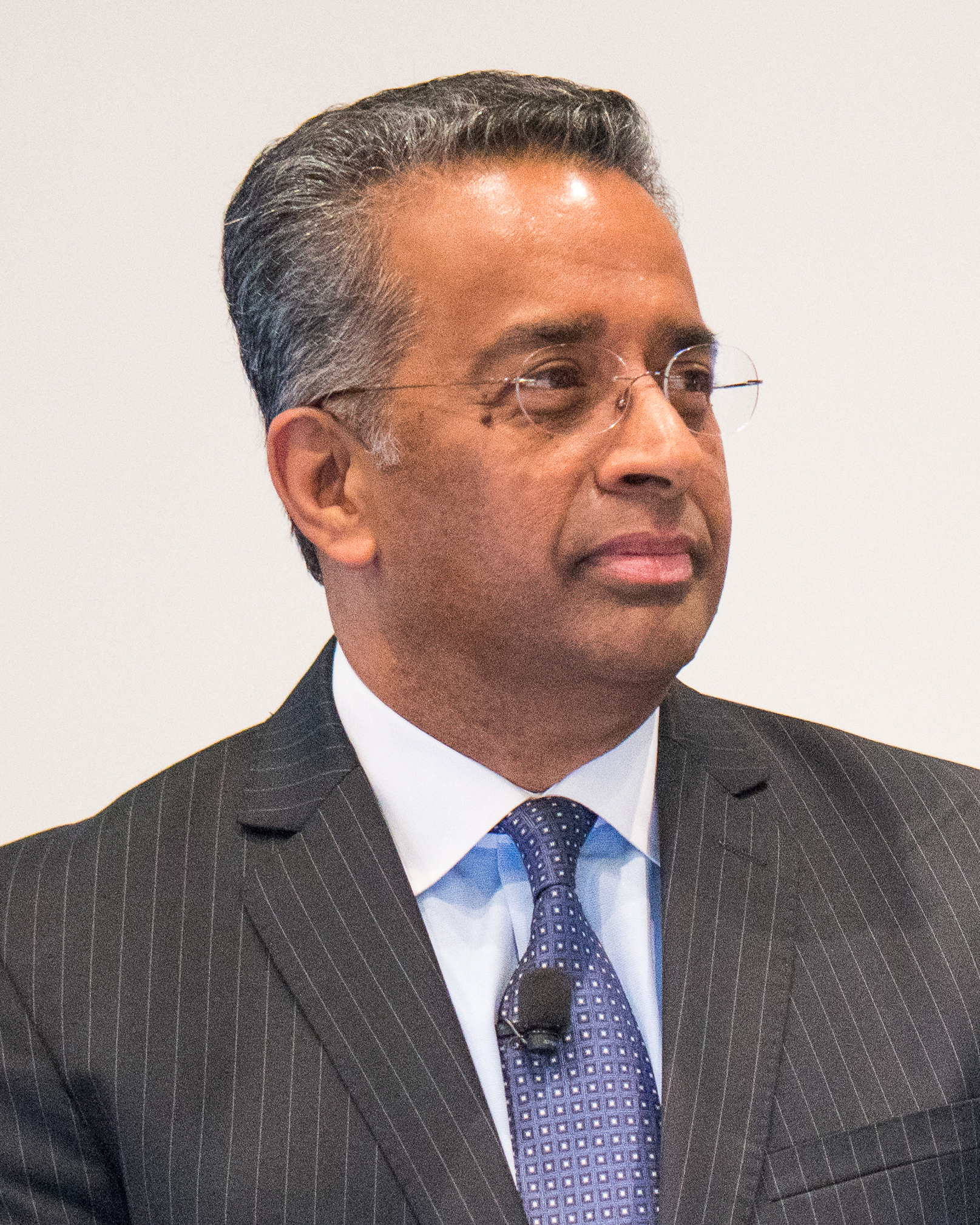 Ramamoorthy Ramesh, a condensed matter physicist and materials scientist with more than 25 years in academia, industry, national labs and government service, is vice president for research. He will oversee internal and external research ventures and will partner with senior leadership to bolster the research infrastructure and propel productivity and impact to new heights. He was previously the Purnendu Chatterjee Chair in Energy Technologies and a professor of physics and materials science and engineering at the University of California, Berkeley. Ramesh earned a bachelor’s degree in chemistry from Madras University, a bachelor’s degree in metallurgy from the Indian Institute of Science, Bangalore, and a master’s and Ph.D. in materials science and engineering from UC Berkeley.
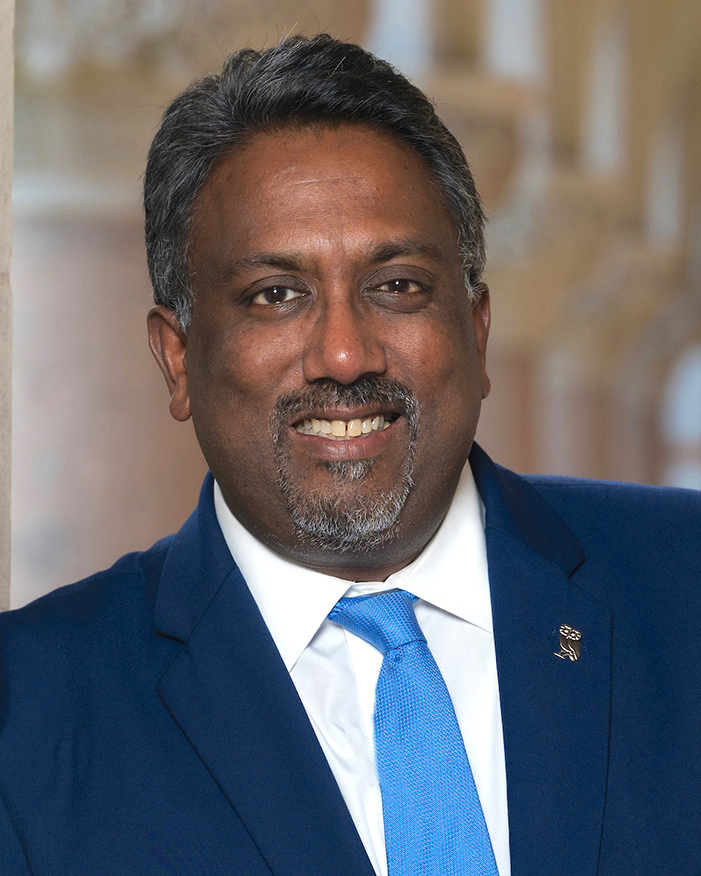 Paul Cherukuri is the university’s first vice president for innovation. The primary areas of focus for the office will be technology translation, startup creation, commercialization, and entrepreneurship training. Cherukuri will also oversee engagement with the Ion, including programs in the innovation district. Cherukuri, who was previously the executive director of the Institute of Biosciences and Bioengineering, is a physicist, chemist and medtech entrepreneur with more than 15 years of experience in academia and the pharmaceutical industry. He earned his bachelor’s degree in physics from the University of Kentucky and his Ph.D. in physical chemistry under Nobel laureate Richard Smalley at Rice.
To learn more about the executives, visit provost.rice.edu and president.rice.edu/governance/administration.


Artist: Graciela Hasper | Title: “Sin Titulo,” 2013 | Photographer: Sean Fleming

Artist: Christian Eckart | Title: “Long Clouds Glitched,” 2022 | Photographer: Geoff Winningham


Artist: Joanna Pousette-Dart | Title: “3 Part Variation #6,” 2013 | Photographer: Geoff Winningham

Artist: Sheila Hicks | Title: “Minerve de la Sagesse,” 2018 | Photographer: Geoff Winningham

What we've been up to on social media.
What we’ve been up to on social media
Welcome, President Reggie DesRoches! We are so excited to be part of a community with an eager, prolific, passionate leader and we know that President DesRoches will continue the hard work from his predecessor, President Leebron, to build and develop Rice University. pic.twitter.com/SeXksU83Yq
— Rice Business (@Rice_Biz) July 1, 2022
"I don’t think there’s a simple solution to a complex problem," says @Rice_Biz's @ScottSonenshein. "I think what it really comes down to is individual supervisors, and what kind of training and programs that help them reduce some of the biases they have."https://t.co/C5eUcqYXM8
— Rice University News (@RiceUNews) July 14, 2022
Rice Business in the news.

As a CEO, it’s only natural to want to take credit for unexpected positive outcomes — especially if your compensation is tied to self-reported updates on company performance. But in a recent study, the authors, including Sung Hun (Brian) Chung, a Ph.D. candidate at the Jones Graduate School of Business at Rice University, find a hidden cost. Their analysis of 23,000 media articles showed that when CEOs credit their strategic decisions for unexpected positive earnings, they are more likely to be blamed for negative results in the future (and more likely to be fired as a result). Conversely, when leaders are humble and take less credit for positive outcomes, they are less likely to be blamed or removed from their positions when earnings fall.
May 31, 2022 | Nandini Rajagopalan, Sun Hyun Park and Sung Hun (Brian) Chung

Inflation is ugly. For consumers, it is painful in ways big and small. People’s wages aren’t keeping up with rising prices, meaning some are having to make important cutbacks to stay afloat. Beyond everyday items, having inflation on the brain is likely making people think more about prices than they normally would, explains Utpal Dholakia, a professor of marketing at Rice University’s business school. “Consumers’ knowledge of prices is generally really bad. By and large, in normal conditions, most of us don’t know prices of most of the regular things that we buy,” he says. “What inflation has done is it has made people pay more attention as a general rule.”
Aug. 4, 2022 | Emily Stewart

As if restaurants didn't already have enough challenges due to the pandemic and supply shortages, they now face yet another challenge — rising food costs. Russia’s invasion of Ukraine has only exacerbated the issue by skyrocketing the price of fuel, and as gas prices increase, that in turn drives up the cost of food supplies, said Peter Rodriguez, dean of the Jones Graduate School of Business. Even before Russia invaded Ukraine in February, supply chain issues had already caused an increase in the cost of food. “We are seeing some of the fastest wage rises in decades in the United States, but it’s unlikely that they will completely offset the rises in the core consumables and in other goods and services,” Rodriguez said.
Apr. 18, 2022 | Savannah Mehrtens

Omair Tariq, founder and CEO of Cart.com, which helps retailers manage and process their online sales, already counts among his clients such giants as Dollar General and GNC. On one hand, the e-commerce start-up operates in an entirely different universe from the scrappy upstarts at the flea market and yet Tariq marveled at the parallels. If ever there were a place where entrepreneurs should thrive, it’s Houston. “The founders of Houston came in through the port and saw this boring, flat, hot, humid piece of land and decided it would be a great city for business,” said Rafael Alvarez, a faculty member at Rice’s Jones Graduate School of Business and inductee of the national Immigrant Entrepreneur Hall of Fame. “It doesn’t matter where you come from and what you look like. There was no old money here, no old families. If you had a great idea and were willing to work, this was a place you could make it happen.”
Jul. 29, 2022 | Tom Foster

Not only is consulting one of the most sought-after career paths—it’s also one of the most lucrative for MBA graduates. Top consulting firms, including McKinsey & Co., Bain & Co., and Boston Consulting Group shell out $175,000 starting base salaries. While attending a top-ranked MBA program can certainly give candidates a leg up, there’s no guarantee of landing a job at one of the elite consulting firms. Fortune sat down with Adriana Crespo, McKinsey’s manager of recruiting operations, who said, “we hired our biggest summer internship class ever at about 500 just for MBAs across all U.S. schools. It could vary anywhere from places like Booth, HBS, Kellogg, Wharton, Stanford—to Rice, CMU, UT Austin, Notre Dame. We’re also expanding our reach to a lot of the HBCUs. We’re excited about those opportunities.”
Jul. 21, 2022 | Sydney Lake

In trying to appear neutral on some current hot-button issues, experts say, Houston-based Exxon Mobil has done the opposite. The company will not allow social-rights flags — like those used by LGBTQ and Black Lives Matter supporters that are not tied to Exxon workers groups — to be flown at company buildings, though last year some Exxon offices flew the well-known rainbow flag during LGBTQ pride month in June. “It’s hard to think of any good reason that they (Exxon Mobil) would backtrack on this issue,” said Doug Schuler, associate professor at Rice Business. Schuler adds that it sends a message to employees that management was never committed to this cause.
Apr. 25, 2022 | Kyra Buckley

Samsung is considering building 11 new chipmaking facilities in the Austin area over the next two decades, a move that could lead to nearly $200 billion in new investment and create more than 10,000 jobs. Samsung is proposing nine new fabs on its property in Taylor, where it has already started site work on its previously announced $17 billion chipmaking plant. Peter Rodriguez, dean of the Jones Graduate School of Business, called Samsung’s expansion plans a “historically large and significant investment into the U.S. economy and certainly into the Texas economy. It has few if any peers in terms of scale and strategic significance.” The location of the plants in Central Texas would further elevate the region’s standing on the worldwide tech stage and will serve as a major employment driver, he said.
Jul. 23, 2022 | Lori Hawkins and Kara Carlson

The president of the Houston World Cup bid committee, Chris Canetti, says that Houston will likely host five to six of the matches. He says it’s like having five to six Super Bowls in the span of a month. The event is four years away, but planning is already underway. The games will be played at NRG Stadium. Canetti says this will be the largest World Cup in history with 48 nations competing and 16 host cities across three countries. Rice Business Dean Peter Rodriguez said it’s key to be smart about spending for the event. “Building things Houstonians need and use every day, that’s the easy money and the great way to leverage this opportunity for us.”
Jun. 17, 2022 | Daniela Hurtado
News and Notes from Rice Business Alumni
News and Notes from Rice Business Alumni
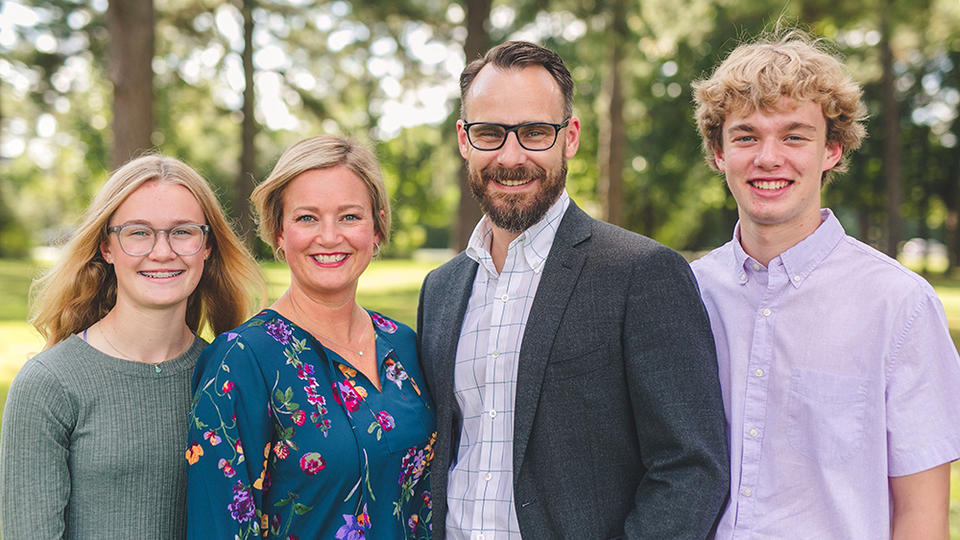
Subha Barry ’85
Subha and Jim Barry ‘84 have been married 36 years this May, and they spend their days following the sun: summer and fall in Long Beach Island, New Jersey, New York City and New Hope, Pennsylvania, and winter and spring in Naples, Florida. Their oldest, Tara Maya Barry ’10, just got accepted into a transplant surgery fellowship and is getting married in January.

Steven Ebel ’97
Steven joined Quantix Supply Chain Solutions as SVP of its 3PL Division.
Mark Williamson ’97
Mark is currently engaged full time in the development, advisement and funding of a producer of green hydrogen using their own patented technology. He created an investment fund to aggregate capital and manage investors.
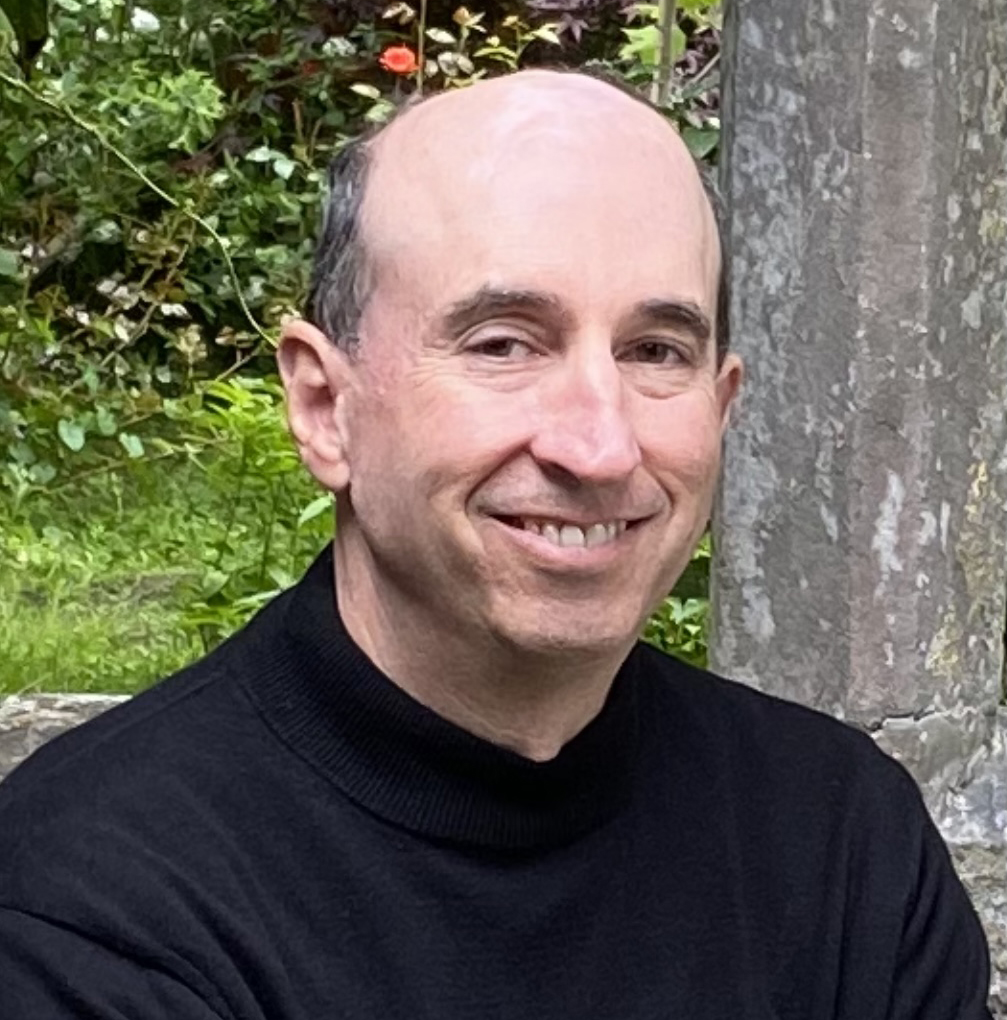
Sean Ferguson ’01
Sean recently moved to Boston after spending the last nine years in Hong Kong and Malaysia. On Sept. 1, he joined Bentley University as vice president of strategy and innovation.
Ted Dimitry ’02
Ted was listed in Insurance Business America’s Hot 100 List for 2022.
Karl Johnson ’07
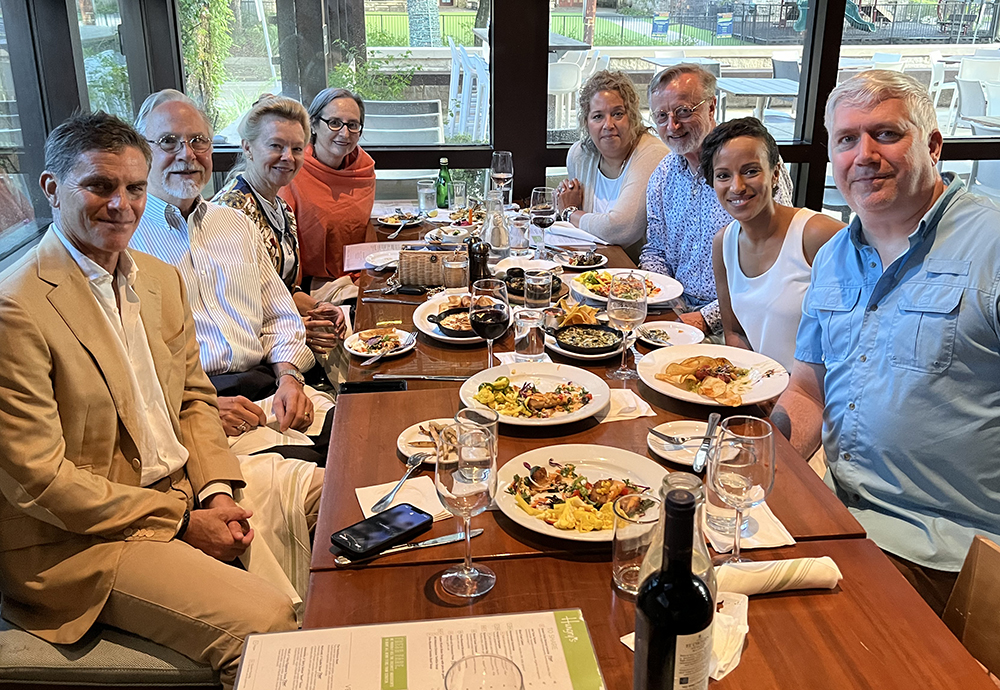
There was a gathering of Rice 2007 EMBAs recently at Hungry’s, and they celebrated Lina Bell who brought them all together in 2005.
Tony Oguamanam ’09
Tony has a new job as chief financial officer at Harris County Universal Services.
John Davies ’10
John was promoted in April to a global sales leadership role at Amazon Web Services.
Jeff Frey ’10
Jeff has been named vice president of innovation and business development at the Dallas campus of Abilene Christian University.
Vikram Dasa-Rao ’12
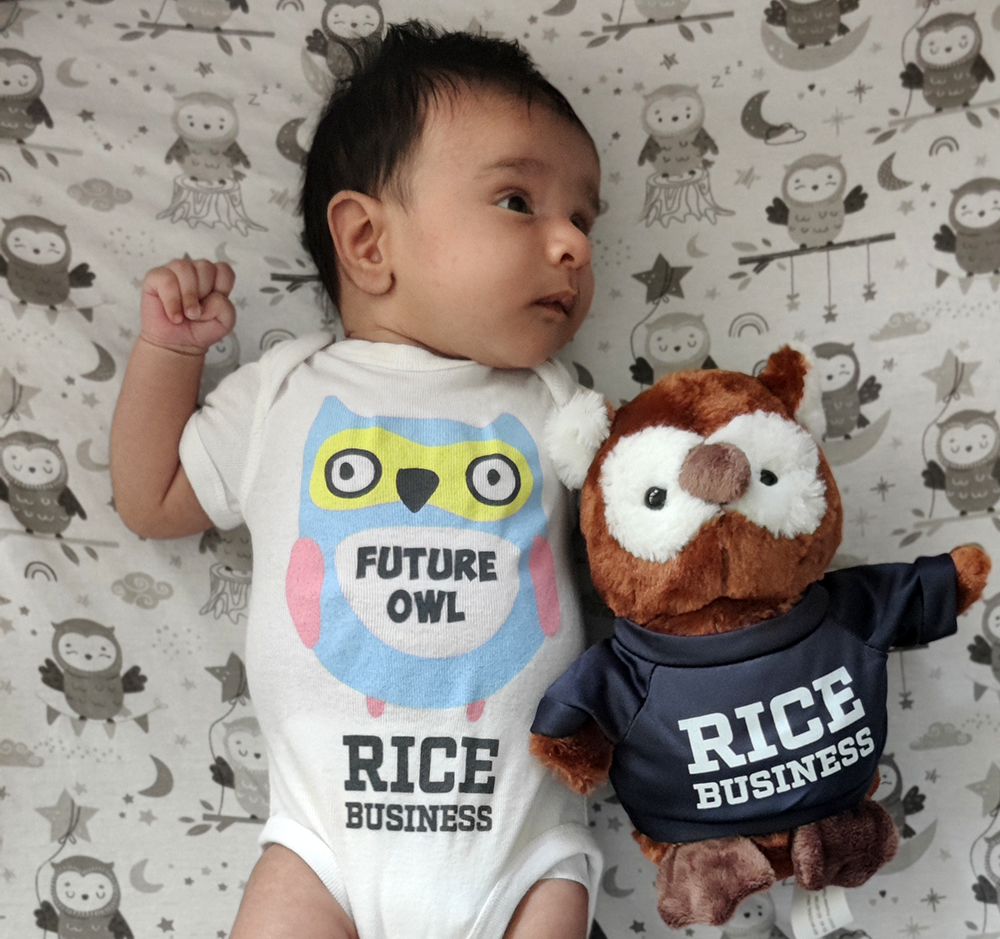
Vikram and his wife are excited to announce the birth of their son Naveen Rao, born May 29 at 10:01 a.m., weighing 6 lbs., 6 oz. and measuring 19 inches.
Nael Ashour ’14
Nael has started a new role as CFO of NINE dot ARTS in Denver, that leverages the power of original art to transform ordinary places into one-of-a-kind experiences.
Patrick Livesay ’14
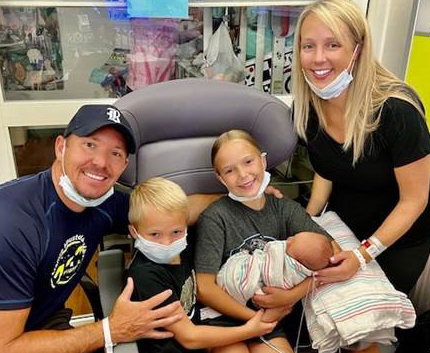
Patrick and wife Brittney welcomed Caleb Jackson Livesay to their family June 22. The older siblings (Madeleine and Cooper) are already enjoying their little brother.
Jennifer Rossi ’14
In June of this year, Jennifer’s small business, The Cause Urban Winery, had its first wine sales. By day, Jennifer works as a management consultant for Sendero Consulting. She makes and sells Texas wine as her side hustle.

Lindsay Hernandez ’16
After five years at Nalco Water, an Ecolab Company, Lindsay closed that chapter of her career and joined Westlake in May 2022.
Andy and Kristen Zagoren ’16
Andy and Kristen welcomed a daughter, Sloane Elizabeth, into the world March 13.

Kyle Scott ’17
After a career spanning education and small business ownership, Kyle has entered the public arena as a candidate for Harris County treasurer. He will be on the ballot this November.
Gregory Surabian ’17
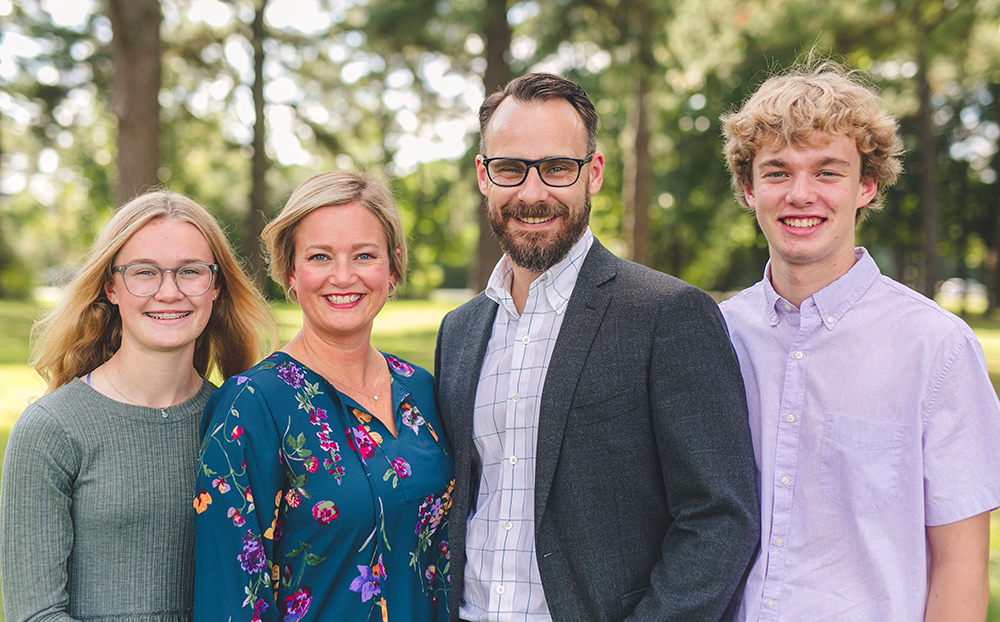
Gregory got married to the love of his life, Lily, July 3, 2022, in Los Angeles, California. They wanted to thank all the Rice Business friends who were able to attend!

Daniel Barvin ’18
Hana Joy Barvin was born on July 29, 2022. She is welcomed by her older brother, Kai. Her parents, Kaori and Daniel, are thrilled with her arrival!

Darrell Morris ’18
After acquiring Well Done Cooking Classes following graduation in 2018, Darrell will be relocating the 10-year-old company to Spring Branch!
Kirk Waltz ’18
Kirk and his wife, Tessa, welcomed their second child, Kevin Charles Waltz, to the world May 29, 2022.
Alan Becerril ’19
Gaby Orozco ’18 and Alan Becerril ‘19 were married in Mexico City May 21, 2022.
Debnil Chowdhury ’19
Owls Partners, a private capital network, celebrated its four-year anniversary since its creation by members of the Rice EMBA Class of 2019 during their second year.
Grace Grundy ’19
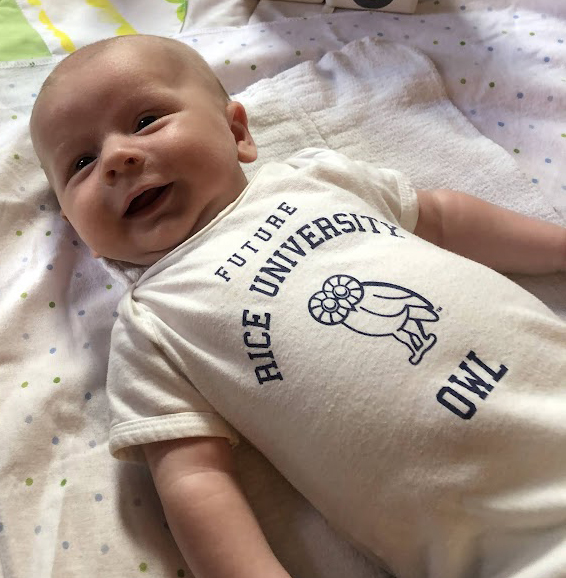
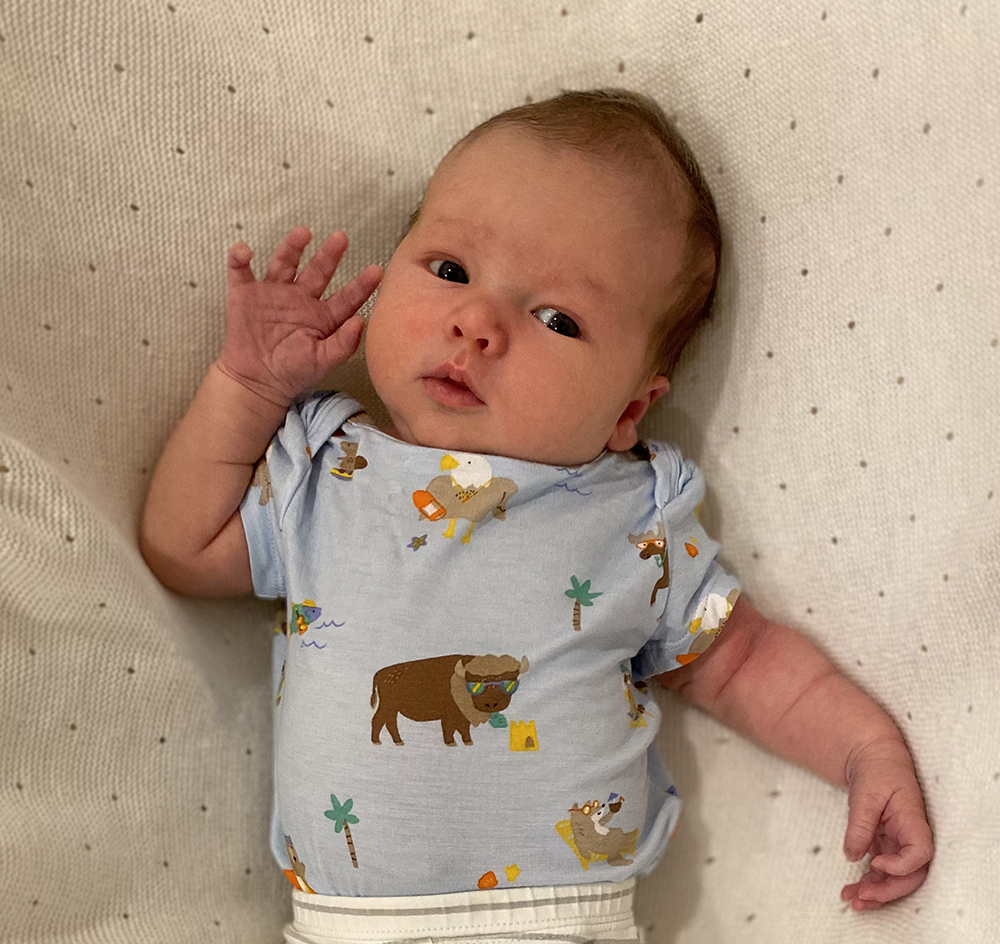
Everett Nottingham Grundy was born June 17, 2022. He is a joy to his family, and his big brother, Hobbs, couldn’t be prouder of his protege!
Paul Minor ’19
In February 2022, Paul opened Kids Garden, a Montessori and Reggio Emilia-based learning center located in West University.
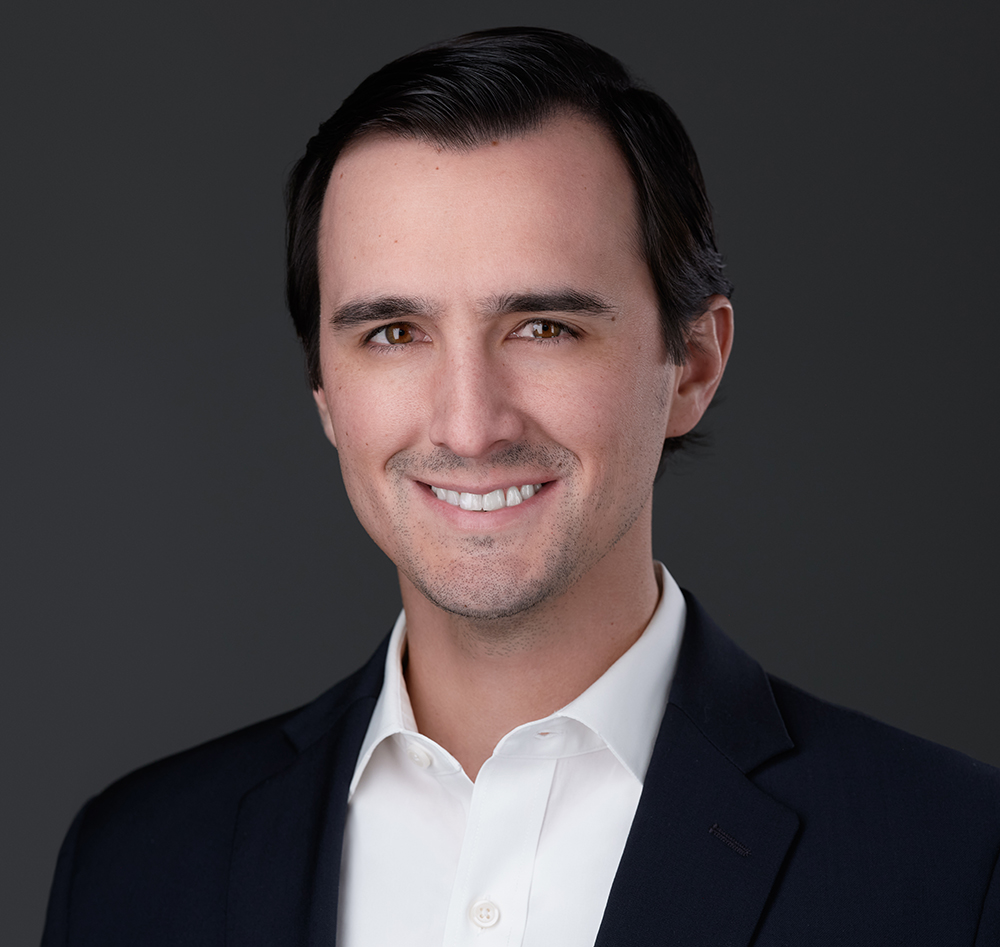
Ariel Chen ’20
Baby girl number two has arrived! She loves to see all the happy baby faces on Instagram. Ariel hopes we will have a family-style reunion soon.

Siva Madduri ’20
Siva was fortunate to travel and celebrate her little one’s first birthday in Mexico with no travel restrictions.

Patrick Ray ’20
Patrick Ray and Sophie Randolph ‘22 were married June 11 in a wedding at Sophie’s parents’ home in the Berkshires of western Massachusetts.

Nate Churchwell ’21
Nate and his wife Lauren, welcomed their first child, Emilia Catherine Churchwell on May 7, 2022.
Robert Godinez ’21
Robert will be relocating from West Texas to the Denver area for a new position. He is moving on from being a facilities engineer at Chevron to a senior project engineer at Carbon America, a small carbon capture start-up.
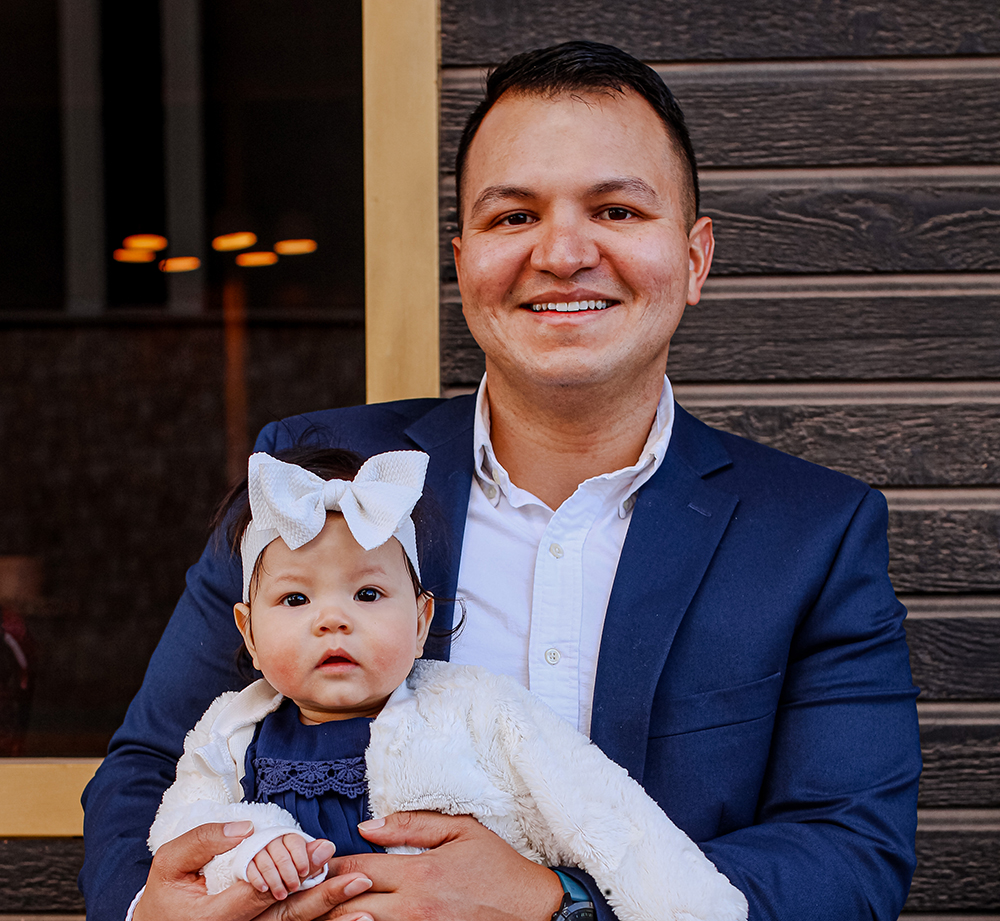
Sam Martinez ’21
Sam has successfully pivoted from a corporate senior project manager with Chevron Phillips Chemical to senior management consultant with Kalypso.
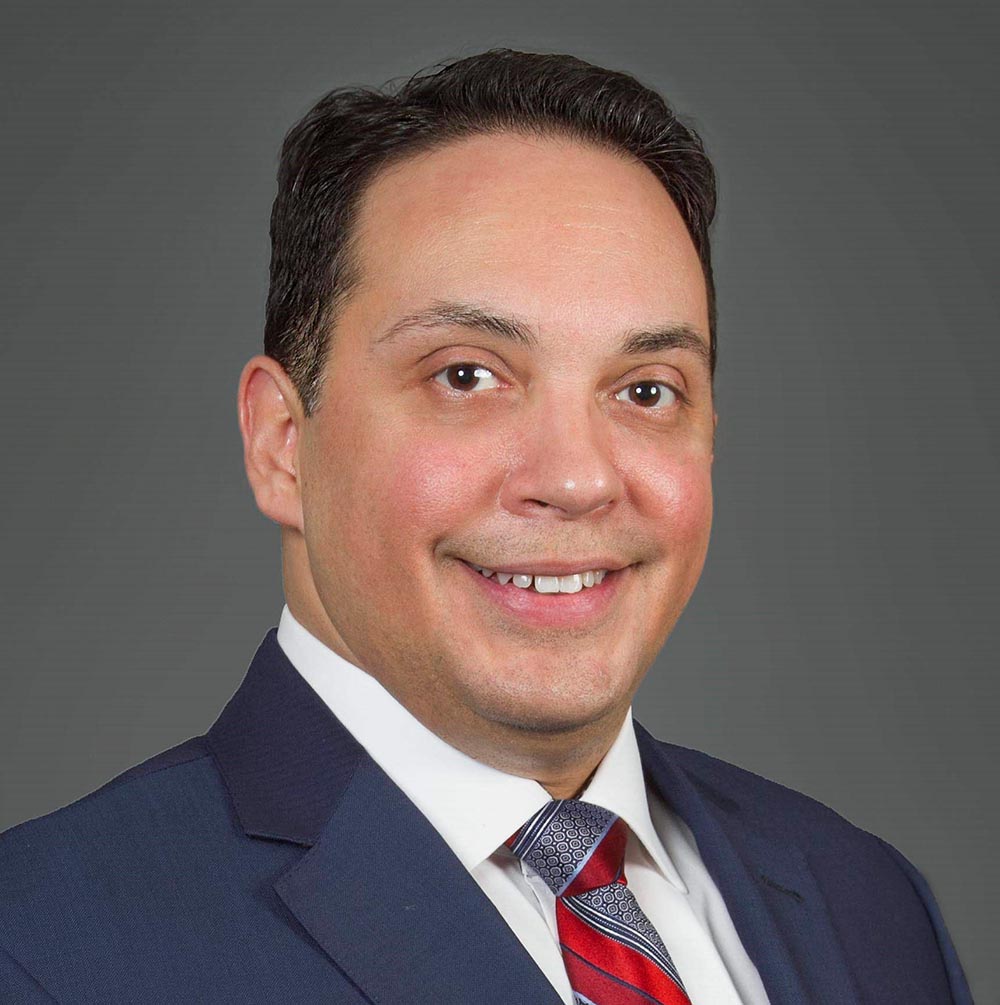
Ryan Newcomb ’21
Ryan recently joined North Highland Consulting as director of new business growth in the Energy & Utilities practice for the U.S. He is currently operating out of the Houston office.
Tony Topcu ’21
Tony and Aisha welcomed their first baby girl, Ada Eliz, into the world June 17.

Julia Vollmer ’21
Julia Vollmer and her husband, Justin, welcomed their first child, Charlotte Erin, in the summer of 2022.
Brett Harmeling ’22
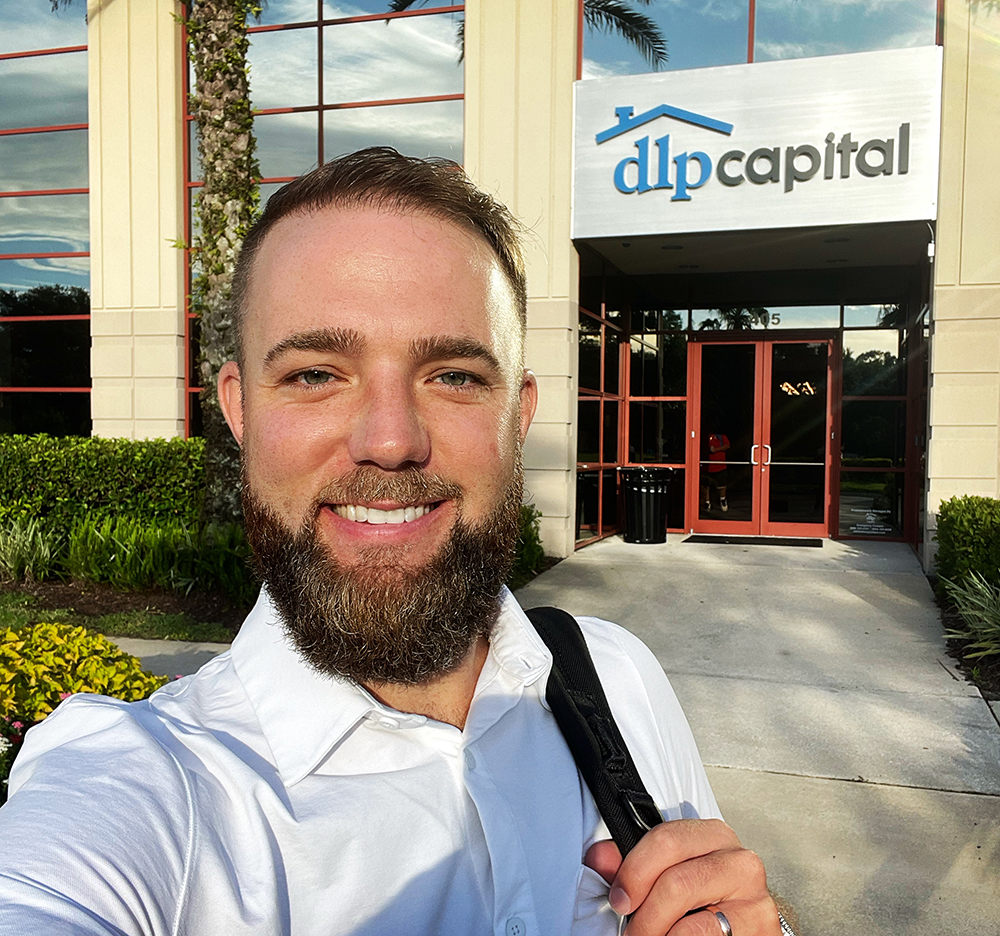
Brett joined DLP Capital as the director of elite relationships. This is a powerful collaboration where doing good and making a positive impact in the world intersect.
Kelly Lavergne ’22
Kelly (McGrath) Lavergne, FTMBA, married Alex Lavergne, ’21 PMBA, June 25, 2022 in Cape Cod, Massachusetts.
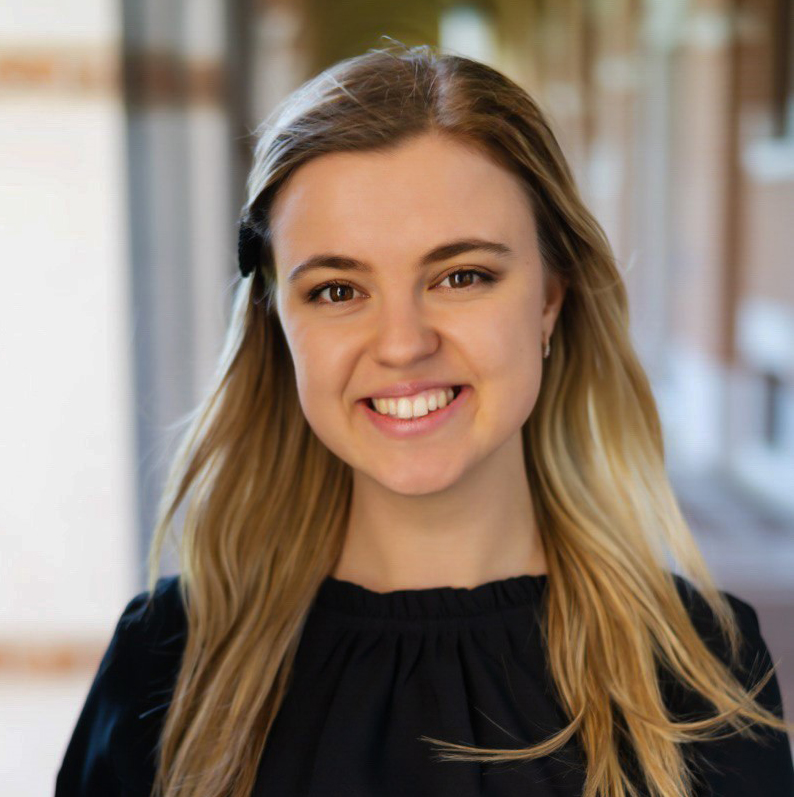
Sophie Lin ’22
Sophie moved out of Houston for the first time to start her medical residency at Emory! Sophie also got engaged to her boyfriend, whom she met in medical school at Baylor College of Medicine.

Anna Mihova ’22
Anna is Ukrainian, and her parents and brother still live in Ukraine. She is grateful for the support and accommodations she received during her last semester at Rice. It’s been a few months since she started her career as a OneFinance Rotational Business Analyst at LyondellBasell. She said it’s incredible how much knowledge she learned in the Master of Accounting program and is using at her job. Furthermore, she said graduation from multiple Doerr Institute for New Leaders programs taught her invaluable skills that are helping in her personal and professional life. Anna has signed up to be a mentor for a few students and is excited for their new journeys at Rice.
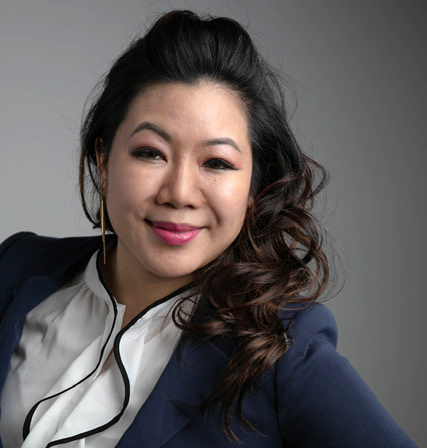
Caroline Yuki ’22
Caroline launched a real estate passive income site boldmillionaire.com. In addition, she teamed up with Justin Sheu ‘22 and David Liu ‘20 to build a commercial real estate investment team.
"The first year of the program has been transformational."
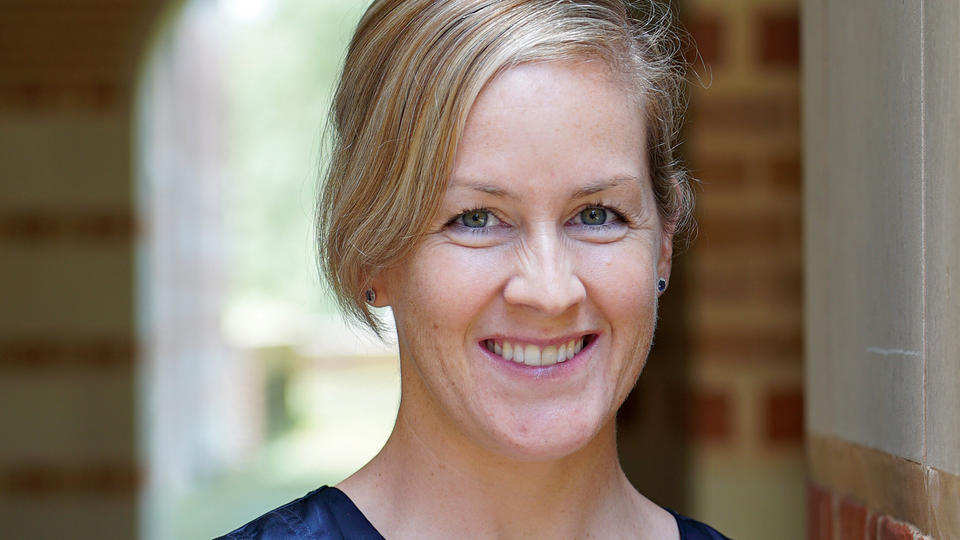
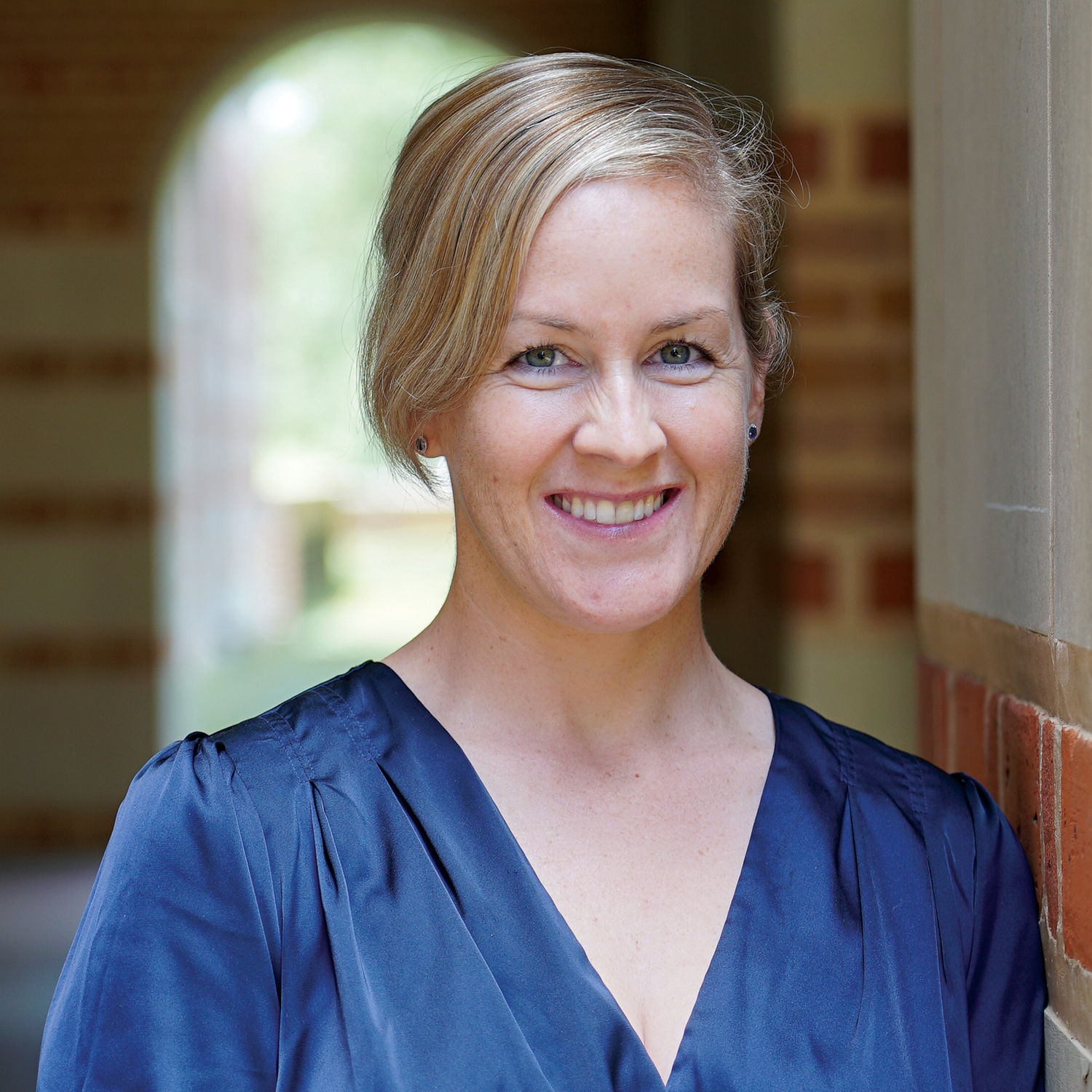 Krissy White '23 Executive MBA
"The first year of the program has been transformational. The impostor syndrome that plagued me throughout my career is replaced by a humble confidence. Going through this challenging time has illustrated to me that my strengths are unique, valuable and sought after in the world. This realization has empowered me to be a more self-assured, patient and empathetic wife, mother, daughter and businessperson."
After eight years in roles within The Ritz-Carlton and Jumeirah International Hotel Group in Dubai, White took herself off “the GM track” and moved back to Houston to pursue more fulfilling goals. In the five years after, she and her husband, Otto Sanchez, welcomed two children and opened Magnol French Baking. Magnol gained national attention from publications such as Food & Wine Magazine. At the same time, White ascended to director of operations at LegalEASE, a voluntary HR benefit company that matches members with local attorneys. To maximize the potential of the bakery, and add value to LegalEASE, she decided to get a formal entrepreneurship education and was thrilled to learn that the best Executive MBA program was in her backyard.
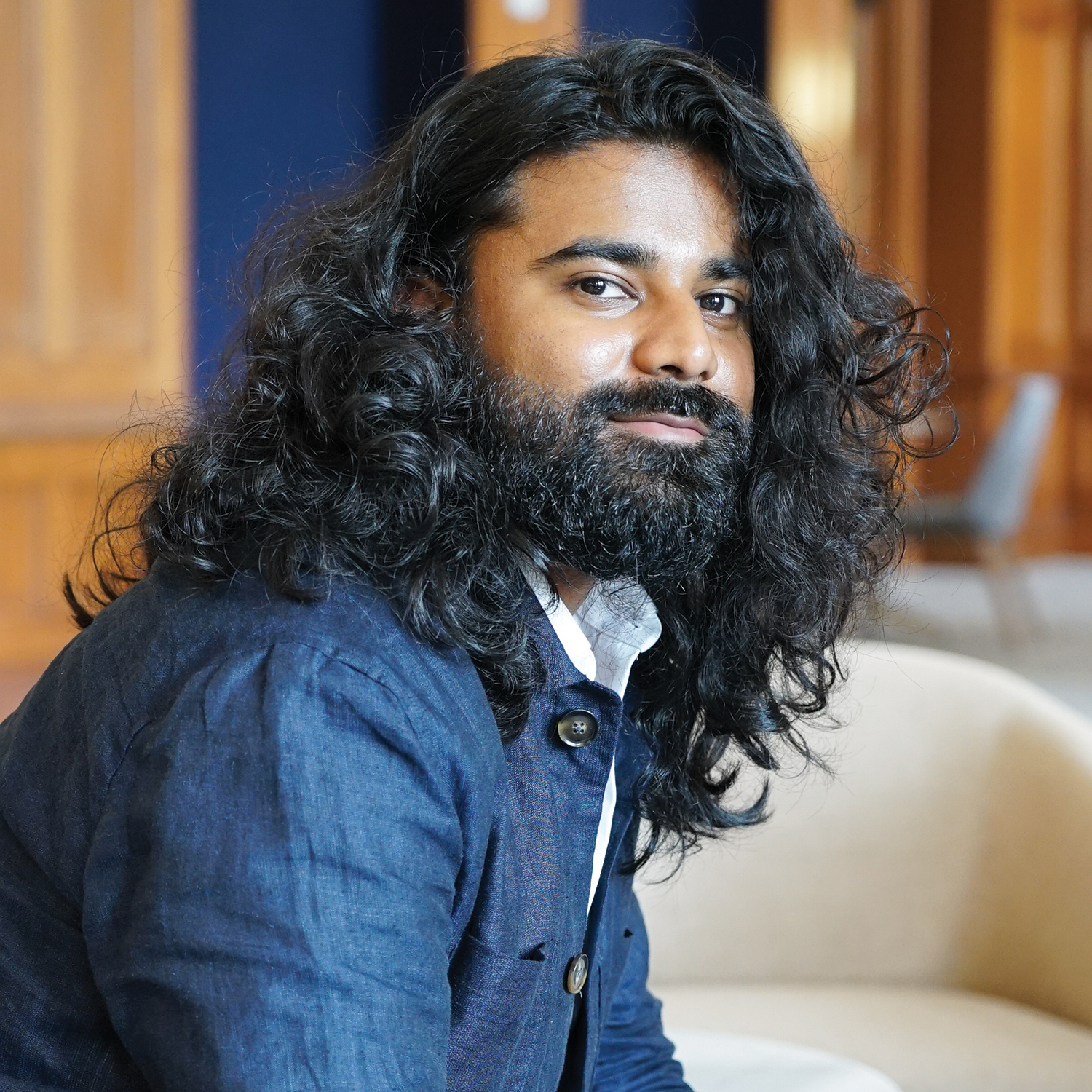 Aquib Yacoob '24 Full-Time MBA
"I’m coming to Rice to (un)learn, skill up and build community to help meet the urgent and growing global demand for change. The past few years have demonstrated the need for a stronger social impact sector. I’m coming to Rice to better understand the financial systems that shape social impact work — from the inside. We need to reimagine and build a sustainable model of social change work: one where our communities can neutralize threats and meet urgent needs while driving the structural changes required to uproot inequity."
Yacoob is a community organizer, strategist and “fixer,” utilizing the arts and culture as vehicles to reclaim power in communities oppressed by difference. He has developed human rights campaigns, trained organizers with Amnesty International, joined the Women’s March and helped lead a gun violence solution to the White House. Yacoob says the nonprofit model alone cannot create the structural, root-level changes communities need and founded a social impact consulting firm, The BROWNMANRUNNING Agency. He is also the director of special projects at Women’s March.
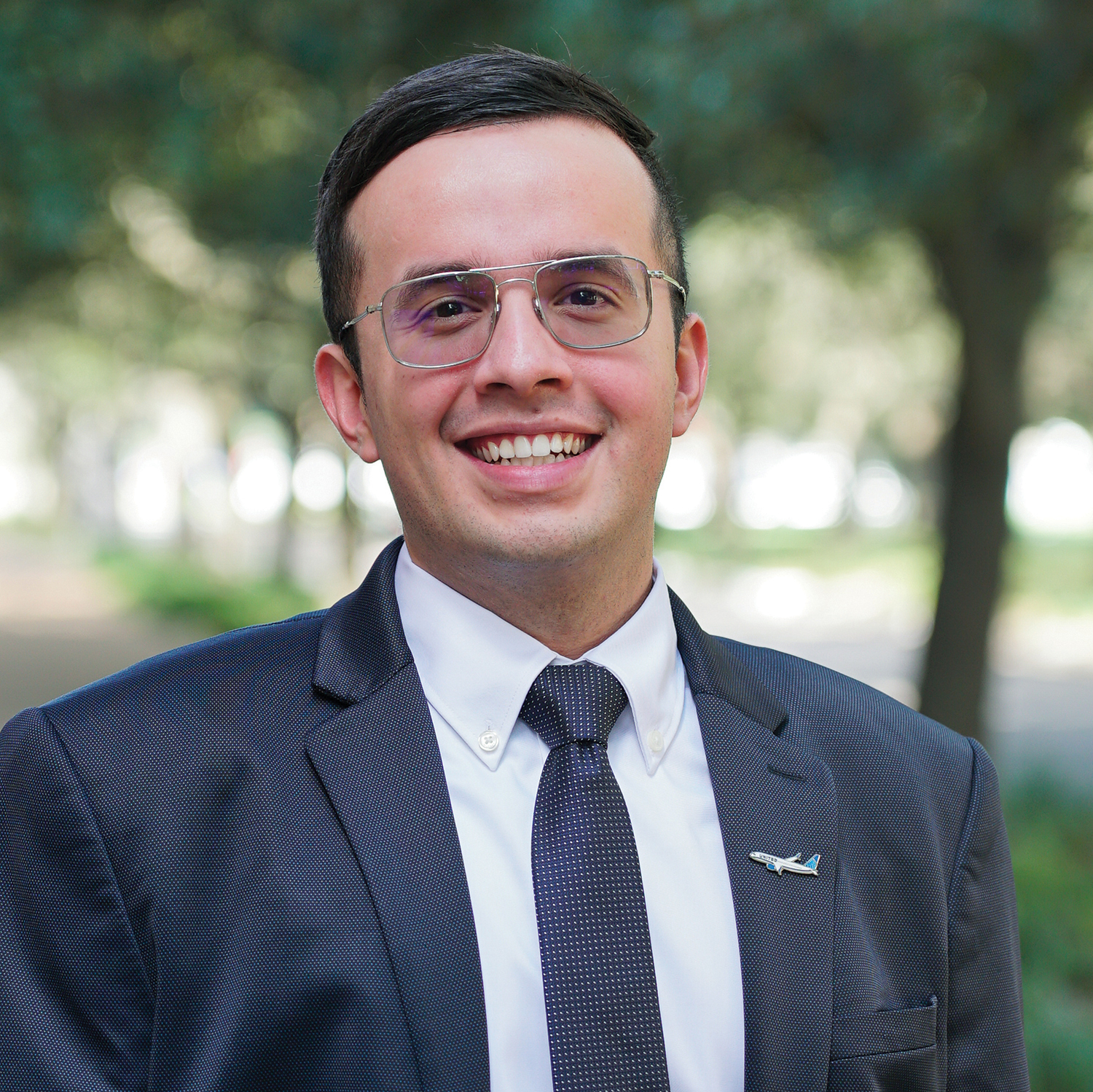 Liam Morris '23 MBA@Rice
"The pandemic changed the way we work. While the airline industry is back stronger than ever, we had to rethink the way we approach everything. Rice Business provides an education that fosters the mindset of approaching each challenge with innovative and out-of-the box thinking. Working as an operations leader, my schedule can be rough. MBA@Rice provides the highest quality education, the flexibility to work with my schedule and the resources to succeed. The best part is that I literally can apply the thoughts and knowledge shared by my professor and peers at the office the morning after class."
Morris’ career started while he was attending the University of Texas at El Paso and working at the local airport for different airlines. At the end of his sophomore year, he was selected for an internship as an analyst with United Airlines in New Jersey and ultimately earned a full-time role as an operational supervisor. He then transferred to Rutgers University, where he graduated summa cum laude with a bachelor’s degree in Business Administration. In January 2022, he was promoted to assistant manager of airport operations customer service in Houston, where he helps to oversee one of United’s largest hubs.
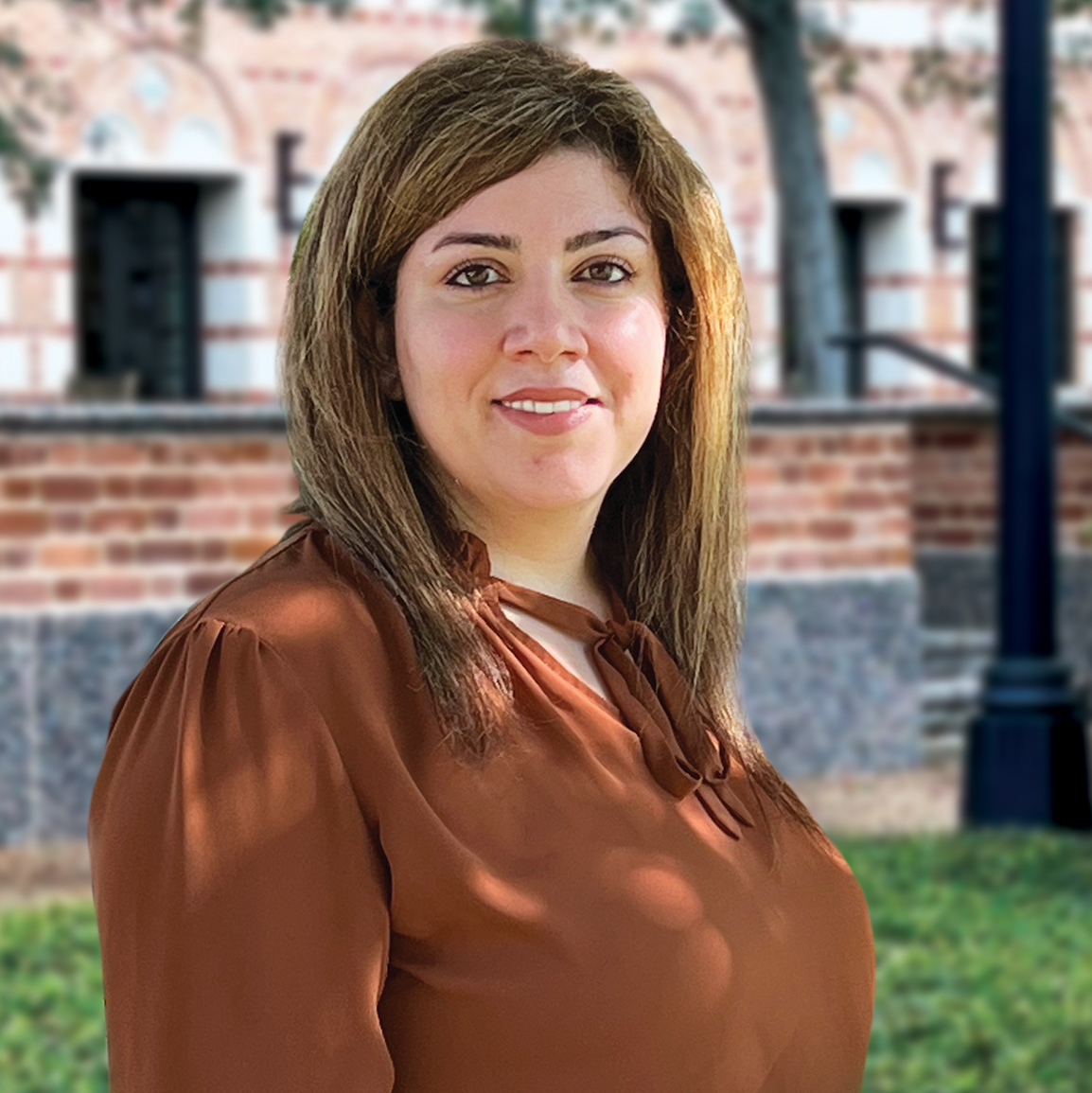 Sara Moghaddam '23 MBA@Rice
"As the pandemic disrupted the way we live, work and conduct business, I saw leaders scrambling to manage the fallout. This was a wake-up call, and I saw the need to get more training with a more comprehensive understanding of business strategy and operations, to have better vision to take calculated risks, to learn how to deal with uncertainty, and to be more effective in leading and resolving organizational problems. I chose to join the MBA program to build these competencies, and it has been an exciting journey so far."
As a Ph.D. in chemistry with years of experience in conducting research in academia and industry, Moghaddam has developed the skills to channel her expertise to make a difference. Being more involved in strategic decision-making processes, she learned that there is a gap in her knowledge of translating technology to successful business outcomes. The MBA@Rice program was the best way to accelerate her understanding of critical business skills.
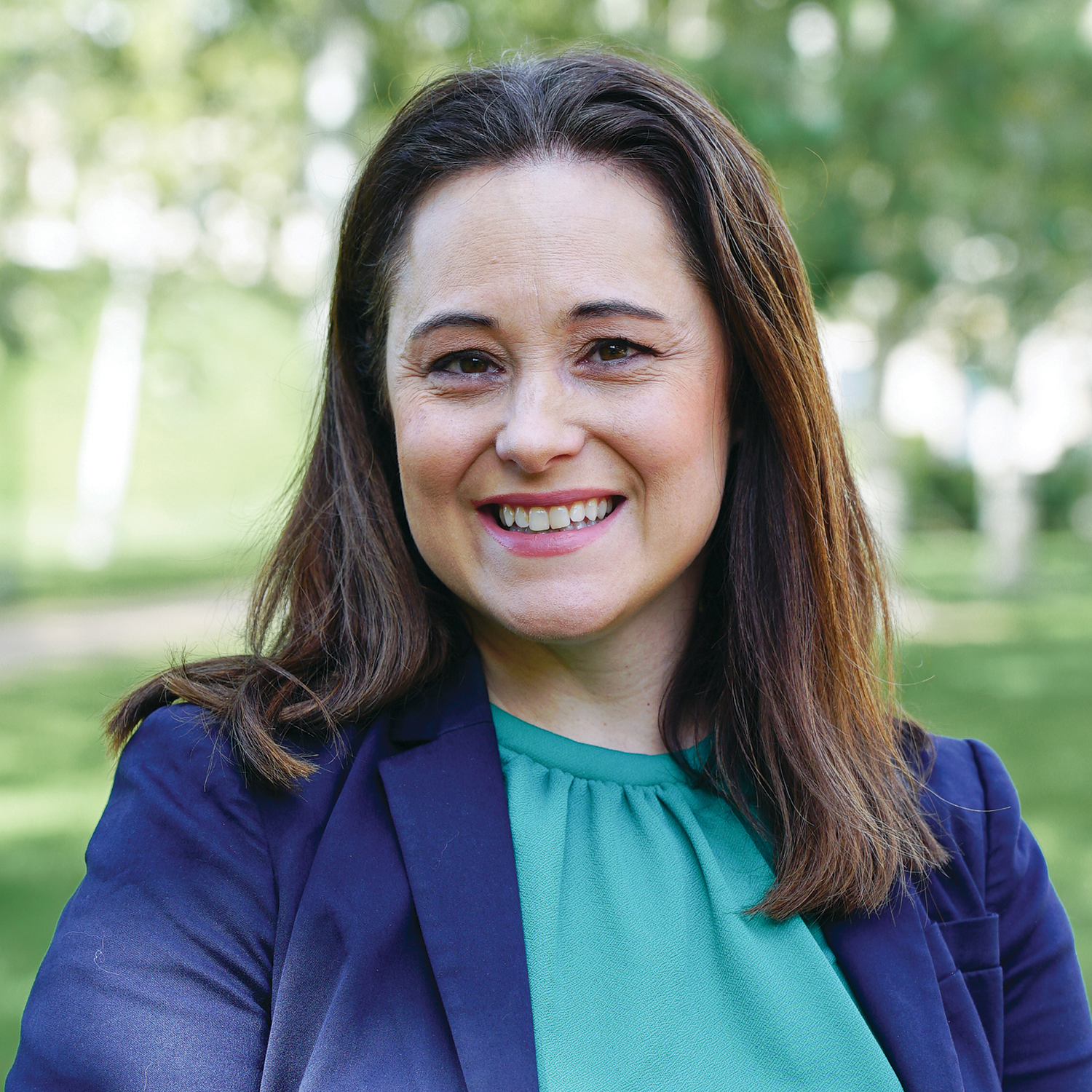 Jennifer Rogers '24 Executive MBA
"My purpose in life is to be an unrelenting advocate for the potential that exists in others, and I am focused on emerging technology and innovation as a “people accelerator” in an age of disruption and exponential change. I’m honored to be a part of the Rice ecosystem because it provides me with an amazing network of talented and passionate individuals all working in service of humanity to transform the world around us. I cherish the family-oriented aspect of the Rice community and the opportunities that it provides to support and grow alongside one another as we explore and expand our horizons far beyond our current reach."
Rogers is an experienced learning and talent development executive with a demonstrated history of strategic workforce transformation and capability development. She specializes in workforce optimization and acceleration utilizing a unique combination of emerging technologies and data analytics and has led large strategic initiatives in several complex global organizations and industries, including oil and gas, mining, aviation and financial services. Rogers is VP of learning and development at RPM Living, a rapid-growth-stage real estate firm.
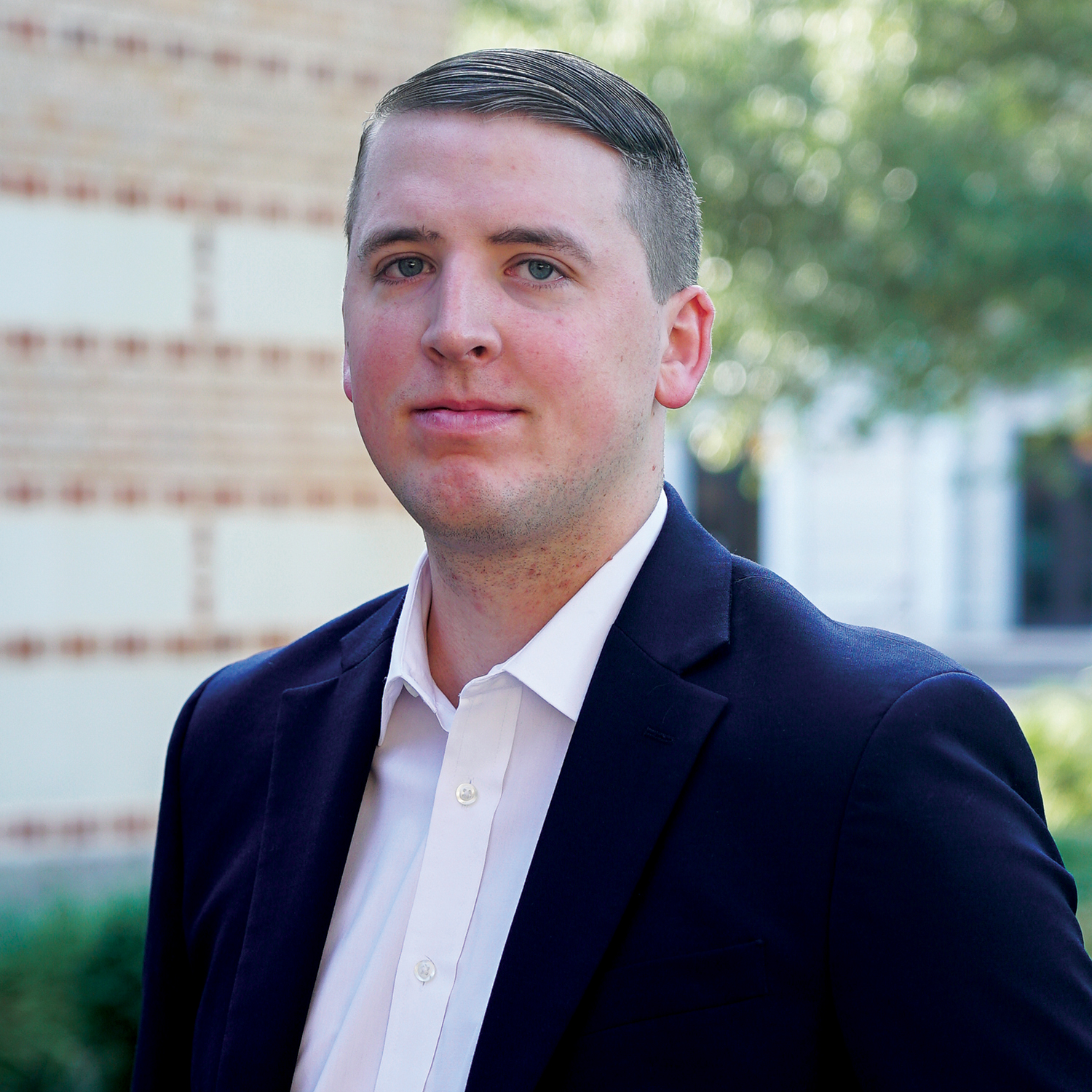 CJ Holderread '23 Full-Time MBA
"Given the changes taking place around the world, there is a need for everyone to adjust to new roles. Rice Business has helped me navigate this dynamic landscape by equipping me with the skills to tackle modern business challenges. There have also been opportunities to apply these skills to real-world scenarios. I traveled to Portugal to participate in the Global Field Experience program and worked with a local fintech company, advising them on a strategy to expand to North America. The project required my team to adapt to an unfamiliar business context and prepared us to become future business leaders."
Holderread is from Kingwood and earned his B.B.A. in energy commerce from Texas Tech University. He holds leadership positions in the Rice Energy Finance Summit Committee and Finance Association. Before Rice Business, Holderread worked for Equinor as a land representative, partnering with landowners and regulatory agencies to secure the right to explore for and develop minerals and other energy sources. He aspires to leverage his experience to begin a career in investment banking.

Alumni are at the forefront of a new wave of health care innovation.
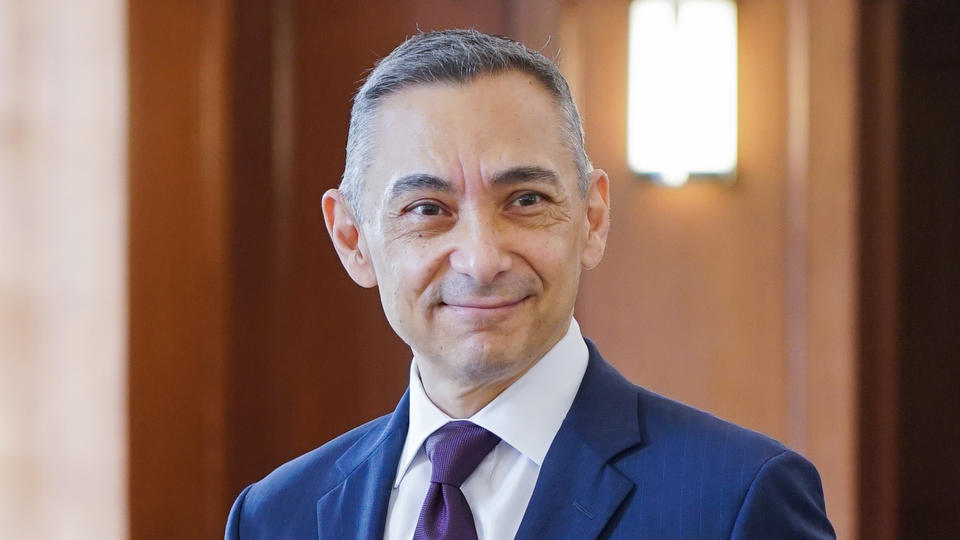
Rice Business is listed at number 19 on the Fortune Best MBA Programs in 2022.
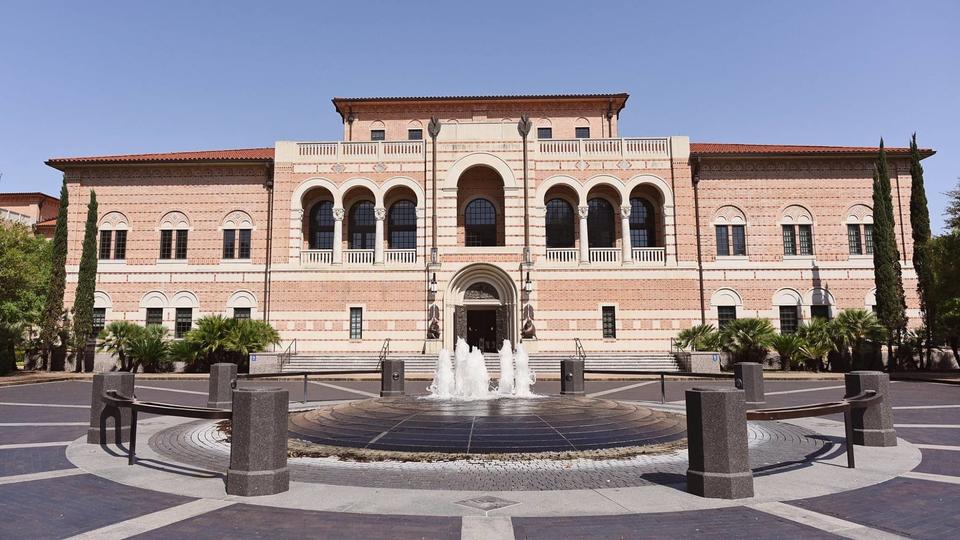
A sabbatical is more than a change of scenery. It’s an opportunity to think deeply and consider new perspectives — and it’s a vital part of the Rice Business academic mission.


A sabbatical is more than a change of scenery. It’s an opportunity to think deeply and consider new perspectives — and it’s a vital part of the Rice Business academic mission.
Anastasiya Zavyalova’s plans for a sabbatical semester abroad were supposed to begin with some holiday visits. Before starting her sabbatical at the University of Oxford, the associate professor of strategic management would first spend some time in England and then visit her family in Kazakhstan for a New Year’s celebration.
Geopolitical events had other ideas in mind, though. The new year brought a wave of unrest across Kazakhstan, with citizens dissatisfied with government corruption and economic inequality. “I landed in Istanbul for a layover and learned that all the flights to my home country were canceled indefinitely,” Zavyalova says. “I was stranded for 10 days before returning to England. That’s how my sabbatical started.”
When she finally did make it to Oxford, Zavyalova found that current events had caught up with her own research on organizational stigmatization, which examines how organizations respond when outside groups attempt to discredit or negatively judge them. During the previous months, she had been interviewing representatives from nongovernmental organizations that had been cast in a negative light because of Russia’s 2012 “foreign agents” law.
On paper, the law requires any NGO that receives support from outside Russia and engages in political activity to register as a “foreign agent.” In reality, it threatens NGOs, media organizations and private citizens who are critical of the Russian government with both social stigma and legal consequences. The phrase “foreign agent” carries insinuations of espionage that date back to the early decades of the Soviet Union, while the law opens organizations up to financial audits, government scrutiny and even criminal proceedings. Human rights advocates have branded the law as one of many ways the Russian government suppresses dissent and restricts freedom of speech.
As the Russian military gathered at the border with Ukraine in early 2022 and war between the two countries seemed likely, Zavyalova was surprised to see how “unbelievably timely” her research had become.
“I was coding the interviews and relistening to them,” she says. “I’d listen to a couple interviews each day and work on translations. And I was shocked at how much insight those people had about the potential future of Russia.”
She attributes her own insights on the project to being abroad while on sabbatical. Sabbaticals are a time-honored tradition, allowing professors the opportunity to step away from their usual duties in their classrooms and departments and instead focus on their own research interests. But going abroad adds layers to that experience — something that Zavyalova and fellow Rice Business professor Douglas Schuler discovered firsthand earlier this year.
“When you’re on sabbatical in a different country, it’s just you and your thoughts and your research. Being away physically can free up your mind,” Zavyalova says.
Harvard University established the first formal sabbatical leave system in 1880, and other institutions quickly adopted similar programs. Giving professors dedicated time to leave campus in pursuit of new ideas and perspectives was seen not so much as a perk for faculty but as something vital to each institution.
“(Sabbatical) is not merely national, it is international; contact with other institutions, with specialists of other countries, with methods of acquiring and imparting knowledge in vogue elsewhere … is for the real University teacher an intellectual and practical necessity,” Columbia University’s trustees wrote in a 1907 report.
It’s an idea that Rice Business Dean Peter Rodriguez believes is still vital.
“I always tell people, ‘Your job is really to think hard while you’re on sabbatical,’” he says. “The work of good research that we think of academics doing — deep contemplation, new ideas, trying to break through with something that hasn’t been done before — requires a concentrated period of time to focus on that part of the academic mission.”
Having a change of scenery helps. Doug Schuler, a professor of business and public policy, traded springtime on the Gulf Coast for the hills of the Rhine River Valley in Germany during his sabbatical at the University of Mannheim. Schuler’s host was Laura Marie Edinger-Schons, the chair of sustainable business at the university. The roots of Schuler’s sabbatical stretch back to 2021, when one of Edinger-Schons’s doctoral students stayed with Schuler while working on a project on corporate activism.
In Germany, academic researchers work closely with private businesses to create and measure sustainability goals, Schuler says. “I’ve never worked closely with companies on that area, and that was something I had hoped to take advantage of in Germany. The European Union is ahead of the U.S. in many of those aspects, and the University of Mannheim was a great place to learn more about it.”
The university’s business department is housed in the Schloss, the German word for a castle, though only a handful of faculty and students were in the building during much of Schuler’s sabbatical because of the COVID-19 pandemic. The Russian invasion of Ukraine also changed the direction of Schuler’s sabbatical. While in Germany, he and Edinger-Schons collaborated on an article for The Conversation about how and why international companies like Apple and IKEA severed ties with Russia as the war began.
“We had been thinking about how corporations respond to political and social crises, and here was a major one unfolding during my sabbatical,” Schuler says. Their collaboration revealed key differences of perspective between him and Edinger-Schons. While she viewed the corporate response to Russian aggression as both socially responsible and working in tandem with official government sanctions, Schuler saw the opposite: a slow, tepid response from governments that forced corporations to take the lead.
Since returning to Houston, Schuler is reconsidering his ideas about the relationship between scholars and corporations. “Laura and her doctoral students really see that engaging businesses directly on sustainability issues creates the biggest bang for their buck,” he says. “And with that, corporations can potentially change behaviors in order to make things better. Before, I’d sit more on the sidelines … but I think there’s much more to engaged research with these companies, where you’re a researcher but also an advocate.”
The change in environment helped Schuler wrestle with those ideas. “You’re in this new element, and even daily life, it’s kind of an adventure. It gets you ready to sit down and do your work,” he says.
Professors aren’t the only ones at Rice Business who take their scholarship overseas. Study-abroad experiences have been a part of the school’s MBA curriculum for almost five years.
Each year, students participate in a Global Field Experience, visiting other countries, tackling research projects with foreign firms and working on teams with other international students. “The goal is to understand what I call the boundary conditions of knowledge: How do someone’s usual ways of operating succeed in a different environment?” Rodriguez says. “And we know that there is nothing quite as effective as immersing yourself in that new environment.”
It’s something Rodriguez experienced firsthand during a sabbatical in Mexico years ago. Teaching an economics course in another language to a group of students with vastly different perspectives on growth, income and jobs was “productively uncomfortable,” he recalls.
“I saw that I was framing ideas and bringing language to these conversations that wasn’t as useful there as back home,” he says. Those ideas still resonate. Rodriguez traveled to Paris for the grand opening of the Rice University Paris Center in late June. A hub for student programs, independent researchers and international conferences, the center will serve as a satellite location for Rice researchers to work with European partners.
“There’s a different social contract in Europe about work and organizations, and it impacts how people lead and develop organizational strategies. You see your own cultural context better when you can look at it from a different perspective,” he says.
Zavyalova’s sabbatical at Oxford provided space for deep focus on her research into organizational stigmatization in Russia. She conducted a handful of final interviews for her project as the conflict between Russia and Ukraine escalated. “The questions people asked me changed, the tone of the interviews changed — people began to be very afraid of the repercussions they could face for speaking out,” she says. In February, she submitted a draft of the research paper to the Strategic Management Society for the organization’s upcoming conference in London.
“The sabbatical helped push that paper forward,” she says.
The experience also encapsulated the new reality of international scholarship in a post-pandemic world. Zavyalova used Zoom and messaging apps to talk with sources in Russia only to find herself using those same technologies to attend meetings at Oxford because of pandemic restrictions. She felt connected to both the Oxford and Rice communities, all while pursuing research with an international scope.
“I learned from this sabbatical that it doesn’t matter where you are physically,” she says. “I continued to work on my projects and work with Rice committees, and I always felt like I was a Rice professor. Being physically away from Rice wasn’t an obstacle.”
Zavyalova’s plans for a family visit also eventually came to fruition. Though she didn’t make it to Kazakhstan, her mother and sister joined her in England for a long-awaited reunion. “We finally met halfway,” she says.
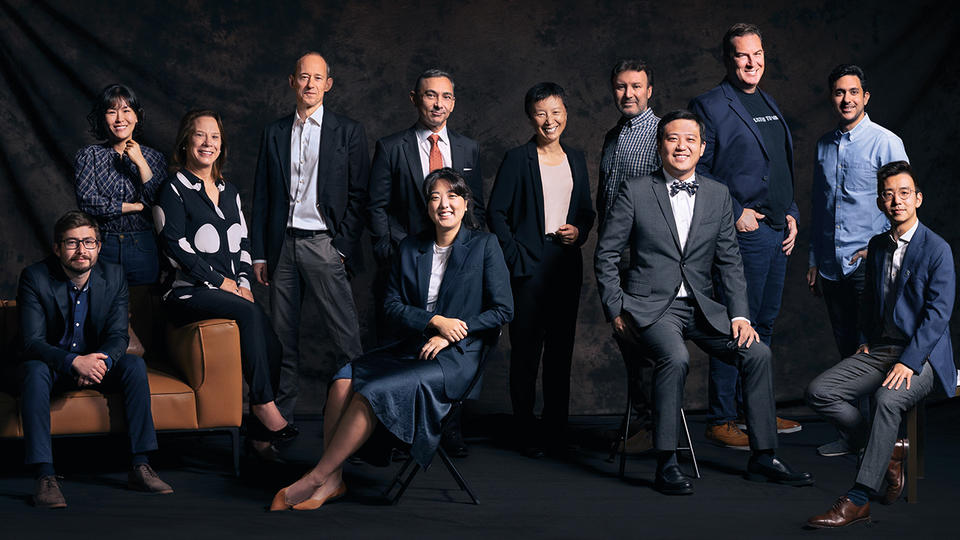

Corporate America is increasingly taking a stand on hot-button issues. Why not this one?
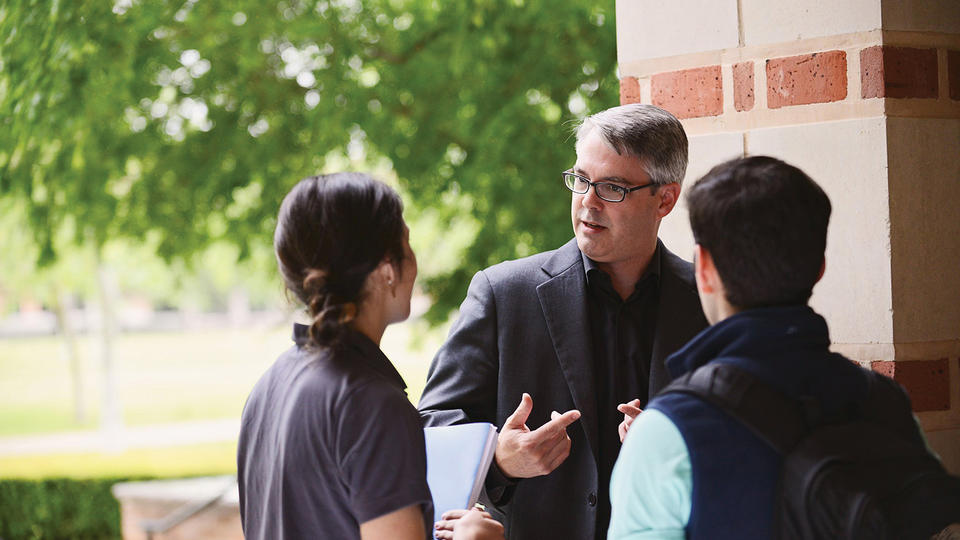
Alumni are at the forefront of a new wave of health care innovation.

Rice Business alumni are confronting stigmas, spreading awareness and empowering women to take charge of their health.
The story of modern medicine is often a story of women being relegated to the sidelines. In a system that assumes a male patient as the default, women’s health providers and issues have historically been overlooked, underfunded and stigmatized. This disparity has shaped market forces in a powerful way. Even though women account for 80% of consumer purchasing decisions, according to a Boston Consulting Group study, generations of women have struggled to identify products and services that are designed with their needs in mind.
That trend is changing. In the past decade, a growing number of “FemTech” startups have emerged to offer innovative products, services, research and therapeutic treatments related to contraception, fertility, pelvic and sexual health, maternal health, oncology and overall wellness. Nonprofit organizations have also stepped up to fill in the gaps.
Rice Business alumni are at the forefront of this new wave of innovation, writing a new chapter in health care that draws women off the sidelines and places them front and center.
Building a Movement
For Runsi Sen ’04, personal tragedy ignited a global effort. In 2009, she lost her mother to ovarian cancer only 11 months after diagnosis. Several years later, she founded Ovarcome, a Houston-based ovarian cancer foundation that raises global awareness, funds research in search of a cure and provides financial assistance to ovarian cancer patients across the globe.
Every year, approximately 300,000 women worldwide are diagnosed with ovarian cancer. More than half ultimately succumb to the disease. Those who are fortunate enough to catch it in Stages 1 or 2 have more than a 90% survival rate over five years, but catching it in time is easier said than done. With few screening or early detection options available, early prevention hinges on recognizing vague, nonspecific symptoms as pieces of the same puzzle.
“For decades, people have been calling ovarian cancer a silent disease,” Sen says. “This is a misconception we are working hard to eradicate. It is not silent.”
One of Ovarcome’s greatest achievements is to popularize the acronym “BEACH” to refer to the primary symptoms of ovarian cancer: bloating, early satiety, abdominal/pelvic pain, changes in bowel/bladder habits and heightened fatigue.
Ovarcome has spread the word about early warning signs to more than 2 million followers on social media and thousands more who attend global seminars and events. Reflecting on the impact of Ovarcome, Sen remembers speaking to someone who had shared BEACH with a cousin who was experiencing symptoms. Not long after, her cousin was diagnosed with Stage 1 ovarian cancer. Sen can recall dozens of similar stories.
But raising awareness doesn’t end at prevention, she notes. It also involves making patients aware of ongoing clinical trials, connecting them to holistic medical programs that improve survival rates, and facilitating genetic testing. “Our goal is nothing less than to disrupt the status quo by shifting patterns of thinking and helping patients advocate for themselves,” she says.
Changing the Game
Alongside the rise of trailblazing startups and nonprofits that are geared toward women’s health, there is also a growing emphasis on general health issues that disproportionately affect women.
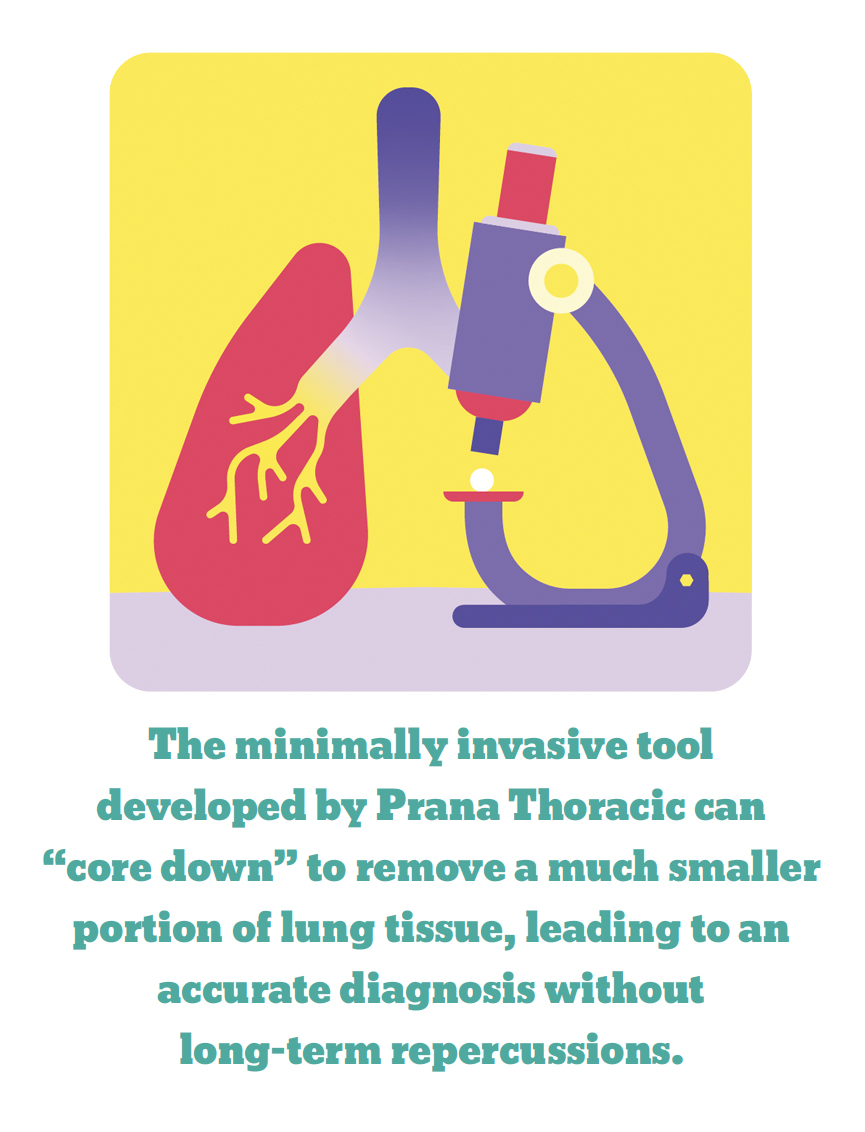
Joanna Nathan ’19 is preparing to launch a company called Prana Thoracic, which has developed a new surgical tool to diagnose and intervene in lung cancer. When a CT scan spots a suspicious pulmonary nodule, it’s challenging to diagnose without surgery. The smaller the nodule, the more difficult it is to excise and diagnose — like “trying to find a pea in a loaf of bread,” Nathan explains.
In the best-case scenario, a needle can remove enough of it to reach a diagnosis. Often, though, physicians remove the entire wedge of the lung where the nodule is located. While this surgery can save lives, it permanently impairs lung function. The minimally invasive tool developed by Prana Thoracic can “core down” to remove a much smaller portion of lung tissue, leading to an accurate diagnosis without long-term repercussions.
Prana Thoracic’s technology will benefit women in particular, says Nathan. Lung cancer remains the primary cause of cancer in women: more than ovarian, uterine and breast cancer combined. But the original criteria developed for lung cancer screening left women vulnerable. Women are younger than men, on average, when they develop lung cancer, so the recommended screening age of 55 left more women at risk. These guidelines shifted last year, lowering the age to 50 and significantly expanding the population eligible for CT scan screening.
Currently, Nathan is raising a new round of funding to prove the efficacy of its product in human studies. While there is still ground left to cover, Nathan is encouraged by the surge of public and private funding directed toward women’s health. “Over the past decade of working in the health care startup space, I have seen more and more founders and investors who have decided to make women’s health a priority,” she says. In the next decade, she expects to see a slew of new health care technologies and products that address historic gaps and inequities. “It will be exciting to see these innovations come to market and change the game for women’s health. Times are finally changing.”
Empowering Mothers
The status quo is already shifting when it comes to health issues men don’t experience — issues like menstruation, menopause, and of course, pregnancy. Pedro Silva ’12 and Abbey Donnell ’17 both founded companies to serve nursing mothers: a massive share of the population whose needs have historically been overlooked.
In 2019, Silva and his wife, Berkley Luck, co-founded the breast milk freeze-drying company Milkify. Luck came up with the concept for Milkify when a colleague struggled to pump and store breast milk after returning to work from maternity leave. She realized breastfeeding was something of a ticking time bomb: Nursing mothers have to pump often to maintain their supply and store their milk properly, so it doesn’t spoil. Attempting to transport frozen milk only increases the pressure.
With a Ph.D. in molecular biology, Luck was perfectly positioned to reduce the stress of nursing mothers. She realized that by freeze-drying breast milk, she could create a powdered version with the same biological features. In fact, research suggests, freeze drying breast milk preserves nutritional value even more effectively than storing it in a freezer.
Silva and Luck discovered a milk bank overseas that had been freeze-drying breast milk for decades to donate to mothers who need it. By adapting the milk bank’s process and augmenting it with new technology, they created a way for nursing mothers to store breast milk for up to three years with no refrigeration. Their greatest concern was contamination, as infant nutrition leaves no room for error. With safety in mind, they developed a unique process for freeze-drying breast milk in individual bags, which avoids direct contact between the milk and equipment. This packaging process is FDA-compliant and has a patent pending.

From their manufacturing facility in Houston, the Milkify team has served more than 1,000 nursing moms and processed 100,000 bags of milk over the last year. While Silva and Luck have been successful in expanding their business, they’ve found that potential investors are sometimes skeptical. “Breast milk is still somewhat of a taboo topic,” Silva says. “And it’s often a topic that investors think is too niche to address, because most of them have not had discussions about the difficulties of pumping and storing breast milk. They have no idea how many families struggle with this.”
Silva also fields questions from investors wondering why a man is working to solve a problem with breast milk. “This question assumes that men can’t empathize with the women in their lives, which couldn’t be further from the truth,” he says.
A Universal Need
Abbey Donnell has found that misconceptions fuel many of the challenges of breastfeeding. “People think that because breastfeeding is natural, it comes easily,” she says. “But it’s actually quite difficult. Breastfeeding is both time intensive and tied to a specific schedule, since mothers have a physical need to pump.” Depending on the age of her child, a breastfeeding mother typically needs to pump for about 20 to 30 minutes every two to three hours. When it comes to pumping breast milk throughout the workday, the well-being of both the nursing mother and her baby is at stake.
Even though hourly breastfeeding employees are protected by the federal Fair Labor Standards Act in all 50 states, many companies have failed to extend the same protections and courtesies they do for other groups of employees. When many of Donnell’s friends and coworkers began having children, she noticed that no matter where they worked, they struggled to access adequate spaces and resources for breastfeeding. In an office with an open floor plan, she discovered, women are often forced to use conference rooms and bathrooms to pump.
Donnell set out to create what should have existed for her friends. In 2017, she launched a company called Work & Mother, which helps building managers install spaces equipped with private nursing suites for mothers to reserve. Each room contains hospital-grade pumping equipment so users can avoid lugging a separate bag to work every day. “We are helping employers take a major step toward becoming more inclusive and keeping more women in the workforce,” Donnell says.
Work & Mother has installed facilities in Houston, Austin and Dallas, with plans for corporate locations in New York and other major cities. “Our goal is to make mothers’ rooms as common as Starbucks,” Donnell says. “There is such a universal need for what we offer.”
Going Natural
When it comes to supporting women’s health, Caroline Goodner ’92 hasn’t shied away from stigma. She is the founder and CEO of OrganiCare, an Austin-based company that offers all-natural, organic products for common conditions like genital herpes, yeast infections and bacterial vaginosis. She founded the company in 2016 with one partner who has medical device experience and another who contributed technology refined in Italy: a type of oxygenated olive oil that is antibacterial, antifungal and antiviral.
This ingredient was originally used for wound care in Italy, but Goodner and her co-founders recognized its value for recurrent infections. In 2017, they made their first foray into the women’s health sphere with a product called FemiClear, developed to treat yeast infections naturally. In comparison to miconazole, the active ingredient in standard yeast infection treatments, FemiClear kills multiple yeast strains without causing antifungal resistance with frequent use.
Several years later, OrganiCare launched a version of FemiClear to treat genital herpes outbreaks. “One in five women has herpes, but there are few conditions more stigmatized,” says Goodner. While no medication can prevent herpes outbreaks, FemiClear can reduce their length and severity. It can also provide relief for bacterial vaginosis, a common condition that often produces a fishy odor.
“Doctors often address these types of conditions like they don’t really matter, but they can take a real physical and emotional toll,” says Goodner. “We’re doing what we can to help women feel more confident and get back to their fighting selves.”
Asma Ishaq ’02, the CEO of Modere, is similarly committed to offering natural products in the realm of beauty and personal care, health and wellness, and household cleaning. For the growing numbers of consumers seeking to optimize gut health, Modere has developed products like Axis™ TreBiotic to offer a pre-, pro- and post-biotic all in one. For those hoping to improve their skin’s elasticity and increase joint mobility, Modere offers Liquid BioCell®, a next-generation product that mirrors the composition of the body’s own cartilage to allow for better absorption.
With a presence in 44 countries, Modere is one of the fastest growing female-run companies in the world. As her company expands into new markets, Ishaq is looking forward to expanding its offerings as well. “We try to think about our customers’ future, not just present,” she says. “By giving them clean, safe products and tools, we help them live healthier lives in the long run.”
Listen to interviews with Caroline Goodner, Runsi Sen, Abbey Donnell and other alumni in the field of women’s health on the Rice Business podcast, “Owl Have You Know.”
How the Rice Business podcast “Owl Have You Know” earned its wings
How the Rice Business podcast “Owl Have You Know” earned its wings
Three years ago, Tim Okabayashi ’05 and Karen Crofton ’10 stood before their peers in the Rice Business Dean’s Suite, using water bottles as mock microphones. Teams of board members, including Okabayashi and Crofton, were taking turns presenting new alumni engagement ideas at the school’s summer board retreat.
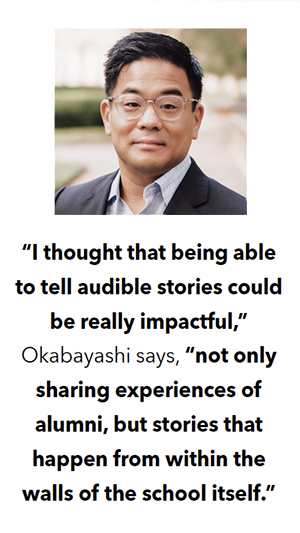
“Karen, thank you for joining me,” Okabayashi said in a booming voice. “What would you think about doing a Rice Business podcast?” The presentation captivated fellow board members. “It absolutely won everyone over,” says Okabayashi, who got the idea after hearing about another school’s successful alumni podcast. “I thought that being able to tell audible stories could be really impactful,” he says, “not only sharing experiences of alumni, but stories that happen from within the walls of the school itself.”
Okabayashi, who works as a well construction analyst at Schlumberger, saw a Rice Business podcast as a mesh of NPR’s “How I Built This” and the podcast produced by the nonprofit StoryCorps. Over the next six months, he and Crofton, who teaches entrepreneurship at the University of Colorado, helped brainstorm podcast names — including “Who Gives a Hoot,” “Disruptor” and “Nest Cast” — sourced guests, and worked with consultants to figure out technology needs and recording and distribution logistics. Ultimately, the Rice Business podcast, “Owl Have You Know,” was born.
COVID could have disrupted its launch. But instead, the pandemic allowed the board to broaden the podcast’s geographical reach. Rather than broadcast from campus, the podcast’s first volunteer hosts — Christine Dobbyn, ’20, a former TV news broadcaster and now communications consultant, and David Droogleever ’12, who served as a U.S. Navy nuclear submarine officer and now delivers SaaS solutions for the government — figured out how to do it remotely, with guests joining from home.
In October 2020, the podcast’s first episode featured Bethany Andell ’01, president of Savage Brands and then president of the Rice Business Alumni Board, who was interviewed by Droogleever. Andell spoke about her passion for helping the corporate world get back to a place where people trust, respect and love business.
Droogleever, who also hosts his own podcast, “Soft but Stronger,” came on board after the Rice Business team noticed the professional recording equipment in the background of his screen during a virtual Rice event and asked if he would co-host the podcast. “The school needed a more organic, easy-button way to keep the alumni community connected,” Droogleever says, “and the podcast had so much success its first year.”
Downloads steadily grew. Guests that first year included Scott Noel ’04, who supplies smallholder farmers in Nairobi with financing and training, and Julianne Katz ’21, who left a career in fine arts for a graduate degree in business. Success meant more resources for the podcast, including help from professional engineers and editors.
“We got it to a point where people who do this for a living can now propel it forward,” says Crofton. Adds Dobbyn, “The success has proven there’s an appetite for this. It demonstrates we’ve just scratched the surface of telling the stories of Rice Business alums.”
After two years of sharing inspirational alumni stories, Dobbyn and Droogleever are handing over the reins. The podcast’s incoming volunteer hosts are Maya Pomroy ’22, a former TV news journalist and entrepreneur, and Scott Gale ’19, an executive director at Halliburton Labs, who does voice-over work on the side and recently had an executive credit in a Hollywood film.
“Our challenge is to transition the podcast from what has been a fantastic Rice board experiment to something that has that staying power,” says Gale, who has his own podcast, too, called “Curiosity.”
Pomroy, who also tells the stories of Houston innovators through her company, The Public Lead, looks forward to further shaping “Owl Have You Know” to promote Rice Business to potential students. She’s interested in exploring the possibility of live podcast events and adding an occasional video component to the show. Okabayashi, who lives in the U.K., would also like to see more alumni living abroad featured on the podcast.
Pomroy and Gale are interested in including alumni from a variety of sectors and locations — both in the U.S. and globally. “We want the podcast to represent the cross-section of amazing humans that make up the Rice Business family,” Gale says. “That includes the sectors they work in, the countries they live in, the people they inspire.”
In July, Pomroy interviewed her first guest, Caroline Goodner ’92, co-founder and CEO of OrganiCare, which makes all-natural, organic over-the-counter healthcare products.
“It’s our responsibility to take what the others have done and to move it up the staircase,” says Pomroy. “Most people want to tell their story; you just have to know how to ask the right questions.”
You can listen to every episode of Owl Have You Know and read descriptions and host information on our website. Subscribe on Apple Podcasts, Spotify, Google Podcasts or wherever you find your favorite podcasts.
Pranika Uppal Sinha ’04, Greystone’s head of DEI, talks about the importance of storytelling on the podcast.
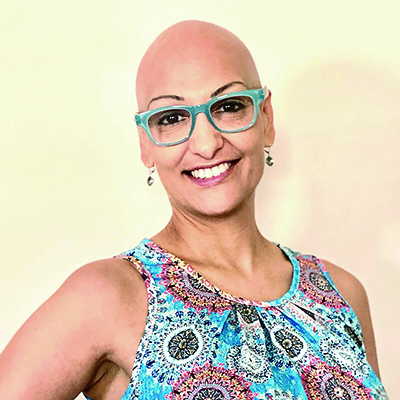
As a young professional in Chicago, Pranika Uppal Sinha ’04 worked as an environmental engineer Monday through Friday. On weekends, she greeted customers as a hostess at a popular, upscale Moroccan restaurant to make extra cash.
She became friendly with a restaurant investor and regular who helped companies with their diversity, equity and inclusion initiatives. The encounter set Sinha, who’s the daughter of Indian immigrants, on a path to help organizations improve their workplace culture and engagement and to make sure employees feel comfortable bringing their full, authentic selves to work.
“In my engineering job, I would get bored and I couldn’t use my creative side,” said Sinha. The regular, H Walker, who’s now the diversity, equity and inclusion officer for Boys & Girls Clubs of America, eventually asked Sinha to join him at his former consulting company. “Literally, it changed my life,” Sinha recalled.
Sinha later decided to pursue an MBA and left Chicago for Rice in the early 2000s. After graduating, she worked in human resources and organizational development for the Memorial Hermann Health System, then oversaw the talent, development and inclusion departments at energy company Oxy. Now, she’s the first head of diversity, equity, and inclusion at Greystone, the New York-based commercial real estate, finance and investment company.
Recently, Sinha discussed her experience while appearing as a guest on the Rice Business alumni podcast, “Owl Have You Know.”
A sabbatical is more than a change of scenery. It’s an opportunity to think deeply and consider new perspectives — and it’s a vital part of the Rice Business academic mission.
Alumni are at the forefront of a new wave of health care innovation.
A letter from Peter Rodriguez, Dean of Rice Business
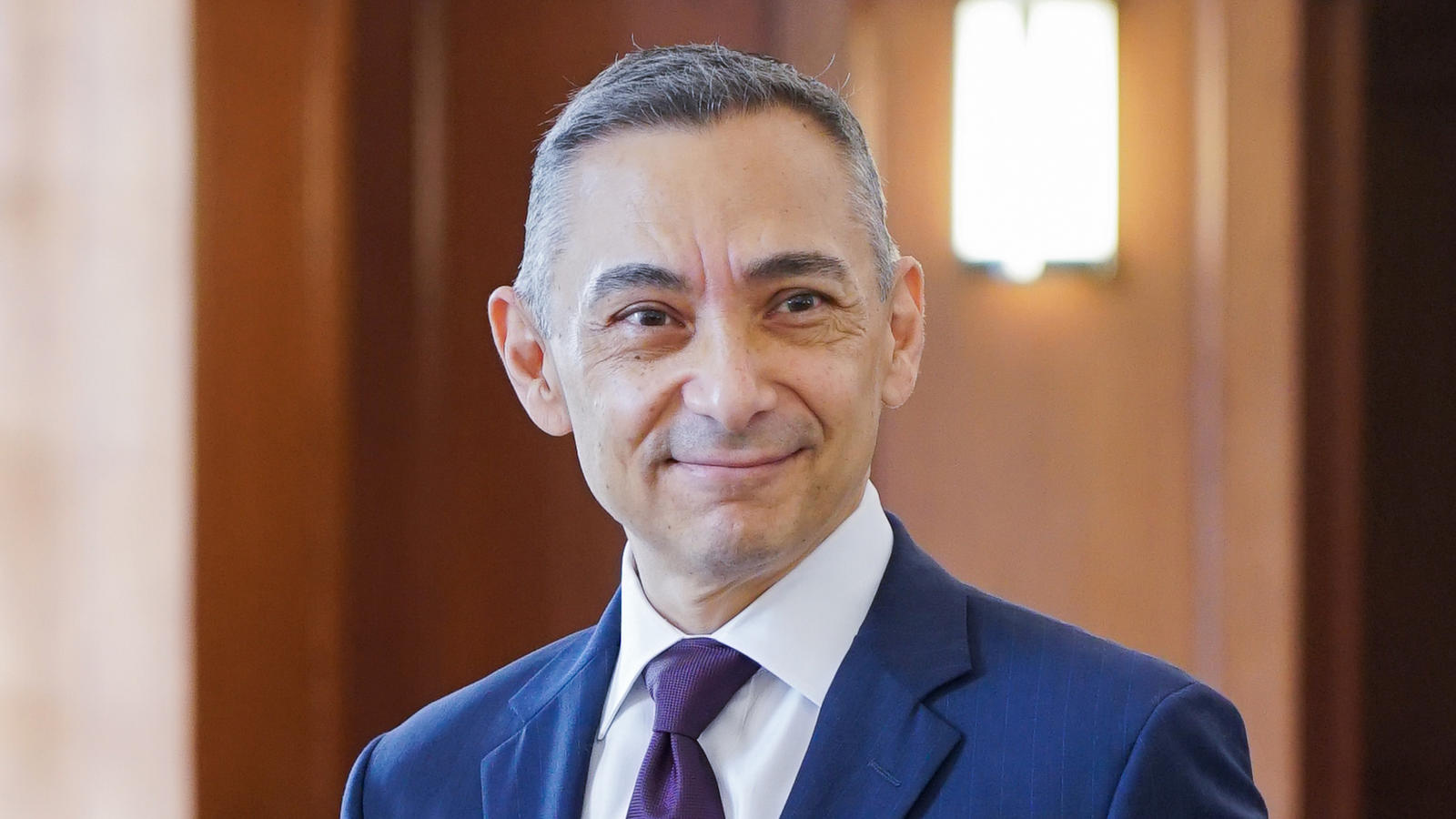
A letter from Peter Rodriguez, Dean of Rice Business
I’m reminded that this is the seventh fall I have introduced myself to new students in their first days as MBAs. It never gets old.
In academia, fall means fresh beginnings — new students, faculty, staff and ideas. While all that change may come with growing pains, the growth that emerges from it is good. And we’ve got growth in spades. In this edition of the Rice Business Magazine, you’ll read stories of beginnings, change and growth that reflect the great things happening in McNair Hall and beyond the hedges.
With 10 new professors, a new deputy dean (whom you will recognize on the facing page), a new board member and a new position of chief business officer, we’re off and running on another ambitious semester. We also have a new editor for the magazine: welcome to Stacie Walker, who joined our marketing team in May. And many thanks to Jennie Latson, our former editor, who has moved on to a new position at Memorial Hermann.
As we continue to adjust to fluctuating work schedules, COVID pivots and the heat in Houston, I’m reminded that this is the seventh fall I have introduced myself to new students in their first days as MBAs. It never gets old. It never loses that first-day-of-school feeling. I love to hear their stories and goals for the future. That was you, once. Remember? We’re building big dreams at Rice Business. I’m so glad you’re a part of it.
— Peter
A sabbatical is more than a change of scenery. It’s an opportunity to think deeply and consider new perspectives — and it’s a vital part of the Rice Business academic mission.