Applications for the Rice MBA are open. Round 3 deadline: April 3. Apply today.

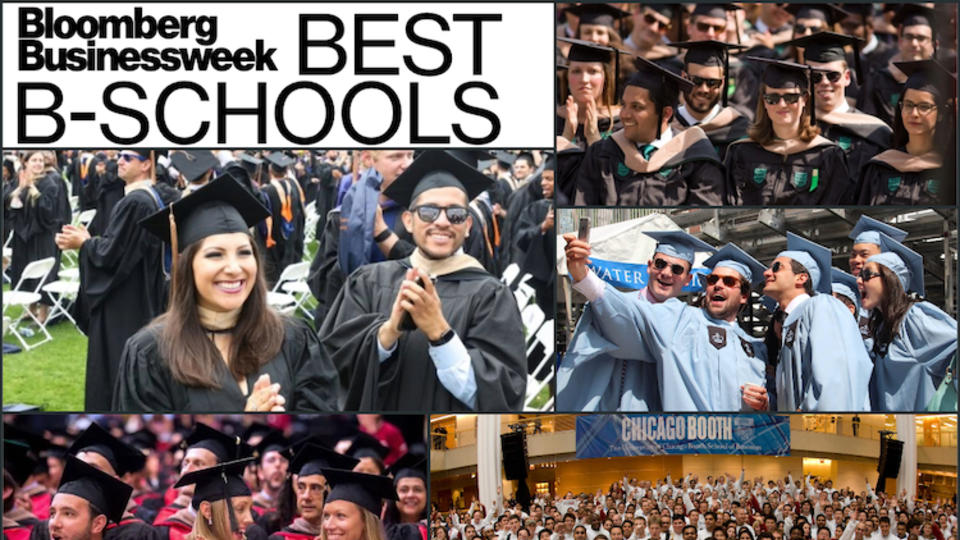
Rice Jones Is Latest Top U.S. B-School To Add A 4th MBA Application Round

In the Media
Admissions
MBA
Programs
In The Media

Rice Business announced that it will add a fourth round for full-time MBA applicants from Canada, Mexico, or the United States “who need a little extra time” to finish their essays and other app components.

Contains Video
No
Hide Date
No

The Value of a Kind and Collaborative Community feat. Joanna Nathan ’19

Flight Path
Flight Path
Technology
Entrepreneurship
Healthcare

Season 3, Episode 12
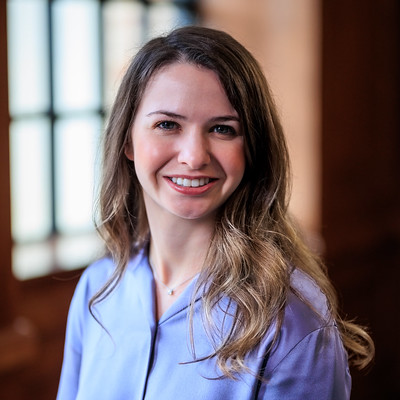
Joanna shares her career journey, passion for healthcare, deep connection to Rice, and how the heartbreaking loss of her young son serves as inspiration to continue her work in finding groundbreaking medical technologies to help others.

Joanna Nathan

Owl Have You Know

Season 3, Episode 12

Joanna Nathan, CEO of Prana Thoracic, shares her career journey, passion for healthcare, deep connection to Rice, and how the heartbreaking loss of her young son serves as her inspiration for finding groundbreaking medical technologies to help others.

Subscribe to Owl Have You Know on Apple PodcastsSpotify, Youtube or wherever you find your favorite podcasts.

Episode Transcript

  • [00:00] Intro: Welcome to Owl Have You Know, a podcast from Rice Business. This episode is part of our Flight Path Series, where guests share their career journeys and stories of the Rice connections that got them where they are.

    [00:16] Maya: Today on Owl Have You Know, we talk with a Full-Time MBA from 2019 who is changing the innovation landscape, not only in Houston, but the world. A biomedical engineer by trade, visionary and serial entrepreneur, Joanna Nathan shares her career journey, passion for healthcare, deep connection to Rice, and how the heartbreaking loss of her young son serves as inspiration to continue her work in finding groundbreaking technologies to help others. Welcome, Joanna. How are you today?

    [00:49] Joanna: I'm great. I'm so excited to be here. Thanks for having me.

    [00:52] Maya: Well, we are exceptionally excited to have you here with us. You have been pretty busy since earning your MBA in 2019. You're truly a serial entrepreneur powerhouse in the healthcare space. And there's so much to talk with you about today, and I want to get to all of it, especially, your latest project, Prana Thoracic, which develops solutions for the detection and intervention of early-stage lung cancer, an extraordinarily innovative medical device startup. So, we'll get to that in a minute, but first, I want to get to your journey about how you were catapulted here with us today.

    So, let's start with the fact that you are actually not even Rice twice, but you are Rice thrice, which means that you earned three degrees from Rice and you have definitely earned all of your Owl wings. So, you have a degree, a bachelor's degree, and a master's degree in bioengineering, and your MBA. So, clearly, you love Rice.

    [01:58] Joanna: I love Rice. It's my favorite place in the world, yes.

    [02:01] Maya: And it's a family affair. Your father went to Rice and earned his Ph.D. in civil engineering in 1987. So, was he the catalyst and inspiration for why you chose Rice three times?

    [02:16] Joanna: A little bit. Or, actually, initially, I would say kind of the opposite. My mini-version of teenage rebellion when I was in high school was not wanting to go to Rice because it would be following in my dad's footsteps, and I wanted to be different and carve out my own path. But the summer before senior year, you know, I visited the campus and I absolutely fell in love with this place and the wonderfully nerdy, driven, kind, and collaborative people that made it. It was such a unique culture that I knew I had to go here. So, that really... coming here and visiting and seeing for myself is really what originated, I guess, the love story with Rice.

    And then beyond that, just that then extended to Houston, right? All of the same stuff, I think, that is wonderful at Rice extends to Houston, just the diversity. It's a new kind of, you know, city and a little bit of an underdog sometimes, and just the ability to build something here as a young person, that exists... that may not exist everywhere in other major cities. So, I think the love for Rice and Houston came from those things.

    [03:21] Maya: So, where did you want to go before?

    [03:25] Joanna: I knew I wanted to be a bioengineer, so I was applying to schools mostly up and down the East Coast that were good at that. So, Hopkins, Duke, that kind of stuff. But again, I just... I think the thing that really did it for me here was how kind and collaborative people were. Like, I never felt like, even on the tours, you know, college tours, that kind of stuff, it was always about, we're going to work together and figure this out, your college experience. And then that extended to grad school, right? And I didn't quite get that feel in other places as much. So, I think it was really that collaborative kind of spirit of we're going to get you guys... you know, you have crossed the finish line as a team as Rice. I think that was a huge attractant as well.

    [04:09] Maya: So, what made you interested in bioengineering?

    [04:11] Joanna: I originally wanted to be an archeologist.

    [04:15] Maya: Indiana Jones (laughs)?

    [04:16] Joanna: Yes, Indiana Jones. And I wanted to do that actually all the way through, probably, like early high school, it was kind of my primary interest. But I grew up in the Middle East. I was born and raised in Abu Dhabi. And I actually got to experience what archeology truly looked like. And I realized that it wasn't for me. It was a lot less glamour and a lot less adventurous, and a lot more... you know, a lot more meticulous than I anticipated.

    And so, I think I was actively searching for something new to work on to kind of spend my life doing in high school, at least. And I read about originally nanotechnology, you know, like the little nanorobots that go in and inject things into tumors and blow them up, stuff like that. And that kind of drove my original interest in bioengineering. That's not what I do today, but that was kind of the original inspiration. And, of course, I've found through testing the hypothesis of my career over and over again that I always come back to wanting to help patients. That's been kind of the consistent theme of my career.

    [05:23] Maya: Absolutely, it has been, because you have quite the career. And, I mean, you're not even close to being 40 years old. So, I can only imagine what the future holds for you. It's really exciting to have done so many things in your life. I mean, you've started a nonprofit, you've worked for a VC firm, you've worked for Johnson & Johnson, you were at the Texas Heart Institute, at Saranas — and we'll talk about all of those things. And now, you're the CEO of this really incredible biomedical company that detects lung cancer, which the far reaches of that and saving the world, so to speak, are all ahead of you. And it's really exciting. And it all started right here at Rice.

    So, I want to talk to you a bit about how you transitioned from biomedical engineering to entrepreneurship. Now, we know that Rice is the number one entrepreneurship school in the country, really, I would say, I would venture to say the world. So, I understand why you would want to, if you want to go to the number one school, Rice would be it. But what transitioned you from bioengineering into business?

    [06:35] Joanna: Yeah. So, I think, for me, I realized through my early work experiences at Texas Heart at Saranas, I realized that I had an interest in developing this very particular skill set, which is building and telling the stories of technologies that could save lives. And again, going back to, kind of, that patient impact piece.

    So, you know, when something goes from benchtop to clinic, the term that's used there is translation. If you've heard translational medicine, that kind of term. And I think I get to do two kinds of translations. So, there's certainly that — taking something from an idea to the patient's bedside. But there's also the translation kind of from language perspective and human perspective, I guess, of taking something that is typically a very complex innovation, right, in biology and in medicine innovation is very complex because the body is extremely complex and biology is extremely complex. And taking kind of the scientists and engineers and working with them on their incredible innovation and then translating that into the business world, both in terms of telling the story of those technologies, but then also building the strategy around actually getting those technologies to the market and to the patient.

    So, that's kind of why I wanted to find that skill set. And I thought Rice would be a great place to do that, particularly, because of its entrepreneurial focus. And I came back, specifically, to build out all of those pieces — so, storytelling, strategy, learning the investor mindset — because I'd mostly been on the entrepreneur side of the table at that time. And then I ended up gaining a ton of other skills as well — finance, organizational behavior, all of these other things.

    I also found an incredible community there. You know, when I started at Rice Business, I'd already been in Houston for about a decade. And I thought all of my friend slots were full and I didn't need any new friends or community. But I ended up finding this incredible community of leaders that really served as a sounding board for... and continue to serve as a sounding board for me, both for work and work issues and life. And now, they're some of my closest friends. So, I've loved doing the Rice MBA. And I tell people all the time I would do it six, seven more times if I could.

    [08:50] Maya: Well, that's actually a good idea. Maybe, they'll have like a Rice... I don't even know what you would call like a Rice four times, like a quad-Rice, right? A quad-Rice degree. So, tell me about this nonprofit and what spurred that drive to open a nonprofit.

    [09:06] Joanna: At the time, you know, I was a student, a fresh kind of grad. And I'd taken, actually, a Rice Business class. As an engineering student, I took a life science entrepreneurship, which is co-listed with bioengineering and Rice Business. It was really the first time that I had found a group of people that were excited about innovation and life sciences through that class, which is taught by Jack Gill, who's incredible, you know, VC with a great career history in medical innovation. Around that time, that was the first time I really found like-minded people. And I was in the process of transitioning into my career in innovation. And I realized, you know, unlike management consulting or banking or, kind of, these more traditional paths, there wasn't this obvious path or clear cut, you know, "this is the way you get into entrepreneurship or innovation," set out, if that's what you wanted to do.

    And so, the nonprofit and venture really started out of that class. It was a group of us that met in that class that wanted to keep that feeling of community going. And so, we started out, you know, as a community organization, with happy hours and breakfast and things like that. And it has grown to this incredible grassroots organization that's still run primarily by students for students. And now, it encompasses education. It has its own accelerator program, all kinds of stuff. Consulting, we consult for a lot of healthcare, early stage healthcare startups. So, it's become this bigger thing of its own. And I'm still definitely involved. But like I said, we intentionally made sure that students were always involved and students drove the nonprofit. And I think that's what's kind of kept it going and kept it aligned to its mission.

    [10:51] Maya: And this is an experiential learning opportunity for more than 2,000 aspiring entrepreneurs across Texas. Or, has it grown since then?

    [10:59] Joanna: Yeah, it's a, it's a little more than that, especially, because we've now branched out to actually have a chapter in San Antonio as well. That happened in the last couple of years. And then, adding kind of the virtual component over the last just through the pandemic and stuff has expanded our reach to even the coasts and things like that. So, it's a little bit over that in terms of the people that are actively engaged. But that's really taken off. That growth beyond Houston has really taken off in the last few years, kind of thanks to the pandemic.

    [11:26] Maya: And it was after Enventure, where you were exposed to venture capital that you were telling me about with your professor, is that what led you to the Mercury Fund here in Houston?

    [11:37] Joanna: Yes, yeah. So, I met the Mercury Fund team, actually, through Rice as well. They teach a financing startups course. It's Venture Capital 101, essentially, two of the partners that teach it. And I knew, coming into Rice, that one of the things I really wanted to learn, as I, you know, mentioned earlier with the investor mindset, because I had primarily seen technologies through the entrepreneur's lens or the scientist's lens or the engineer's lens, different things like that, but I had not yet seen or experienced myself how investors validate those technologies, how they decide what is worth, kind of, taking the risk on.

    And so, the investor mindset was definitely something I wanted to learn. And through that class, I got to know Aziz and Blair at Mercury Fund and ended up working for them, actually even… in addition to the internship over the summer, I actually worked for them beyond that as well and got to delve deep into how investors work and think and evaluate early stage technology. So, that was a really, really great experience for me that I've been able to put to use as I'm fundraising now, again, on the other side of the table.

    [12:45] Maya: So, what did you learn? How do they think and what do they choose to invest in? And what are the top five things that innovators need to... I mean, I'm just going to go right to the root of it, because I want to know the answers, right?

    [12:56] Joanna: Yeah, I think there are a few different things I learned. I think one is that, as an investor, you never have all the answers to all of the questions, because there's always going to be, especially, in early stage venture, but really at any point in time as you're investing, you don't know how things are going to work out. You only know the list of questions that you have and how comfortable you can get with the level of risk, kind of, associated with those open questions. So, I think that was a big, kind of, eye-opening thing, is investors don't necessarily have all the answers and need to have every single thing figured out. It's just getting them comfortable to a level of risk that they feel comfortable with some of those open questions. I think that was one big thing I learned.

    The second thing I learned is timing, people, all of that matters so much. I think, a fund, depending on where it is in its life, if you're towards the end of the fund versus the beginning of a fund, depending on what else they've invested in their portfolio, there's all of these factors that go into figuring out if they should invest in a company that don't necessarily have to do with that company, right? It doesn't necessarily have to do with the company's merit, but maybe it's that they're late in their fund, and so they can't invest in something that's going to take three or four years to exit; or they've already invested in two things in that space, and so they don't have room for a third. And so, I think that was really interesting to learn as well, is just fund dynamics and how investors themselves have to think about selling their funds to their LPs and stuff and how that plays into the decision-making that they make.

    And I think the last big thing that I learned is the people piece is super important. So, investors are really there, ultimately, to help and mentor you. Especially, once they've actually written that check, they are essentially an extension of your team. And I think what I got to see on the investor side is when entrepreneurs are really open and go to their investors with issues and include them as part of their team and treat them as a resource, that's when those relationships work really well, as opposed to the entrepreneurs that feel like they always have to have everything perfect and figured out for the investors. And, of course, there's a balance there, but you don't have to have everything neatly tied up in a little bow at every board meeting. I think the big thing is those investors have seen so many deals. They have pattern recognition. They have access to resources that, you know, an individual entrepreneur may not. And so, it's really important to be vulnerable with them about your issues so that you can leverage some of their solutions. I think that was another big learning for me.

    [15:39] Maya: And I think everybody should still take that class, even though you just gave us some of those answers, right?

    [15:43] Joanna: Yes, definitely.

    [15:45] Maya: That's not the whole class. I didn't ruin it.

    [15:47] Joanna: Oh, no, no.

    [15:50] Maya: So, after the Mercury Fund, you moved on to Johnson & Johnson and you served as the manager of new ventures and device innovation for three years. Tell me about your time at Johnson & Johnson.

    [16:01] Joanna: I got to kind of extend my time in that investor mindset because what I was doing for Johnson & Johnson was managing a portfolio of resident startups that were kind of strategically aligned to J&J's medical device businesses. So, I continued to build on that investor mindset, but I also got to do a lot of portfolio management. So, learning to work across a very broad set of med-tech companies, learning about a ton of new disease states, and then also knowing when to dive deep on a specific issue with an entrepreneur, whether it was their regulatory strategy or they're trying to figure out their hiring plan or they're trying to build their budget for their next raise. Knowing when to kind of dive deep and roll up my sleeves and get involved. And so, yeah, I got to work with several early stage med-tech companies. And in some cases, or in many cases, I got to shape their stories and their strategies and be part of that alongside them. And it was a really great experience for me to be able to do that and, again, leverage all of those lessons as well as I start my own venture again.

    [17:02] Maya: And Saranas. So, Saranas is Mehdi Razavi's company. I know Dr. Razavi.

    [17:07] Joanna: Oh, really?

    [17:08] Maya: Yeah, I do, I do. I know him pretty well. Tell me about Saranas and their cardiology medical device startup.

    [17:14] Joanna: So, Mehdi is one of my favorite humans, one of the best mentors I've ever had, and—

    [17:18] Maya: Mine, too. I love him.

    [17:20] Joanna: So, he was my boss at Texas Heart Institute. And then, as I transitioned into my role at Saranas, he kind of stayed a long-term mentor. So, that company was actually one of the only times I was kind of an engineer, if that makes sense, or one of my only roles where I got to flex that muscle. I ran product development there in the very early stages, as we were going from really early prototypes, kind of still in that napkin sketch idea phase through testing some things and animals and demonstrating that we had a working prototype very, very early. My role at that time was director of product development, and I got to manage a lot of those pieces. And I do really love the challenge of building new technologies, but I think that's also where I got... I realized my passion actually truly laid with storytelling and doing the business side and the strategy, because luckily, the team at Saranas allowed me to branch out into those things and transition into doing more things in addition to just being product development and engineering-focused. So, that was an early experience that helped me, again, narrow into what I wanted to do within innovation.

    [18:28] Maya: Managing early stage startups in healthcare, there are significant challenges there. It takes quite a bit to stay motivated to make progress in the medical field. And developing new technologies is a slow and tedious process. So, tell me how you get through that. As an innovator, as an entrepreneur, as a bioengineer, what sort of advice would you give those folks that are out there that are working on the next life-saving technology, that it takes a lot of time and with FDA approval and everything else? Can you touch a little bit about that?

    [19:05] Joanna: Yeah. I think most people that work in this world have something that inspired them to do that. And often, that's typically a patient experience or a family's patient experience or something like that of their own. And so, for me, it's going back to that moment from my own experience and leveraging that for the long term, if that makes sense. I think entrepreneurship is lonely. I don't think people realize that. It's hard and it's lonely.

    And I think making sure you surround yourself with a community of entrepreneurs is really important. I have a couple of other CEOs, female CEOs of respiratory companies, so very niched, but they truly understand, you know, what I'm going through that I go talk to regularly about, you know, just when I need to vent, when there's nobody I can vent to, you know, that may be on my team or can't vent to my board, you know, stuff like that. It's just so great to have, to have people to rely on that are in the same or in a very similar spot to you.

    So, I think seeking that community, finding that community early in your entrepreneur journey is really important. And, you know, Enventure could be part of that. There's a lot of other community aspects to all the different organizations in Houston that do support the innovation ecosystem. I think finding that community is really important, and then keeping that patient experience in mind the end goal of who you're trying to help, the lives you're trying to save, the families that you're trying to keep together, all of that stuff, I think, is really important along the way.

    [20:35] Maya: Let's talk about, personally, your own story. You were a single mom to your son, Lionel, who tragically and suddenly passed away last year in 2021 when he was four years old from an undiagnosed health problem. And I'm sure that that has tremendously shaped who you are today and your goals for medical device and medical innovation. And you wrote a very deep, incredible blog about him that I read. And I wanted to take a little bit of time for you to share that experience of your precious boy and the loss you sustained. Can you tell me about him?

    [21:14] Joanna: Yeah. Lionel was the greatest little four-year-old. He was our class... our Rice Business class' essentially mascot. He was always running around at Partio and stuff like that. And he really embodied intellectual curiosity. If there was one characteristic I think I had to attribute to him, it was that curiosity. And if there was a second, it would be joy.

    So, he just lived life fully. He never hesitated to ask questions. He never hesitated to have a good time. And I think, for me, I'm still going through my grief journey. I will be for my whole life, but it's still, you know, relatively new. It's been, you know, less than 18 months. So, I'm still trying to figure out how I can best honor him and keep his memory going and honor his life.

    And I think, you know, Lionel continues to inspire me all the time. So, my experience with losing him, with being in a hospital for five days and just, you know, not knowing what was going to happen, with being the decision-maker on some of the really, really, really tough healthcare decisions that I had to make on his behalf, really, it just... I have all of those things in mind as I kind of move forward into Prana Thoracic. So, I think that whole experience, it's pushed me, Lionel, and losing Lionel has pushed me to love harder, to lean into joy, to experience life to its fullest, just like my kid, and to be a little wild like my kid as well. So, I've spent a lot of time traveling and camping and kind of trying to experience, kind of, that wilderness, wildness, all of that kind of stuff.

    For me, as far as how it translates to my work life, work is so much of what we spend our life doing. And I think losing Lionel has inspired me to make that as meaningful and as enjoyable as possible, both for myself and those around me. And I really hope to bring some of those values to my team, as we build it out, over the next few years. But Lionel will kind of be my guiding light for the rest of my career and always the anchor that I come back to when I'm having a tough time or I'm having a bad day or I had a bad board meeting or something. It's helpful to have something like that to drive me forward. As devastating as it was for me, I'm trying to take that and leverage that and use it to help other patients.

    [23:34] Maya: Yes, you definitely have a unique perspective. You really do understand the patients that you would be helping with your innovations at a different level than most innovators. And I do want to move on to Prana Thoracic, which is what you're doing now. And I mean, it's... I was reading about it and it's just... it's fascinating. It's a game-changer for cancer patients across the entire world. So, tell me how this brainchild developed and where it is now and where you're planning on going with it.

    [24:07] Joanna: Sure, yeah. So, through my time at J&J, I really got to learn a lot about lung cancer. It's a very strong focus for them. And lung cancer is a terribly devastating disease. So, if you're diagnosed with lung cancer, there's a very strong chance the majority of patients will die within a year of that diagnosis. So, to me, that is an unacceptable rate. And we still don't catch it early enough. I think that is the biggest challenge with lung cancer, is, by the time you find it, it's... you know, it's spread rapidly enough or far enough that it's hard to intervene.

    So, one of the reasons that this happens or has happened with lung cancer is, historically, we haven't screened for lung cancer. So, we screen for cervical cancer. We screen for prostate cancer, breast cancer, all of these other cancers. And we've seen that screening works and kind of the rates of survival of those cancers has gone up significantly, as screening was adopted for each of those. So, screening has only just begun for lung cancer, specifically for, you know, high-risk patients that smoked a certain amount or of a certain age, things like that. But once you screen, you actually have to find a way to, one, confirm that it's cancer. So, go grab tissue and make sure that you know what you're dealing with. And second, figure out what to do to treat that patient, what the possible treatment pathway is for that patient.

    So, Prana Thoracic is working on a solution, a medical device that helps intervene earlier in the lung cancer patient's journey so that they have a better chance at survival, essentially, so that we can catch it early enough to make an impact on their survival. This technology was essentially developed within the Center for Device Innovation, where my last role was. So, I got to be involved with some of the strategy around it. And towards the end of last year, I was approached with the opportunity to spin it out and to run that deal. It was just a few months after I lost Lionel. So, at the time, I wasn't totally sure. But I ended up going on a camping trip soon after that offer. And it just kind of gave me the clarity and helped me realize that was what I wanted to do next, in terms of taking... like we talked about some of my pain, some of my grief, and leveraging that for other patients, other families. So, that's kind of how I decided to take it and run with it. And yeah, now, we're off to the races. We've launched, and we're getting ready to start the next kind of two years of work.

    [26:40] Maya: Wow. Well, I can't wait to see where it goes. I'm very excited about it. I know that a lot of people are very excited about it. And I have no doubt that it is going to change the quality of life and the kind of care that cancer patients receive, and hopefully have a much better prognosis than before Prana existed. So, you have had an extremely impressive career in healthcare and entrepreneurship. What accomplishments are you the most proud of?

    [27:06] Joanna: That's a really good question. Honestly, I think I am extremely proud of some of the products I've gotten to be part of building and all of that, because ultimately, those impact patients. But I think the multiplier effect of building something like Enventure that could take a bunch of people, you know, maybe even thousands of people, hundreds of people, if not thousands, and inspire them and give them the tools to become entrepreneurs themselves and to take their innovations to market, I think that is actually my proudest achievement because of that multiplier effect, right, of something like that, of being able to give the gift of entrepreneurship, which was somewhat given to me, and pass that on to others. I think that is probably my proudest accomplishment.

    I think the other thing for me, thinking about Prana Thoracic, I've thought a lot about what success would look like there. Obviously, getting the device to the bedside is a big piece of that. But for me, another thing I'm very excited about is building a culture of integrity and empathy and communication at Prana. And I think another marker of success for me, similar to the story with Enventure, to make sure that the people on my team have such a good experience that they go on to build their own companies with teams and cultures similar to Prana. So, I think that's a big piece for me as well as I think about the next step.

    [28:26] Maya: And that was one of the first things that you started back in 2012.

    [28:29] Joanna: Yes, yeah.

    [28:32] Maya: And it's been really the force that has driven you and driven so many other entrepreneurs. So, that's exciting. And it's wonderful that it continues on today after you launched it in 2012. In the healthcare space, in the areas that you're not involved in, what do you think can benefit the most from innovation?

    [28:51] Joanna: I think one space that needs a lot of attention and I think is finally starting to get it is fem-tech or that OB/GYNs can use, things like that. I think, if you look at the history of how some of those tools and things that are still used today were developed, it's not a great history. And I am excited to see so many entrepreneurs now, like, think about this space and how to do better, because I think it's been an area that has been neglected. You know, there's a lot of people talking about how there's a lack of diversity in clinical trials, both in terms of gender and ethnicity, all of these different things. And so, I think medicine is definitely moving in the right direction, which is not assuming every device, every medication, every drug is meant for a middle-aged man, essentially, and including, kind of, all of these other communities and how they develop new innovations. So, I think that is one that's exciting for me to see. It, was... I worked on a project in the fem-tech space while I was at Rice. And so, it's been really exciting to see that space get so much attention in the last couple of years. And I hope that only continues to grow.

    [30:01] Maya: I mean, it is 52% of the population is women.

    [30:04] Joanna: Yes, yeah.

    [30:05] Maya: So, the majority of population, you know.

    [30:06] Joanna: Yes. Yeah. And we make 80% of healthcare decisions. So, I mean, it's, you know, even beyond just affecting our bo-, we make the healthcare decisions for our families a lot of the time, too.

    [30:18] Maya: Yes.

    [30:18] Joanna: So, we should absolutely have more people targeting us and technologies that help us and are built for us.

    [30:25] Maya: Yes, absolutely. So, you, like I said, graduated in 2019. And for those potential MBA students at Rice that are thinking about Rice as their home for the next couple of years to pursue their MBAs, what advice would you give them? And what would you say, why should they choose Rice over any other school in the country and, really, the world?

    [30:49] Joanna: Rice is an incredible community, and I go back to the original thing I said about how wonderfully kind and collaborative the community is here. And if you can just think about how much that would shape your MBA experience, I think that's the thing I focus on, is really, the people that I'm surrounded with, both in terms of my classmates, but even the faculty, the staff. Everybody is really there to collaborate and help you. And I think that's the big draw.

    And then you can follow that with, you know, high-ranking and entrepreneurship and finance and all of these great things. I think Rice actually is incredibly academically strong, which isn't necessarily always a focus for MBA programs. But I think Rice, really, you really have to work hard to do well. It's... you know, it's not necessarily like a checkbox kind of thing as far as the academics. So, that's really strong as well, I think.

    In terms of advice, again, I always go back to people. I think there's definitely a lot of things, hard skills and things like that you can focus on through the MBA. But I think, for me, what I've come away with is that community of people, that are some of my closest friends or my sounding board for work and life, that is the greatest asset that Rice Business has given me. And sometimes, that includes people, like I said, faculty at Rice that I can go back to and ask questions and ask for help. Really focusing on, in addition to all of the stuff you have to do for your grades, for your career path, really leaning into that community, really leaning into your class, and building your network, not just in terms of how you can use the network, but building that community piece, is a really important aspect of the MBA. And so, I would say to definitely leverage that.

    [32:30] Maya: Wonderful. Well, Joanna, it's been a sincere pleasure to talk with you today. And we are incredibly grateful for your time, your insight, your contributions, not only to Rice, but to the healthcare industry. And I, for one, cannot wait to see what Prana does and what you do, because, you know, I know that Prana isn't the end. It's somewhere towards the beginning of all the incredible things that you have yet to do. So, thank you so much for being with us here today.

    [32:57] Joanna: And thanks so much for having me. I really enjoyed our conversation.

    [33:02] Maya: Thanks for listening. This has been Owl Have You Know, a production of Rice Business. You can find more information about our guests, hosts, and announcements on our website, business.rice.edu. Please subscribe and leave a rating wherever you find your favorite podcasts. We'd love to hear what you think. The hosts of Owl Have You Know are myself, Maya Pomroy, and Scott Gale.
You May Also Like

Allison Knight - Rice Business podcast
Flight Path

Season 5, Episode 21

Allison chats about selling her first venture, Rebellion Photonics, to Honeywell in 2019 and how she's codifying blue collar genius through Alaris AI.

Farid Virani on the Rice Business podcast
Flight Path

Season 5, Episode 19

Farid Virani shares his entrepreneurial journey, the Virani family’s commitment to education and community, and the vision behind the Virani Undergraduate School of Business.

Contains Video
No
Hide Date
No

The Language of Inequality

It matters how we talk about social and economic disparities.
Organizational Behavior
Faculty Research
Rice Business Wisdom
Organizational Behavior
Discrimination

It matters how we talk about social and economic disparities.

Language of Inequality

Based on research by Sora Jun (Rice Business), Rosalind M. Chow (Carnegie Mellon), A. Maurits van der Veen (William & Mary), and Erik Bleich (Middlebury)

Key findings:

  • A new study examines language used by the general public to talk about social and economic inequality.
  • The researchers found that we tend to describe racial and gender inequality differently than wealth inequality. This difference reflects fundamental gaps in what we view as fair.
  • How we describe inequality is significant because it impacts our view of who causes it and how society should address it.


Look closely at any news article about inequality and you will quickly notice that there is more than one way to describe what is happening. 

For example:

“In 2022, men earned $1.18 for every dollar women earned.”

“In 2022, women earned 82 cents for every dollar men earned.”

“In 2022, the gender wage gap was 18 cents per dollar.”

When pointing out differences in access to resources and opportunities among groups of people, we tend to use three types of language:

  1. Advantaged — Describes an issue in terms of advantages the more dominant group enjoys.
  2. Disadvantaged — Describes an issue in terms of disadvantages the less dominant group experiences.
  3. Neutrality — Stays general enough to avoid direct comparisons between groups of people.

The difference between these three lenses, referred to as “frames” in academic literature, may be subtle. We may miss it completely when skimming a news article or listening to a friend share an opinion. But frames are more significant than we may realize. 

“Frames of inequality matter because they shape our view of what is wrong and what should be fixed,” says Rice Business Professor Sora Jun. 

Jun led a research team that conducted multiple studies to understand which of the three frames people typically use to describe social and economic inequality. In total, they analyzed more than 19,000 mainstream media articles and surveyed more than 600 U.S.-based participants. 

The team published two major findings.

First, people tend to describe gender and racial inequality using the language of disadvantage. For example, “The data showed that officers pulled over Black drivers at a rate far out of proportion to their share of the driving-age population.”

Jun’s team encountered the same rhetorical tendency with gender inequality. In most cases, people describe instances of gender inequality (e.g., the gender pay gap) in terms of a disadvantage for women. We are far more likely to use the statement “Women earned 82 cents for every dollar men earned” than “Men earned $1.18 cents for every dollar women earned.”

"We expected that people would use the disadvantage framework to describe racial and gender inequalities, and it turned out to be true,” says Jun. “We think that the reason for this stems from how legitimate we perceive different hierarchies to be.” Because demographic categories like gender and race are unrelated to talent or effort, most people find it unfair that resources are distributed unevenly along these lines. 

On the other hand, Jun expected people to describe wealth inequality in terms of advantage rather than disadvantage. The public typically considers this form of inequality to be more fair than racial or gender inequality. “In the U.S., there is still a widespread belief in economic mobility — that if you work hard enough, you can change the socioeconomic group you are in,” she says. 

But in their second major finding, she and fellow researchers discovered that the most common frame used to describe wealth inequality was no frame at all. We find this neutrality in statements like “Disparities in education, health care and social services remain stark.”

Jun is not sure why people take a neutral approach more frequently when describing wealth inequality (speaking specifically of economic classes outside of gender and race). She suspects it has something to do with the fact that we view wealth as a fluid and continuous spectrum. 

The merits of the three frames are up for debate. Using the frame of disadvantage might seem to portray issues more sympathetically, but some scholars point to potential downsides. The language of disadvantage installs the dominant group as the measuring stick for everyone else. It may also put the onus of change on the disadvantaged group while making the problem seem less relevant to the dominant group. 

“When we speak about the gender gap in terms of disadvantage, and helping women earn more compared to men, we automatically assume that men are making the correct amount,” says Jun. “But maybe we should be looking at both sides of the equation.” 

On the other hand, Jun cautions against using a one-size-fits-all approach to describing inequality. “We have to be careful not to jump to an easy conclusion, because the causes of inequality are so vast,” she says.

For example, men tend to interrupt conversations in team meetings at higher rates than women. “Should we frame this behavior in terms of advantage or disadvantage, which naturally leads us to prompt men to interrupt less and women to interrupt more?” asks Jun. 

“We really don’t know until we understand the ideal number of interruptions and why this deviation is happening. Ultimately, how we talk about inequality depends on what we want to accomplish. I hope that through this research, people will think more carefully about how they describe inequality so that they capture the full story before they act.”


Jun, et al. (2022). “Chronic frames of social inequality: How mainstream media frame race, gender, and wealth inequality.” Proceedings of the National Academy of Sciences of the United States of America.


You May Also Like

Classroom full of students
AI | Finance
Professor Kerry Back received the 2025 Financial Management Association’s Innovation in Teaching Award. We sat down with him to talk about how AI is changing finance — and the way we teach it.

Keep Exploring

Contains Video
No
Hide Date
Yes

Members of Danish parliament discuss Houston innovation, entrepreneurship with Rice Business

School Updates
Culture
Leadership
Programs
School Updates

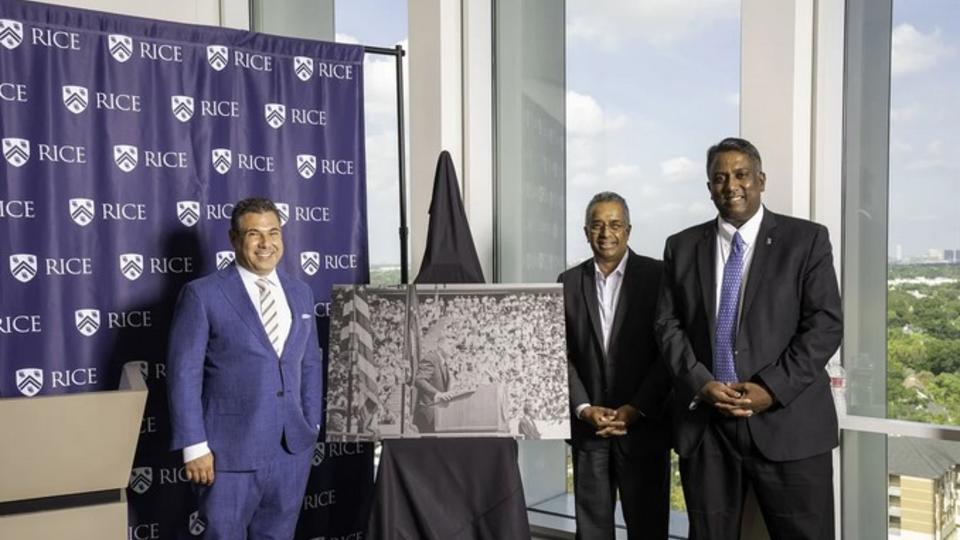
Rice leaders met with members of the Danish parliament March 6 to discuss Rice and Houston’s innovation and entrepreneurship ecosystem. Rice Business Executive Education organized the event to build and maintain bridges between the Danish and Houston business communities.

Rice Business and members of the Danish parliament
Avery Ruxer Franklin

Rice leaders met with members of the Danish parliament March 6 to discuss Rice and Houston’s innovation and entrepreneurship ecosystem. Peter Rodriguez, dean of the Jones Graduate School of Business, Ramamoorthy Ramesh, vice president for research, Jing Zhou, deputy dean of the Jones School, Jan Odegard, executive director of the Ion, and others shared how Rice functions as a collider of research, education, policy and innovation.

“Houston as a region loves risk-takers,” Rodriguez said. “It likes risk-takers in business. It likes to see success and applauds bold efforts — even when there are not successes. And that’s a great environment to work together.”

Rice is a small university that does things in a big way, said Zhou. She explained how the faculty of the executive education program is continually meeting with Houston industry leaders to provide expertise on energy, health care and artificial intelligence. She said many industries are at a crossroads and that managers need new ways of thinking about innovation and executing ideas.

“By engaging in dialogue with industry, we help them think outside of the box,” she said.

Rice Business Executive Education organized the event to build and maintain bridges between the Danish and Houston business communities.


You May Also Like

Contains Video
No
Hero Image Caption
Members of the Danish delegation with Rice leaders. Photo by An Le.
Hide Date
No

Rice Alliance Energy Venture Day 2023 selects eight ‘most promising’ companies

Centers & Labs
Energy
Entrepreneurship
School Updates
School Updates

After 42 pitches and more than 300 meetings, investors and energy corporations have selected the eight “Most Promising Companies” at the 2023 Rice Alliance Energy Venture Day.

Energy Venture Day
Energy Venture Day
Avery Ruxer Franklin

After 42 pitches and more than 300 meetings, investors and energy corporations have selected the eight “Most Promising Companies” at the 2023 Rice Alliance Energy Venture Day.

The yearly event hosted by the Rice Alliance for Technology and Entrepreneurship, which took place March 7 at Rice University’s Jones Graduate School of Business, brings together new energy companies with venture capitalists, corporate innovation groups, industry leaders, academics and service providers.

The 53 energy ventures participating in this year’s event come from across the country and have already raised a combined total of $257 million in funding. Prior to the companies pitching their businesses and technologies in front of attendees, they were matched with investors for one-on-one meetings.

The eight “most promising” are:

  • Group1, the world's first engineered materials company focused on Potassium-ion batteries, continuing the lineage of innovation from the co-inventor of the lithium-ion battery and 2019 Nobel laureate, Professor John Goodenough of the University of Texas at Austin.
  • Pressure Corp, which develops systems that transform pipeline waste pressure into clean energy with zero impact on customer budgets.
  • Columbia Power Technologies (C-Power), which harnesses the power of the world’s biggest and best battery — the ocean — to cost-effectively and reliably solve some of the world’s biggest energy and operational problems.
  • H Quest Vanguard, which has developed an electrically-powered chemical conversion platform that allows customers to use low-cost hydrogen to decarbonize without major capital expenditures or hazardous hydrogen transportation.
  • Ionada Carbon Solutions, which has developed a patented, scalable hollow fiber membrane contactors carbon dioxide-capture solution optimized for small- to mid-sized emitters. 
  • STARS Technology, an original equipment manufacturer of microchannel process technology ("chemical process chips") and energy/chemical systems based on microchannel process technology (e.g., hydrogen generators).
  • EarthEn, which develops flexible storage and artificial intelligence technologies to optimize the grid and enable renewable energy 24/7 for a carbon-free Earth.
  • AeroShield Materials, which manufactures the world's most thermally insulating transparent materials for energy-efficient windows, freezers and more.


You May Also Like

Contains Video
No
Hide Date
No

Sarah Yang

Full-Time MBA, 2024
Student Stories
Student Stories
Other

Meet Sarah Yang, Full-Time MBA '24

Sarah-Yang
Sarah-Yang

What was your pre-MBA Industry and function?

Prior to Rice, I spent the bulk of my career in the energy industry. I’ve worked in four countries during my 12-year career as a Senior Petroleum Engineer, managing numerous multi-million drilling and completion projects at Chevron and Ovintiv (formerly Encana). A couple of years ago, I had an amazing opportunity to join a fast-growing education management consulting firm, where I continued to develop my communication and problem-solving skills working in a fast-paced start-up environment and making far-reach impacts for local high school students in China.

What is your post-MBA Industry and function?

My post-MBA industry is Investment Banking. I am proud to share that I was one of the three female full-time MBA candidates who received internship offers from Investment Banks, and I will be joining Houlihan Lokey as a Summer Associate in the Oil & Gas M&A and restructuring group in the Houston office.

Why did you want to pursue your MBA? Why did you choose Rice Business?

Why MBA?

My over a decade of engineering experience in the oil and gas industry had been extremely fulfilling. I really enjoyed the technical side of work, and I’ve had the opportunity to travel around the world. Looking back, I think I had this “epiphany” about my career when I worked for Chevron and Encana while I was leading several strategic planning and asset development planning types of financial modeling, which were very interesting, and it really intrigued my curiosity wanting to learn more about the financial sector. That’s when I realized that my career focus has shifted from the technical to the business side of the engineering world. By that time, I knew my ultimate route is to pursue my MBA where I can use my technical background and all my transferrable skills, and supplement them with formal business education and this incredible network Rice provides to help me pivot into the financial industry. In particular investment banking, which I view it as a fast-paced apprenticeship, where you are challenged to continuously learn through far-reach impact projects, that lead you to navigate through many different aspects within the financial industry, that is extremely appealing to me.

Why Rice?

I attended the Rice MBA campus tour and sat in three different classes when I started looking at MBA program. I immediately fell in love with the personal and collaborative classroom style and the learning culture. I really enjoyed meeting everyone from the Admission Office, the Rice ambassador students, and some of the faculty members. In addition, the Rice faculties are internationally recognized experts, and the small student-to-faculty ratio Rice MBA program offers was also very attractive to me. I attended Marietta college, which was a small liberal arts program in Ohio, and I greatly enjoyed and benefited from the boutique classroom experience.

What was your favorite memory or experience from your time at Rice? 

Image
Sarah Yang Ball Drop

One of my most memorable experiences at Rice was the Launch program. Our full-time class has been chatting in our “Rice FTMBA Class of 2024” WhatsApp group over the summer, sharing tips regarding flights, housing, navigating around Houston, and helping each other study for the pre-MBA Coursera courses. All these commentaries and friendship has been building up via group chat, and the first day of Launch felt like the D-day where you finally get to meet everyone in person, and put faces to names. Some of my classmates came over to hug me once they recognized me from my WhatsApp profile pic, and that was the greatest feeling as if I were seeing an old friend whom you have known forever but haven’t seen in years. The entire Launch program was packed with laughers, excitement, (and intensive strategy classes), but the first day of Launch was such a surreal feeling for me that my dream has come true standing in the center of the McNair Hall, and I was about to begin the most incredible two years of my life pursuing my MBA degree. Another one of my favorite memories at Rice was the Women in Leadership Conference that was held on Feb 10th. It was such an empowering experience with amazing guest speakers, and Rice alums, witnessing firsthand how women champion women to succeed.

How has the Rice MBA helped you in your career?

I credit all my achievements so far to the Rice MBA program, and I have grown so close to everyone at Rice during my first year here thus far.

  • The Rice Recruiting and Admission Office: They are probably the first deciding factor that I want to come to Rice when I stepped onto the campus for the very time. Everyone greeted me with warm smiles, gave me a tour around campus, and patiently answered all my questions and concerns throughout the application process.
  • The Rice Career Development Office (CDO): They are always super responsive via all communication channels, very structured recruiting process and timelines, and provide abundant resources in terms of mentorship programs and setting up a wide range of info sessions for different career paths. From my very first IB info session to how to formally accept my internship offer, CDO has been there every step of the way to guide me and help me succeed.
  • Academic Advising & Global Programs: Managing full-time school and recruiting can be challenging. The Academic Advising Office is always super helpful to keep you on track with your academic development. I also really appreciate the Global Programs here at Rice provides international exchange programs with Rice partner schools around the world. I am currently considering my options for studying abroad next semester in France (how exciting!).

What does it mean to you to be a woman in business?

I think being a woman in business means breaking barriers, overcoming gender stereotypes, and being a trailblazer for future generations of women. Pre-MBA, I worked in the oil & gas industry, which is a very male-dominated industry. Post-MBA, I am pivoting into investment banking, which is another traditionally very male-dominated industry. Therefore, it is so important for me to continuously demonstrate competence, leadership, and expertise in both fields that have traditionally been dominated by men. I have received so many kind gestures throughout my IB recruiting journey last semester. One of the most heartwarming moments was receiving congratulatory notes from a stranger who happen to be a medical student at Baylor University. She saw me as the only woman among 40 of my male classmates attending an investment bank’s recruiting event, and she asked the bartender to send over a drink along with a note to me, saying: “BDE, don’t ever change, promote the girls!”. This little piece of hand-written note has been on my fridge as my “picker-upper” for rough days, and it always reminds me to advocate for gender equality and work to create a more inclusive and diverse workplace where I can also help other women to thrive and succeed. I was so fortunate to receive an early offer for my IB internship out of my 80 classmates who recruited IB with me. Being a woman in business really requires resilience, determination, and a commitment to personal and professional growth.

What do you think organizations should do better to build a diverse, equitable and inclusive organizations?

Building a diverse, equitable, and inclusive organization requires a multifaceted approach that goes beyond simply hiring a diverse workforce. Organizations can take to create a more diverse, equitable, and inclusive workplace by developing a comprehensive DEI strategy that outlines the organization's goals, objectives, and key performance indicators. Increasing awareness is also important to promote DE&I by providing employees with unconscious bias training, which can help individuals identify and address their own biases that may be impacting their decision-making. Foster an inclusive culture: Encourage and support employee resource groups, host events that celebrate diversity, and create opportunities for employees to connect with one another across differences. Provide a safe and supportive environment for employees to share their experiences, concerns, and feedback. Provide Opportunities for Professional Growth: Offer professional development and training opportunities to employees from underrepresented groups to help them grow and advance within the organization. Provide clear pathways for career progression and create opportunities for mentoring and coaching.

Image
Sarah Yang and Dean Rodriguez

What suggestions do you have for working with allies in the workplace or at school?

First of all, it is important to broaden the traditional definition of “allies” when defining them. For example, don’t think of men as solely opponents or competitors in the traditionally male-dominated industry, think of them as allies and try to build long-term & meaningful relationships that can also help men to advocate for women in the workplace. Secondly, engage in open communication with allies to listen and learn from each other. Always ask questions, provide feedback, and seek to understand different perspectives. Last but not least, use allies’ privilege or positions to amplify marginalized voices.

What advice would you give prospective students who are considering an MBA?

Exceptional time management skill is such a critical success factor in your journey of pursuing an MBA. Start forming habits early on that can help you to improve productivity and stay organized. There will be times you are overwhelmed with classes, recruiting, exams, social events, and other conflicts. But staying organized and being able to manage your time well can help you achieve greater success. Learn to delegate. You do not have to try to be the leader of every group, club, or organization in which you are involved. Knowing when to reach out for help, when to delegate, keeping open communication and transparent feedback, and effective teamwork make the dream work. Stay focused. I always believe that “A goal without a plan is just a wish.” MBA is about discovering yourself and finding your passion and direction for your next adventure. MBA is also such a short two-year program that will fly by so quickly. Once you have discovered your new direction, stay focused and stick to your plans to accomplish your goals.

Do you have any other comments or anecdotes you would like to share

Just enjoy yourself in this fast-paced two years MBA program while stayed focused on what you wanted to accomplish.


Interested in Rice Business?


You May Also Like

Contains Video
No
Hide Date
No

Arwa Hasanali

Full-Time MBA, 2023
Student Stories
Student Stories
Other

Meet Arwa Hasanali, Full-Time MBA '23

Arwa Hasanali Headshot

What was your pre-MBA Industry and function?

Prior to joining Rice Business, I was a pension investment consultant at a benefit consulting firm where I helped manage a book of business of roughly 70 clients with over $1B in assets under advisement.

What is your post-MBA Industry and function?

After graduation, I will be joining E&Y Parthenon as a Strategy and Transactions Consultant in the Houston office.

Why did you want to pursue your MBA? Why did you choose Rice Business?

I wanted to pursue an MBA to expand my knowledge outside the niche world of pension/401k consulting. I was ready to try something new, and I knew an MBA would help guide me in my career exploration. I chose Rice Business for the diverse and close-knit community, which is something I did not get to experience during my undergrad at a large state university.

What was your favorite memory or experience from your time at Rice? 

Image
Arwa Hasanali and Family

My husband and I welcomed our second child during my second year. I was a little nervous about having a baby during the program, especially since it would mean I would miss a few weeks of classes and events, including final exams. But I was amazed by the amount of support I received from everyone – teammates, professors, all the way to the APSE (the office of Academic Programs and Student Experience). 

How has the Rice MBA helped you in your career?

Rice Business provided me with the resources and networking opportunities to land an internship in management consulting. I got a chance to use strategic-thinking skills I learned during first-year classes to provide actual value during the internship, and eventually receive a full-time offer.

What does it mean to you to be a woman in business?

Out of college I experienced the gender pay gap first-hand, as my now-husband and I worked at the same company, on the same team. Even though I was promoted before him and had more experience than he did, his paycheck outpaced mine. Women in business face an uphill battle, and we need more examples of women breaking through the barriers and becoming leaders. I owe it to my daughter to continue fighting for an equitable and inclusive world.

What do you think organizations should do better to build a diverse, equitable and inclusive organizations?

Organizations often say diversity is important to their workplace, but the profiles of their leadership & deeply embedded cultural stigmas usually don’t reflect their words. I want to see organizations be more proactive in who they choose for leadership positions before I can trust the rhetoric. When leaders are vulnerable, authentic, and empathetic, they create a culture where true diversity can thrive, and people feel safe to be themselves.

Image
Arwa Hasanali and Group

What suggestions do you have for working with allies in the workplace or at school?

Show genuine curiosity and compassion for your team members and classmates. The MBA program exposes you to a wide variety of personalities, creeds, and communities, so keep an open mind. The best way to build trust and respect with your colleagues & classmates is to be a net giver (always give back more than you receive). 

What advice would you give prospective students who are considering an MBA?

Be authentically you. From writing your application essays to conversing with alumni and current students, don’t be afraid to be yourself. If you start the application process with an open mind, you will quickly learn if this is the right step for you. Even when you begin the MBA journey, think of it as an experience rather than a transaction. The journey becomes more transformative along the way.


Interested in Rice Business?


You May Also Like

Contains Video
No
Hide Date
No

Shyla Finley

MBA/PSM, 2023
Student Stories
Student Stories
Other

Meet Shyla Finley, MBA/PSM '23

Shyla Finley
Shyla Finley

What was your pre-MBA Industry and function?

I come from a place where there aren’t a lot of opportunities. Following high school graduation, I joined the United States Navy. The military taught me discipline and provided me the space to build goals for my life. While deployed me and my battle buddies used to discuss our dreams together. For me, one of those dreams was to obtain a college education and give back to underserved communities. I joined Teach For America, and I taught middle school science for 3 years. Some of my most memorable moments were spent in the classroom. 

What is your post-MBA Industry and function?

My post-MBA Industry is in the healthcare space. This target area allows me to combine both of my master’s degrees that I am pursuing at Rice.  The healthcare industry has presented tons of challenges, especially from the patient perspective. I will play a role in alleviating some of these challenges.

Why did you want to pursue your MBA? Why did you choose Rice Business?

I chose Rice because it is a prestigious business school. As a former educator, the quality of education that I received was important to me. I also wanted to be a role model for the students that I taught. I knew that if they saw someone who looked like them attend a reputable school, it would increase their likelihood of doing the same. 

What was your favorite memory or experience from your time at Rice? 

Image
Shyla Finley Baby

While at Rice, I had a son. His name is Jeremiah. While pregnant the Rice community showed me tons of support. I will never forget how my colleagues took walks with me to help me remain active. Around about seven months into my pregnancy, I received gifts at my door almost daily from Rice students for my son. It resulted in us having much more than we needed! It’s difficult to put in words just how much I appreciate how much the Rice community showed me support while pregnant. 

How has the Rice MBA helped you in your career?

When I first joined the Rice MBA, I had a small vegan business. I sold baked vegan goodies. Within the first few weeks at Rice, I began to understand just how much was accessible to me. Rice forced me to dream bigger, to try harder, and challenge myself. The school also provided me with great mentors to help assist me in my goals throughout my journey. Now my dreams have evolved, and I desire much more!

What does it mean to you to be a woman in business?

Being a black woman in business means having a voice, a say so. Women in general have been silenced in certain spaces and left out of key decision-making. It puts me in the position to advocate for other women while building safe spaces for us to exchange ideas. 

What do you think organizations should do better to build a diverse, equitable and inclusive organizations?

Organizations must begin to take action to build a diverse, equitable and inclusive environment. They should not only ensure that they have diversity within the organization but ensure that they are being inclusive. This means consistently looking at the numbers and ensuring that they have a diverse range of people within their leadership, making key decisions about the organization. They must consider the process that allows different people to rise within the organization and ensure that the process does not leave people behind. 

Image
Shyla Finley sitting on stairs outside in front of statue

What suggestions do you have for working with allies in the workplace or at school?

When working with allies ensure that there is balance between listening and providing ideas. 

What advice would you give prospective students who are considering an MBA?

Truly understand your "why" and come back to it. Build a community of support and lean on your community. There will be times when things may get rough. But by truly understanding your "why" and having your community, you will get through it!


Interested in Rice Business?


You May Also Like

Contains Video
No
Hide Date
No

Your Biggest Competitive Advantage Is Your Authentic Self feat. Takeya Green ’22

Pivot
Pivot
Culture
Energy
Finance and Investing

Season 3, Episode 11
Takeya shares her incredible journey from the chemical engineering lecture halls of a top-ranked program to the control rooms of world-scale chemical manufacturing facilities, from NRG Stadium cheering for the Houston Texans to an investment banking career focused on clean energy.

Takeya Green, Investment Banking Associate at Citi Bank

Owl Have You Know

Season 3, Episode 11

Takeya joined Citi as an investment banking associate in Houston, Texas for the clean energy sector. In today's episode with our host Scott Gale ‘19, she shares her incredible journey from the chemical engineering lecture halls of a top-ranked program to the control rooms of world-scale chemical manufacturing facilities, and her experience overcoming the challenges placed in front of her to being honored this year by the Texas Business Hall of Fame as a leader of distinction.

Subscribe to Owl Have You Know on Apple PodcastsSpotifyYoutube or wherever you find your favorite podcasts.

Episode Transcript

  • [00:00] Intro: Welcome to Owl Have You Know, a podcast from Rice Business. This episode is part of our Pivot Series, where guests share stories of transformation in their lives and careers.

    [00:12] Takeya: And, I don’t know, man, it’s like as soon as I got off that plane it was like, “Man, I like it here!”

    [00:19] Scott: On today's episode of Owl Have You Know, I'm joined by Takeya Green, recent graduate of the full-time MBA program at Rice. Takeya shares her incredible journey from the chemical engineering lecture halls of a top-ranked program to the control rooms of world-scale chemical manufacturing facilities, and from NRG Stadium, cheering for the Houston, Texans, to now an investment banking career focused on clean energy. Takeya brought her energy and passion to Rice business as a JSA rep, admissions ambassador, sponsors chair for the Women in Leadership Conference Committee, Finance Association Social Chair, and the CMO of the M.A. Wright Fund. Try and keep up, as we unpack the experiences and perspectives that drive one of Rice Business' newest graduates.

    Takeya, welcome to the show.

    [01:06] Takeya: Thank you. I'm happy to be here.

    [01:10] Scott: I'm really excited about our conversation today. There's lots of different things that we're going to talk about. I kind of wanted to just start from the beginning. Born and raised in Chicago, you went and got a chemical engineering degree at University of Illinois. Why chemical engineering? What kind of led you towards that undergraduate?

    [01:29] Takeya: Believe it or not, it was, it was literally my parents, without them knowing. I always wanted to be... like, going through school, I was like, oh, I came home one day and I was like, "I think I want to be like a high school math teacher." And my mom's like, "Absolutely not. You're not going to make any money." She was like, "Pick something else." Like, I kid you not, it was like junior year of high school. It's like that time to start like thinking about your apps. She was like, "Pick something else." So, I was like, “I'm good at math. I like chemistry. Chemical engineering.”

    [02:00] Scott: Well, I love it. I feel like I had the exact same experience. I think that your mom and my dad would have a funny conversation about it, because I wanted to be a chef, and my dad said, "Go do something that doesn't result in you living in my basement." And chemical engineering, it was. That's fantastic.

    You went and got a chemical engineering degree. You started your career post-graduation at Dow Chemical. You spent a number of years with Dow. Dow, obviously, headquartered there in Midland, Michigan within striking distance of Chicago. I started my career at Dow as well. What drew you to the chemicals manufacturing world?

    [02:38] Takeya: Honestly, it was just the luck of the draw. I just think that was divine intervention. When I picked chemical engineering, like, I did not know what that was. There's so many realms of it that I probably, still to this day, just still do not know. And so, the great thing about going to University of Illinois in Champaign Urbana is like it's a top engineering institution, kind of like how Rice is a prestigious institution. University of Illinois engineering, it was like top five at that moment when I went. So, when it came time to look for jobs, it was literally, we probably had like four career fairs just dedicated to us where we had hundreds of companies just there. And honestly, I just went to everyone that said they hired chemical engineers. I just went to everyone because I just wanted a job.

    And I just... I first started at LyondellBasell was the first one. And so, like the next... when it came time, with my experience, I really liked what I did. So, I just went to Dow, you know, amongst others. I had other offers, of course, but I ended up doing Dow because I wanted to live in Houston. Like, I just... Houston has always been a city that, out of all the cities I ever went to, I just felt like I was supposed to be here. It's weird.

    [04:00] Scott: No, I love that. And I want to dig into that a little bit. But I do want to ask one of the challenges for women in STEM careers, did you feel like there were any barriers or challenges along the way as you were pursuing that degree and pursuing a career in that space?

    [04:17] Takeya: Oh, yeah, absolutely. It's so hard being like in the top quartile of like your race or your sex, like where you see mostly black people are, you'll see ‘em a lot as, like, nurses or, like, working at the grocery store, your, kind of, like, blue-collar jobs. And then, like, for women, you know, you'll say, oh, teacher or secretary. And so, to be at the top for both, at the time as a kid, you don't really realize, like, why you feel like you're struggling a little more than you…than others. And it's even harder because I don't think people understand that it's easier for you to, like, voice your opinion with someone if there's something that you can physically see you connect on. It was hard for me to just voice, like, "I don't understand this concept," or hard for me to voice, like, "That didn't make me feel good the way you said that to me."

    I had barriers on both ends, both on my race and my sex. And it played out a lot because I was a production engineer. So, it's not like your other engineering jobs where you might be designing equipment and you're sitting, you know, in a big commercial building on your computer programs, like I'm working with, what people would call your behind the woods, the blue-collar type of America that, maybe, your typical person who might have lived in the city that you've never seen. You've seen the blue-collar in the city, but the blue-collar in, like, rural areas are vastly different. And that's the world I was plunged in.

    [05:50] Scott: It's really interesting. I grew up in a small paper mill town, and chemical engineering was you were either a lumberjack or you worked in the mill. And so, chemical engineering, very similarly, I didn't know what it was. I kind of discovered that, from my perspective, it was like glorified plumbing, you know, going out in a plant and you're counting elbows and feet of pipe and, you know, all these things. And you're right, the workforce that's making that happen in a manufacturing facility, it's a fascinating group of people that do that kind of work. And a, and a production engineer, I mean, maybe just tell the audience or, you know, just what is kind of like a day in the life of a production engineer. You know, you're out in a, in a manufacturing facility, but what are some of the outcomes that you're trying to drive from that seat?

    [06:35] Takeya: Yeah. So, a production engineer, you want to think, like for an example, let's say I'm a plant and all I produce is tires. Like, I produce this, call it rubber. I produce rubber. So, you'll have a meeting with your commercial team. And they're going to say, "Hey, for this month, this is how much rubber you have to produce." You go back to your team. You go on our equipment. You know, everything's automated in a chemical plant. So, if I'm making rubber, I got to go look at my plant on the schematics and say, how much do I have to make per day to make my commercial commitment? I go do that. Relay that to my team, my operators who operate the plant. So, hey, we got a plan. Let's make sure we hit these goals for the month.

    Well, let's just say halfway through, a pump breaks. Now, I'm hauling ass, trying to get a pump back online, because if I don't, I don't make my commitment. So, a production engineer is your... basically, your middle man between a company who wants to sell products and the people able to make it. I'm the middle person to make it happen. So, not only do I have to speak in a language that is smart enough so that my research and development folks can understand what I'm talking about, to still be able to filter it to my operators who some of them don't even have a college degree. I can't talk about thermodynamics with someone who doesn't have a college degree. But also, I got to communicate why all these theoretical concepts and stuff, why they impact my plant, to the commercial team. Business folks don't know nothing about thermodynamics, you know. So, it's kind of like that I'm the center nucleus of getting a product out the door into a customer's hands.

    [08:30] Scott: That's a wild environment. I mean, it's like you're saying, fast-paced. Like, there's so many things that are out of control. I guess from just, like, an advice standpoint, things that you learned, like what do you tell underrepresented female engineers that are out there? Like, what are some of the skills that you've learned that you felt helped make that environment effective for you?

    [08:53] Takeya: Man, it took some time. I think what's different for me is that it wasn't until I started working. This is going to sound so stupid. I didn't know until I started working that people knew I was black. Like, when you're a kid, right, like your whole time, like you know you look different, but it, like... it doesn't, like, really hit you. It wasn't until it was my first internship in 2011, LyondellBasell. It was the summer. You know, summer's hot, operating an ethylene cracker is hot.

    So, the company sponsored watermelon for the day. Like, they were, like, just for snack because it was so hot, because of heat stress. And this older man, he was like, "Oh, Takeya, come on in. Here's some watermelon, blah, blah, blah, blah, blah." I'm thinking nothing of it, like nothing of it. Like, I'm like he asked me if I want watermelon. There's watermelon here. Everybody's eating watermelon. It's okay.

    Next thing you know, literally, like this happened on a Wednesday, that Friday, I got called into the HR office of that building. And the woman started asking me questions about what the guy was saying to me. And this is going to sound stupid again. At this point, I'm thinking, "Ew, is she asking if this dude is hitting on me? He was not hitting on me." That was my first initial thought. I'm like, no, because the guy was so awesome. He was helping me, whatever. Next thing you know, she asked me questions about race. Like, did I feel like he was being racist? And I said... I'm 19 years old when this happens to me. I'm 19. And I'm like, “Uh, no.” Like, I was shocked. And then it was in that moment I was like, shit, my secret's out. I'm black. That's when it, like, came off.

    And like, honestly, like, for every underrepresented person, and this can go for anyone, if you're just going into an environment where you just... you know, some things you just didn't really think about because it's just you're just novice to it, just know that you're going to go through them, but you got to allow yourself to go through them so you're able to identify those things as you move forward. And once you identify what those things are and you get into, like, places of leadership, that's when you can take that stuff back. That's when you can start openly speaking.

    So, it's still going to happen. But I would just say just find your allies. Like, for me, if I did not have people that I could talk to, I would not have been there. And usually, when people who are women or, like, underrepresented minorities, if they leave a place, more than likely, it's because they did not have someone there, which should speak volumes to anyone. Like, the fact of someone being there.

    That is like my advice, go through it, but have someone that you can trust that you can go through it with, so you can allow yourself to grow, because you need to grow.

    [11:56] Scott: That's great perspective. Thank you for sharing that. I wanted to ask you. You kind of said that you, like, wanted to get to Texas, in taking a job in the petrochemical belt down here. Why Texas? And ultimately, you know, I want to ask as well, like, why a full-time MBA at Rice? What drew you to the third coast here?

    [12:15] Takeya: Yeah. I love that, the third coast. Like I said, I was at this time when I worked for LyondellBasell, I was working in a plant in Morris, Illinois. I did two plants. But the first one I went to was Morris, Illinois. And there was this thing where they would ship all the interns to Channelview, which is on the east of Houston, right? They would ship you to Channelview for a week because they want you to go to Lyondell's big, you know, manufacturing land.

    And I don't know, man. It's like, as soon as I got off that plane, it was like, “Man, I like it here!” Like, first, it was like, oh, they're not on horses, like they say, right? Like, it's a little more industrialized. And from Chicago, especially from, like where I'm from, where my family's from, people still thought, like, Texas like back in the day, 1865 Texas. Like, when we hear Texas, we... that's what we think. So, coming down here, I was like, oh, it's normal. Like, you know. But it's like I felt this connection with this city. And like I said, I just... when things just tingle, it just felt right. Like, I just felt, like, this gravitational pool, like I'm supposed—

    [13:23] Scott: And it wasn't the humidity. It was—

    [13:25] Takeya: No, definitely it wasn't because my hair literally puffed up. I was like, wow, I look like Mufasa at this point. But what's crazy is I tried to leave Texas. And this is why I feel like, again, like there's something that keeps pulling me here to Houston. And there's some reason, I don't know what it is. But I tried to leave Texas. Like, when I was first applying to get my MBA, I always wanted to go to Stern in New York. And that was more so driven, like, it's your typical story for a young adventurous female, right? Like, you're 26, 27. The dude you thought you were going to marry, you don't marry. And you just want to, like, start over. So, I wanted to have my, like... what's her name from Sex and the City? Is it Carrie? Whatever her name is, Carrie. I wanted to have my moment. You know, I was, like I'm going to go to New York, live this life, change everything. But then, I met a Houstonian boy, who... I don't have my ring on my finger right now, but who just proposed to me two months ago.

    [14:24] Scott: Congratulations.

    [14:24] Takeya: My now fiance. But I met him, and it changed a lot. And I was like, “I can do what I want to do here in Houston.” So, Rice became that choice, which ultimately, again, was the right choice because I don't think I could have accomplished as much as I did at Rice at Stern. I just think it's two completely different things. And I think it happened for a reason. Some people don't believe in, like, divine intervention, but some people, you know, you know when things are, like, tingling. Like, there's something happening. And that's kind of what's been, in my head, have been happening in my life, clearly, since I'm still here.

    [15:05] Scott: I love that, kind of beyond coincidence, in that sense.

    [15:07] Takeya: Yeah.

    [15:08] Scott: I want to talk a bit more about your Rice experience, but I do want to ask, because I think this is amazing. You're a production engineer. And then you decide to audition for the Houston Texans cheerleading squad. I'm sure you get asked about this a lot, but I'm sure it wasn't like just an overnight decision. But can you just share a little... I mean, I've played some sports in school and stuff or whatever, but, like, I had just, like, abandoned all hope for doing anything athletic, like, after graduating. Like, what was the thought process and the experience of working in the Texans organization as a cheerleader?

    [15:43] Takeya: Yeah, man. Every time I try to erase this thing about myself, it just follows me. But no, seriously, out of everything that has ever happened in my life, being a Texans cheerleader taught me so many valuable lessons that I, like, carry throughout my career. It's crazy. Like, I've learned more from that environment than I've ever had in my entire life. And I think it's mainly because everything's abstract, right? Like, when you see a girl dance, everybody has their own taste. You might like that her hair is black. And she might like that she could do a split. And he might, you know...

    When everything is so perceptive, like, I tell people there... Now, there's some downsides, right? Like, I was 14% body fat when I was a cheerleader. And when I tell you I was that fit and still felt fat every day, like it's crazy. Like, the tricks your mind goes to when you're in those realms. However, like, working for that organization, I had such a great time. Like, I met Bob McNair before he died, a sweet man, like a sweet man. Even the late Jamey Rootes, the business president that just died, I met him a couple times. Such a great guy. That organization is ran like a family. And, like, I really, really say that, like you could feel, like, the Texas, you know, hospitality when you worked for them. So, like to, you know, see Bob passed, that was sad. And, you know, with Jamey passing, that was sad to see. But it was just such a beautiful experience. I just can't speak more highly of it.

    [17:29] Scott: I think it follows you because it's such a unique experience. And I think, you know, someone born and raised in Chicago and, like, falling in love with Texas, and then to just, like, be a member of the Texans family, as you're describing, it just seems like such a unique experience. How did being a Texans cheerleader, like, hit your radar?

    [17:47] Takeya: Yeah. So, I have to caveat, I never cheerleadered in my life. I was never a dancer. My whole life, I played sports. Like, I was, like, played basketball for 12 years. I'm a state-qualifying tennis player from high school. Like, I've done all those sports, never this. So, when I moved to Houston, the typical, "I need to get fit." So, I was looking for gyms, and I came across this gym here in Houston, Inner Me Studios. And it's like a female fun fitness gym. Now, it's located in Third Ward. The owner, I know the owner there now.

    They just had, like, these fun dance classes. So, I just went to a fun dance class, just to, like, work out. And one of the instructors, she was an ex-Rockets Texans. And at that time, Houston Dynamo, when they had girls. She did all the cheerleading for them. And she was like, "You should really, like, go out for the Texans." And I laughed. And I said, one, my body type, I can't get Megan Fox skinny. And two, I'm not blonde. That's, like, what I told her, because, you know, when I was growing up, that's what the cheerleaders look like. They literally look like Adriana Lima. And I was like, man, I'm not eating three Cheerios in a day. Like, I like to eat. So, she was like, "Just do it." Like, she was like, "Just audition. Just audition."

    So, I go and I audition. This was the Super Bowl year, the year that the Super Bowl was in Houston. And I went and I auditioned. Didn't make... I didn't get past second round. But I just was like, hey, I'm here. But preparing for that, that's a whole different type of experience, man, a whole different type. But...

    [19:24] Scott: Yeah. No, I believe it.

    [19:25] Takeya: So, that following... after I did it, I was like, “Oh, like, alright, yeah, I think I could do this.” So, I started to train. After I would get off work at Dow at like 6:00 or whatever, I'd be in dance classes, I kid you not, from like 7:00 to sometimes midnight. And I was just dancing. Like, literally, 20 hours a week, I was dancing — dancing, working out, getting fit. So, when the next year rolled around, I was like, “Alright, I'm in here.” Like, this is the time. I'm serious, because I got that stacked competition. I get eliminated in the exact same round as the first year.

    [20:01] Scott: Oh, wow.

    [20:02] Takeya: And I'm pissed. First of all, I'm going to tell my friend, "Let's go to Buffalo Wild Wings, because I haven't eaten... I haven't eaten nothing good in weeks." And I'm just sitting there, like, just I'm pissed, because I'm like, "I did this. I did that. I did that…blah blah blah." And I was like, man, forget this, because everyone kept telling me, with my body type, because I was so muscular-looking that they were like, "You should be a Rockets girl. Like, you're not the Texans type of cheerleader. You're a Rockets girl." So, I was like, “Fine, next year I'll go out for the Rockets.” So, that's why I went back to my training. So, now, I'm going even harder like, now at this point, there was some nights I was dancing 'til like 1:00 a.m. Like, it was like going back on it, I was a nutcase, but I wanted it so bad.

    So, here I am, dancing almost 30 hours a week. And I was like, “Okay, if I got to do this Rockets audition, let me just do this Texans audition. Let me just do it to practice. So, when I get to the real thing, like, I'm cool.” But in that, because I was, like, throwing it off, like, “Oh, this ain't nothing,” I was like, “I'm going to just dance like how I normally dance.” Like, usually, when I would go to a Texans audition, I try to look like what the team looked like. Like, this is how they dance, so I'm going to dance that way. This time, I was like, well, they're about to get raw Takeya. And that's what I did. And when I tell you after I made that team, when I had a one-on-one with my coach, she sat me down. It was Coach Alto. And she said, "I picked you because you ain't look like nobody else."

    [21:41] Scott: That's awesome.

    [21:42] Takeya: And it was in that moment, and I take this everywhere in my life, your biggest competitive advantage is your authentic self. Nobody can be you. That is your superpower. And that's, like, how I live my life. Like, even to this day, like... it's like, if you like Takeya, you'll like her. If you don't, I'm just not your flavor. And that's okay.

    [22:07] Scott: Takeya, that's amazing. And I think that's just a fantastic philosophy that's so hard for people to get to, is that, that self-discovery and that, just, courage to be you in so many unique different circumstances. And I guess as you've retired from cheerleading and now moved on to a different part of your career, you said it's one of, like, the most educational experiences, you've learned so much from that, what are some of the things that you take from that experience? I mean, you're touching on kind of just this authenticity, just embracing yourself. Are there any other things that you take from that experience that you carry with you?

    [22:44] Takeya: Yeah. You can only control the things that you can control. That's one. Two is, there's no such thing as luck, man. It's when preparation meets opportunity. And three, like I said, your biggest competitive advantage is your authentic self. When I tell you, like I applied for business schools before. Like, while I was auditioning for the Texans, like I applied. And I got rejected. I remember I applied to Fuqua at Duke. I applied to USC, UCLA, and got rejected by everyone. Everyone, man. Like, everyone.

    And that second time around, like when I was doing my applications, again, it was like what I felt in my heart, like what I really wanted to do, how I really wanted to portray me. Because a lot of times on your MBA apps, you just be saying all this foo foo fairy tale, you want to save the world. You know, everyone's going to drink water. It's going to be water everywhere, you know. But this time, it was like I was very realistic, but I was also me. And I got into every school I applied to. And that's why I just... I really firmly believe, like, your biggest competitive advantage is your authentic self, because people are not okay with being themselves. Like, I'm telling you, it's such a freeing experience.

    And that's why, like for an example, I'm not trying to equate them at all, but, like, when people who might identify as gay, like, how much they change like when they are able to say, like, "This is me," it's such a freeing experience. And not everyone gets to experience it because people are really scared to be themselves, because they are afraid of whatever consequences they've built up in their head. And so, I always... that is my motto. Like, just be yourself. You're enough. You're enough, you know?

    [24:40] Scott: I love that. I mean, that's just such fantastic perspective and advice. And like you're saying, there's so many social constructs and things that are, kind of, put in place that people feel like they need to conform or be a certain way or whatever it might be to, kind of, be accepted. And you do that over time, and that can create just so many self-inflicted barriers. I love that you're a living example of that. And thank you for sharing those experiences, because I just think they're so unique and important in terms of what people can learn from.

    And so, I want to talk about your Rice experience. Obviously, we're on the Owl Have You Know podcast. Just want to talk about your experience and like what stands out to you having gone through the Rice program and what are some of the, you know, just experiences or favorite stories or kind of impacts. We'd just love to hear about, kind of, your time at Rice.

    [25:28] Takeya: I had such a great time at Rice. And I think it's because I really wanted my experience to really transform me. And I was really able to unlock, like, my... when I say my fullest potential, that sounds so cliché, but I really mean it. Like, I wanted to see how much I could do. I've always been like a multitasker, like, doing multiple things at one time, always been able to do it. But I wanted to see, like, what's my barrier? Like, where am I stretched? And I did so much—sometimes, I think, too much.

    But I will say, one of my, like, favorite, like, moments is, and it's just fresh off my mind, is when I won the M.A. Wright award for my class. It's an award where the class actually nominates and picks who they think made like the best contributions to our class in our MBA experience. And I won that award.

    [26:28] Scott: That's a peer... an award from your peers.

    [26:30] Takeya: Yeah, it's an award from your peers. And when you win, at investiture—because we don't call it graduation at Rice, it's investiture—at the investiture, I gave a speech after I won the award. And in my speech, I was very, again, myself. And I talked about some of the experiences that I felt. I went to Rice right after George Floyd got shot. So, I want, I want to, like, lay that foundation.

    So, at that moment, there was so much turmoil going on in the world, you know what I mean? Like, that was like the last straw that sent Black Lives Matter all around the world. And so, you know, in school, we had, I want to say, the largest amount of black people at Rice in the full, in the full-time MBA program. We had the largest number ever. Just black women alone, you probably only had one-to-two in every class. Well, this year we had 14.

    And what we found was, along all my experiences, is that, even though we were going into like a PWI that is known to be prestigious white, even down to our professors had to adjust to us in the classroom, because you increase the amount of minorities in the classroom, our perspectives are so different that, a lot of the times, we found ourselves teaching our professors certain things. But it's not their fault that they were ignorant to certain things. It's just, when you don't have a lot of black people in the class, you might not know you might be talking about slavery, but you don't know. Like, who's going to tell you? Like, your auditors are probably white. Why would they think of those things?

    And so, there were some growing pains at Rice during our time there. However, like, the staff, like Peter Rodriguez is, like, an amazing... I've never had a dean that I felt like cared. And, like, Peter cared. And to be so openly available like him, Dean Andrews, even from the student program office, Adam Herman, you could just tell that they cared. And it just meant so much. And, like, that's one of those big things I'm going to always remember, like, being at Rice. And I talked about that in my speech. Being at that podium, getting elected by my classmates, how it's such a validating moment for me, because you... like, I feel like I've been seen. And it was just a very powerful moment at my time in B-school. And I still hear about my speech, like someone's like, my classmate, Jordan, is like, "Yeah, my dad was like, 'That girl who did that speech. She was right on.'"

    [29:19] Scott: That's amazing, Takeya. I mean, it's just like... just a really cool perspective that's so important and so needed. And as you take that now from your Rice experience, you've now charged into this, like, new foray for you of investment banking. What drew you to investment banking? And how has been that transition, so far, newly graduated and now kicking ass in this new different realm?

    [29:45] Takeya: In my black hip-hop culture, whenever we are not adjusting well to something, we usually say it's ghetto right now. That's what they say. Man... like, while you're in business school, you're, like, in this, like, moment of bliss. Like, money is not a factor, even though you have no job, you know, like... but you're traveling the world. You're doing whatever you want. Like, your time is really your time. And in that time, you forgot why you went to business school, it’s because being an adult is ghetto. Like, it sucks, like... So, to put it in layman's terms right now adjusting to just putting banking aside. If you talk to any of my classmates right now, we are all like, “Damn, we can't go back to school again.” Like, this is it. Like, this is it, right?

    So, I chose banking because, well, one, I wanted... after the pandemic, right, like the pandemic really, like, was shifting my mind, and I wanted... I didn't want the same thing that happened to me out of undergrad to happen to me in business school. Like, you know, like, when you come out as a chem-e in production engineering, it's like that's the only job you can do now. Like, I can't, like, jump to something else. I have to jump to it within my own company first, and then I can migrate out. I was getting so tired. I wanted to go in the business side, and Dow wouldn't let me do it. They kept wanting to keep me to being an engineer, which is fair, whatever. But for out of business school, I was like, “I want to have a job where I have multiple options afterwards.” And so, in that, it's like it's either consulting or it's banking, because I did not want to do industry. Like, I didn't want to get stuck in an industry again. So, it was really between consulting and banking.

    And so, what honestly drove me to finance is that, at the end of the day, since the beginning, I've always been a numbers girl. I know all levels of calculus, right? Like, I've always been a numbers person. And so, it just more so drove me more towards finance. I was still considering consulting, but I think the nail in the coffin was I did this... it was like a day in the life of an investment banker by this company called BrainCeek. And so, they let me experience what it was like being an IB, because what was keeping me from IB was the perception of: it's an all white men, they do drugs to stay up, and they work too much. Like, that's all I knew. Like, I was literally thinking Leonardo DiCaprio in the Wolf of Wall Street. Like, that's what I was thinking. IB was, and I was like, “That's not my... that's not my MO.”

    So, we do this thing. And I'm like, this is how these guys do and this is how much money they make? Sign me up. Like, I was like, “Sign me up.” Like, because I was so afraid. I was, like, I thought it was so much harder than it was. And because I've explored my questions that were keeping me from going there, I was, like, I felt comfortable. So, I started recruiting for it.

    Turns out, after going through my whole business school experience, I made the right choice. I still think I made the right choice. And being a banker, like, I'm one of the most sought-out finance professionals of anyone because I know how to raise capital now. And cash is king, as they teach you in business school, right? So, I'm super happy. I work for Citibank here in Houston, only work in clean energy transition. So, anything that's with the clean energy transition, those are the type of deals my group does. And it's so funny because your chemical engineering, it comes in. So, I find myself with certain—

    [33:29] Scott: Technology risks.

    [33:30] Takeya: Right. Like, even some of the companies, some of the things they're trying to do, like, I've done them before. And so, it's, like, it's so funny how things are kind of, like, coming back full circle. But investment banking is so hard, I'm not going to lie. I've been working, I think, almost three months now. And it's, not only battling the whole, “I'm back to work,” but also battling, like, I think people sugarcoat this, and I need this to be known for like a full-time MBA, especially for full-time MBAs, because the purpose of our program is to get a new job, you know, versus like executive program versus like the evenings. The value propositions are different for us. It's “change your life, get the new job,” right?

    But to be 31 years old and having to start over is such a humbling experience. Like, I'm not an Excel guru. Like, people put they're proficient on Excel. You're lying. Like, I'm learning new things that I never... that I feel like are so elementary. Like, I should know how to shortcut in Excel, and I didn't. And, like, trying to learn that and then be in a new space, like, yes, I'm a chemical engineer, so I know a lot about downstream in oil and gas, right? But I don't know about hydrogen as a fuel source. I don't know about batteries. I don't know about solar, wind, nuclear. These are all verticals I hit now. So, it's like I'm hit with learning new hard skills, but I'm also hit with learning, like, a little derivative off of what I know.

    And so, it's so humbling and frustrating at the same time to be in that spot. And I just want people to know, like, it gets glamorized. Like, yes, you do get a new job. However, like, think about yourself. At 30-some years old, you want to feel like you know everything. And to be back to where you were at 22, 23 straight out of undergrad, it's a humbling experience. It's definitely turning the boys or girls into men and women, as they should say, you know.

    [35:32] Scott: Takeya, this has been amazing. As we wrap up, I just wanted to kind of ask, what's next? I mean, what do you have on the horizon? I mean, obviously, you've got your hands full with new job, new career prospects, and other things, but, like, do you have any sort of things in the back of your mind that you're cooking on or thinking about, like, on the horizon that you might go and tackle next?

    [35:52] Takeya: My wheels have definitely been spinning. This is why I say getting an MBA is so, like, life-transforming. Like, now, I know that anything I want is obtainable. And it sounds so crazy, but, you know, even in my office, like, I, you know, network with people worth 50 million plus and it does not faze me anymore because I know it's obtainable.

    And so, one of the things I am excited for is two big things in my head. One is, like I said, I just got engaged. My fiancé, Josh, proposed to me in Mykonos, Greece over the summer. So, that was phenomenal. So, I am in the midst of... well, I'm not planning. We're hiring a wedding planner. Thank you, God. But the second thing I would say is I don't know if people know, but I won an award from the Texas Business Hall of Fame. I won the Executive Leader... Leadership of Distinction Award, which is a brand-new award. It's actually only granted to one MBA student in the entire state of Texas. And so, I'm the first person to ever win this award. And it's named after the CEO of AT&T, Randall Stephenson.

    They induct Texas Legends every year. And this year, it's, like I said, the type of people they've induct are billionaires who are generous with their wealth, as in, like, they use it to make things better. For instance, one of the inductees is Paul Hobby, whose grandfather is William P. Hobby, after the airport. There's a woman named Whitney. She was the youngest woman to ever IPO Bumble. These are, like, the people that will be there. Like, last year, like, Mark Cuban was inducted. So, just going there to be around a caliber of people that I never thought I would ever... I wouldn't say I never thought I'd be around, but to actually be 31 years of age and have that much access to millionaires and billionaires of Texas and be able to have that opportunity is, to me, it's, like, phenomenal. This is why I say I feel like I was supposed to be living here in Houston, there's just been so many things that have been happening to me.

    And so, I'm excited for that, to get to know people on a whole different like era. Like, I'm super excited. That's what's on the horizon for me. I don't know what's going to come out of that. You never know. Like, my job at Citi, I wasn't supposed to work at Citi. I thought I was going to work at Credit Suisse. And I met the head of the group at a Rice scholarship dinner, and he gave me a job. Everything keeps happening to me here in such weird ways. So, I'm just trying to absorb the blessings. Hopefully, one of these days, who knows? Maybe, I can get a finance government position, I don't know, run the Bank of Texas, who knows? Bank of Texas, have my own family office, who knows? The world is my oyster at this point. And I honestly don't think it would've been like this if it wasn't for my experience at Rice. Like, I just feel like, at this point, anything I want is obtainable.

    [38:52] Scott: It's amazing. The ceiling is high. Texas Legend in the making, Takeya Green, thank you for being on the show.

    [38:58] Takeya: Thank you for having me. This has been awesome.

    [39:03] Scott: Thanks for listening. This has been Owl Have You Know, a production of Rice Business. You can find more information about our guests, hosts, and announcements on our website, business.rice.edu. Please subscribe and leave a rating wherever you find your favorite podcasts. We'd love to hear what you think. The hosts of Owl Have You Know are myself, Scott Gale, and Maya Pomroy.

You May Also Like

Rzan Swaidan
Pivot

Season 5, Episode 23

Rzan shares how her father's pursuit of the American dream inspired her, why she was drawn to the Professional MBA program and how her experience at Rice has left a mark on her forever.

Contains Video
No
Hide Date
No
Subscribe to