Image
News and Notes from Rice Business Alumni.
News and Notes from Rice Business Alumni
Joann Barry ‘89
In early August there was a long overdue email exchange between classmates from the Class of 1989 for whom Rice has valid email addresses. Many addresses have expired, though, and the contact list needs a major refresh. Please send Joann Barry your email and/or cell phone number. She and Amrish Macedo are working hard on gathering the class for their 35th reunion this spring. Her email is joannbarry1@gmail.com.
John Montgomery ‘02
John was re-elected to West University Place City Council in May 2023, and he is serving his second term as mayor pro tempore.
Jennifer Ortegon ‘06
Jennifer accepted a new position as strategic enterprise sales manager at Harness, a Silicon Valley-based technology company offering an end-to-end software delivery platform.
Craig Ceccanti ‘08
Craig celebrated an exit from Pinot’s Palette, Houston’s first and premier upscale BYOB painting studio, in February 2023. He had been a founding member and CEO. Special thanks to all Rice faculty, staff and alumni who helped support an amazing 13 years. In June, Craig joined Softeq as chief operating officer and managing partner of Softeq Venture Fund.
Dylan Hedrick ‘11
On May 6, 2023, Dylan was re-elected to his third and final term as a councilman for the city of Garland, Texas. He hopes to continue the implementation of the 2019 Bond Program, as it is 75% complete, and looks ahead to what is next for the city of Garland.
Macy Middleton ‘11
Macy announces the grand opening of the Chambers County Children’s Museum, for which she is board president. Located in Mont Belvieu, 35 miles east of Houston, the museum has a wide range of educational activities for kids. The showcase educates visitors on the oil and gas industry through nine exhibits that demonstrate various concepts and processes through hands-on play. The museum is proud to have the support of more than 60 corporate sponsors and foundations, who generously gave $4.2 million to provide rural Chambers County with play- centered learning.
Stephen Cullar-Ledford ‘12
Stephen and Thedra Cullar-Ledford have moved from Houston to Rensselaerville, New York.
Celeste Barretto Milligan ‘14
Celeste is happy to share that she and her husband, Anaye, joined their families and got married in March 2023, the icing on the cake of a nearly 15-year friendship. Celeste moved back to Houston after a nearly two-year stint in Dallas, where she served as a chief academic officer of a DFW school district. She recently spent three years as a senior leader in a local public charter school system. Celeste is now a full-time entrepreneur, building her coaching and consulting practice from a long-term side gig to a fully functional firm. Her expanding firm currently serves nonprofits, school districts, government entities and businesses in Texas, New Mexico and California.
Jennifer Rossi ‘14
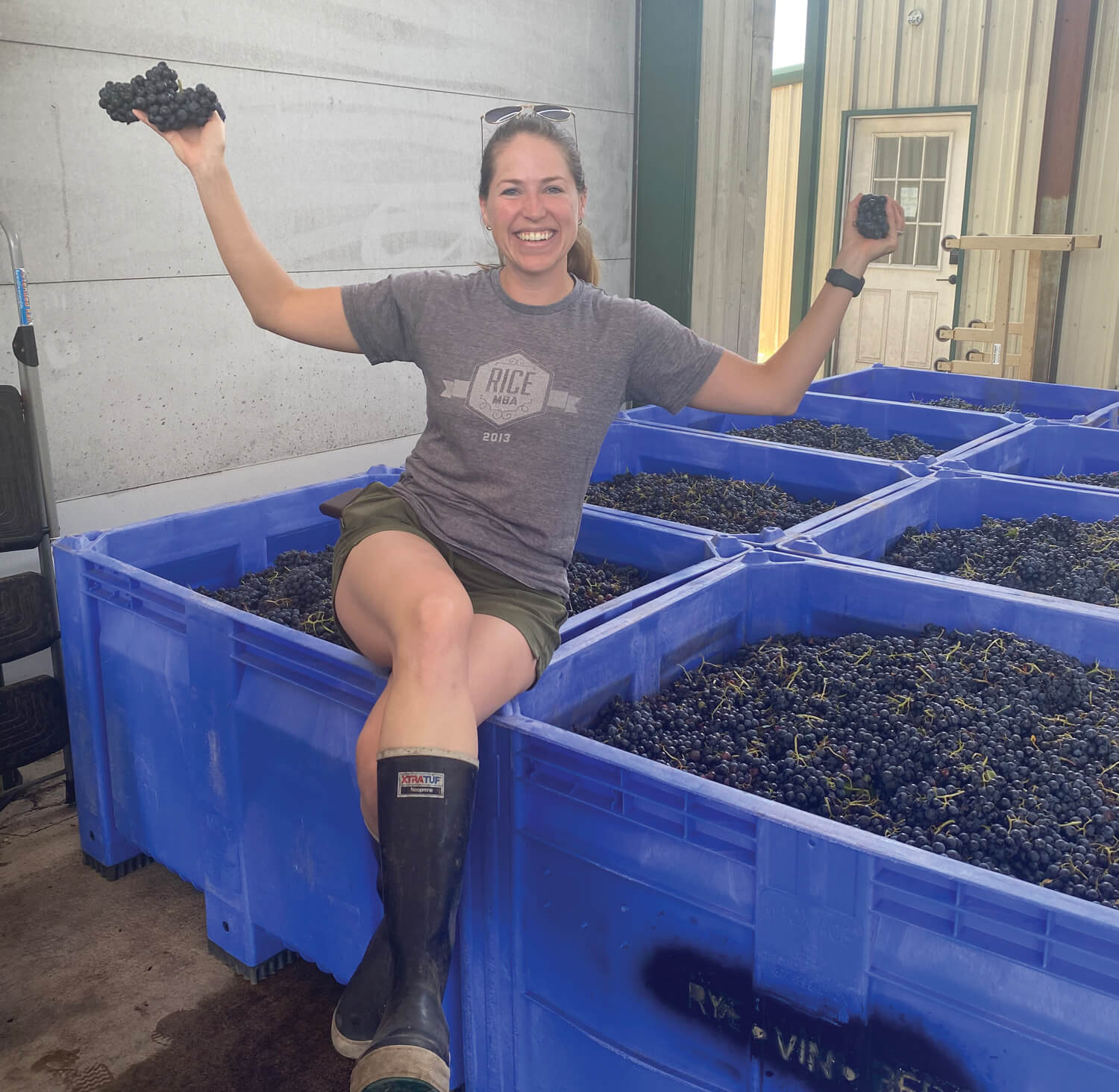
In addition to management consulting, Jenn continues making and selling wine for a cause. Her company, The Cause Urban Winery, has five wines for sale and many more in the works. She really enjoyed sharing her wines at Alumni Reunion and the RBPC this year!
Brian Nolan ‘15
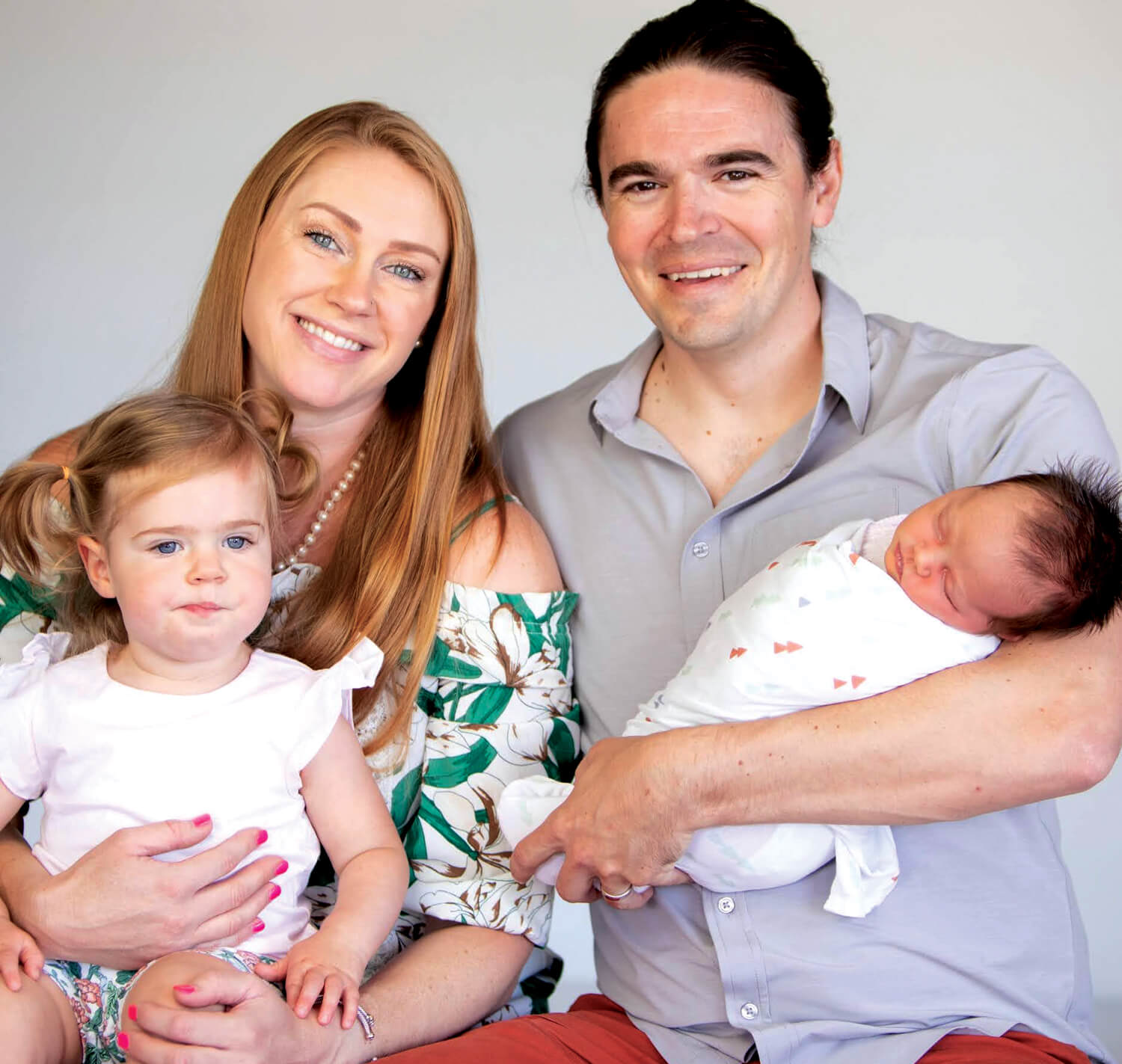
Kelly and Brian welcomed their third child, Quinn Eloise Nolan, in April. She joins Madeleine (born in 2018) and Owen (born in 2021). Everyone is doing well, and they are adjusting to life as a family of five.

Charu Jain ‘17
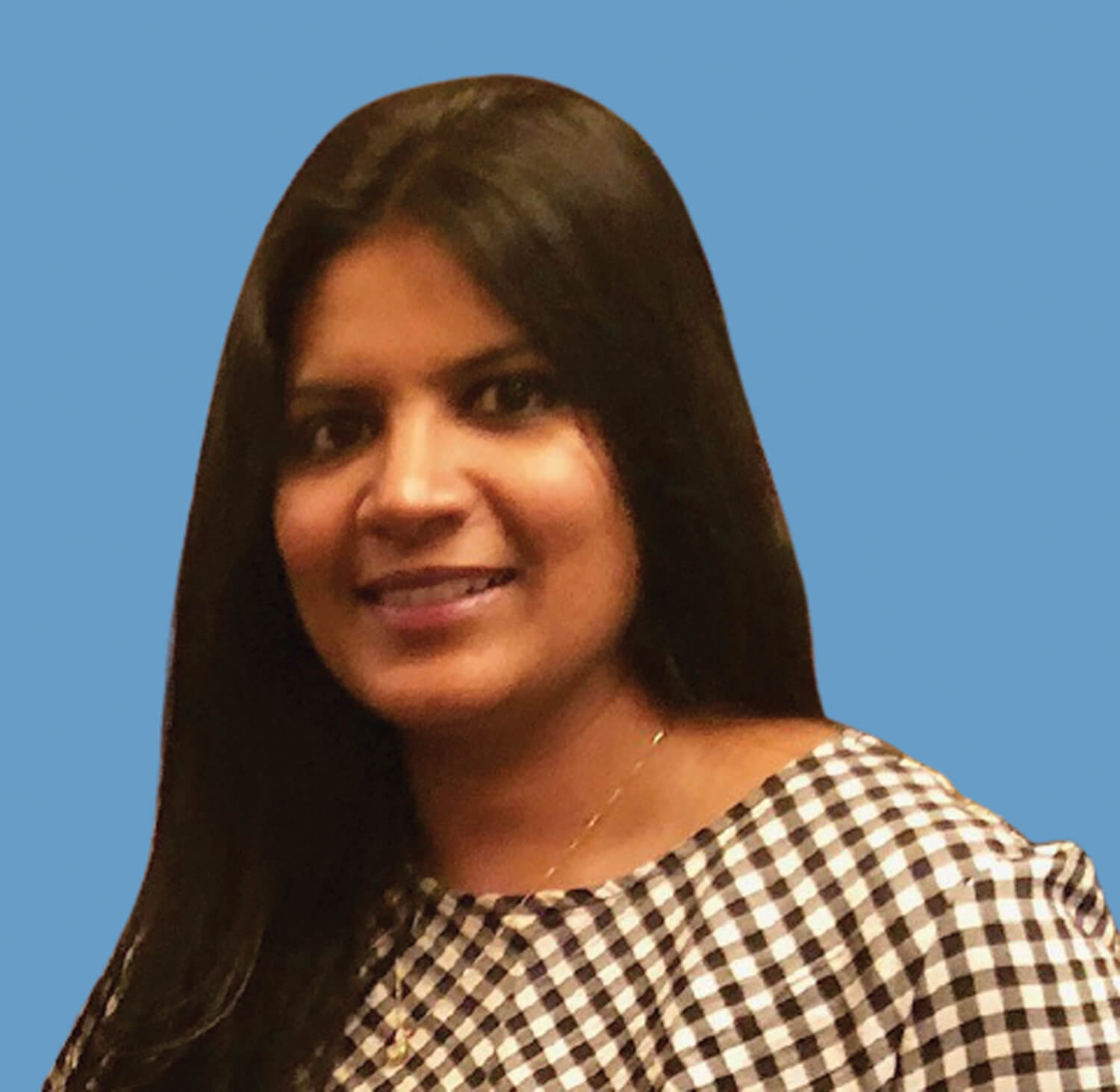
Charu is thrilled to announce that Gasochem International has been recognized in this year’s Inc. 5000 list, securing an impressive rank of 393 in 2023 and 3,328 in 2022! This achievement is a testament to the hard work, dedication and innovation that the team embodies, and this accomplishment wouldn’t have been possible without the support of the incredible team members, partners and clients. Charu was interviewed by Inc. 5000 about her uphill battle to grow Gasochem from scratch, overcoming entrenched sexism even within her family and challenges from chemical industry peers. Charu would like to extend her thanks to Rice University. The unwavering support and resources they provide played a pivotal role in her journey and accomplishments.
Darrell Morris ‘18
After graduating in 2018, Darrell acquired Well Done Cooking Classes. They have recently moved to the bustling Spring Branch area at 8207B Long Point Road with their neighbors Feges, Slow Pokes, Blind Goat, Stuffed Belly Cosmic Ice Cream and more!

Heather Mellinger ‘19
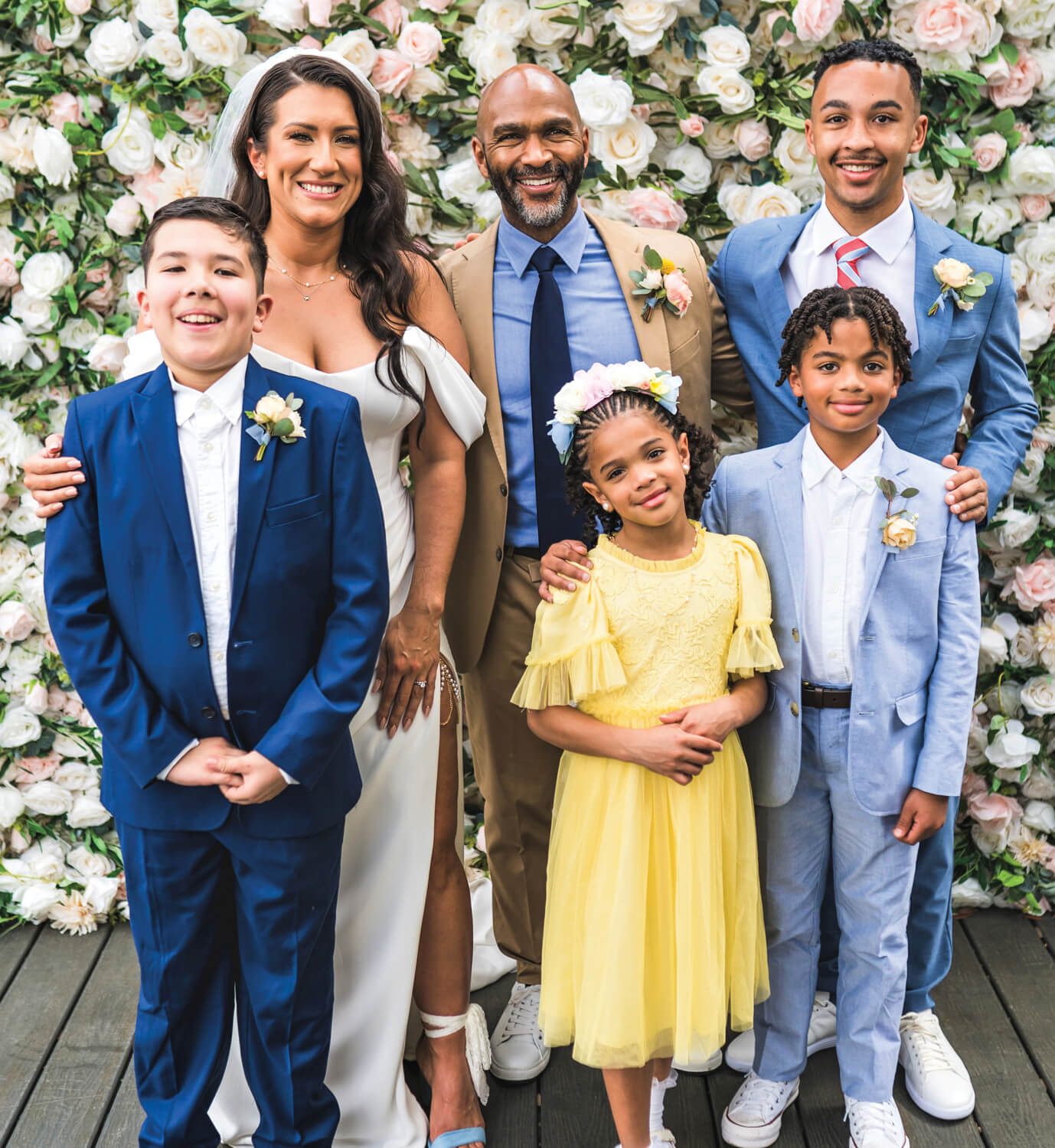
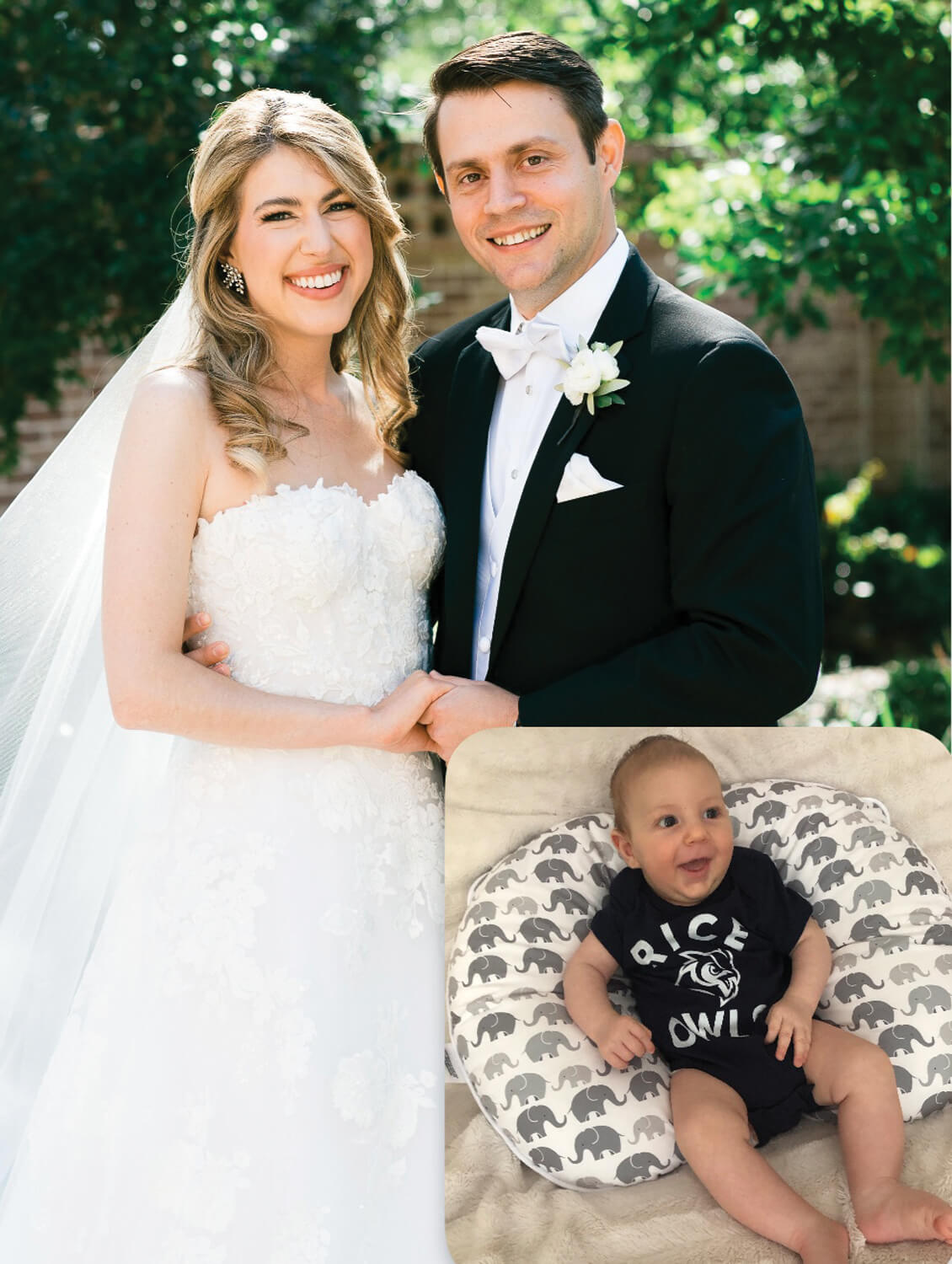
Besart Dibra and Heather Mellinger were married October 2019 surrounded by many of their Rice friends. They were overjoyed to welcome their new little Owl, Thomas, in April this year.
Marc Spieler ‘19
Marc Spieler and his wife, Shelly, now have two Scenthound franchise locations in Houston. While Marc continues to lead NVIDIA’s global energy vertical, Shelly runs the day-to day operations of the routine hygiene and grooming businesses. Having three of their own four-legged family members, they saw the brand as an opportunity to bring the routine hygiene care all dogs need to busy households like theirs in the River Oaks and Meyerland areas of Houston, with a Heights location coming online in early 2024.
Stacy Callahan ‘20
Stacy and Conor Callahan (Ph.D. ’19) welcomed their first child, Dylan Thomas, on July 22.

Brian Jackson ‘21
Brian accepted a new role as the manager of renewables origination at TransAlta Corporation, where he oversees the company’s renewable energy power purchase agreement origination activities in the United States.
Marco Meneses ‘21
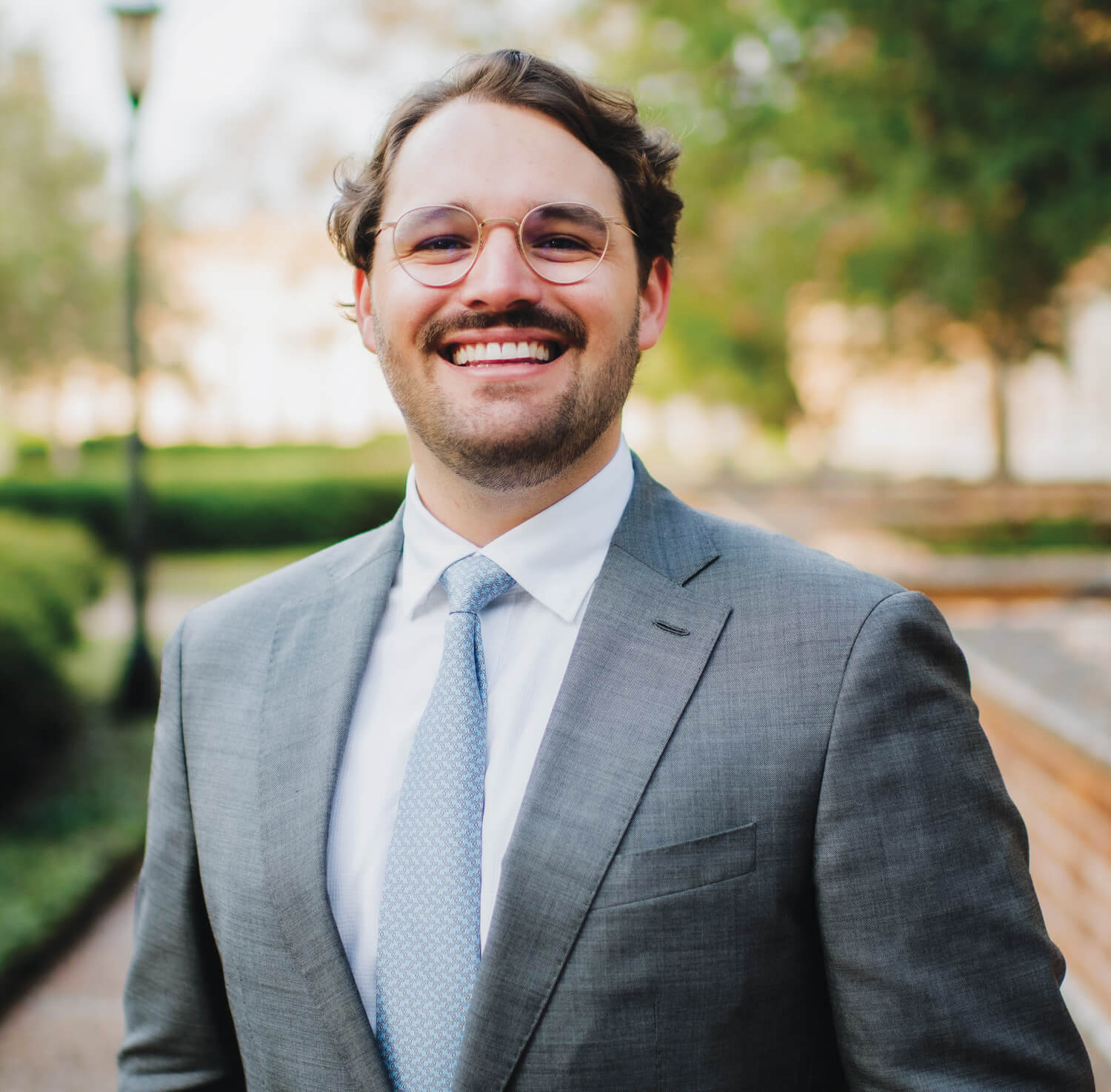
Following his graduation in 2021, Marco embarked on his entrepreneurship through an acquisition adventure. In 2023, he accomplished the acquisition of American Directional Technology, a company specializing in the manufacturing of downhole drilling tools. Subsequently, Marco and his family made the move to Oklahoma, where he is now operating the business full time.
Arthi Vasudevan ‘21
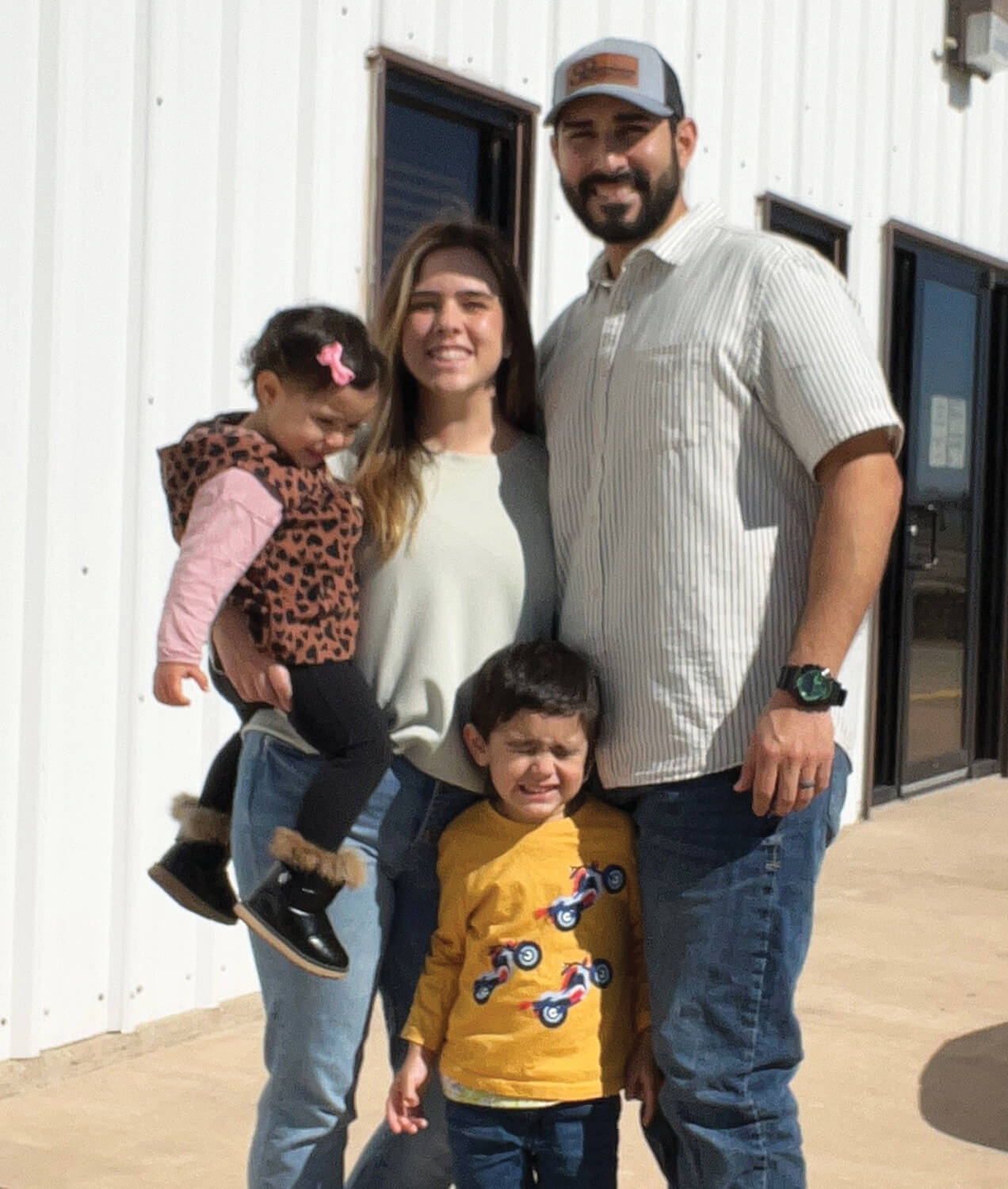
From the courage she gained earning her Rice MBA, Arthi started writing a children’s book on cybersecurity called “Cyberama,” which was published in September. The book raises awareness on internet safety for kids 7-13 through an adventurous thriller focused on AI and a virtual reality game. There is also a character called Cyber Owl in the book, inspired by Rice MBA, of course! So next time Dean Rodriguez asks her, “What did you do after finishing your Rice MBA?” she can say, “I wrote a book.”

Kimberly Williams ‘21
Kimberly welcomed a new baby girl, Evelyn Rose, on July 2, 2023! The family is so thrilled to have a new future Owl to love.
Victoria Cowthran ‘22
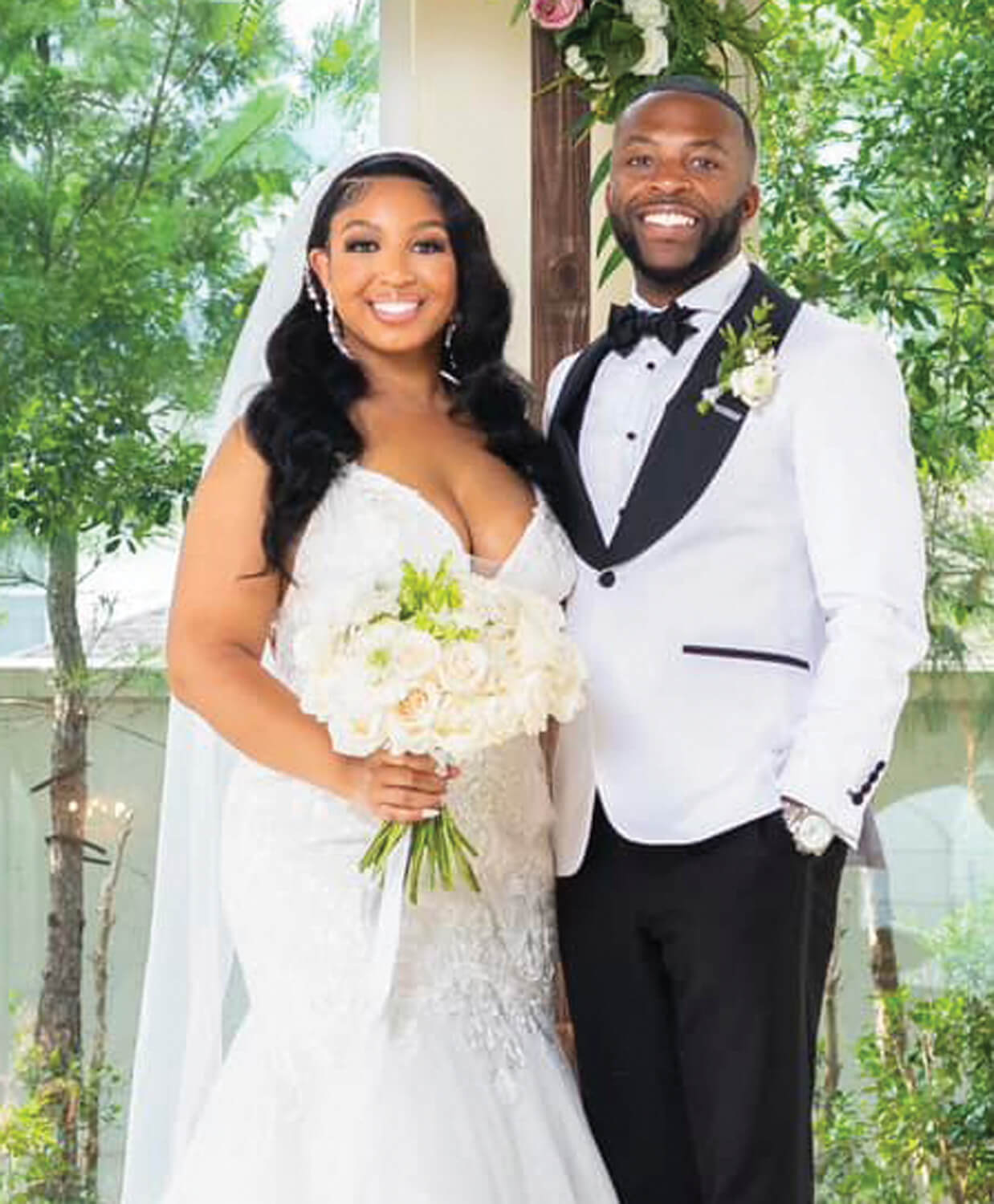
Victoria Cowthran (Hills) ’22 found love in Houston two weeks before attending launch as an MBA student in 2020. She married her husband, Dr. Alan Cowthran, on Sunday, June 4, 2023 in a private wedding with family and friends.
Rachel Garcia ‘22
Shortly after the completion of her degree, Rachel was promoted to associate vice chancellor, teaching and learning, at San Jacinto College. San Jacinto College is a local community college on the east side of the Greater Houston area.
Brett Harmeling ‘22
Brett is bringing Verijet airline to Texas and democratizing access to private aviation.

Jason Johnson, M.D. ‘22
Jason was promoted to colonel in the United States Air Force during a ceremony at Ellington Field JRB in Houston in September.
Kat Wright ‘23
Kat joined HP as a technical program manager in May 2023.
Linda Potter (EMBA ’13) passed away from pancreatic cancer July 16. She fought a valiant fight for over three years against the disease. Linda had recently retired from Powell Electrical Systems Inc. after 16 years of dedicated service. She was a passionate volunteer for the Houston Rodeo, Toys for Tots, Girl Scouts and many other organizations. She will be dearly missed.

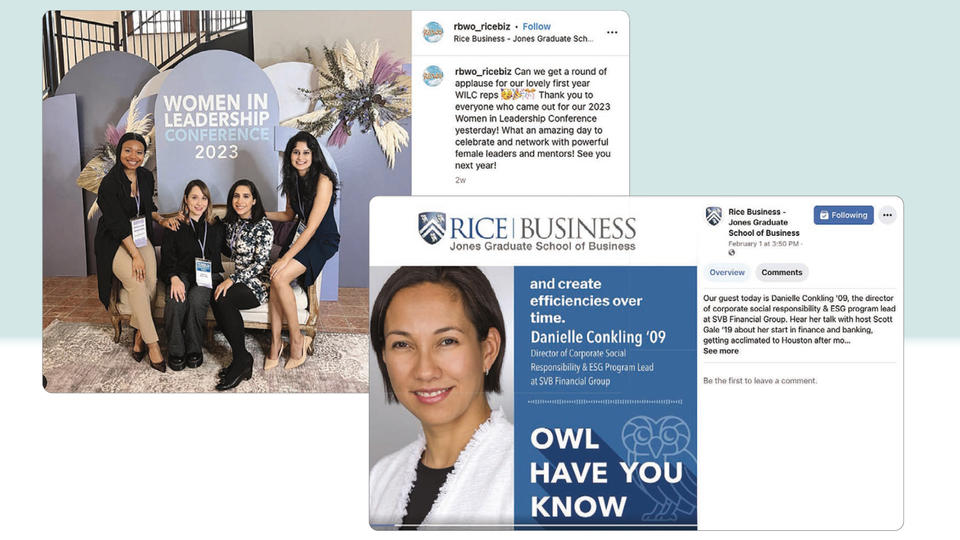

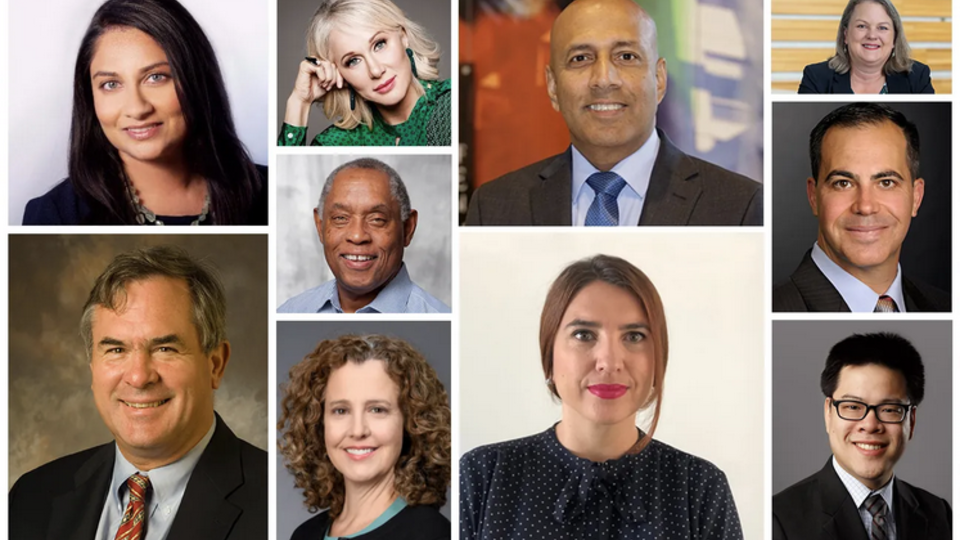
Poets&Quants asks its Best & Brightest MBAs and MBAs To Watch to share the faculty member who made the biggest impact on their business school experience. Rice Business professors John Wisneski and Eleanor Putnam-Farr have both been named in this year's list.
How Tyler Clason ‘22 tackled water access and education in Nicaragua.
How Tyler Clason ‘22 tackled water access and education in Nicaragua.
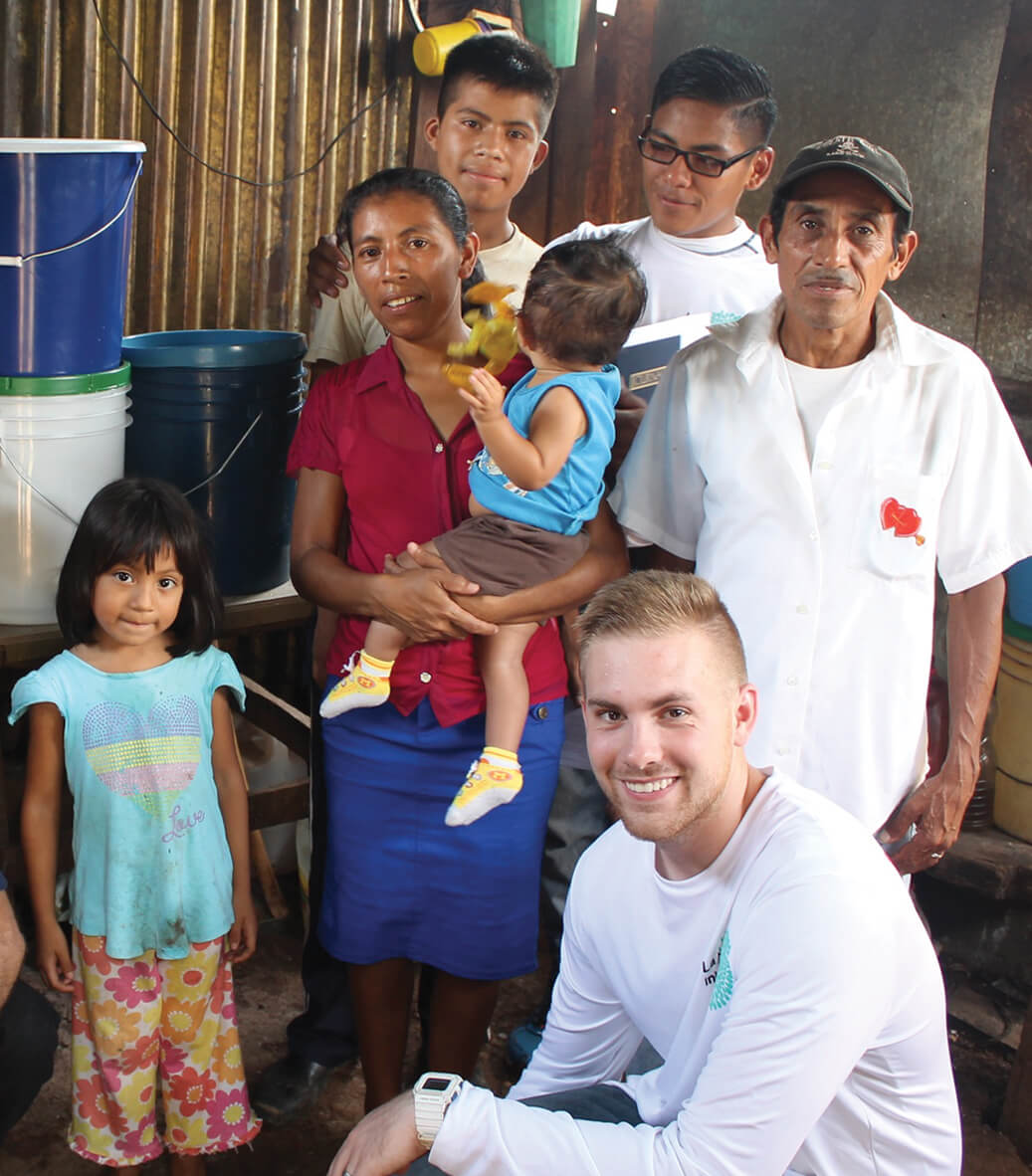
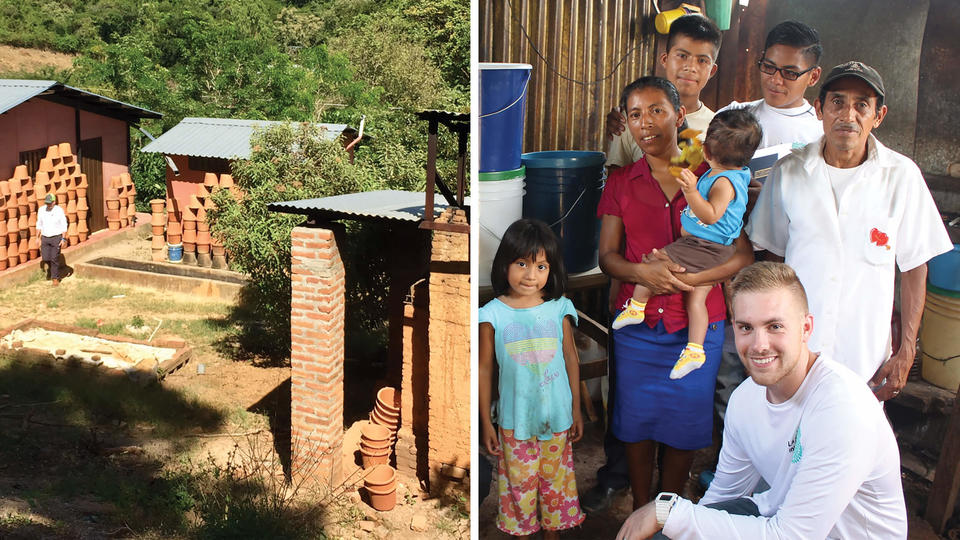
When Tyler Clason walked through La Dalia, Nicaragua, during a mission trip in 2015, rain water slid down the street from a recent storm. It was during that walk that Clason watched a young mother bend down near a rain gutter to catch the runoff in a baby bottle. Then she took that water, added formula, and gave it to her child. Clason knew then that he had to do something about water access in the area, as well as education around water cleanliness and health.
Though Clason loved La Dalia and the coffee and sugar cane farming families that made up the village, the actual living conditions in Nicaragua were tough, so the mother’s water collection technique really wasn’t surprising. “Living conditions are extremely humble in Nicaragua,” says Clason, who had lived and worked in the country for two years. “Most people never had a fridge, never had air conditioning, never had an automobile, never had a bicycle. Homes were made of plastic tarps or bamboo paneling or cinder blocks — but even cinder block was considered a luxury in some areas.”
When it came to running water, things didn’t look much better. Some homes had running water. Others did not. Clason’s hut was part of the 25% of Nicaraguan homes that were hooked up to the municipal system, so he was lucky in the fact that water came out of the pipes, but when he went to drink his first glass in his new home, he saw that it was teeming with mosquito larvae. “In some situations,” says Clason, “the municipal water system is less healthy than a natural water system.”
When Clason returned to Brigham Young University, where he was pursuing his bachelor’s degree, he got to work creating what would eventually be called OneWater — a nonprofit aimed at education around and accessibility to clean water in Nicaragua. Creating a nonprofit can be difficult — finding funding and volunteers can be a struggle — but the journey is compounded when the nonprofit is in a foreign country. Clason learned two things early on. One, he would need the locals’ help in order to make OneWater work, especially in a country that harbored distrust for Americans. Two, he would need a career that would allow him to support OneWater with his time, as well as financially. OneWater would never be a source of income. Clason wrote into the bylaws of OneWater that only local Nicaraguan labor would receive compensation/salary.
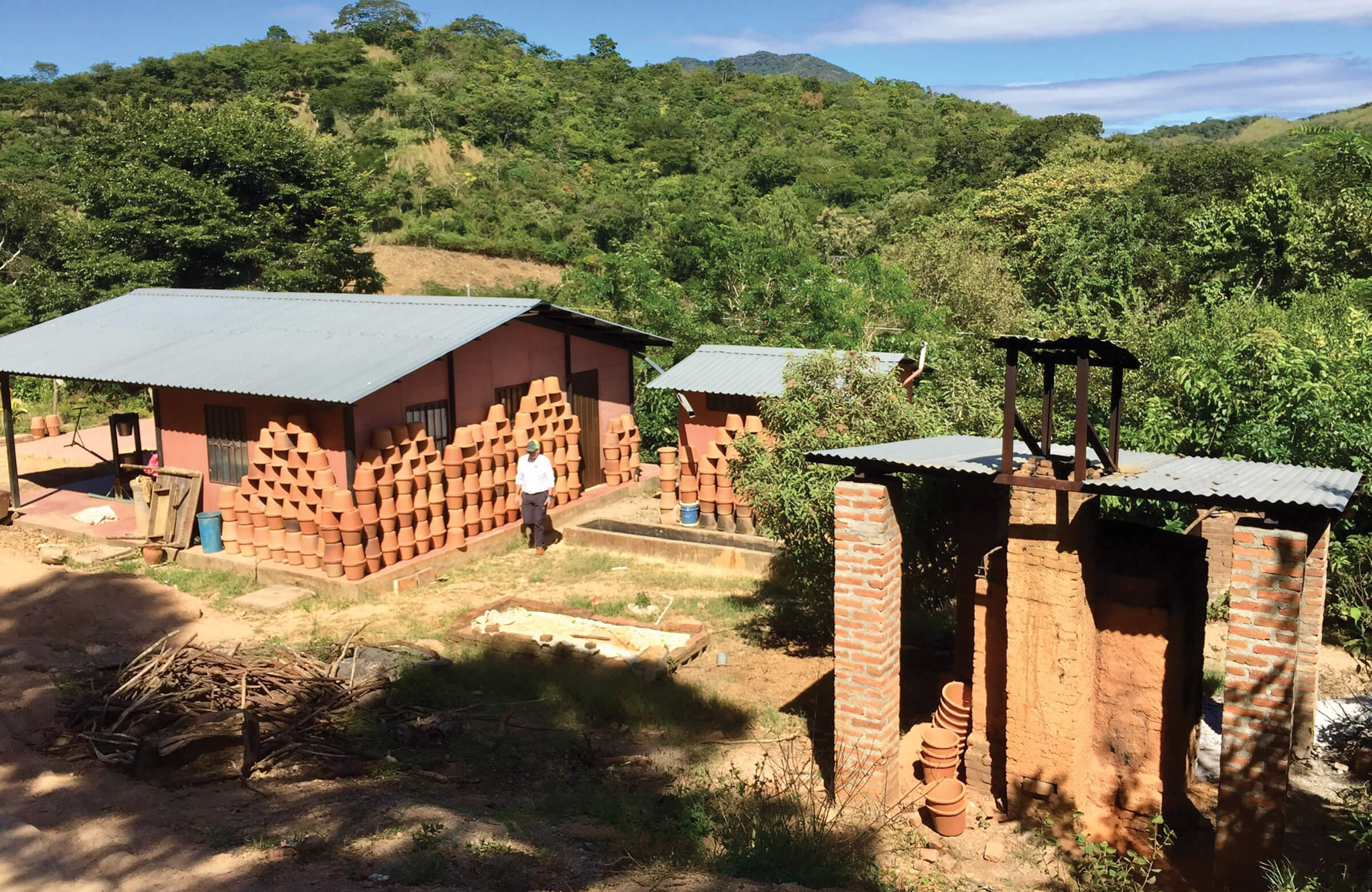
To achieve the former, OneWater’s board created the role of local agents, often called village Water Captains, who are trained in filtration systems and OneWater’s educational materials. Local agents act as liaisons between OneWater and the homes in their villages, helping to troubleshoot filtration system problems and identifying villagers who need the filtration systems the most.
To achieve goal number two, Clason left his role with Ernst & Young to pursue his MBA full time with the aim of continuing a career that would allow him both financial flexibility and work-life balance to continue to make OneWater a success. “Rice was a no-brainer,” says Clason. “This is a school that prides itself, rightfully so, on having global impact and accepting students from all over the world.” That global business strategy was a must-have for Clason, who ultimately joined Dow Chemical in a Global Corporate Strategy role. Joining Dow after his MBA aligned with this goal as well. “A career with Dow post-MBA allows me to further develop my global business acumen.” He admits that right now, it’s difficult for him to step aside from the day-to-day of OneWater and focus on his post-MBA early-career development. “I want to be involved, but that’s selfish because it’s not about me. It’s about the people in Nicaragua,” he says.
“I just love it. I love being down there in person. I love doing the work. I love talking to the people. I love solving the problems.”

He relies heavily — and is grateful for — an expert operations team in country. “I am able to hone skills learned at Rice in sustainability, global business and strategic problem-solving in my career at Dow that will help develop me to be a better leader and ultimately drive more value with OneWater.”
Clason also relies heavily on the State Department to protect himself and his employees and volunteers. The anti-America sentiments in Nicaragua are so strong that Clason has had rocks thrown at his head and was robbed several times at knifepoint and once, with a machete. “It became an unfortunate pattern,” says Clason, “but you know what? I was never jaded by it. It never impacted how I feel about the Nicaraguan people.” In response, OneWater has built tight processes and controls for the team, and they’re careful to make sure that Nicaraguans are leading the effort. “It’s always a Nicaraguan leading the conversation in the work we’re doing down there.”
The model seems to be working. To date, OneWater estimates that they have helped filter more than 1 million gallons of water for Nicaraguan families and saved those families $40 a month and 900 hours of time that is normally spent carrying or cleaning water, or attending to family members’ health issues caused by contaminated water and systems.
Though he loves the travel, the place, the work, the people and the problem-solving, Clason wants to ensure that OneWater can operate without him. “A bunch of Americans can go down and do the work, but the greatest part is that when we leave, it’s a continual operation, whether we’re there or not,” he says. “And that, ultimately, is what we want OneWater to be.”
Learn more about OneWater at one-water.org
Renowned accounting professor Stephen Zeff recently celebrated his 90th birthday, but he isn’t slowing down.

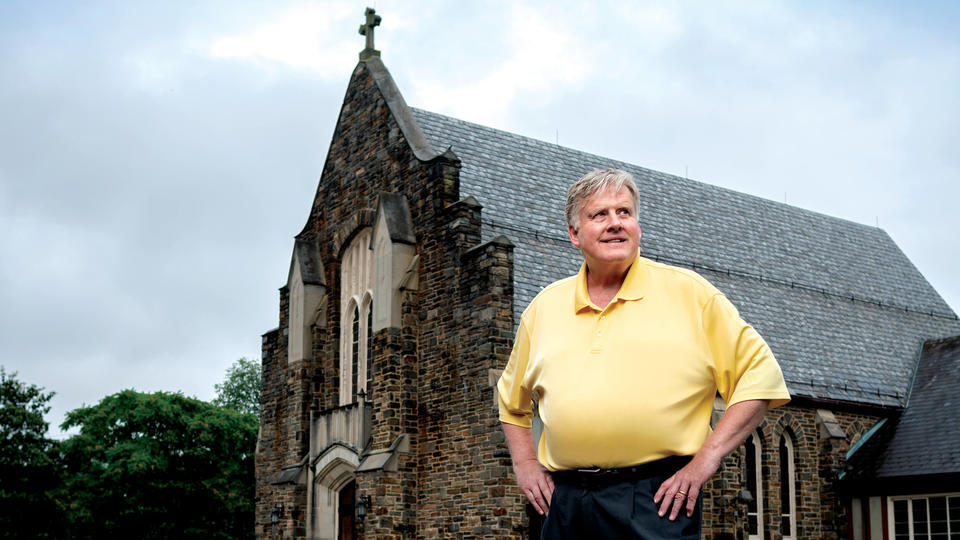
As houses of worship close across the country, we need a new model for the buildings’ futures.
Renowned accounting professor Stephen Zeff recently celebrated his 90th birthday, but he isn’t slowing down.
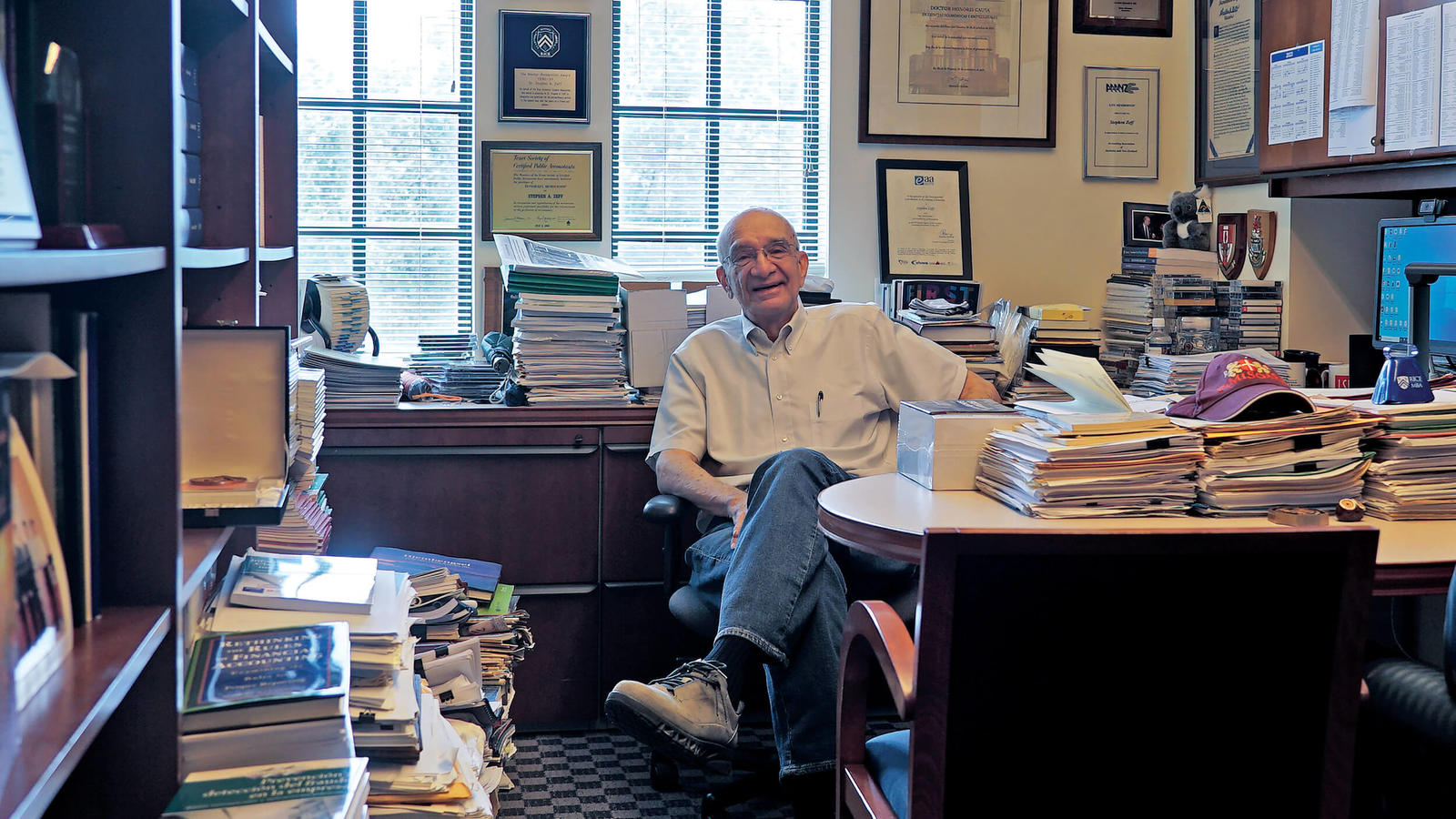
Where there’s room for both wisdom and whimsy
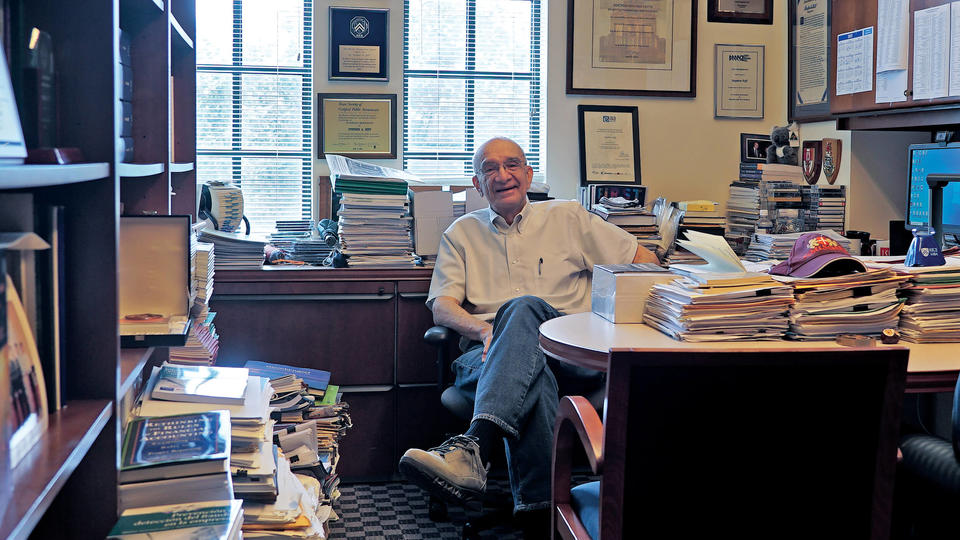
Renowned accounting professor Stephen Zeff recently celebrated his 90th birthday, but he isn’t slowing down. Earlier this year, he gave two major international lectures in Finland and England. His youthful energy comes from teaching, he says. “If you stop moving, learning and growing, your students are going to leave you behind.”
Zeff’s office is a tight but magical space, especially if you love books and enjoy talking about history and travel. His walls are lined with texts, awards and personal effects, and his space includes not just one – but two – overflow areas in McNair Hall that house his one-of-a-kind collection of accounting materials dating to the early 1900s.
We recently spoke with Zeff about some of the objects in his office that mean the most to him:
Among fellow accounting historians, Zeff has a reputation as someone who treasures old books. It’s a reputation he enjoys. His two overflow spaces are tucked away in the Business Information Center (BIC), and his archive is likely the only of its kind. Many of the books and journals here have not been digitized and constitute the only remaining copies. Zeff’s textual rescues have proven essential to dozens of researchers in the field.
Here’s to many more years!
“Our location allows us to do what great educational institutions do best: give our students and faculty the resources and connections they need to solve global problems for the betterment of all.”

Meet the contributing writers to this edition of Rice Business Magazine.
The state has yet to return to its pre-pandemic unemployment rate of about 3.5%, even as it leads the country in new jobs created. Rice Business dean Peter Rodriguez weighs in: “You can see the unemployment rate go down, but it will go down because of frustrated workers exiting the labor force and even exiting the state.”

Ten Houstonians are in the hot seat for deciding the best companies and individuals in Houston's innovation ecosystem, including Aziz Gilani, adjunct professor of entrepreneurship at Rice Business.
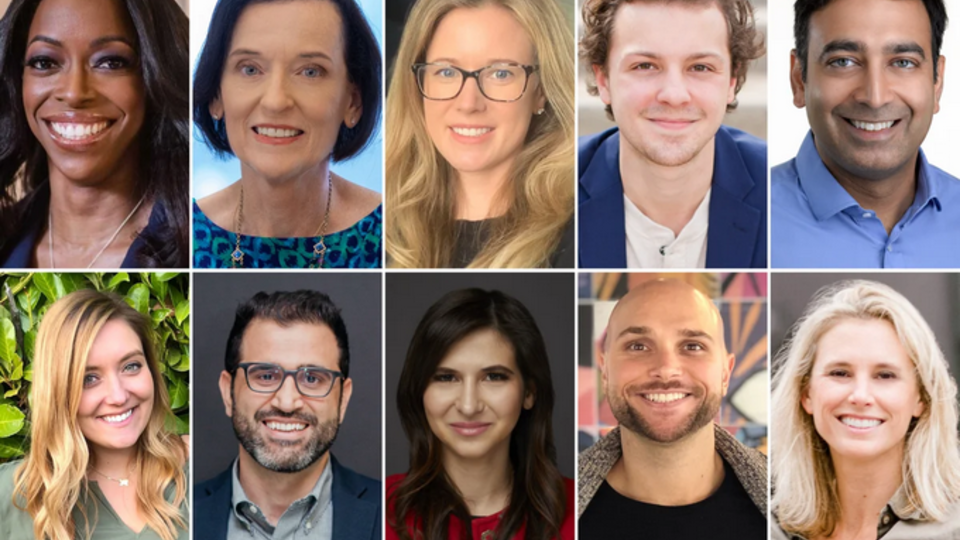
Students representing all nine of our programs
PMBA-W Chido Osueke ’24
Plans post-graduation?
I will continue to work with industry leaders focused on reducing greenhouse gas emissions in the utility industry through carbon capture technologies, renewable power generation and the reduction of sulfur hexafluoride (SF6). I plan to execute business and engineering solutions that deliver tangible benefits to the global community throughout the value chain.
MBA@Rice Elizabeth Garrett ’24
What do you hope to take away from your time at Rice Business?
My time at Rice has already given me the ability to see business challenges through perspectives I just didn’t have access to before. Additionally, I’ve made strong connections with some incredibly bright and interesting people. They open my mind and give me energy that I know will continue to fuel me as I carry on with my journey.
Undergrad Business Major Daniel Ling ’24
Plans post-graduation?
I’ll be joining Bain full time as an associate consultant in the Houston office! But before that, I plan to take some time off and travel — China, Argentina and Europe top of list — as well as work on scaling my e-commerce business.
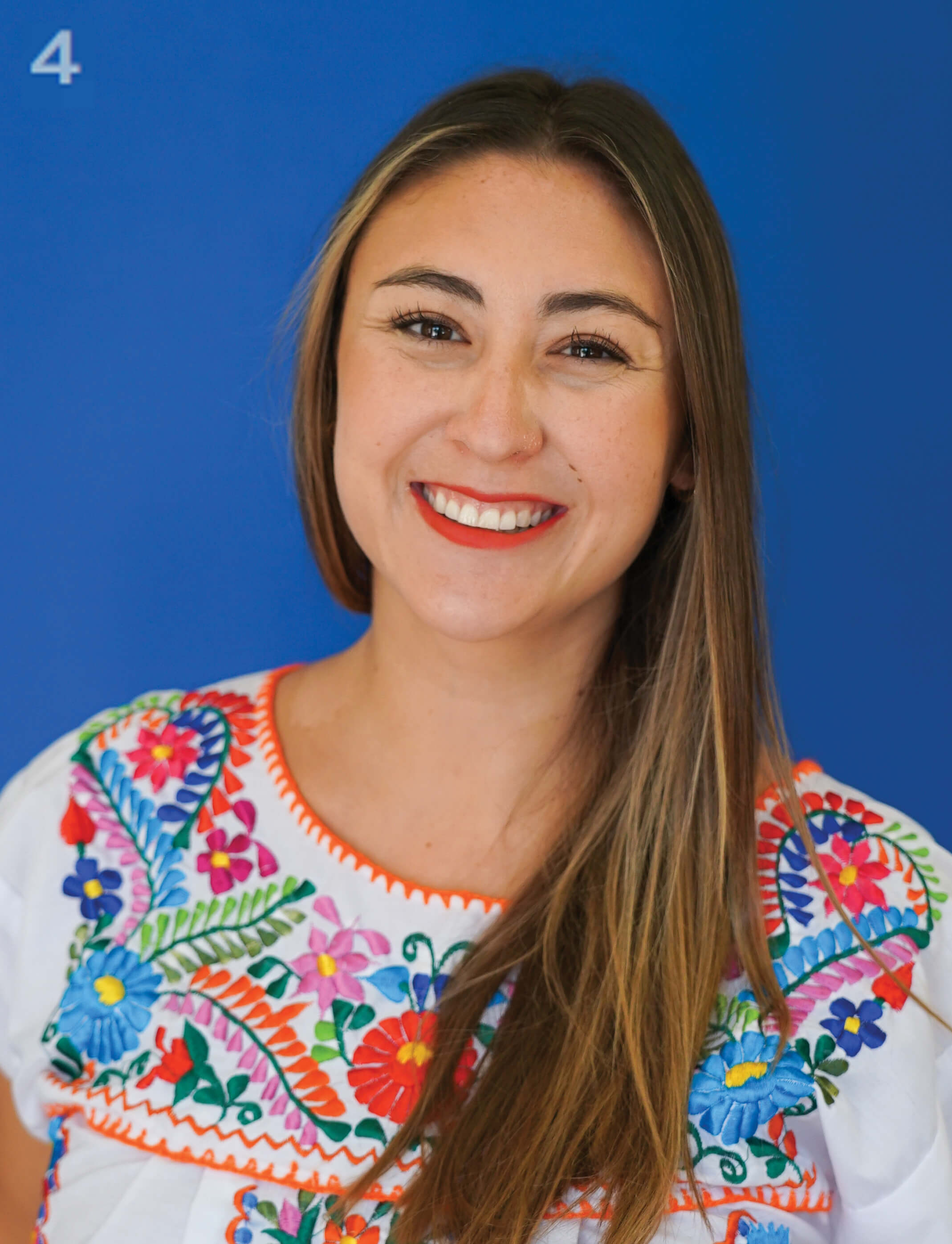
PMBA-E Nikki Suarez ’24
What do you hope to take away from your time at Rice Business?
As a Hispanic woman, I view my experience here as a pivotal step to breaking through the glass ceiling and leveraging my unique perspective and skills honed during this MBA program to earn a seat at decision-making tables.
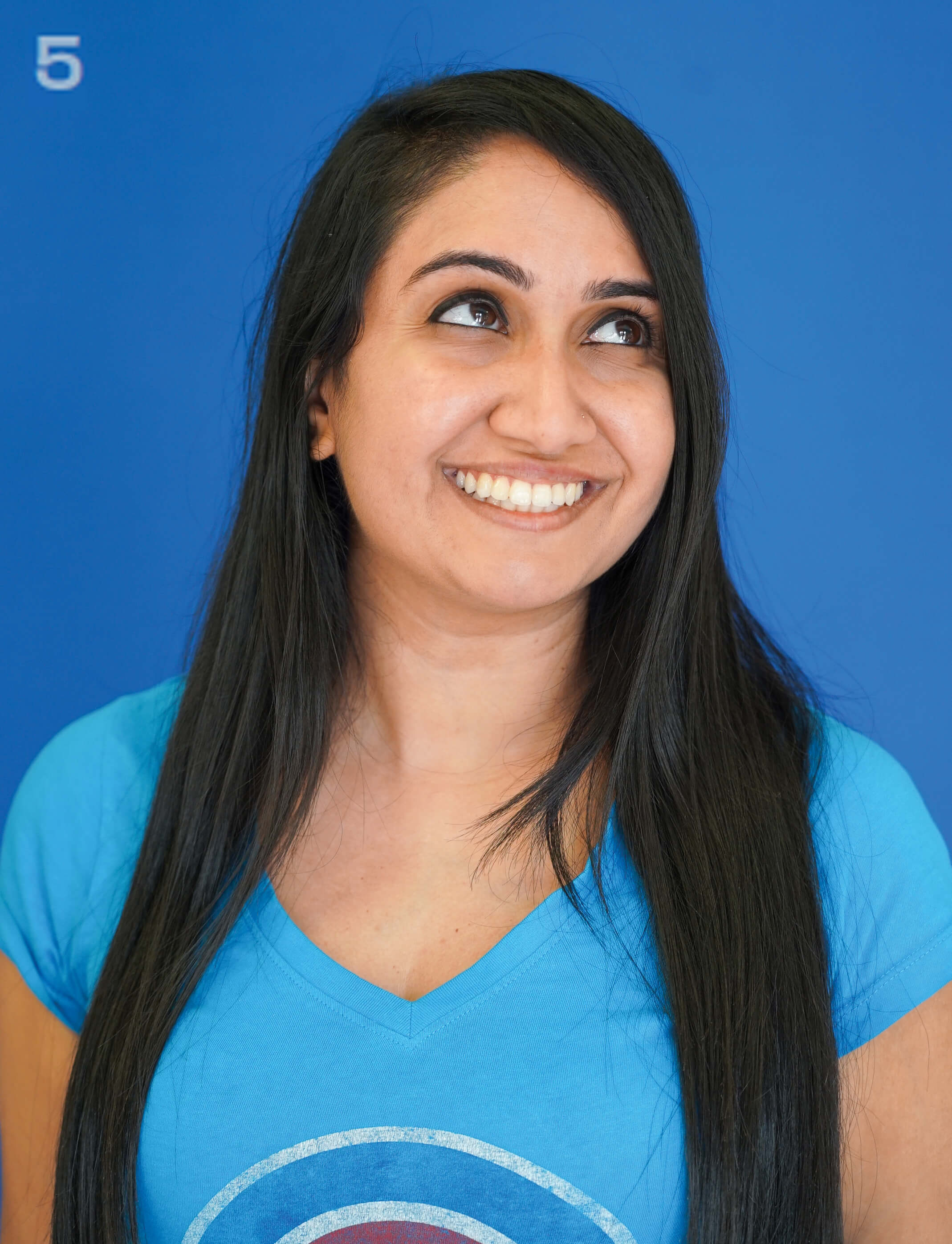
FTMBA Isha Vaishampayan ’24
Plans post-graduation?
I would love to secure and build my career in the technology industry. Also, I want to travel the world to explore, immerse myself in new experiences and gain new perspectives. And finally, I would love to volunteer to serve my community and engage in meaningful work for underrepresented communities.
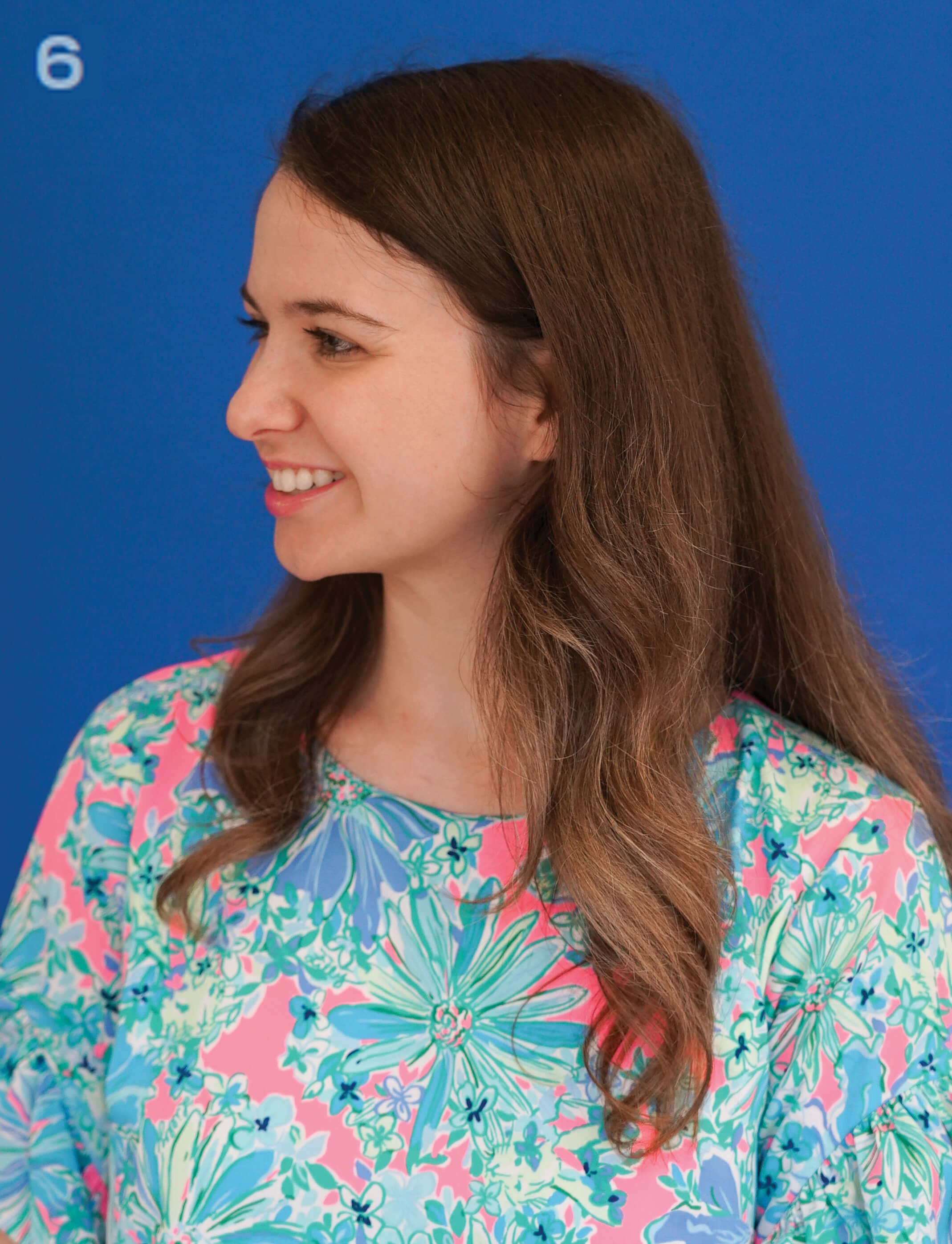
Hybrid MBA Alexis Smith ’25
Plans post-graduation?
My goal is to advance within my current company, Next Level Medical. I’d like to attain a C-suite leadership position, through which I can continue positively impacting team members’ lives while furthering our mission of delivering high-quality, affordable healthcare.

MAcc Ethan Powell ’24
Favorite book?
“The Giving Tree ” by Shel Silverstein. My parents read this book to me all the time when I was growing up, and then gave me a copy as a high school graduation gift so I would always remember to serve others and to never take people for granted when they make sacrifices for me.
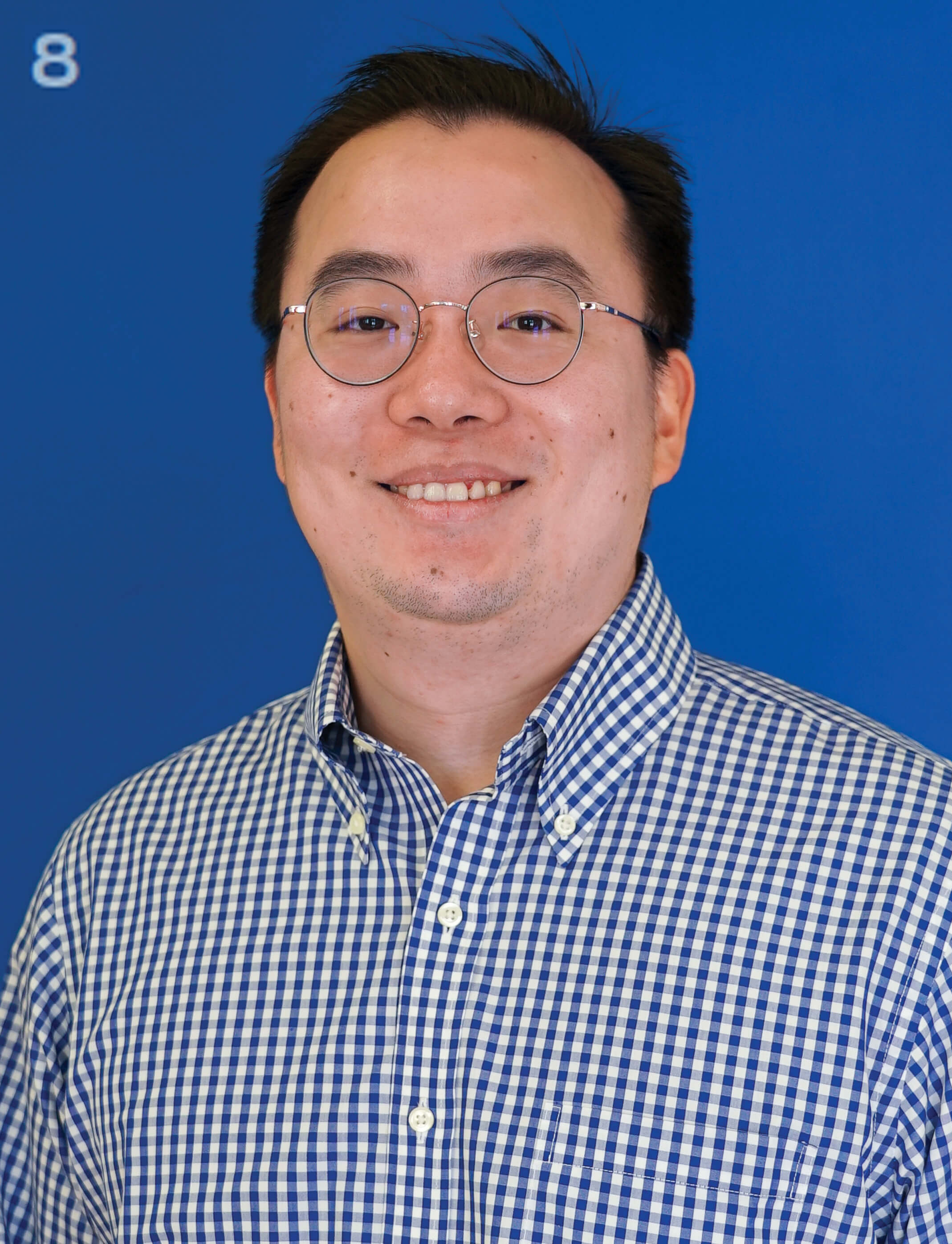
Ph.D. Baifu Chen
Favorite book?
“The Three-Body Problem” by Cixin Liu. I like to quote George R. R. Martin’s comments on this book as “a unique blend of scientific and philosophical speculation, politics and history, conspiracy theory and cosmology.”
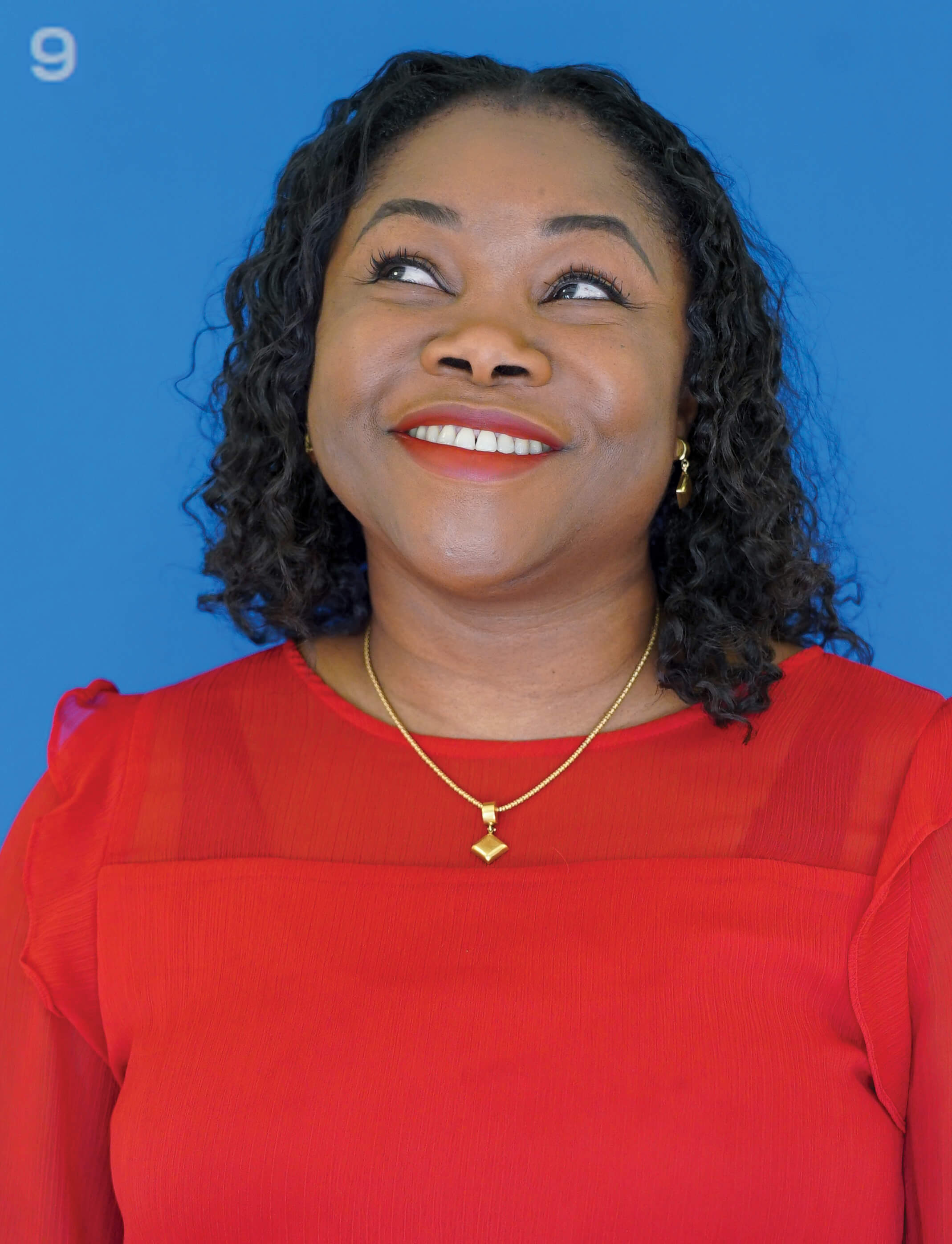
EMBA IJ Onianwa ’24
Favorite book?
“Dare to Lead” by Brené Brown. Her take on leadership resonates with me. To me, it is more than just a leadership book. The insights in her book can be applied to any relationship situation.
Renowned accounting professor Stephen Zeff recently celebrated his 90th birthday, but he isn’t slowing down.
There is no doubt that the energy transition will happen, but we’re all still figuring out how to navigate it.
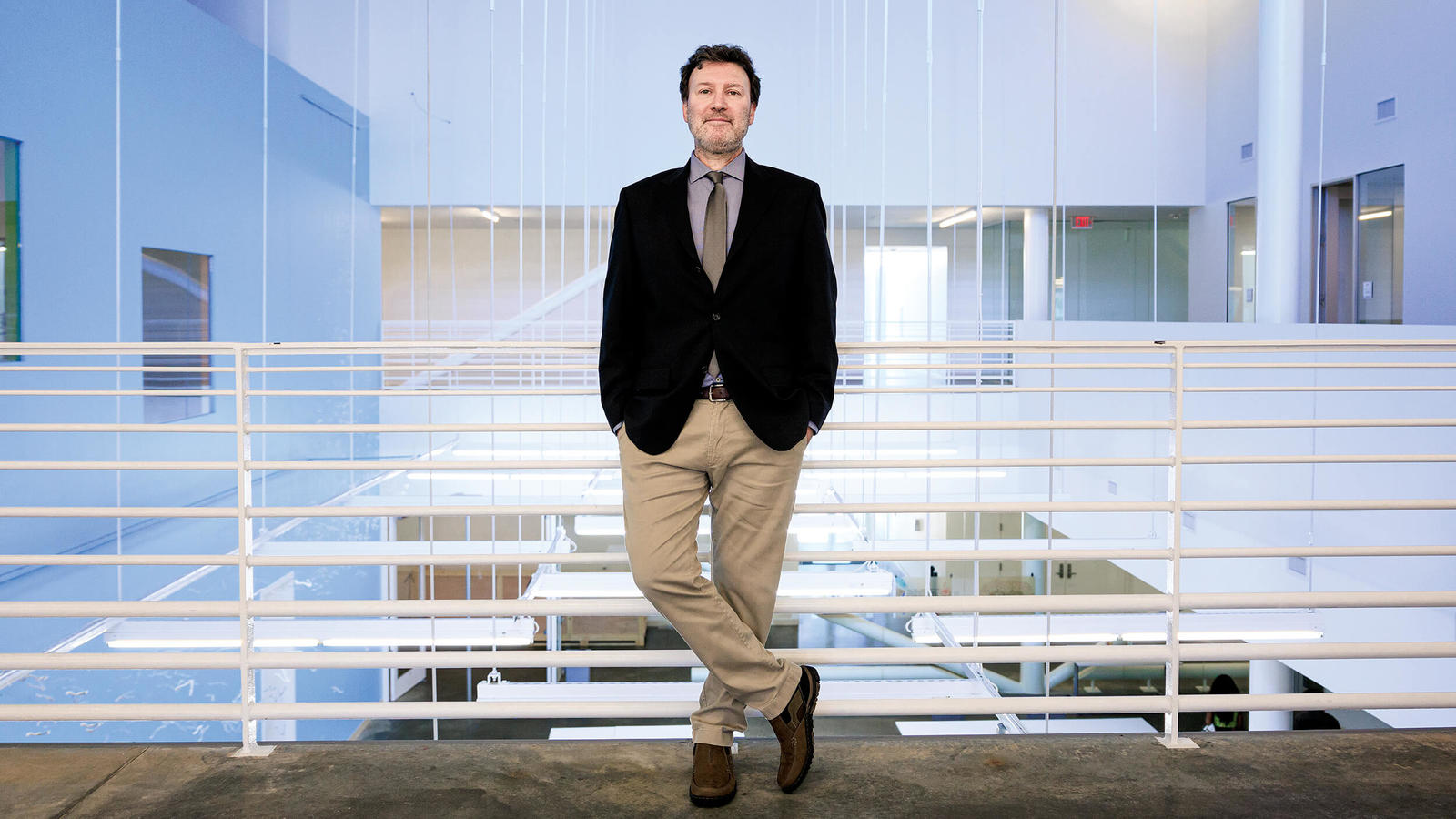
There is no doubt that the energy transition will happen, but we’re all still figuring out how to navigate it. Nicola Secomandi, the Houston Endowment Professor of Management – Operations Management, is engaged in related research and teaching to help businesses prepare.
Governments and businesses will make crucial decisions about the energy transition in the coming decades — and many of those decisions will hinge on research and current best practices. In July, Nicola Secomandi assumed a new role at Rice Business: senior advisor to the dean on energy transition.
In this role, Secomandi will conduct new research on the energy transition process and will teach rigorous, practical and relevant topics related to the transition. He will also join others at Rice Business, including Linda Capuano, professor in the practice of energy management and advisor to the dean on energy initiatives, in participating in — and adding to — the global conversation and thought leadership on the energy transition.
Here, Secomandi, who came to Rice Business from Carnegie Mellon University’s Tepper School of Business a year ago, discusses his new role, how he hopes to make an impact at Rice Business and beyond, and the complicated challenges ahead.
Since Rice Business is located in the energy capital of the world, do you agree that we are in a unique position to examine and influence the ways companies are making decisions around the transition?
Indeed, energy and Houston go hand in hand. Organizations and companies in the Houston area are actively engaged in the energy transition. Oil and gas firms have long been key constituencies in our state. They are currently engaged in investigating low carbon solutions — for instance, supplementing their operations with carbon capture, use and storage. As another example, local stakeholders have identified the Houston area as an ideal candidate for a global clean hydrogen hub.
I am fortunate to be involved with our MBA program’s energy and operations curricula, for which I’ve developed and delivered an elective course on managing energy assets. Because several of our MBA students work in, or will join, energy companies, this course is a two-way dialogue. I can learn from students about pressing business challenges that energy companies face. Students can learn how to address, in a structured way, both ongoing and future business issues. There is always a useful tension between addressing current challenges and preparing to solve future problems. My course is designed to help facilitate that kind of critical thinking.
In addition, events this year will focus on the energy transition. The Rice Alliance for Technology and Entrepreneurship organizes the Energy Tech Venture Forum, which brings together energy venture capitalists, investors and entrepreneurs. This year its attention will be on technologies and initiatives central to the energy transition. The Rice Energy Finance Summit will also showcase the energy transition. Rice Cleantech Innovation Competition, a student contest, will as well. Participating in these events is a useful way to learn about the latest innovations that are taking place — or will take place — in industry.
Talk to us about your work at Carnegie Mellon. How will that work in energy influence your work at Rice Business?
Most of my energy-related work so far has been on energy storage — mainly natural gas in underground caverns, but also liquefied natural gas at regasification terminals and electricity in batteries, both stand-alone and in conjunction with wind energy generation. Further, I have worked on natural gas production and transportation, including technology adoption and deployment, and more recently on biorefineries.
Carnegie Mellon has a culture of engaging in research focused on important real-world problems; that is, the school takes a problem-solving approach. For example, my energy work is grounded on the operations of merchant energy trading companies, a business that I learned by working directly in the field after my Ph.D. The same problem-solving approach will continue to shape my work at Rice Business.

Everyone discusses the energy transition, but the issues are complex and ever evolving. Most people don’t know a whole lot about the best ways to move forward. Where do we start?
The end goal is clear: To decarbonize our society on a global scale. What is unclear are the specific paths different companies and governments will take to get there. The obvious starting point for me is learning what organizations are doing currently. The transition to a world in which energy will be predominantly clean will take decades, so it’s important that we engage in this process now.
During the pandemic, you spent a great deal of time learning all you could about the ways companies and organizations are approaching the energy transition. In fact, you’ve written a paper on what you found. What can you tell us about the current practices out there?
Yes, I spent a substantial amount of time reading reports by consulting companies and government agencies. I also read about projects that firms are carrying out or are thinking about starting. This activity has given me a broad view on the status quo.
Consulting firms and government agencies are actively engaged in formulating global decarbonization strategies. These strategies are developed with particular assumptions about climate change goals. For instance, they analyze how the balance between fossil fuels and renewable energy sources must shift over time to align with a target rise in temperature. These projections offer companies concrete examples of what needs to happen to achieve these goals.
The challenge for energy and other companies is to decide what to do going forward in terms of actual projects for specific assets. In energy production, there is substantial interest and substantial activity related to carbon capture, use and storage; sustainable fuels; wind and solar; flexible power-generation assets; batteries; long-duration energy storage; and hydrogen.
Bringing all these projects to fruition will require managing massive investments, adopting known and emerging technologies, as well as developing new ones. Two key aspects of the clean energy transition are: one, integrating assets that use current and novel technologies; and two, adapting existing assets to incorporate new technologies. The change from old to new energy systems cannot happen instantaneously. Thus, the world cannot go from 80% fossil fuels to 80%-plus clean energy in a single year. So, existing and new assets or technologies will coexist for some time. Further, reusing old facilities when adopting new technologies can be useful (e.g., repurposing oil refineries into biorefineries).
From your research, are there companies that seem to be at the forefront of the thinking behind the transition? What are they doing that puts them ahead?
Energy and other companies are actively driving the transition. It is common for businesses to rely on valuable insights and expertise offered by consulting companies, but some benefit from collaborations with academics. Every company is grappling with the future of energy. But those who lead are operating with a more sophisticated level of decision making based on data and structured analysis, possibly based on collaborations with academics.
La Poste, the French postal operator, is an early example of practice and academic collaboration driving energy transition business decisions. In 2010, this company conducted a study to decide the mix of diesel and electric trucks in its future fleet. At a high level, this approach entailed determining and comparing the projected total cost of ownership (TCO) of using each of two types of technologies: the then-current non-environmentally friendly technology — diesel trucks — and the then-emerging environmentally friendly one — electric trucks. The analysis showed that the TCO for the non-environmentally friendly technology was initially lower than the TCO for the clean one, but it was forecast to increase, whereas the other one was forecast to decrease. The company should have abandoned the old technology and adopted the new one when the two TCOs were projected to cross. In this application, there was very little uncertainty about when this crossing was expected to occur. Research helped the company determine in 2010 that it should have started replacing expiring leases for diesel trucks with new leases for electric trucks in early 2015, which is what La Poste did.
An analogous approach has relevance to making various energy transition decisions. Specifically, some assets that employ non-environmentally friendly technologies may currently be cheaper to operate than assets that are configured to use clean or cleaner technologies. However, the cost of running the former assets will increase due to their negative environmental impact, whereas the cost of running the latter ones will decrease because of both efficiency gains associated with learning curves and their lack of, or reduced, environmental impact. From a business perspective, the best time to embrace the new technology is when these costs are expected to cross. Many factors can affect this time, including government interventions, access to capital, and technical risk. Structured analysis based on data can support this type of decision making.
As a researcher, your work will influence other scholars, as well as students. What is the process of bringing new knowledge into the academic environment and the classroom?
Bringing new knowledge into the academic environment requires innovative ideas and dedication. Taking this knowledge into the classroom entails selecting relevant concepts and communicating them to students in an engaging way. Business research and teaching are connected via practice because known research results can be taught to students, who can then apply them to address current or future business issues. For example, the La Poste approach and its application is a key topic of my MBA course on managing energy assets. New challenges in the field and discussions with students in the classroom — or after they have taken a course — provide ideas for new research, which eventually makes its way into teaching. My MBA course on managing energy assets shares these features. Discussions with students in the classroom — or after they have taken a course — can also spearhead new research. Sometimes teaching activities themselves can lead to new research.
I’m eager to work on new research on the energy transition and bring it into my managing energy assets course to complement existing content. Becoming more involved with industrial projects would help me sharpen my research by refining my thinking in the context of specific settings or giving me access to data. Vincent Kaminski, professor in the practice of energy at Rice Business, and I have been discussing with the editors of a leading operations management journal the possibility of having an energy consulting company give a seminar on the energy transition to connect researchers and practitioners. The idea is to raise awareness among scholars, especially those in the early stages of their careers, about the real-world challenges associated with this topic. The goal is to inspire them to engage in research that has practical relevance. In addition, during the current academic year, we’ll be admitting the inaugural class of the newly created Ph.D. in operations management. It would be great to be able to attract students interested in the energy transition and do joint research with them in this area. ◆
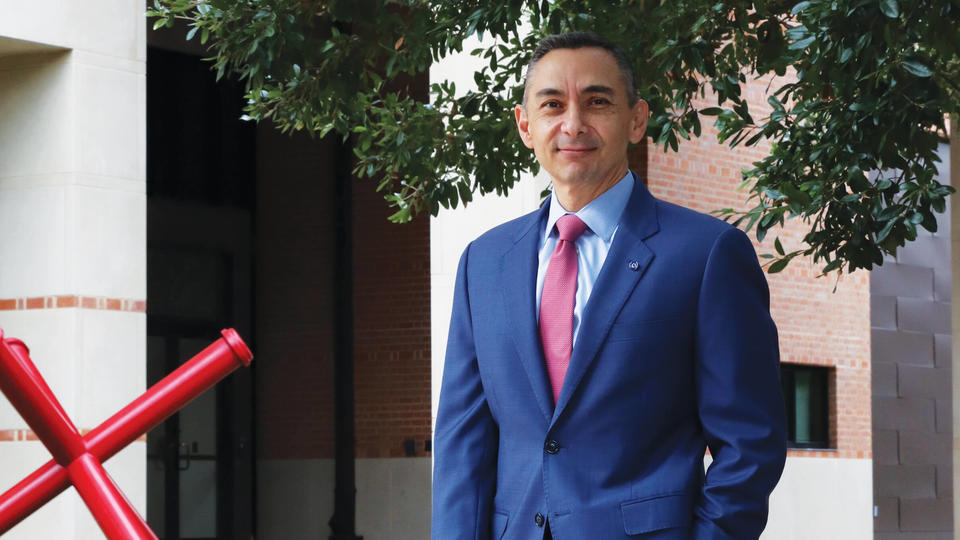
“We have achieved an ascent in rankings, with a recent nod from Bloomberg Businessweek, which named us No. 19. This announcement comes on the heels of another top 20 U.S. ranking (No. 17) from the Financial Times, both of which named us the No. 1 business school in Texas.”
“We have achieved an ascent in rankings, with a recent nod from Bloomberg Businessweek, which named us No. 19. This announcement comes on the heels of another top 20 U.S. ranking (No. 17) from the Financial Times, both of which named us the No. 1 business school in Texas.”
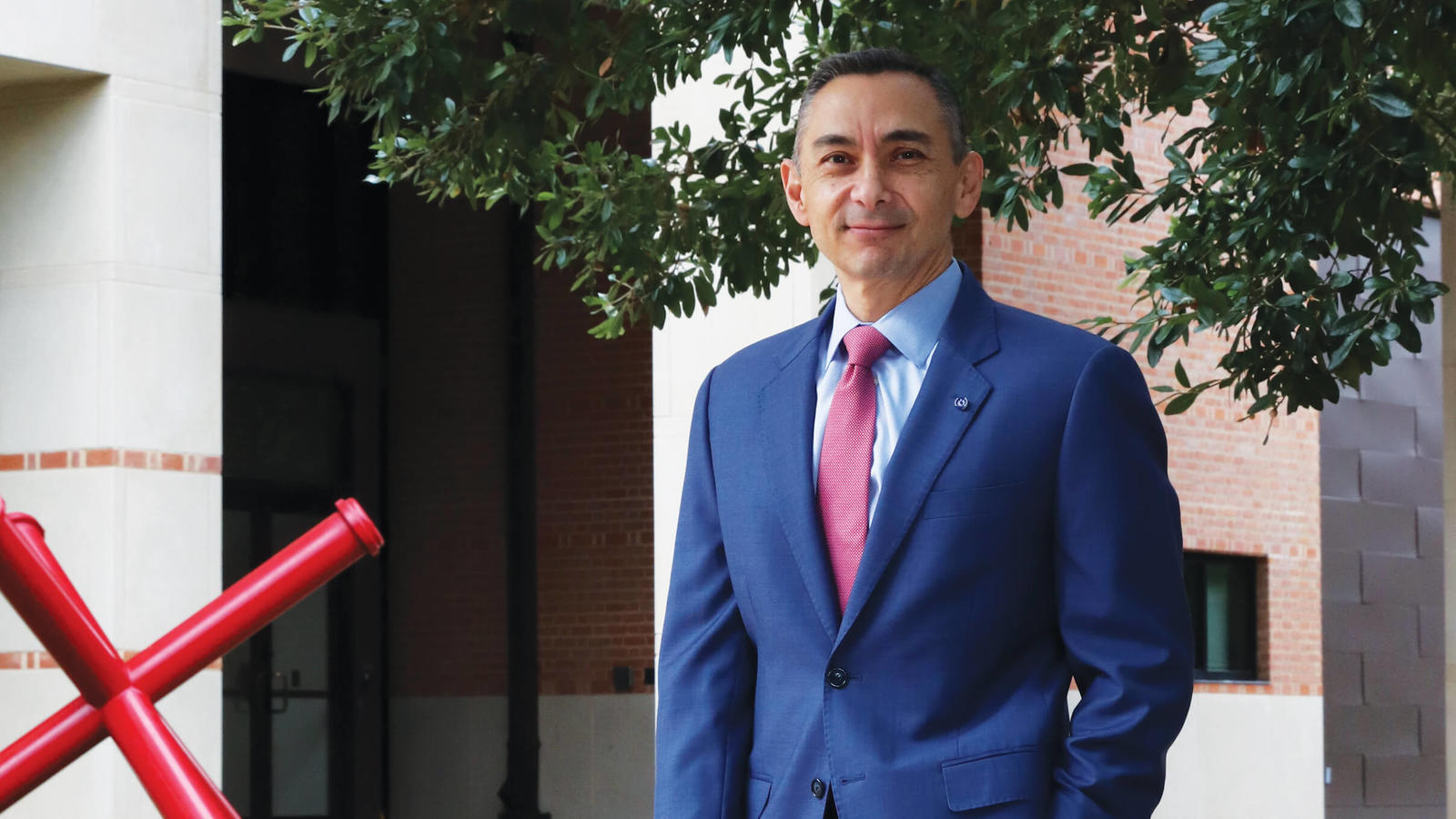
A letter from Peter Rodriguez, Dean of the Jones Graduate School of Business
We have achieved an ascent in rankings, with a recent nod from Bloomberg Businessweek, which named us No. 19. This announcement comes on the heels of another top 20 U.S. ranking (No. 17) from the Financial Times, both of which named us the No. 1 business school in Texas.
Looking forward to my eighth year as dean, I’ve been reflecting on all we have accomplished together. In that time, we have launched innovative new programs and leading-edge new courses. We have substantially grown our faculty so that we can conduct groundbreaking research and still deliver more service to our community. And we have achieved an ascent in rankings, with a recent nod from Bloomberg Businessweek, which named us No. 19 for our full-time MBA program. This announcement comes on the heels of another top 20 U.S. ranking (No. 17) from the Financial Times, both of which named us the No. 1 business school in Texas.
Your contributions as an alum, a student, or a member of the faculty or staff shows how much you care about the future of Rice Business. Thank you for all you do.
When I came to Rice, the school was tasked with delivering the university’s first online graduate degree program. This July, MBA@Rice celebrated five years in action. Five years of reaching and educating students living near to campus and across the state and nation. The program is flourishing, ranked No. 12 for online programs by U.S. News and No. 4 for online programs by Princeton Review and Poets & Quants. It is recognized for its rigor and service to students and has become the fastest growing program at the school since its launch. This July also marked the start of our Hybrid MBA — an MBA that combines online and in-person instruction with one weekend a month on campus.
Although some MBAs study in online environments, McNair Hall is teeming with students. Our undergraduate business majors — currently the most popular major at the university — are joining us in classrooms, study spaces, faculty offices and Audrey’s. As Rice Business continues to grow, so will our physical space with a substantial addition to McNair Hall scheduled to begin construction in 2024. I will share updates on this project as it moves forward.
It’s always exciting to begin a new academic year. Nothing inspires me as much as seeing our new students pursue their dreams and work together to change the world. As always, I look forward to aiding and enjoying their continued success.
— Peter
Renowned accounting professor Stephen Zeff recently celebrated his 90th birthday, but he isn’t slowing down.
As houses of worship close across the country, we need a new model for the buildings’ futures.
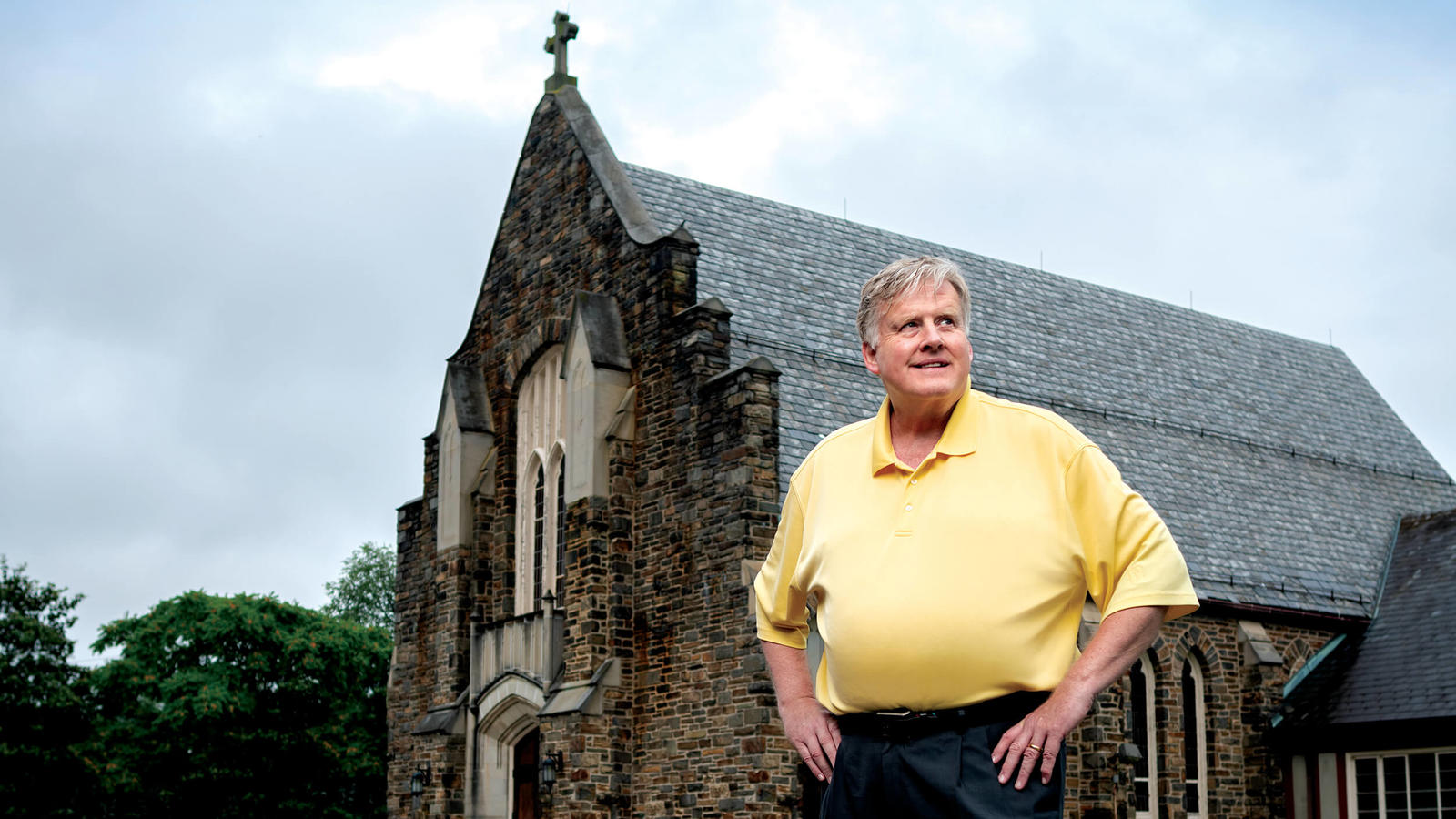
As houses of worship close across the country, we need a new model for the buildings’ futures — one that can benefit the communities these buildings call home.
Houses of worship in the United States are emptying out, from denomination to denomination, from coast to coast. What we do about them will shape not only our faith institutions, but also our communities for decades to come. We may be looking at the closing of up to 100,000 of the estimated 400,000 houses of worship in the United States. Canada and Western Europe face the same challenge. This decline presents a dilemma for our houses of worship, as well as our towns and cities. After a first career in urban revitalization and a second career in the faith community, I find myself on the front lines of this critical challenge: How can we rethink these spaces to serve the needs of religious organizations and their communities — sometimes in ways neither ever imagined?
But first: why are houses of worship closing? While good data on the topic is hard to come by and numbers can vary among denominations and regions, a Gallup poll shows that Americans are losing interest in organized religion. For the first time in U.S. history, fewer than half of Americans consider themselves members of houses of worship. There are other issues, too. Real estate costs are escalating. Houses of worship no longer need to be neighborhood based; people can connect via the internet to religious services anywhere in the world.
This perfect storm has produced a profound mismatch between sparse congregations and cavernous properties. Congregations cannot afford their real estate, whose neglected roofs, HVAC systems and grounds often lead to further disinvestment.
Religious leaders across most religions and denominations are befuddled by the great emptying. They are educated to spread the Good Word, not act as the Grim Reaper. City planners, burdened by outdated zoning ordinances, building codes and historic preservation ordinances, are equally unprepared.
On the other hand, developers and designers, always eager for a good real estate challenge, see opportunity. The problem here is that they focus more on profitability than community needs or environmental, social and governance factors.
In cities like New York, San Francisco and Houston, real estate developers chomp at the bit to acquire emptying houses of worship and redevelop them into luxury residences. First United Methodist Church in downtown Miami sold to a developer for $55 million. Even if that is a smart move to make a massive profit in large cities teeming with tourism and business, luxury isn’t a solution in the heartland and smaller cities. Closed houses of worship can remain empty for years or decades. According to its planning director, Gary, Indiana, population 68,000, suffers from more than 250 empty churches.
The “for sale” signs that dot the landscape aren’t just a metaphor for the loss of religious services or a beacon for development. My colleagues at Partners for Sacred Places, a not-for-profit organization in Philadelphia, measured the “economic halo effect” of churches that host food pantries, child care centers, self-help groups and the like. They discovered that the average urban historic church contributes to the community more than $140,000 annually in goods and services and delivers an annual economic impact of $1.7 million.
It’s a complex problem, and the ways we address it will impact communities for decades to come.

While at Rice Business in the early 1980s, I never dreamed I’d end up using my business education to project the future of houses of worship. Fresh from sleepy upstate New York, with three years as a journalist covering murder and political corruption trials, I was encouraged by Rice to venture into the go-go Houston community. Energy stocks were soaring. The movie “Urban Cowboy,” starring John Travolta, had just been released. The eyes of America were on Houston. My Rice Business internship inspired me to get a post-diploma job at West Houston Association, a not-for-profit, real estate organization in what is now Houston’s Energy Corridor. That, in turn, grew into a career path leading corporate CEO-driven, city center revitalization organizations in Richmond, Buffalo, Atlanta, Northern Ireland and finally Washington, D.C., with stints in between as mayoral chief of staff, a real estate developer COO and a fellow at Harvard’s Graduate School of Design.
Seven years ago, at age 60, my career took a sharp left turn. An Atlanta acquaintance, a pastor, had moved to Washington, D.C., to head the United Methodist Church’s global social justice agency. She needed help with strategic planning, fundraising, investments, communications and properties, including a building directly across from the U.S. Capitol and the Supreme Court. So, off I went to learn about human trafficking, environmental justice and world peace, all topics I cared about but had zero experience working on.
Three years later, I accepted an assignment within the church family to move to New Jersey to lead a United Methodist-affiliated organization to develop strategies for its $500 million in church real estate spread across the state.
Then COVID hit. My job shifted from real estate to emergency management. I coordinated the raising of $8 million in federal funding for 530 churches and strived to keep food pantries and other human services in operation. It was time for my husband and me to return to the Washington, D.C., area, where I reactivated my consulting firm to work on economic development, especially with church governing bodies and municipalities.
Decisions made by lay leaders and clergy often rely more on emotion than logic, understandably so. No one wants to downsize or close the institution from which they were married, their parents were buried or their children were baptized.
Yet one cannot ignore the numbers. Church property costs $7 to $10 per square foot annually to operate — $70,000 to $100,000 for a modest 10,000-square-foot property. A congregation with a median age of 75 will soon find itself shy of members. Spending a quarter of the organization’s cash reserves year after year is unsustainable, no matter how well the investment portfolio performs. Giving short shrift to the data often results in sudden, sad decisions to close and pound a “for sale” sign in the front lawn, with little forethought.
In low-demand markets, public intervention may be required to preserve a historic asset or prevent a community eyesore.
How can houses of worship maximize the full potential of their properties? Thanks to creative individuals who often have had to push uncomfortable hierarches to think differently, there is hope. Some Christian organizations have definitely thought outside the box. Centre St. Jax, an Anglican church in Montreal, has been redeveloped to provide space to community organizations, including an agency serving immigrants, a food bank, a circus cabaret and a circus school. The Village @ West Jefferson in Louisville, Kentucky, a property of St. Peter’s United Church of Christ, is a new 30,000-square-foot mixed-use office and retail development in the historic Russell neighborhood.
A current example near the Rice campus, St. Stephen’s Episcopal Church has issued a request for proposals to reconceptualize their property into a mixed-use development in Houston’s bustling Montrose neighborhood. Doing so will not only ease the church’s financial condition; it will integrate the church better into the city.
As encouraging as these success stories are, the challenge is how to take this sort of work to scale. Strategies that work for one or two churches may not work for 100,000.
We desperately need to shape a new model for houses of worship. The church sitting isolated, surrounded by a fence, used only a few hours a week, abutting an empty parking lot, unable to deliver state-of-the-art, online services is not good use for either the faith institution or the community. The answers have to do with consolidation and mixed use.
Rev. Dr. Thomas Edward Frank, dean emeritus at Wake Forest University, and I focus on three major shifts needed for houses of worship to be successful. First, the need to move from private to public — the buildings should be seen as the community’s asset, not the congregation’s club. Second, the need to move from simple to complex — thinking of these houses not only for Sunday worship for one group, but also for daily use by multiple groups. And third, moving from static to dynamic — what worked yesterday probably won’t work today.
Jane Jacobs (urbanist and author of 1960’s seminal “The Death and Life of Great American Cities”) identifies four factors critical in creating great cities: mixed uses, short city blocks, aged buildings and high density. Most houses of worship fail miserably at three of the four. (They’re old, but that’s it.) That needs to change.
What emptying department stores were to the late 20th century, emptying houses of worship are to our era except, thanks to the intricacies involved, the problems are greater and the opportunities more limited.
The issue is complex, will evolve over time, and will take open minds and the strategic thinking of pastors, planners and business leaders to move our small towns forward. So, when you pass a “for sale” sign at that closed church, temple or synagogue down the street, I urge you to take a moment to mourn what was. But then imagine what could be, for our congregations and the communities they call home. ⚜
There is no doubt that the energy transition will happen, but we’re all still figuring out how to navigate it.
“We have achieved an ascent in rankings, with a recent nod from Bloomberg Businessweek, which named us No. 19. This announcement comes on the heels of another top 20 U.S. ranking (No. 17) from the Financial Times, both of which named us the No. 1 business school in Texas.”