Image
Rice Business claimed the #17 spot in the Fortune | Education Best Executive MBA Programs ranking for 2024.
Poets&Quants for Executives shares the lastest Executive MBA Program rankings from Fortune Education.

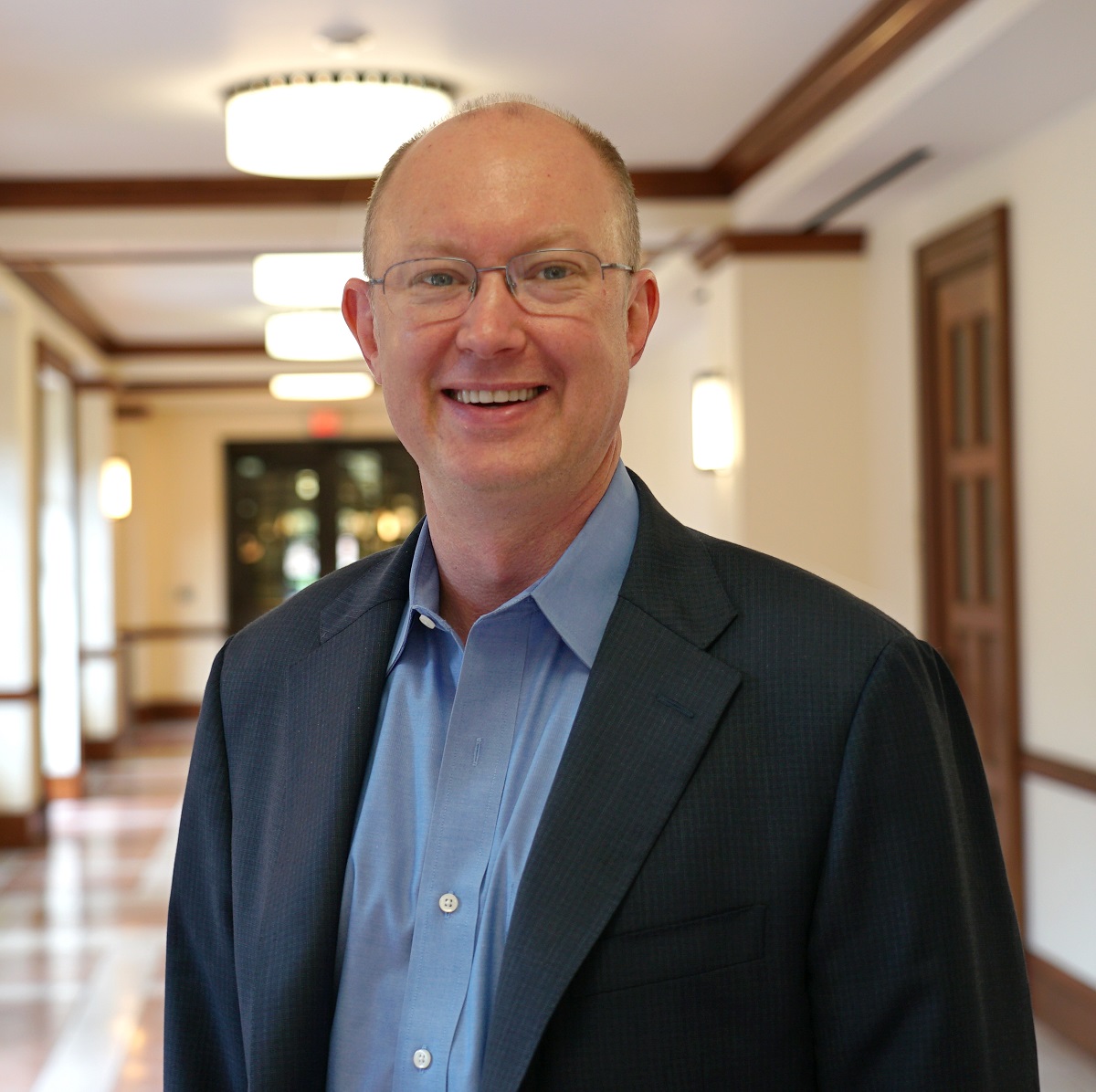
James Weston, the Harmon Whittington Professor of Finance, will join the Rice Business leadership team as senior associate dean for degree programs. Our thanks and congratulations to Barbara Ostdiek for her exceptional tenure in this position for the past 11 years as she returns to engaging our students in the classroom.
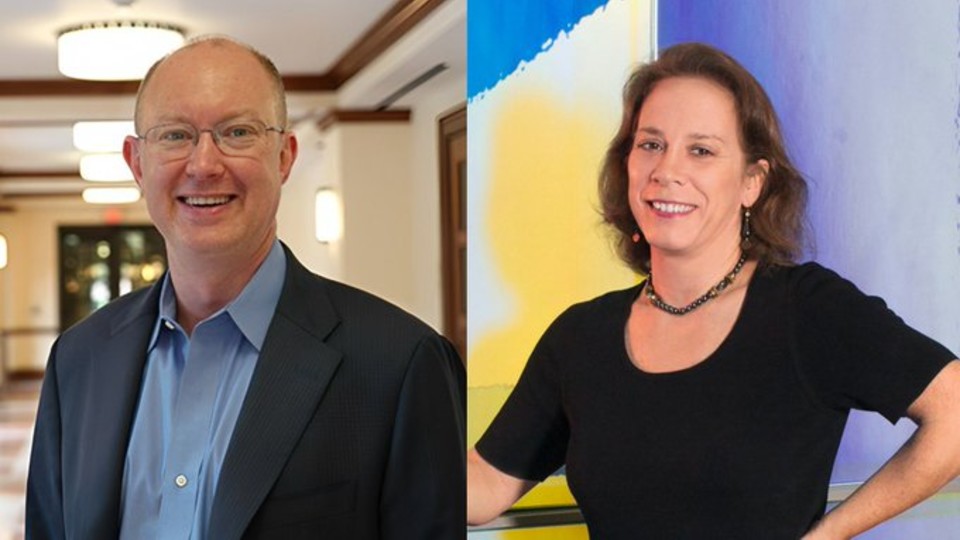
James Weston, the Harmon Whittington Professor of Finance, will join the Rice Business leadership team as senior associate dean for degree programs. James joined the Rice Business faculty in 2000 and has taught popular courses on economics and finance in all of the Rice Business MBA programs. James’ academic experience has been recognized often. He has presented his peer-reviewed research on corporate finance and financial institutions at many universities worldwide, and his work has been cited by journalists and in congressional testimony. He is also committed to teaching, having received many awards over the years. James was speaker of the Rice University Faculty Senate during 2014-16.
Outside of academia, James, a former assistant economist at the Federal Reserve Bank of New York, conducts executive education seminars, maintains professional consulting relationships and provides expert witness testimony and litigation support. His experience inside and outside the classroom will be a key driver of Rice Business’ future.
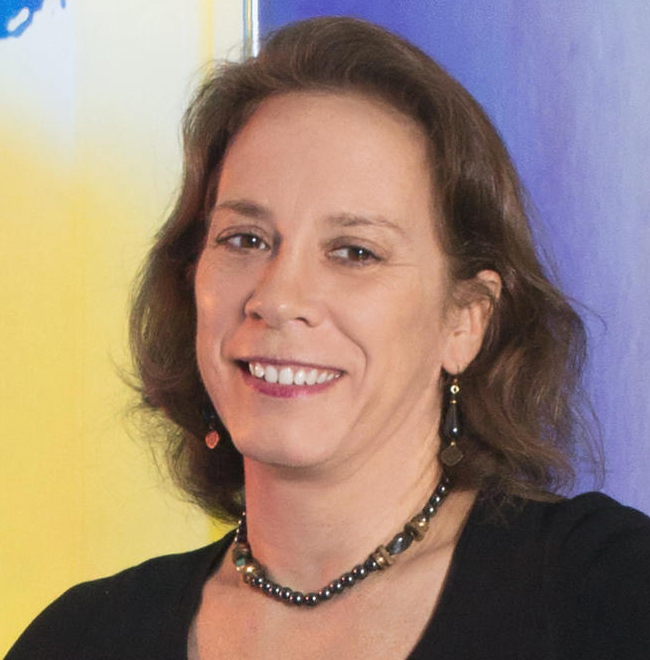
Our thanks and congratulations to Barbara Ostdiek for her exceptional tenure in this position for the past 11 years as she returns to engaging our students in the classroom and to engaging in scholarly activities as a professor of finance. Barb, who has been a member of the faculty since 1994, held this leadership role during a time of unprecedented growth at Rice Business. She led the launch of both our online MBA program, the first online degree at Rice University, and our new Hybrid MBA. She also played a crucial role in launching and growing the undergraduate business major. Barb was instrumental in making key hires, significantly growing the Office of Academic Programs and Student Experience, building the Global Field Experience, and expanding and enhancing our experiential lab courses. Barb worked closely with faculty to create an innovative curriculum, evolving our footprint, particularly in business analytics, technology and the energy transition. Her efforts have greatly impacted our ability to prepare graduates who are vital to organizations and ready to lead.
We thank Barb for her service with the administration and look forward to working with James as we head into a new academic year.
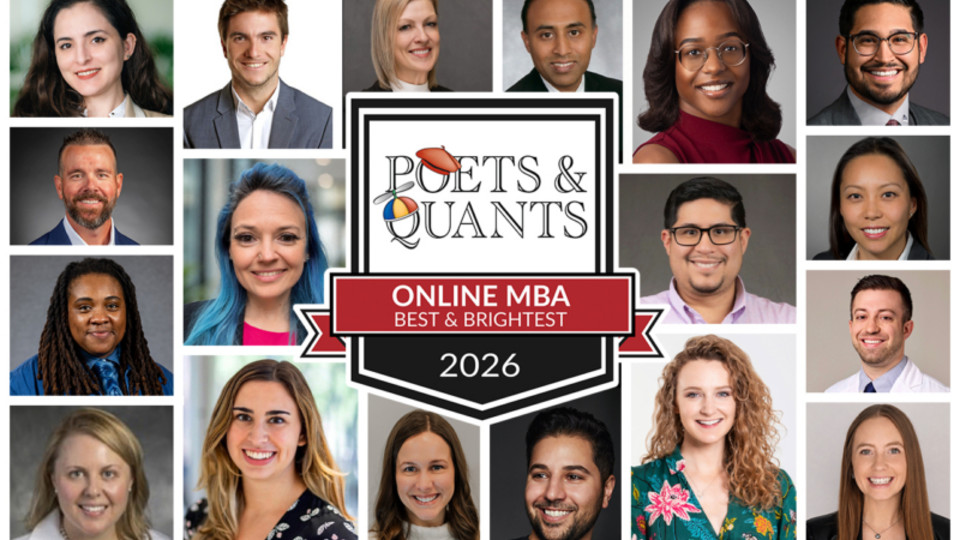
Congratulations to Marissa Minter and Alan Vu, recognized by Poets & Quants among the 2026 Best and Brightest Online MBAs.

A Houston venture capital analysis co-authored by Rice Business Executive MBA candidate Stephanie Schmidt highlights the city's growing innovation ecosystem, arguing that stronger startup formation is key to building on recent successes like Fervo Energy's IPO.

Rice University names its new $54.5 million business building after donors Asha and Farid Virani, the undergraduate business school's namesakes.
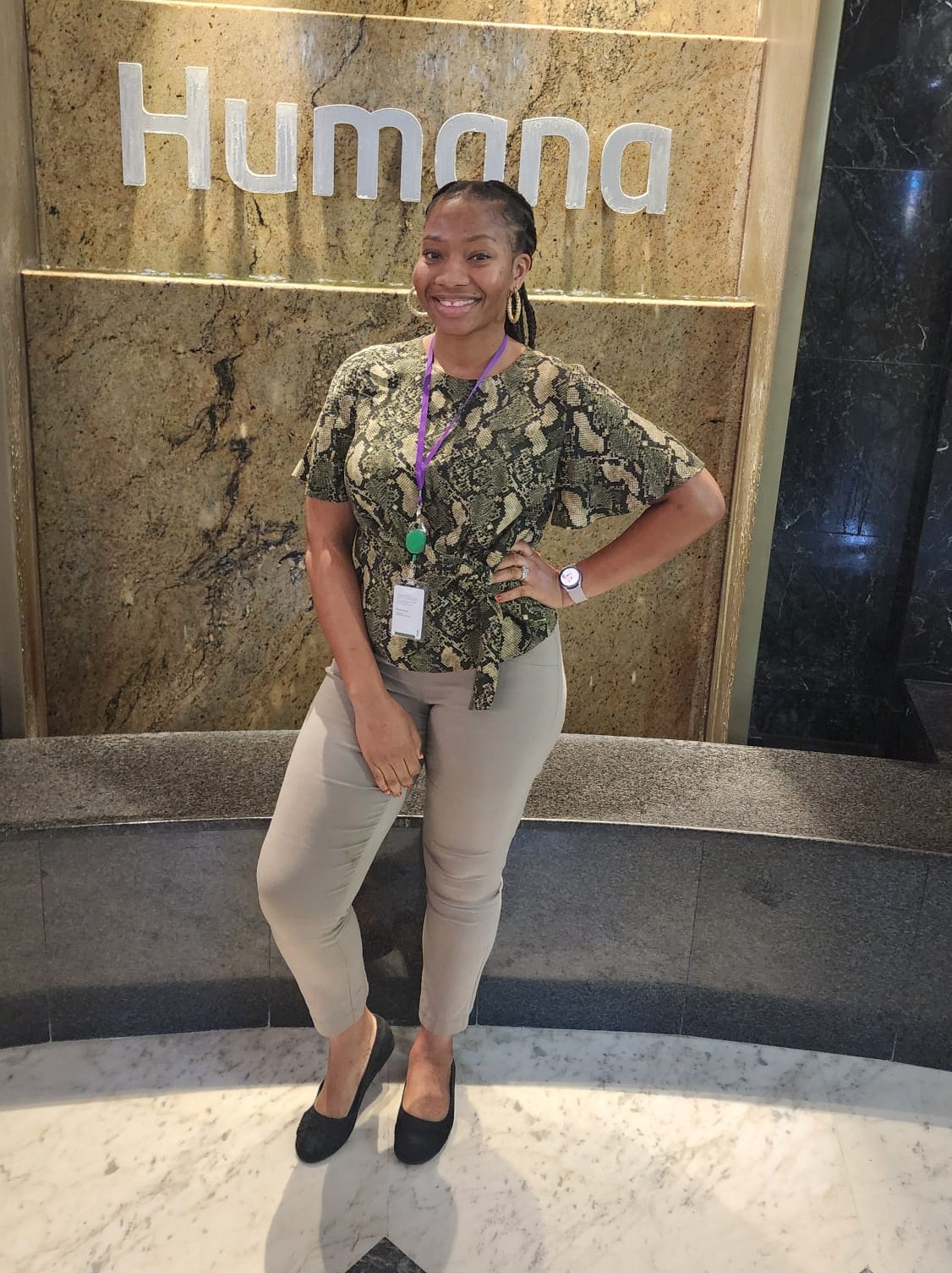
Explore how Delphine Ariguzo pivoted from crunching numbers as an accountant to leading impactful healthcare procurement initiatives at Humana.
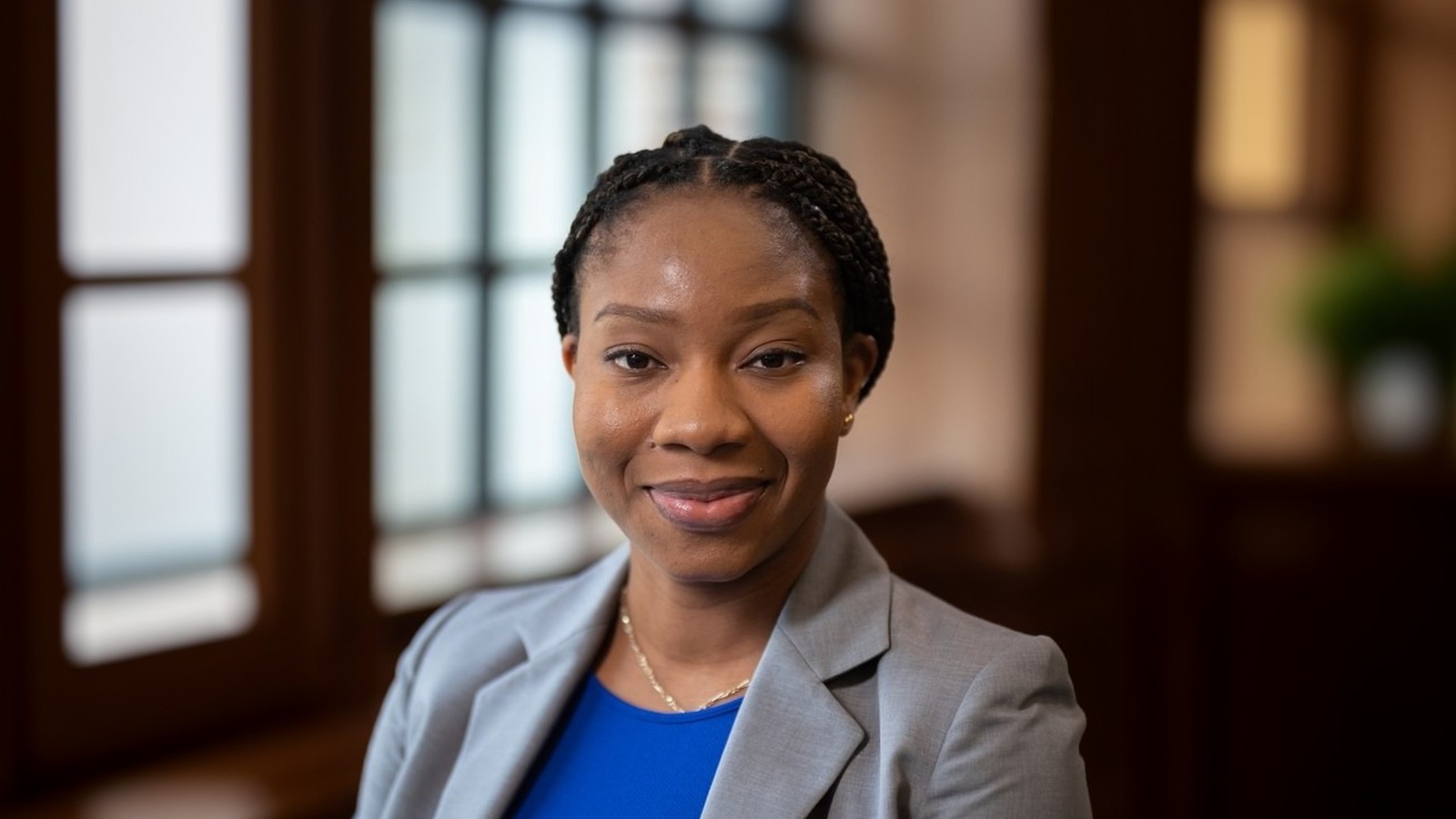
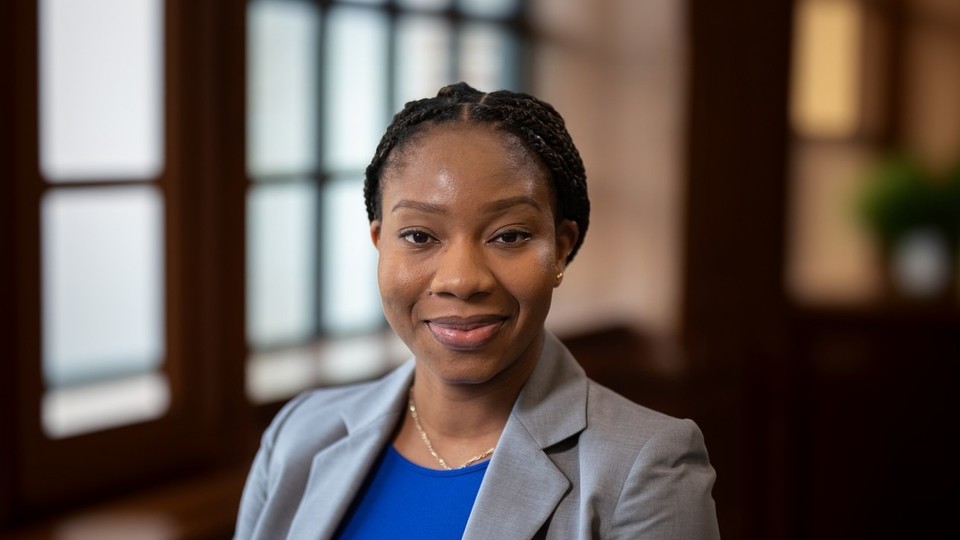
Previous position before MBA:
Summer Internship:
I secured my internship during the pre-MBA recruiting season at the Consortium Conference. Before attending the conference, I received an email from the Humana recruiting team inviting me to apply for several open positions. They also invited me to a private dinner at the conference. While in Louisiana for the conference, I met and networked extensively with the Humana team. I had my first interview at the conference and then two final round interviews with different departments a few weeks after returning home. I was selected by the procurement department, and that's how I ended up interning with them over the summer.
During my internship, I held the role of a procurement intern. My responsibilities included:
Through these responsibilities, I gained valuable experience and contributed to the success of the procurement department.
The Procurement (Center for Enablement) department.
My MBA coursework prepared me for this internship in several ways:
Overall, my MBA coursework equipped me with a comprehensive skill set that was directly applicable to my role in the procurement department.
The internship aligns with my career goals in several significant ways:
Overall, the internship was a perfect fit for my career goals, providing relevant experience, skill development, and professional connections that will be instrumental in my career progression.
The internship will help me with my MBA studies and future career in several ways:
Overall, the internship has provided me with practical skills, industry knowledge, and professional connections that will benefit my MBA studies and significantly advance my career.
My favorite part of my internship experience was kickstarting a project and seeing it through to launch. Specifically, I had the opportunity to lead a procurement optimization project aimed at improving our supply chain efficiency.
The project began with identifying key areas where we could reduce costs and streamline processes. I worked closely with my team to gather data and analyze current procurement practices. I developed a comprehensive project plan, outlining the steps needed to achieve our goals. This included setting milestones, assigning tasks, and establishing a timeline.
During the execution phase, I coordinated with various departments, facilitated meetings, and ensured everyone was on track. I also monitored progress and made necessary adjustments to keep the project moving forward. Finally, we reached the launch phase, where we implemented the new procurement strategies. Seeing the positive impact of our work, such as reduced costs and improved efficiency, was incredibly rewarding.
The experience taught me valuable lessons in project management, teamwork, and problem-solving. It was fulfilling to see our hard work come to fruition and make a tangible difference for the company. Overall, leading a project from initiation to launch was the highlight of my internship. It provided me with practical experience and a sense of accomplishment that will stay with me throughout my career.
Here is my advice for prospective students:
Delphine Ariguzo is a Full-Time MBA student in the Class of 2025.
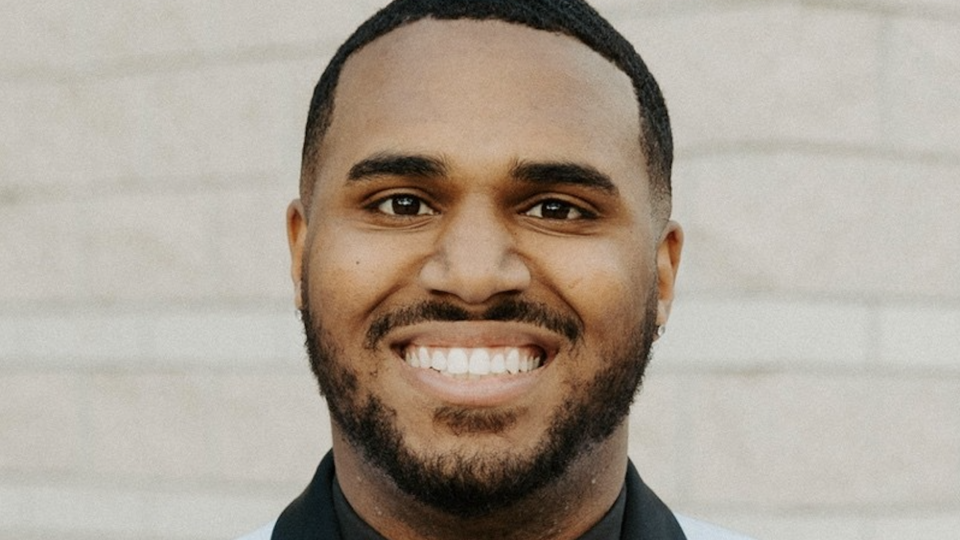
Meet Brandon Nimmers ’27, a Rice Online MBA student who is serving as a venue logistics manager supporting the 2026 FIFA World Cup in Dallas, TX.
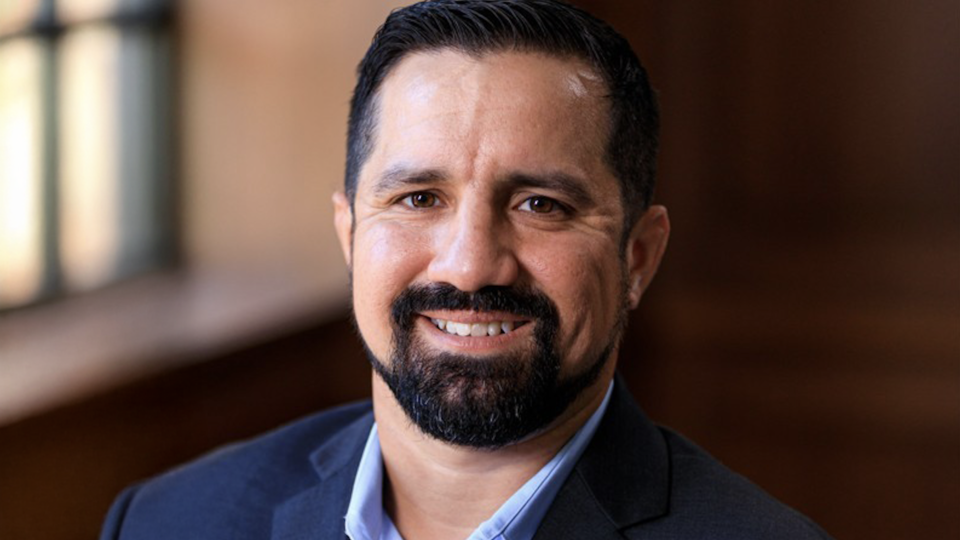
Meet Josh Obregon, a Rice Online MBA alumnus who is now a deputy venue logistics manager supporting the 2026 FIFA World Cup in Dallas, TX.

Meet Chaundra Frank, a Rice Online MBA who is now a deputy venue logistics manager for the 2026 FIFA World Cup in Dallas, TX.
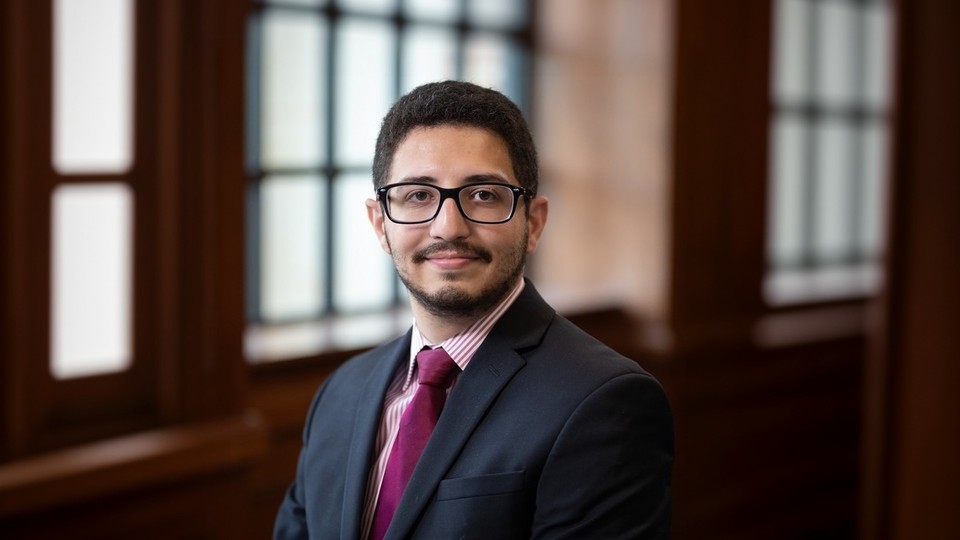
Discover how Cyrus Mistry is shaping the future of automotive innovation through his internship at Toyota, where he applies his MBA insights to real-world challenges.

Previous position before MBA:
Summer Internship:
I had an idea from my past career that automotive product planning might be an interesting role for me, so I was on the lookout for such positions. Toyota held a virtual networking session where Rice students were invited. At that event, I learned more about the internship and met some of the department members. I knew this was a great fit and applied as soon as applications opened. From there, I had coffee chats with department members before ultimately interviewing for the role and receiving the offer.
As a product planning and strategy intern, I handle multiple projects where I conduct competitive analysis of other vehicles, develop strategies to keep Toyota products fresh throughout their lifecycle, create customer profiles for future vehicles, and work on projects involving the future of mobility.
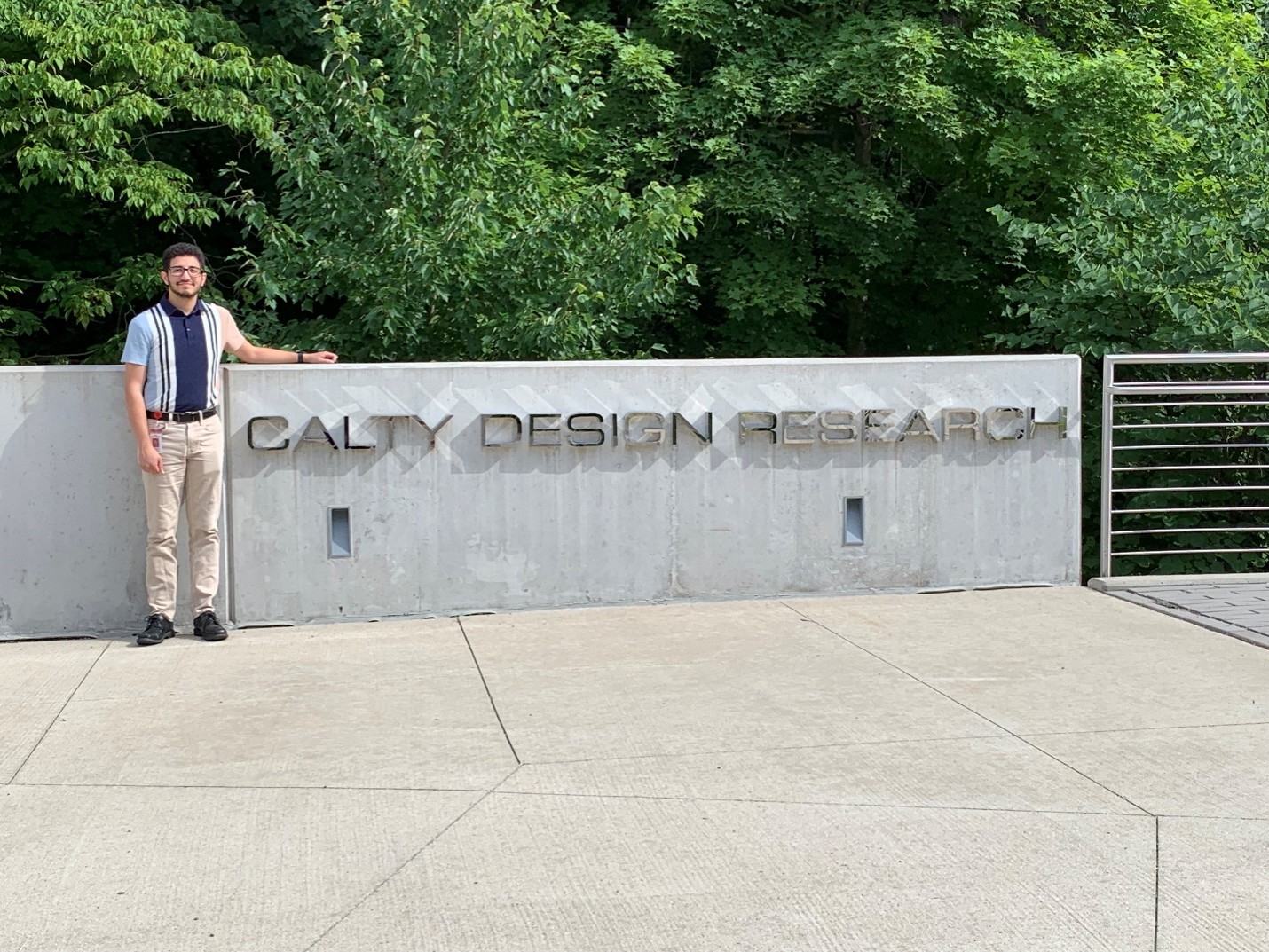
I work on the Product Planning and Strategy Team for the Toyota Truck and Rugged SUV team.
Core concepts from marketing and finance are used daily, as we build business cases for our products and define the customers who will purchase them. Business communications skills help with presenting in front of many people. Classes like New Product Development and Customer Experience Management have helped me form a consumer-centric mindset.
My lifelong passion has always been cars. I was lucky to work in automotive engineering before my MBA, but I wanted to get more involved in product concept definition. Toyota’s Product Planning and Strategy internship is a great step towards that. Our department is the “Guardian of the Customer Voice,” responsible for defining future vehicles, their target audience, and ensuring their business viability.
My internship has helped me directly correlate concepts I learned in class and will continue to learn in my second year. For example, building customer profiles in marketing and new product development classes. At Toyota, I applied these concepts to create customer profiles for future vehicles. This experience helps define what products should be and their target customers. I hope to continue my career in "Voice of the Customer" roles where I can impact future products.
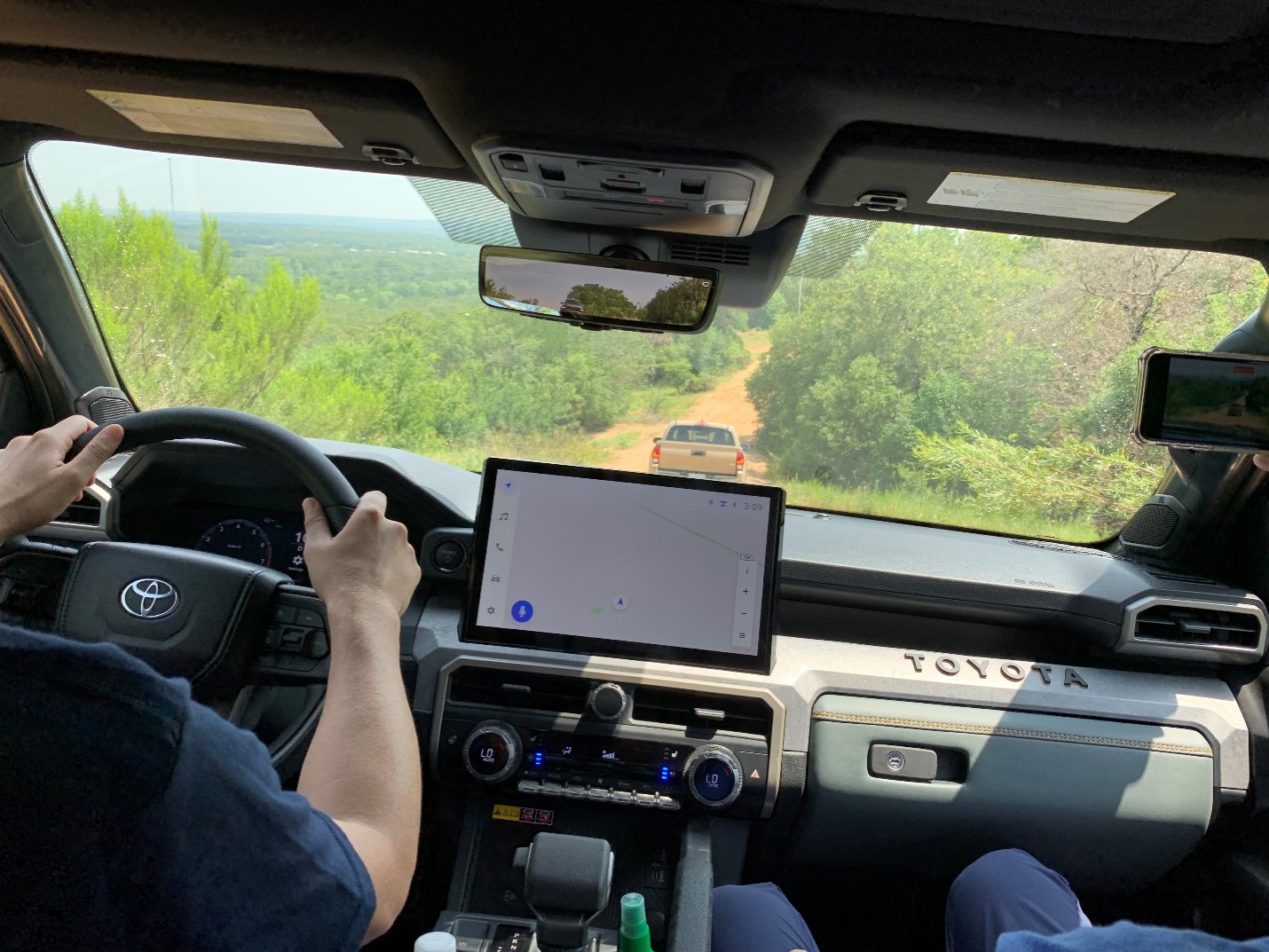
At Toyota, we follow the Japanese phrase “Genchi Genbutsu,” which means “go and see it.” This approach has enabled opportunities to experience off-roading in trucks and SUVs, visit RV dealerships to learn about customer needs, and see firsthand what customers demand from products. I also toured design, engineering, and manufacturing facilities. Toyota encourages networking inside and outside the department, setting up a Lunch and Learn series for interns to interact with executive leadership. The insights and knowledge gained from these sessions have been highly rewarding.
It is OK to have a plan but not stick to it. During the MBA program, you will explore and learn about opportunities you didn’t know existed. Keep an open mind and explore opportunities you didn’t initially think about. Balance your MBA approach by recruiting for your internship or job, doing well in classes, getting involved in activities, meeting new people, and taking care of yourself. Enjoy the journey because time passes quickly.
Cyrus Mistry is a Full-Time MBA student in the Class of 2025.
Meet Brandon Nimmers ’27, a Rice Online MBA student who is serving as a venue logistics manager supporting the 2026 FIFA World Cup in Dallas, TX.
Meet Josh Obregon, a Rice Online MBA alumnus who is now a deputy venue logistics manager supporting the 2026 FIFA World Cup in Dallas, TX.
Meet Chaundra Frank, a Rice Online MBA who is now a deputy venue logistics manager for the 2026 FIFA World Cup in Dallas, TX.
Don’t just take our word for it. Here's how to calculate your return on investment for an MBA.


An MBA is not just a degree; it's a strategic investment you make in yourself — two years of time, money and effort for a lifetime of dividends. At Rice Business we make it easy for you to enjoy your return on investment. But don’t just take our word for it; the numbers show a high financial ROI.
Let's boil it down.
These seem like daunting numbers for any prospective student. However, with every investment, there comes a payout and an MBA degree gains more than most.
Let’s consider all variables: cost, salaries, a ballpark figure of 25% income tax and, to calculate the time value of money, let’s say a 10% discount rate. Now, we have all the factors for a final investment proposal.
Present any company with an investment that would generate a $410,000 return, or 20% ROI, and you’re getting promoted! This is the truth of getting an MBA. The net present value of the degree is just about the highest ROI you can find in academia. And Rice Business can help you get there.
Let’s look at the ROI for a Rice MBA, specifically.
| Costs | |
| Tuition (2 years) | $147,000 |
| Opportunity cost (2 years lost salary) | $140,000 |
| Total cost | $287,000 |
| Benefits | |
| Post-MBA starting salary (2 years) | $314,000 |
| Salary Growth Rates | |
| Non-MBA | 2.5% |
| MBA | 3.5% |
| Financial Analysis (30 Years - Rough) | |
| Tax Rate | 25% |
| Discount Rate | 10% |
| Present Value of Future Salaries | |
| Non-MBA | $631,250 |
| MBA | $1,041,491 |
| Net Present Value | |
| MBA – Non-MBA = NPV | 1,041,491 - 631,250 = NPV |
| Net Present Value | $410,241 |
| Return on Investment (ROI) | 20% |
| MBA (Y/N) | Starting Salary | Growth Rate | Present Value (30 Years) | Net Present Value |
| No | $70,000 | 2.5% | $631,250 | - |
| Yes | $157,000 | 3.5% | $1,041,491 | $410,241 |
Everyone’s financial situation is unique, so this breakdown does not include loan and interest payments. (We discuss those here.)
It also does not include additional benefits like sign-on bonuses and stock options. (In 2022, the average starting bonus for a Rice MBA was $35,879.)
But even with just these numbers, it’s clear that pursuing an MBA is not only personally transformative — it also comes with considerable financial and career growth potential. We invite you to invest in your future today and join us at the Jones Graduate School of Business.
In this video, you can watch James Weston (Harmon Whittington Professor of Finance) break down the ROI of a Rice MBA:
Are MBAs good for changing careers? Learn what to look for in an MBA program, including comparing program ROI for career changers pivoting to new industries.
At Rice Business, career development is a community endeavor. Here’s how our Alumni in Residence program is helping our MBA students on their career journey.
Learn how to compare the best MBA programs for finance. Explore key factors like curriculum, recruiting and the strategic advantage of hubs like Houston.
Meet a few students from the Rice Business MBA Class of 2025 through in-depth profiles on the extraordinary students, their stories, and their dreams.
The retailer retreated from its diversity and climate goals after an “anti-woke” protest on social media — and ignited a backlash. Rice Business professor Vikas Mittal provided his expert opinion.

The difference is in the way trading takes place on each type of market.


Based on research by Stefan Huber (former Rice Business professor), Chongho Kim (Seoul National) and Edward M. Watts (Yale)
Key findings:
However, the implications for the stock price may not be immediately clear to all investors. In the face of this uncertainty, sellers will ask for high prices, and buyers will offer low ones, creating a significant “bid-ask spread.” When this happens, it becomes more costly to trade, and the stock becomes less liquid.
This is a well-documented effect on equity stock markets. However, according to research by Stefan Huber (Rice Business), Chongho Kim (Seoul National University) and Edward M. Watts (Yale SOM), the corporate bond market responds differently to earnings news. This is because bond markets differ from stock markets in a significant way.
Equities are usually traded on centralized exchanges (e.g., New York Stock Exchange). The exchange automatically queues up buyers and sellers according to the quote they’ve entered. Trades are executed electronically, and the parties involved are typically anonymous. A prospective buyer might purchase Microsoft shares from someone drawing down their 401(k) — or they could be buying from Bill Gates himself.
Corporate bond markets work differently. They are “over-the-counter” (OTC) markets, meaning a buyer or seller needs to find a counterparty to trade with. This involves getting quotes from and negotiating with potential counterparties. This is an inherent friction in bond trading that results in much higher costs of trading in the form of wider bid-ask spreads.
Here’s what Huber and his colleagues learned from the research: Earnings announcements prompt many investors to trade. And on OTC markets, potential buyers and sellers become easier to find and negotiate with.
According to Huber, “When earnings information comes out, a lot of people want to trade. In bond markets, that makes it much easier to find someone to trade with. The more options you have to trade, the stronger your bargaining position becomes, and the lower your trading costs go.”
He compares the process to shopping in a market with a flexible approach to pricing.
“Let's say you're at a farmers market and you want to buy an apple,” Huber says. “If there is only one seller, you buy the apple from that person. They can ask for whatever price they want. But if there are multiple sellers, you can ask around, and there is potential to get a better price. The price you get depends on the number of options you have in trading partners.”
Although bonds receive less attention than equities, the stakes are high. There is about $10 trillion in outstanding corporate debt in the U.S., and more than $34 billion in average daily trading volume.
A detailed record of bond trades is available from the Financial Industry Regulatory Authority (FINRA), which requires that trades be reported via their Trade Reporting and Compliance Engine (TRACE). The study from Huber and co-authors uses an enhanced version of TRACE to examine trades executed between 2002 and 2020. The team analyzed the thirty-day periods before and after earnings announcements to gather data about volume, bid-ask spreads and other measures of liquidity.
They find that, like on the stock market, there are more investors and broker-dealers trading bonds around earnings announcements. However, unlike on the stock market, transaction costs for bonds decrease by 6-7% in the form of bid-ask spreads.
“Taking a purely information asymmetry-based view would predict that what happens to stock liquidity would also happen to bonds,” Huber says. “A piece of information drops, and some people are better able to work with it, so others price protect, and bid-ask spreads and the cost of trading go up.”
“But if you consider the search and bargaining frictions in bond markets, you get a more nuanced picture. While information asymmetry increases, like it does on stock markets, the information prompts more investors into bond trading, which makes it easier to find counterparties and get better transaction prices. Consequently, bid-ask spreads go down. This search and bargaining friction does not really exist on equities exchanges. But we cannot ignore it in OTC markets.”
As corporate debt markets continue to grow in importance, it will become crucial for investors and regulators to understand the nuanced factors influencing their liquidity. This study provides a solid foundation for future research.
Huber, Kim, and Watts (2024). “Earnings News and Over-the-Counter Markets.” Journal of Accounting Research.



Bellwether companies play a surprising role.
Mikki chats about her new book, the subtleties of biases, and the importance of staying informed and aware of biases to make the world and workplaces fairer and more equitable for everyone.
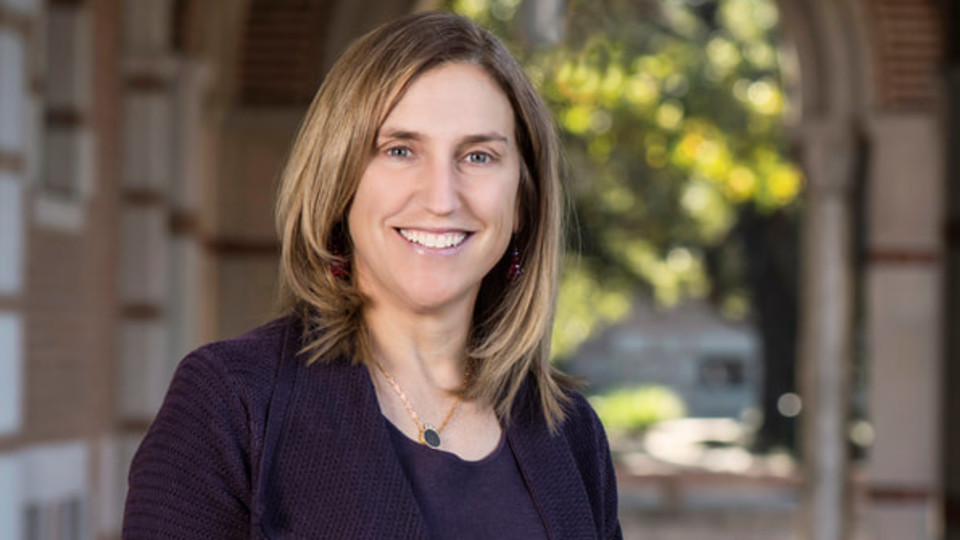
Mikki Hebl, an industrial organizational psychologist and the Martha and Henry Malcolm Lovett Chair of Psychology – Professor of Management at Rice University, has been studying workplace discrimination and diversity, equity and inclusion (DEI) for 30 years, well before DEI became the widely discussed topic it is today.
In March of this year, Mikki and Eden King, the Lynette S. Autrey Professor of Psychological Science at Rice, released a new book (Working Together: Practicing the Science of Diversity, Equity and Inclusion). In it, they outline the state-of-the-art science that makes the case for DEI and delve into effective strategies for individuals and organizations to foster more inclusive environments.
Mikki chats with host Maya Pomroy '22 about her book, the subtleties of biases, and the importance of staying informed and aware of biases to make the world and workplaces fairer and more equitable for everyone.
Subscribe to Owl Have You Know on Apple Podcasts, Spotify, Youtube or wherever you find your favorite podcasts.
[00:00]Maya: Welcome to Owl Have You Know, a podcast from Rice Business. This episode is part of our Up Next Series, where faculty, researchers, and alumni weigh in on the trends currently shaping the world of business.
Our guest today on Owl Have You Know is Dr. Mikki Hebl, the Martha and Henry Malcolm Lovett Chair of Psychology, professor of psychology and management, whose focus is on organizational behavior.
Welcome to Owl Have You Know, Dr. Hebl.
[00:27]Mikki: Well, thank you. Thank you for having me here, Maya.
[00:29]Maya: So, you have been at Rice for 26 years — what a phenomenal run you have had — and continue to really be the core and the fabric of what Rice University is. You're a Wisconsin girl, right? So, tell me what brought you to Houston, Texas.
[00:54]Mikki: Well, I grew up in a small town — 1,300 people. It was called Pardeeville, P-A-R-D-E-E, just so you know, okay? And very few people from Pardeeville actually go out of state to go to college, if they go to college at all. I went to a place called Smith College, which is an all-women's college in Northampton, Massachusetts. And it was there that I learned about the pioneering efforts of the women and some men who went before us to try to give us equal rights. And after four years of studying there, I really had this urge to pay it forward. So, I wanted to go to graduate school. I applied to 13 graduate schools and got rejected from all of them except for one.
[01:43]Maya: Really? Wow.
[01:45]Mikki: And the one that won was Texas A&M, which, if you know Smith, is right…
[01:54]Maya: Polar opposite.
[01:57]Mikki: Polar opposite. And I went to Texas A&M sight unseen. I had never been to Texas before. So, it was crazy. In fact, I tell a story that the first time I went down to the pub called The Chicken, I met this guy from Connecticut and I said, “Hey, let's go down to this place called The Chicken and get a burger.” I'd never been… again, the day before, I got to Texas. And I got to The Chicken and I saw all these guys playing dominoes and had cowboy hats on. And I said, “Oh, my God. This must be a themed restaurant.” And in fact, the whole town was themed.
So, anyway. So, I stood on the left, I stood on the right, I finished my degree at Dartmouth, I quickly switched from being interested in gender issues to being interested in diversity-related issues, just more generally. When I left College Station, I said, “I don't think I'm ever going to go back to Texas.” And you never say those things.
[02:58]Maya: Never say never.
[03:00]Mikki: Never say never! So, when I finished…graduated from Dartmouth, there was this job at Rice, and I thought, “Well, you know what? I'm going to apply to it.” And voila, I've been here ever since.
[03:13]Maya: And won just about every single award known to man, not just teaching awards, but also, you know, scientific awards. Truly, you are the expert in diversity, equity, and inclusion. And you were doing this research before DEI even had an acronym.
[03:36]Mikki: I really was. I like to say there's a country music song that goes, “I liked country when country wasn't cool.”
[03:43]Maya: I love that song.
[03:45]Mikki: Yes, I was doing…I really was doing DEI research 20… actually, 30 years ago.
[03:53]Maya: So, you have really seen the arc of DEI, especially in the last couple of years when it's become much more mainstream and the implementation of it across organizations and, honestly, you know, universities and educational institutions and, also, you know, are presently watching the controversial part of it right now.
So, I mean, really, the way that DEI has progressed and maybe, and we'll talk about this as well, and maybe digressed, in the last few years is really fascinating. So, I'd really like for you to tell me more about your work at Rice and what you have learned about, really, the state of Texas and our country of how DEI works and how it fails.
[04:48]Mikki: Well, first of all, I started the journey looking at biases. I was really interested in discrimination. And so, for my dissertation, for instance, I was interested in what happens when people with disabilities and people who are heavy acknowledge their stigma, acknowledge their condition in an interview setting.
And that was what my dissertation was. I became really interested in just looking at, well, how could people who have stigmatized identities somehow get ahead in interviews where they are typically so stigmatized? And that research brought me to a field called organizational psychology, which is where I'm positioned right now. And what we look at in organizational psychology or organizational behavior is not only organizations’ perspectives — so, how they perceive DEI initiatives, what they can do — but also, the individual perspective — so, how can they benefit if they face discrimination?
And so, for many, many years, I was very much doing just work on discrimination and how it was manifested. So, we typically think of discrimination as overt types of discrimination. “I don't like you because you're a woman. I don't like you because of your religion. I don't like you because you're this race or this religion or whatever.” And my…
[06:12]Maya: Those biases that people have, overt biases.
[06:17]Mikki: Overt biases, that's correct. And very quickly, in my research, what I learned was that what had gone undetected were all these more subtle biases, these biases that have a nonverbal, that have an exclusionary. I like to think about, if you were trying to think about what it's like, it's like, imagine somebody you don't like, you really don't like them. You're coming down the hall toward them. What sorts of things do you do toward them? You might make less eye contact. You might try to terminate the interaction faster. You might smile less. You might get…the kids say they get on their phones and they pretend like they're talking to somebody, so they're excluding. It's all of these subtle biases.
And it's not the, like, extinction of overt that makes subtle come out. It’s that subtle is present at the same time. And what our research looked at is, what is the impact of these subtle biases on people's performance, on their self-esteem? And my colleague, who I do a lot of research with, did a meta-analysis. A meta-analysis is where you look across so many different studies that are out there. So, it's much more important than one particular study. And what she found was that the subtle discrimination almost always had just as bad, if not worse, consequences than the overt discrimination, which is really striking.
But it kind of makes sense, Maya, because, with the overt discrimination, if somebody says, “I don't like you because you're X,” then you can say, “Well, you're sexist, you're racist.” But in the case where they're doing something more subtle, what you have to cognitively try to interpret is, “Do they not like me? Are they racist? Are they rude? Is it something about me?” And so, that cognitive energy gets spent, rather than me performing my task, or, it's kept with me. It stays with me, and I can't get rid of it.
So, from these subtle biases, what we then began to look at is, okay, now what are the strategies in which, not only individuals can reduce those biases, but what can organizations do to also reduce the biases? And that really gets into the bigger topic of DEI.
[08:35]Maya: And so, those organizations, how did you approach, with your research, to really implement this in organizations?
[08:44]Mikki: So, again, what I do is I look at different strategies. So, I have these individual strategies. And if I were to tell you what I do there, it's to look at actually going into the field and having individuals adopt different strategies to see how organizations may discriminate or may reduce discrimination.
So, for instance, what we do, Maya, is we go into an organization, for instance, I'll tell you about one study. We were interested in looking at the stigma that people displayed toward individuals who are gay and lesbian. And so, we had individuals go into many stores. All of these stores were hiring. They said they were hiring. So, we only went into stores where there were jobs. And what we did is we had individuals wear a hat. They didn't know what the hat said. And it either said, “Gay and proud,” or, “Texan and proud.” And this is in Texas, so this is not stigmatized if they're wearing the “Texan and Proud” hat.
And so, they had audio tapes, and they recorded, which is legal in the state of Texas, so long as one party knows. They had audio tapes. And we recorded the conversations, and they asked if they could speak with a hiring manager. And then they asked if they could fill out an application. We actually looked at callback rates over a six-month period of time. But what we also did was audio-tape the conversation so we could hear the dynamics that happened and we could look at the perceived negativity. Then, we could code the negativity. And we could look at all sorts of things, from positivity, negativity, words spoken, times spoken.
And what we found was there wasn't overt discrimination. They were, in this case, hired just as much, because they were actually applying for jobs. But what we found was immense amount of subtle discrimination. So, they had fewer words spoken to them. And remember, they don't know what hat they have on, so it's not driven from their perspective. It's actually occurring. So, there's fewer words, there's shorter interactions, they perceive more negativity. And the people who are listening to the audiotapes later hear more negativity. So, this is really, really happening.
And so, from there, we did a bunch of studies like that with other groups, not just individuals who are gay and lesbian, but a number of different individuals with marginalized identities, and see, again, similar results where there's this propensity for subtle discrimination.
Then, what we're interested in, also, is individual strategies such as being an ally. And so, we look at what happens when individuals go in and they try to be an ally. And I could tell you about a number of those studies, but let me get to, also, organizational studies. Then, we're also interested in saying, but really, should it be the burden of the target to try to reduce the negativity? Should it be the burden of the ally? What can organizations themselves do?
And that's really where, you know, a lot of the DEI efforts are focused, is, how can organizations make places more fair for people who face immense amounts of discrimination? And it's often discrimination that's not as palpable. A good example is when we talk about sexual harassment. There's, sort of, like, this quid pro quo. “Hey, if you have sex with me, I'll advance you.” But there's also another type, which is hostile environment. And that's really what I think of when I think of interpersonal discrimination. It's like, you know they're making jokes, you know they're laughing, you know they're putting up pictures. There's things that are not as…
[12:21]Maya: Microaggressions. It's microaggressions.
[12:24]Mikki: It's microaggressions, that's right. And so, what we're interested in doing is trying to figure out what strategies can organizations do to reduce the microaggressions? What can they do to reduce the macroaggressions?
[12:38]Maya: And is that, is that something that is part of your newest book that you collaborated with, also a colleague from Rice University, a fellow psychologist, and your new book that was just released just a few weeks ago, called, Working Together: Practicing the Science of Diversity, Equity, and Inclusion? And the hope is that, you know, this is, this will be the future of DEI and the workforce.
So, could you tell me about your book? And honestly, I'm assuming that you started this research and the execution of this probably at the same time that this critical mass of, you know, Black Lives Matter and the #MeToo movement and all of those things, sort of, coalesced together at the same time during COVID, right? For me, it seems like everything happened all at the same time. And I'm assuming that that's when you started your work on this. Is that accurate?
[13:32]Mikki: Sort of, and sort of not. Here's what it is. This book is, kind of, an overall arching, like, sort of, journey through the research that we have done together. And when I say we…this is one of my former undergraduates at Rice. I met her the first year I was at Rice. She became, not only an undergraduate researcher in my lab, but then became...her name is Eden King.
[13:51]Maya: Eden King, yes.
[13:56]Mikki: Yes, and then she became a thesis student, an honors thesis. And then she went away to graduate school in clinical or in counseling psychology and decided to return and get her Ph.D. with me. And then she went off and got a great job. And we hired her back here at Rice University.
[14:15]Maya: Smart.
[14:15]Mikki: So… it is smart, one of the best things Rice did, I think. And our book is called Working Together because that's exactly what we have done, but it's also about organizations and people working together to make more fair workplaces.
Now, the book is… it's interesting. The book is something that happened because I would go and give these talks to places about my research, about, here's the subtle discrimination, that here's overt, here's subtle, and here's the strategies that we can do, and here's what organizations can do. And at the end of the talk, people would raise their hand and say, “Where can I get this book, or what do you suggest?” And I was like, “Well, there's no such thing that I know that covers it from this sort of perspective. There's lots of really great books that talk about one piece of it.”
And so, I thought, well, you know, I'm also teaching this class in the business school to Executive MBAs and to Professional MBAs. And it's called Inclusive Leadership. Then, I taught DEI. And what I decided was all of this content was actually what people were asking for. And so, I decided to get with Eden, put all that content together, and also include the voices of a lot of MBA students who were in the program, who really felt like they had something to tell. And so, it's their voices as well, again, sort of, working together.
We started this book, actually, after the pandemic. So, we only started it, like, a year or two ago. It's been a very fast book for us to write. And it was, largely, just happened to be what we were doing. And at the same time, we have the rise and, sort of, this recent fall of DEI work. So, you know, we actually knew that DEI is being, kind of, weaponized right now. And so, we really had questions about, well, is this what we want to call the book? And in fact, we see a lot of people now moving very quickly away from DEI.
[16:26]Maya: They were… they're rebranding it. It's a rebranding, yeah.
[16:30]Mikki: Yes. And that's because, Maya, DEI is not going away. Whatever conversation, whatever words we want to use, DEI is here to stay. And it's here to stay because it is not this weaponized definition of just Black or women who are getting rights that they shouldn't get. This is about a much bigger issue. And I like to tell people, this is about something we call curb cut effects.
Curb cuts are something that we put into a street because it was an accommodation for people with wheelchairs. But it turns out those curb cuts also help the little boy pulling the wagon. They help the individuals on crutches. They help the older people who might fall if they walk down. And when we think of our tent of DEI as this bigger umbrella, there's so many people who fit under it and so few who don't.
But what's happened is it's been villainized. And that's really problematic. So, in part, the book is to get people to think about what DEI really is. It's about protection in the workplace for people who are 40 and older. Well, it turns out the realistic, like, imperative of our world is that it's very much changing. We're getting older. Women are entering the workforce. Women should be entering the workforce more, in my opinion, but the reason they don't is because we don't have family-friendly policies that allow them to have paid childcare, have paid family leave. We're not enabling our families.
And so, again, if you're a woman, DEI is for you. If you're a husband, if you're a father, DEI is for you. So, again, I think what we've done is we've let people villainize and take over words that aren't really what they're intended to be. So, diversity, equity, and inclusion isn't just about one particular group or one issue. It's about changing demography.
In 2011, more non-White babies were born than White babies. That's a remarkable American milestone. And what we need to realize is our world is changing. It's not the world of 1950. And so, we need to be thinking about inclusion. And again, the easiest way to talk about it is things like curb cut effects. If people want to say, “Okay, we got to get rid of all DEI initiatives,” then we got to get rid of closed captioning. We've got to get rid of a number of different things that are all bigger tent issues. And we just, we've allowed people to take over the language and start passing laws about how it's illegal. And that's very, very dangerous.
[19:27]Maya: And these visceral reactions, because I've been in rooms where, you know, the controversy of DEI and these visceral reactions to it. You're a psychologist. Where does that come from?
[19:43]Mikki: Oh, thank you so much for asking this question. I love this question. It comes from threat. I'm going to tell you a couple studies that really, kind of, make it very clear. So, the first thing I think that happens is there's an assumption that some people are taking our jobs or some people are taking our spots. And “by our spots,” I mean White people's spots, okay?
And the first thing is that there's some cognitive biases that we have. So, you will often hear in the, sort of, anti-DEI movement that there is this one individual, this Black man who got the spot and he was lesser qualified. So, in almost every talk, I get asked the question, “But what about this?” And what I say to them is, “Why are you over-focusing on one cell? Let's look at all the cells.” This is a cognitive bias, though. This is what Tom Gilovich talked about. He's a professor at Cornell. He talked about it probably 20 years ago in a book that says, Statistics: Why What We Know Isn't So?
And what happens is we focus on that one case, but we don't focus on the case where the Black man takes it from another Black man, a White man takes it from a White man, or a White man takes it from a Black man. And just by statistics alone, the population is such that there's, like, 60% White individuals and only 13 to 14% Blacks. So, just by statistics alone, the opposite is likely to happen so much more. But people are looking at one cell and over-focusing on one cell.
That's one thing. The other thing that I think is really important is there's a number of studies that show, when people feel threatened, when they think about the world changing, that is very stressful for people. And it's particularly the case for White men. If they think that the world is threatened, if they think it's changing, what they want to do is maintain the status quo. So, there's some work that shows, when individuals… and it's not just White men, it's people who feel that their piece of the pie is getting lower, okay? But in many cases…
[22:01]Maya: There's White women that feel that way, too.
[22:06]Mikki: Absolutely, absolutely. Okay, because as the numbers go down, it feels more like threat. And so, what we see is, when they're told, they just read something about the changing demography. And when they read that the demography is becoming less White, they are very clearly less supportive. They react by being less supportive of diversity-related initiatives.
Another really surprising study by one of my students, Derek Brown, former student, now at Columbia, is that he shows that, if there's individuals who are White and they're told they're getting this amount and this amount is fixed, and over here there's Black individuals and they're actually going to get a little bit more than they used to get, they're going to get the same amount or they're going to get less, what you ask is, which one do the White individuals prefer?
And you would think if their amount is staying the same, they would want more. They actually prefer the condition where Blacks get less, okay? And part of this has to do with a zero-sum belief. And it's a belief that it all adds up to one. It can't be better for them without it being worse for me.
[23:18]Maya: For somebody else, yes.
[23:19]Mikki: Yes. And that kind of thinking is really problematic. The other thing that people often have is this idea that it's meritocracy. So, we have a very big myth of meritocracy in our country. And that's the idea that, again, people get what they deserve and they deserve what they get. But what they focus on is, again, the Whites are successful and the Blacks aren't, okay? And so, when we overlook all these different cells, we start having these biases. They're nothing other than cognitive biases.
[23:53]Maya: The equity piece, right? It's the equity piece of equal opportunity but not equal outcomes, right?
[24:02]Mikki: Correct, correct, yes. And what I would just say with that is that a lot of people will say, “Well, they got my position,” or, you know, “I should have gotten that.” Why should you have gotten that? What made that your position, to begin with? And people say, “Well, I had more qualifications.” And what I like to say is, there are rarely times where we know what the better qualified person is. What does that mean? Break that down. When somebody says, “Oh, they got the job just because they're a woman or they got it just because they're Hispanic,” what does that actually mean? They got it. How do you know what their qualifications are? Did you look? And how do we qualify who's better? Is it more years? Is it a better school? Is it a longer time on the job? Like, what does that mean?
And again, I think, when we break those down, we start seeing that it's really a bias. It's really a quick belief that, “Oh, if I see somebody who got the job and I didn't,” we know that we think pretty well of ourselves. What we know is our abilities. We don't know theirs. And so, we assume we're better than them.
[25:14]Maya: So, what I also want to talk about is DEI and the misalignment of DEI. For example, DEI at Shell doesn't mean the same thing that DEI means at Starbucks, or that DEI means at Rice, or that DEI means at any other organization in this country.
So, I think that that misalignment is a huge issue. And hopefully, you know, with the findings in your research and folks that are really focused in on what DEI means and how DEI really helps all, rather than limits some, because I think that that's the biggest issue is that, well, it's giving somebody else, you know, unfair bias treatment rather than saying this helps, you know, the tide raises all ships, right? Like, that's the thought.
So, within this alignment of DEI, how do you align it? I mean, because it is… for you, it's not new. But for the masses, it is.
[26:15]Mikki: Thank you so much for that question, Maya. I think, again, your framing suggests to me exactly what the issue is, which is I don't think it's giving unfair advantage to people. I don't think that's what it is. I think that's a couple examples or some examples which are our focus. And I think the larger example is that the tide raises us all. I love that. That is what it's supposed to do. Let me talk about some of the problems and some of the good things, okay?
The one thing I would say is DEI initiatives, if they're done correctly, should not be the same everywhere. So, let's talk about, for instance, University of Houston. We went over to University of Houston many years ago — five, six, seven — and we were asked to do an allied training program. And we said, “Okay. Well, let's talk about, what are the issues in terms of the population at hand?” And we were hired specifically for a gender initiative called ADVANCE. And what we quickly learned, University of Houston, was that women were getting promoted, they were getting tenured. But then what was happening was they were getting stuck in the associate professor position, assistant associate full. They weren't making it up to full. And so, it…
[27:36]Maya: So, glass ceiling, right?
[27:38]Mikki: Perhaps, a glass ceiling. I mean, they were at least getting to the associate, but something was happening at the associate level. And what turned out was happening were a number of different things. One example was that they were getting told, they were getting asked to lead certain things that was taking them out of the publication sphere. So, they weren't publishing, which is the way to get to the top, okay?
That situation may not be the same situation that we had at Rice. Twenty years ago, there were three women in the psychology department. So, we didn't have a problem with women getting stuck in the middle. We just didn't have women.
So, if I were to tell you, let's do DEI exactly the same here at Rice as we do at U of H, or let's take Chevron, where Chevron has a very active DEI group, right? They have all sorts of programs to celebrate many different employee resource groups versus a construction company which doesn't have any women. You would never say, “Let's run the same DEI.” What you want to do is take something called an organizational needs approach and say, “What are our issues here? Is it about women, or is it about… is that fine? What's happening? Who is not happy at work? Is it the White man? Are people being accommodated based on their disabilities? Like, what is going on at this organization?”
So, we do something called an organizational needs analysis, and we say, what is the outcome we're trying to get to? And then we align our initiatives toward that. That's what DEI is intended to be. Very, very sadly, what DEI is now known, by many, is what you said, which is giving unfair advantage to others. But that's really a politicized term. It's not what DEI is. And again, I hope that the readers and listeners who are interested in this will read the book that we wrote, because I think it really does talk about more wholly DEI initiatives and about the major biases that exist and why such initiatives are so important from people across many different social categories that are protected, that are protected social categories.
So, for instance, we have something like diversity training. I'd like to talk about that if I can. Okay, so diversity training is another one that, kind of, gets a bad reputation. Now, there's been researchers who have done, again, a meta-analysis. We already talked about what that is. It's a big study looking at, not just one, let's not just cherry pick, let's look at all the research on diversity training and let's see what it says about diversity training. So, there's a study by Bezrukova. And what she found is actually diversity training works. It's successful. It's the most successful at teaching people information. It's the second most successful at changing behavior. And it's the third most successful at changing attitudes. Attitudes are tough. People don't want… they will die by their attitudes. But it does change them. It just changes them later.
Now, why do we want diversity training? Because diversity training is teaching us, what are the norms in this organization? What should, how should we be treating people? What I like to say is it's very similar to safety training. So, if you wanted to go to an organization and you said, “I don't want to do safety training. I don't want to learn how to wear my hard hat,” we would laugh at you. We would say, “You have to know the rules. You got to, like, tie off. You got to do these things. We don't want you to lose your hand in the wood chipper, okay?”
And so, the same thing is true of diversity training. It's trying to protect people. Now, some people say, “Okay, but it shouldn't be mandatory.” Oh, do we say that safety training shouldn't be mandatory as well? What we know is diversity training should be mandatory.
Now, here's where the negativity may come in, is not all diversity training is science-based. DEI is a science. When we have individuals just saying, “Oh, I'm, you know, a person who's older,” or, “I'm a woman,” or, “I'm blank, so I'm going to tell you what I think,” that's a problematic diversity training. But that's, again, not what diversity training should be. It should be science-based. It should be based on an organizational analysis. So, what are the groups that have faced problems? This is about protected classes and about curb cut effects, where, as you said beautifully, the tide rises everybody. So, everybody feels better. It's not about alienating everybody. It's about teaching people that it's not a zero-sum game. That your benefits, that your success, helps my success because we're working for the same entity. Does that make sense?
[32:54]Maya: Absolutely, rather than fragmenting different ethnic groups, genders, you're part of the same community. You're working towards the same goal.
[33:05]Mikki: Absolutely. Absolutely. But it doesn't also mean an invisibility of those differences. So, one of the things you want to think about is, you have a beautiful green shirt on today. And I think you probably take pride in that green shirt. You decided to put it on. It's lovely. I'm wearing one of my favorite shirts. And that's part of diversity. It's like we want to celebrate what we are and what we like. And that's not the same thing for everyone. So, if I celebrate Yom Kippur or Diwali, I want to be able to celebrate that in the workplace just like the predominant Christian culture, right?
So, it's not about pushing down differences. It's about saying there's room for everybody. This is no longer a melting pot. It's a Waldorf salad. And there's some of this and some of that. And that's what makes the salad yummy, is nobody wants to eat just lettuce.
[34:06]Maya: No, that would be horrible, especially without dressing. That sounds horrible. That's, like, my worst nightmare. And, you know, that's another issue, is that, I think that the fact that we're focusing on DEI in this country says a lot about what, really, we are about, you know. Like, we are a country based on immigrants. That is what, you know, our charter was all those years ago. And we're a fairly young country, but we also recognize that we should celebrate our differences and we should also recognize how we are all more alike than we are different. I think that that is so, so important, that even though I have a green shirt on and you have your shirt on, we still have so much in common.
So, what are your hopes for the future of this kind of work? And what are you planning on doing in the future?
[34:54]Mikki: Oh, well, thank you so much. My hope is that, I think, when politicians start to decry science, we get into a real problem. And I think that's happening. And our world is one where science and the advance of science has made us the great country that we are. And I think, if we lose our belief and our leadership in science, other countries are going to pass us by.
And that's fine if that's what the country wants. But science is just critical. It's a critical aspect of moving forward. And so, I want people to be aware of science. I want them to read science. I want them to stop being on one side or the other of the political issue. I want them to be more aware of their biases. I really want that to happen. And it's just, it's very hard to make people aware of their biases, because even when you show them they're biased, they say, “Oh, well, everybody's biased, so I don't need to change.” And it really starts with individuals.
So, the thing I'd like to do is reduce people's biases. I'd like to make the world a better place. I'd like to make organizations more fair. I'd like to advance science, particularly, behavioral science.
In terms of me, particularly, you know, I trudged forward. So, I was country when country wasn't cool. Now, DEI… I mean, it would have been a lot better if we had written this book three years ago, when nobody could get enough DEI. But, you know, we're not going to change the name of it when that's what it is and when people are really perceiving it incorrectly. This is a copy of the book.
[36:40]Maya: Yes. There it is. There it is.
[36:42]Mikki: And it's, and it’s on Amazon. And as of yesterday, we were the bestseller in psychology and human resource management, so…
[36:51]Maya: Wow. Congratulations.
[36:52]Mikki: Available. Thank you so much. And, you know, really, all the proceeds go to charity. So, this is not a moneymaker. This is really, truly, I work together with one of the best people in the world, Eden King. And it's just been a pleasure. And we love what we do. And we are truly trying to make the world a more equitable place and organizations run more smoothly, efficiently. There's a business case. There's a moral case. But really, it's the realistic case. It's what's happening in our great city of Houston and in our country. We're becoming more diverse. And curb cut effects are really what we're focused on. And I want people to understand that there's room in the tent for everyone.
[37:38]Maya: Ah, words to live by. There's room in the tent for everyone. Dr. Hebl, it's been a pleasure to talk with you today. And I really am very, very grateful for your perspectives and for your work. And to be continued, because we’d love to have you back soon, because you're the expert in this field. And it's a field that needs to really be elevated, and more people should pay attention.
[38:03]Mikki: Thank you, Maya. I really appreciate you giving me time. Thank you.
[38:07]Maya: Thanks for listening. This has been Owl Have You Know, a production of Rice Business. You can find more information about our guests, hosts, and announcements on our website, business.rice.edu. Please subscribe or leave a rating wherever you find your favorite podcasts. We’d love to hear what you think.
The hosts of Owl Have You Know are myself, Maya Pomroy, and Scott Gale.
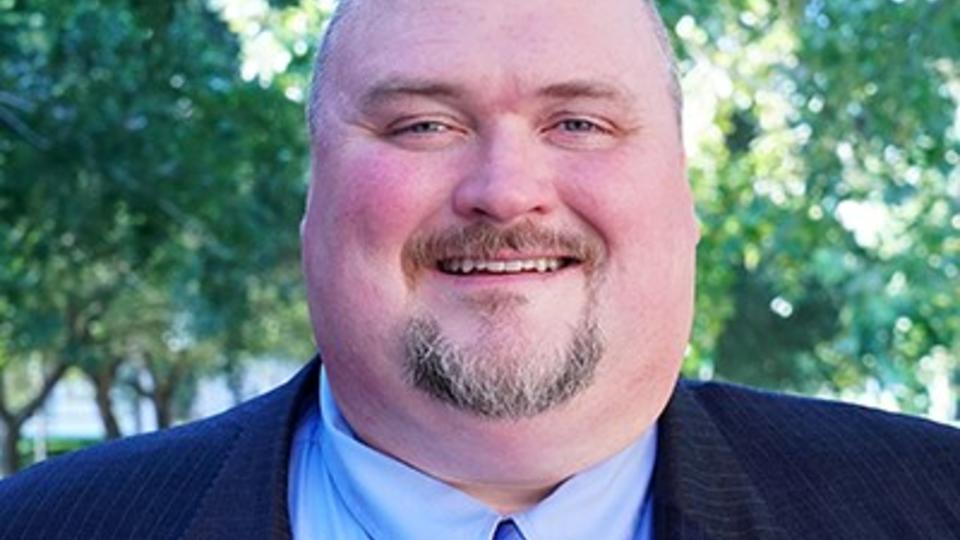
Professor Jonathan Miles discusses why so many talented people struggle to advocate for themselves, what his comic book store taught him about entrepreneurship, and why influence is often misunderstood.
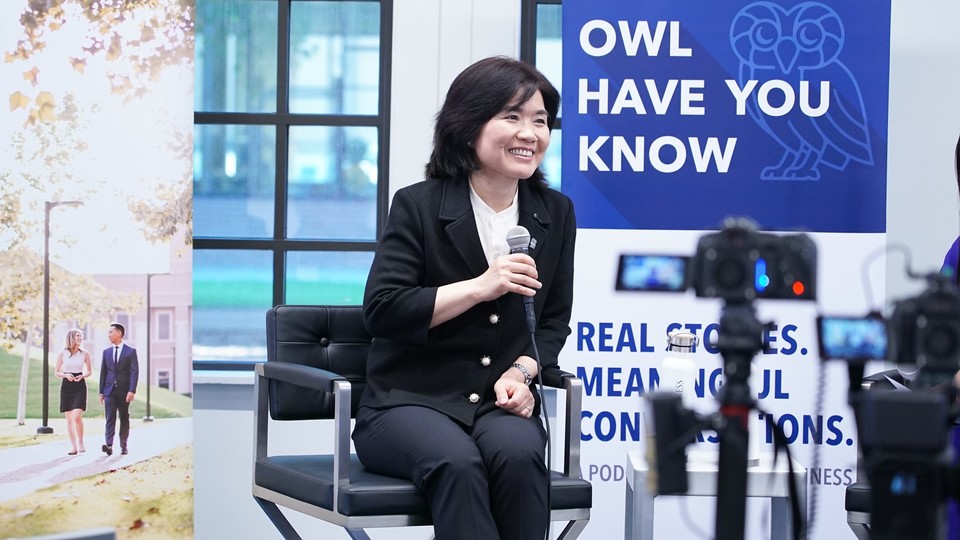
Professor Zhang shares what her research reveals about the leap from functional roles to the C-suite, why taking risks is non-negotiable for career advancement, and how Rice Business Executive Education’s Executive Leadership for Women program is giving women the tools and community to rise.
Professor Yael Hochberg shares the origin story of the Liu Idea Lab for Innovation and Entrepreneurship (Lilie), the incredible innovation that has come from Lilie over the last 10 years and what the future holds for entrepreneurship education in the age of AI.