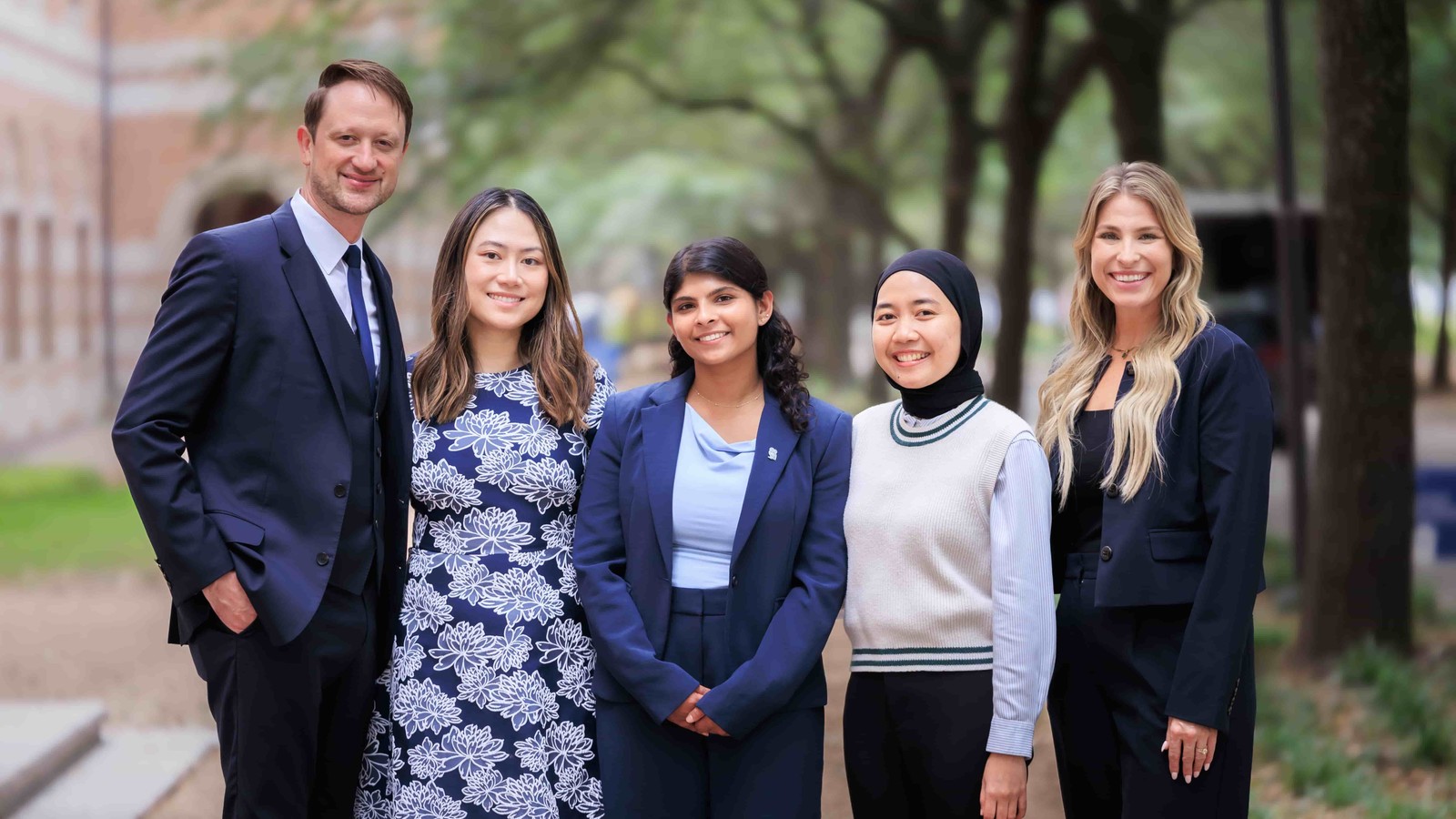
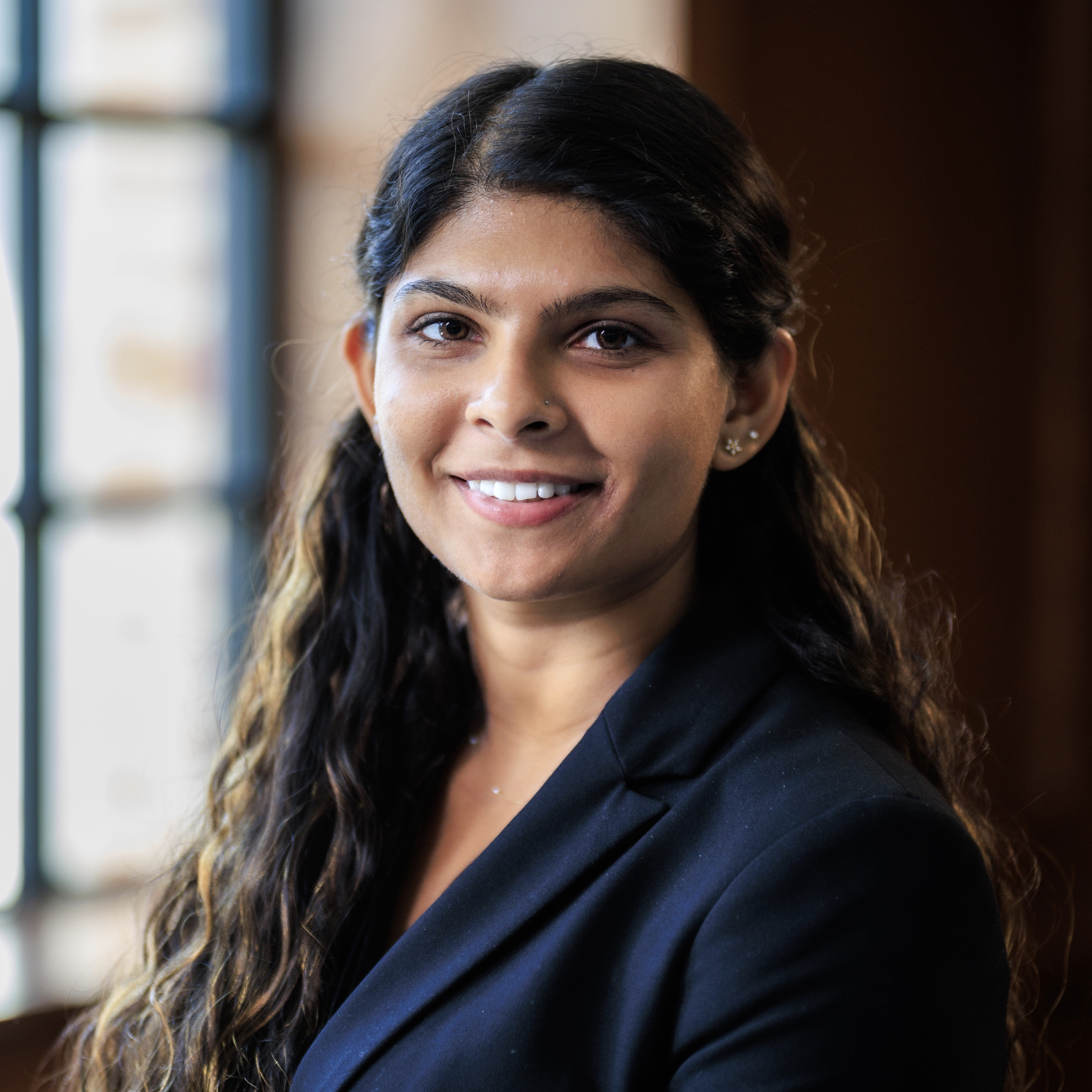
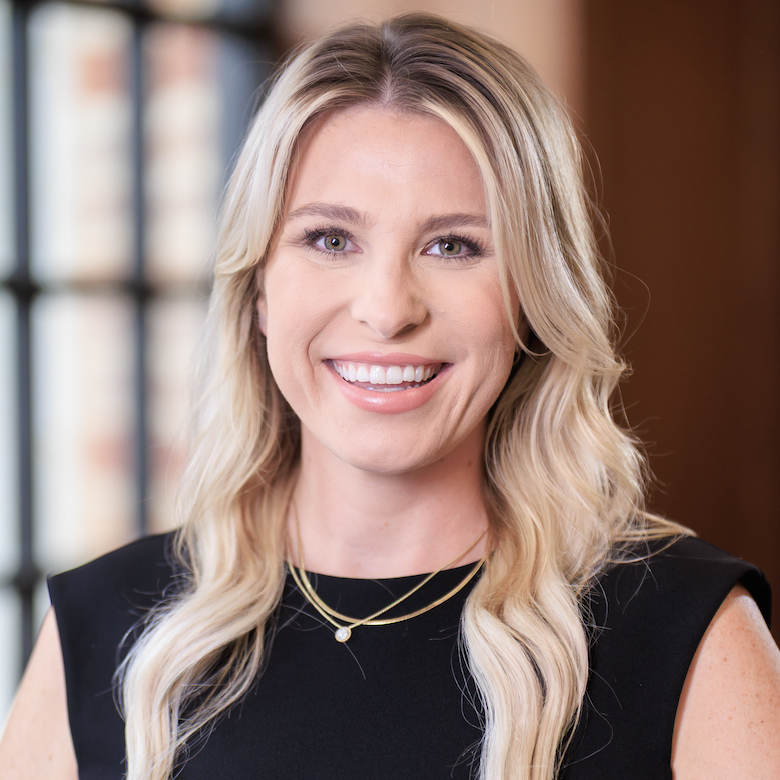
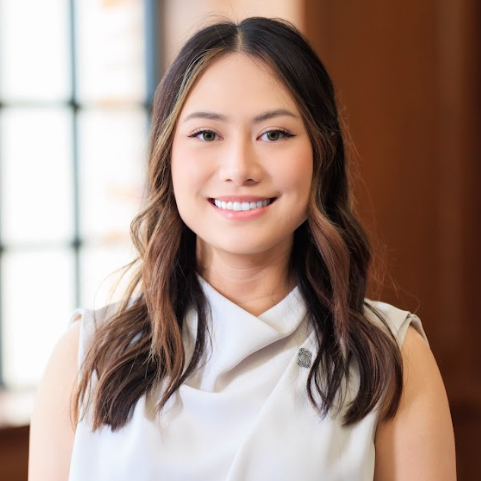
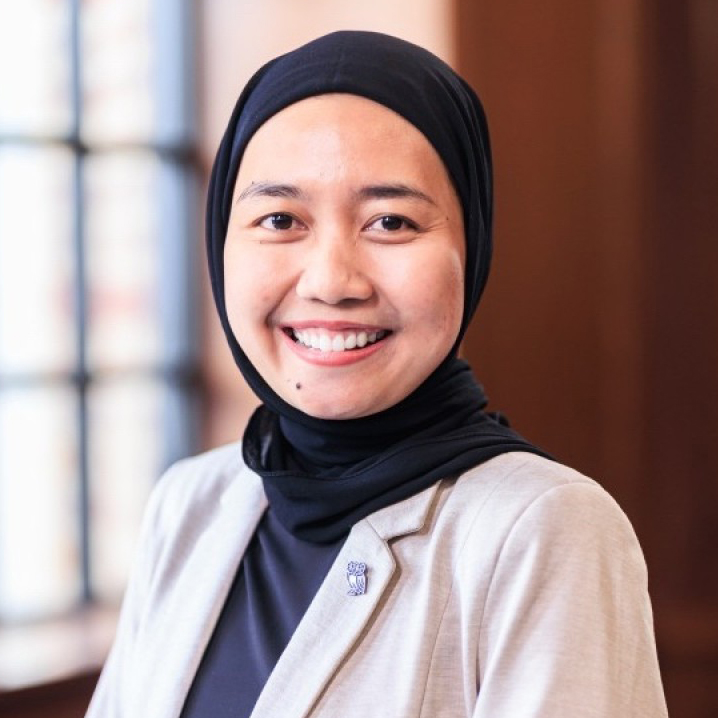
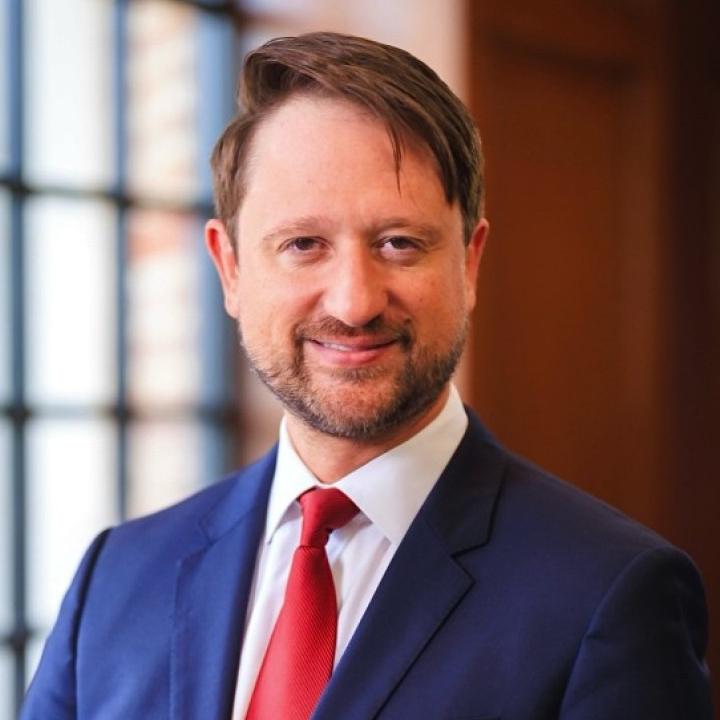
Committee members Bodie Gilbert, Katherine Shu, Rachel Roby, Dyan Utami and Caitlin Fabian.
When we set out to launch Rice Business’ Inaugural AI in Healthcare Conference, we did not have a playbook. What we had was an idea, a uniquely rich healthcare ecosystem on our doorstep and a shared conviction that the conversations happening around AI in medicine deserved a dedicated stage.
This is the story of how we built it, what we learned, and why Rice Business is the right place for this kind of work.
Why Rice Business Needed a Healthcare Conference
What brought our team together was a shared passion for healthcare.
Our committee entered the Rice Business MBA from different corners of the industry — clinical care, public health, life sciences, operations — and we wanted to reflect how much those communities meant to us. Rice Business sits in a uniquely strong position to make that happen.
Houston is home to one of the most important healthcare ecosystems in the country, and Rice has an exceptional alumni network of leaders across health systems, startups and innovation roles. What was missing was a dedicated space for students to engage with those people, perspectives and ideas back on campus. That was the opportunity we wanted to seize.
The use of AI in healthcare was a timely and meaningful theme for us to organize the conversation around, but at its core, this conference was about strengthening the bridge between Rice Business and the broader healthcare community.
The 2026 Healthcare Conference began as a mere idea — early on, we weren’t sure how to approach sponsorship, marketing or even how to structure the event. There was a lot of uncertainty and no preexisting framework to follow.
Image
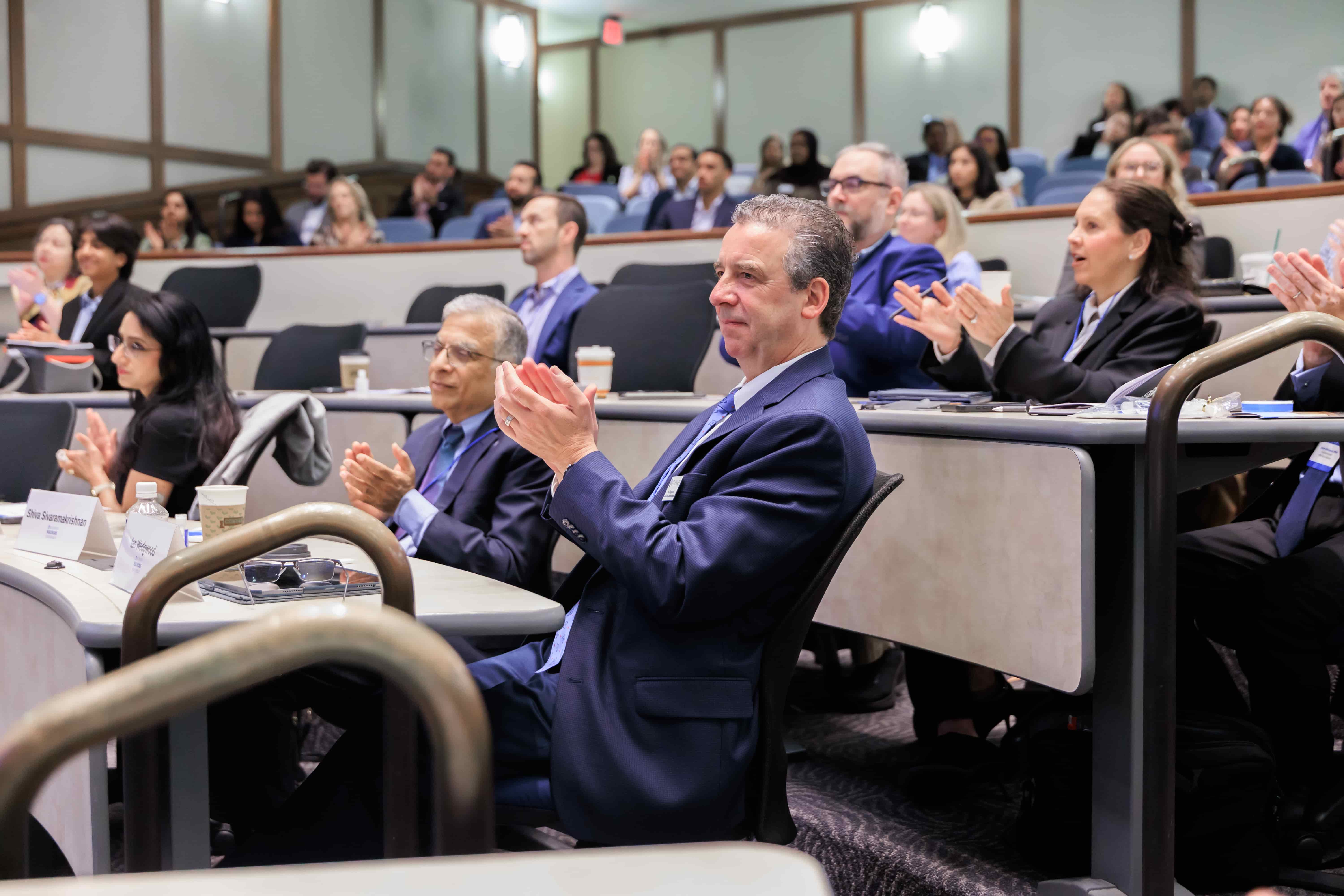
Ian Wedgwood sits next to Shiva Sivaramakrishnan at the inaugural conference.
But the Rice Business faculty and staff guided us through the process and opened new doors, especially Erica Njoku (director of student experience); Shiva Sivaramakrishnan (Henry Gardiner Symonds Professor of Accounting and academic director of healthcare programming); and Ian Wedgwood (operations director of healthcare programs and lecturer in operations management).
We had incredible support from the broader Rice Business community, including Marketing and Communications, External Relations and the catering team, who helped bring the event to life behind the scenes.
One of the most valuable parts of the experience was discovering how willing the Rice community, especially alumni, was to back a strong student-led initiative. As we reached out, we found alumni eager to mentor, sponsor, speak and open doors.
The biggest lesson we took away is that you do not need to have everything figured out at the start. If the idea is meaningful and you stay consistent, the right people will show up to help you build it.
Rachel Roby '26
Conference Chair, 2026 Healthcare Conference
The Conversations That Mattered Most
A defining characteristic of the conference was the integrity of the conversations. Leaders spoke openly about the challenges of integrating AI and new technologies into existing workflows, the importance of organizational design and the responsibility to ensure these tools actually improve patient outcomes.
Our team didn’t have a deep background in AI, so these discussions helped us build a far more practical understanding of how AI is being used in healthcare beyond the headlines.
How This Shaped Our MBA Experience
Leading the Inaugural Rice Business Healthcare Conference allowed us to apply the MBA directly to our work. It shifted our perspective from learning concepts in the classroom to actively building something with real impact.
Image
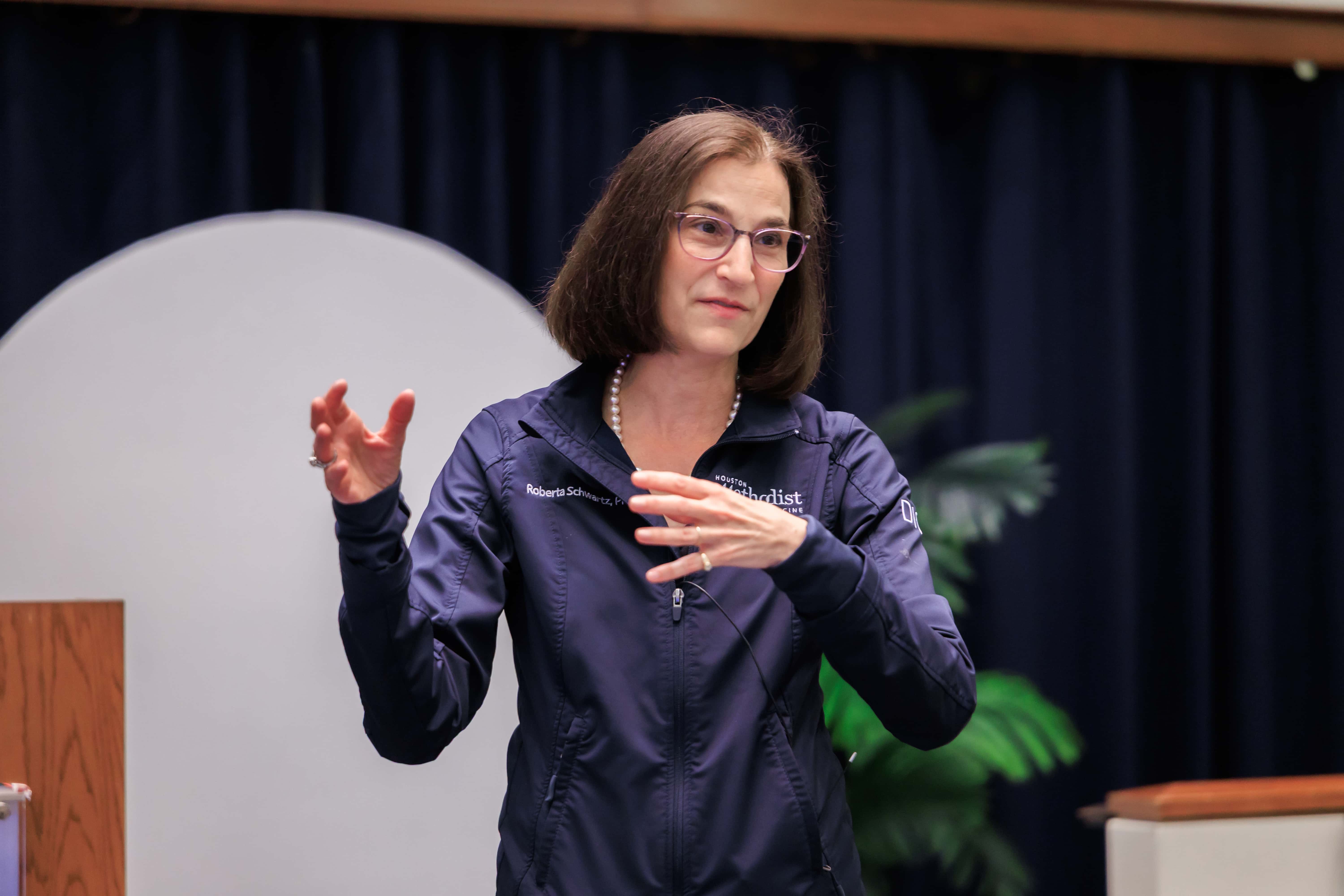
Keynote speaker Roberta Schwartz, executive VP of Houston Methodist Hospital and chief innovation officer at Houston Methodist.
It also deepened our interest in healthcare across areas — from operations and strategy to innovation. For many of us, this was our first real exposure to AI in healthcare, and it helped clarify how we might want to engage with it in our careers. More than anything, it showed us that you can learn a new space quickly by immersing yourself in it.
One of Rice Business’ greatest strengths is its healthcare alumni network — and that access translated into real opportunity when garnering speakers and partnerships. The conference also reminded us of Houston’s healthcare advantage, both as home to the Texas Medical Center and as a place where healthcare systems, startups and innovation hubs are closely interwoven.
Rice creates an environment where students are encouraged not just to learn about industries, but to actively engage with and contribute to them.
Advice for Prospective Students
There is real room to take initiative at Rice Business. When you’re ready to bring an idea to life, the school will support you at every step.
Our advice is simple: Pursue what you are genuinely passionate about. If you see an opportunity to create something meaningful or bring people together around an idea, push it forward. Rice gives you the space to be innovative, but it is up to you to take that step and turn it into something real.
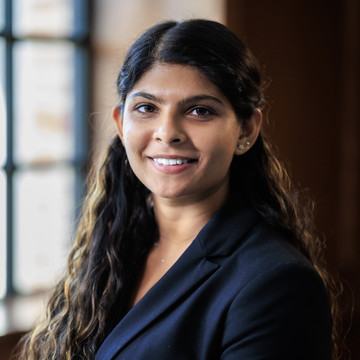
Rachel Roby, the conference chair, worked in healthcare with a focus on epidemiology and infection prevention — monitoring patient care metrics, supporting compliance with national standards and partnering with clinical teams to improve outcomes. After graduation, she will enter a senior infection prevention role at a biocontainment unit in Galveston. Roby hopes to bring real value to her teams, strengthen the systems that protect patient care and grow into a leader who can guide decisions in complex, high-stakes environments. The Rice MBA and Healthcare Conference have allowed her to sharpen her ability to align people, processes and strategy.
Image
Caitlin Fabian is the operations chair and a practicing physician assistant and manager, a role uniquely positioned to make lasting impacts within the surgical industry. Her experience spans the entire clinical care process, including scheduling, nursing, diagnosing, treating and post-operative care. Her long-term goal is to leverage her unique multidisciplinary experiences as a clinical provider with her Rice MBA to improve healthcare access, enhance quality and efficiency, and contribute to strategic planning at the executive level.
Image
Katherine Shu serves as the finance chair and worked in cell therapy prior to pursuing an MBA. This allowed her to work at the frontier of “personalized medicine,” where single-dose, potentially curative therapies could transform the current standard of care. She was motivated to attend Rice Business by the industry’s challenges, opportunities and her own curiosity about the business side of biopharma. Building on her leadership in the 2026 conference, Shu hopes to continue sharpening her business acumen, connecting others as a student leader, and pursuing consulting and strategy roles focused on growth, problem-solving and scale.
Image
Dyan Utami is the marketing chair and prior growth manager at Aquabloom, an early-stage seaweed company focused on biostimulants and animal feed additives, where she led day-to-day operations and growth initiatives. Motivated by her experience living in Indonesia, where nearly 70% of cancer patients are diagnosed at a late stage, Utami is passionate about increasing awareness of early-stage cancer symptoms. After graduation, she plans to build a venture focused on expanding access to early cancer screening, using technology to transform early detection and save lives.
Image
Bodie Gilbert, programming chair, led a successful career in operations, strategy and executive leadership in church ministry prior to the MBA. His experience managing organizational change, guiding complex systems and aiding in personal development gave him a strong foundation in strategic thinking, leadership, communication and people work. Gilbert’s post-MBA goal is to step into a leadership role where he can help organizations solve complex problems, improve performance and lead meaningful transformation — particularly in healthcare management — to make a lasting impact.
Discover how Asha and Farid Virani Hall at Rice University doubles space for MBA students, adding 112,000 square feet of high-tech classrooms, event hubs, study spots and dining areas.
Learn from Rice Business how a part-time MBA fits a full-time career, along with tips for typical weekly workload ranges and practical planning strategies.
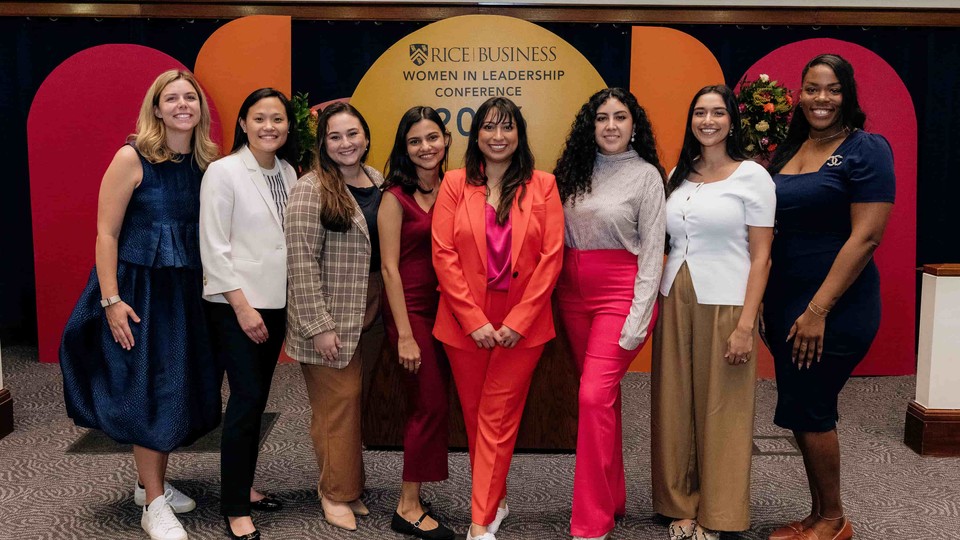
Now in its 26th year, the Women in Leadership Conference has long been one of the defining gatherings at Rice Business. This year, it welcomed more than 600 attendees, fifteen sponsoring companies and endless advice on leadership.