
Image

Balancing a full-time career with a part-time MBA is a challenge — but part-time MBA programs are typically structured for working professionals, with flexible schedules, supportive faculty and purpose-built formats.
Most students in our Professional MBA program, one of our part-time programs, dedicate 15–25 hours per week on average to their part-time MBA, depending on the term and workload. This includes class attendance, team meetings, readings and project work. During exam periods or major deliverables, demands can temporarily increase.
Here’s an example of how part-time MBA obligations break down:
| Activity | Average Hours per Week |
|---|---|
| Class time | 6–8 |
| Study and assignments | 8–12 |
| Team projects | 3–5 |
| Networking and events | 2–3 |
For specific scheduling details, review our part-time (Professional) MBA frequently asked questions.
Start by plotting all firm commitments on a weekly calendar — work hours, required class sessions, family obligations. This reveals the “white space” available for study or self-care. Digital calendars make color-coding simple: e.g., work in blue, classes in green, personal time in yellow.
Sharing your schedule with family or trusted colleagues can also reduce conflicts before they arise. A visual view of your full week also helps you protect study windows and identify moments when you’ll need support.
A clear goal-setting framework helps you stay focused amid competing demands. The SMART model is a practical place to start:
For example, a vague goal like “increase my finance proficiency” becomes more actionable when broken into weekly tasks — completing practice problems or joining a finance study group. Translating semester objectives into weekly actions keeps ambition grounded and progress visible.
Many Rice MBA students schedule two or three consistent study blocks each week, setting automated reminders for focus sessions and family time. Digital tools like Google Calendar, Outlook, Notion or Trello can automate task tracking and sync across personal and work calendars.
During busier periods, automated notifications and collaboration tools help keep deadlines visible and protect the boundaries around essential academic time.
When balancing full-time work and an MBA, daily prioritization is key to keeping stress in check. The Eisenhower Matrix — a 2x2 grid that sorts tasks by urgency and importance — helps you decide what to do immediately, what to schedule for later, and what to delegate or drop.
For execution, methods like the Pomodoro Technique (25-minute focused sprints followed by short breaks) help sustain steady progress. Many working professionals also swear by the “Eat That Frog” approach — tackling the most demanding task first — and pair it with deep work sessions scheduled during their peak focus hours.
Open communication with your employer, colleagues and family can make a significant difference. Share your MBA schedule early, flag high-intensity periods such as exams or project deadlines, and request flexible arrangements when needed. Keeping others informed as you progress helps build mutual trust over time.

Rice Business students can further support themselves by connecting with mentors through student associations or reaching out to the Office of Academic Programs & Student Experience (APSE) for guidance. These resources can help you align work expectations with academic demands without sacrificing balance.
Earning an MBA while working full-time requires real trade-offs. Some leisure or personal time will inevitably shift toward coursework or networking. Thoughtful planning, however, can minimize the stress of those adjustments. Front-loading major assignments, delegating where possible, and leaning on Rice Business’ tight-knit community for accountability and encouragement all make the journey more manageable.
The payoff is substantial. Graduates build leadership capacity, expand their professional networks and advance their careers — all while demonstrating the ability to manage complexity and balance competing demands.
Weekly reflection allows you to stay on track and course-correct before small issues grow into burnout. At the end of each week, review what went well, identify bottlenecks, and update your plan for the next week. Protecting at least one full personal day also matters — many students reserve Sundays for rest or family time.
Rice Business coaching encourages students to focus on their “circle of control,” the factors they can actively influence, while releasing stress around what they can’t. This mindset, reinforced by wellness programs and a strong sense of community, helps sustain motivation across the program’s two years.
Rice Business offers flexible MBA formats designed around the realities of working professionals. Students can choose from our mostly in-person Professional MBA (evening, weekend and hybrid formats), or our fully virtual Online MBA, which combines flexible attendance with structured weekly engagement.
Each format is designed to fit alongside a full-time job, allowing students to maintain their income and career momentum while earning a Rice MBA. Most classes meet once or twice a week, and schedules are published well in advance so students can plan around work commitments.
A typical week for Professional MBA evening or weekend students might look like this:
| Format | Day | Work Hours | Class/Study Time | Notes |
|---|---|---|---|---|
| Evening MBA | Monday–Friday | 8:00 a.m.–5:00 p.m. | 6:30–9:30 p.m. (two evenings) | Occasional all-day Fri/Sat classes |
| Weekend MBA | Friday & Saturday | Half day Friday; N/A Saturday | 4:00–9:30 p.m. Friday; 7:30 a.m.–6:30 p.m. Saturday | First semester Fridays begin at 2:15 p.m.; approx. one semester will have an 8:00 a.m. start time. |
This structure reflects the flexibility built into the Professional MBA formats, giving students the confidence to plan ahead while maintaining momentum in both their careers and studies. Note: The Professional Hybrid MBA format is similar to the weekend format except its weekend schedule is once a month with online classes in between.
Rice Business offers extensive academic and well-being support for our working professional students. The Office of Academic Programs & Student Experience along with our Career Development Office (CDO) provides advising, coaching, and mentorship to help.
Students also benefit from peer networks, study groups, and wellness programming that build community and resilience. Taking advantage of these resources transforms a demanding schedule into a structured, rewarding experience grounded in support and belonging.
Rice Business offers multiple part-time MBA formats to enable you to find an MBA program that aligns with your schedule. Rice Business part-time MBA programs include our Professional Weekend MBA, our Professional Evening MBA, our Hybrid MBA and our Online MBA program. In addition, we also offer an Executive MBA program designed for more experienced professionals. Each of these programs are designed to enable you to earn the same Rice MBA while working full-time. We encourage you to take our quiz to see what MBA program is right for you.
Setting SMART goals, using time-blocking, prioritizing high-impact tasks and integrating productivity tools are effective ways to balance work and study.
Rice Business offers academic advising, coaching, wellness counseling and peer mentoring to help students sustain balance and thrive. You can learn more about how we support students here.
Share your class schedule and high-demand periods early, and maintain open communication with your employer about flexibility when needed. Each program has a curriculum page that outlines its schedule. You can learn about the Professional MBA program’s curriculum here.
Graduates often experience career advancement, salary growth, and connection to a strong Houston-based and global professional network through the Rice community. Learn more about what to expect after Rice here.
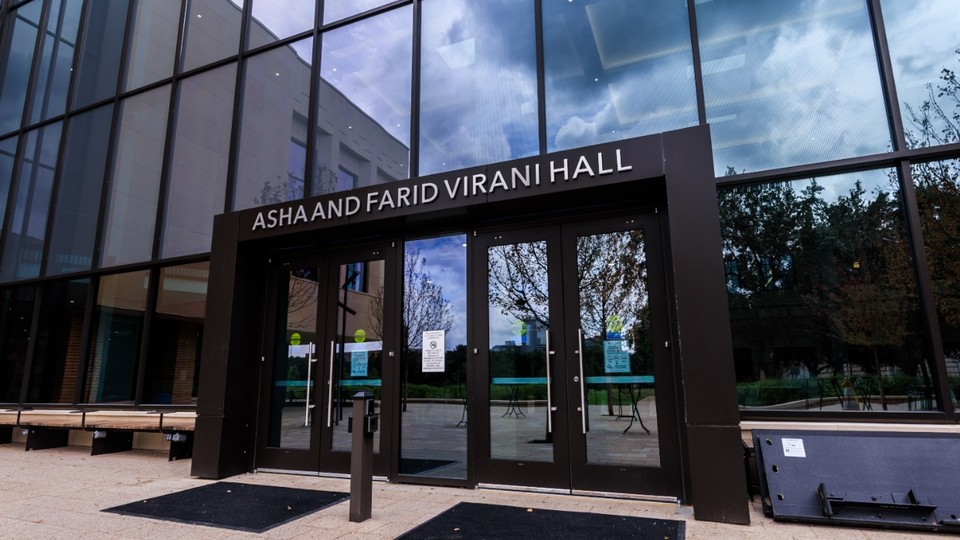
Discover how Asha and Farid Virani Hall at Rice University doubles space for MBA students, adding 112,000 square feet of high-tech classrooms, event hubs, study spots and dining areas.
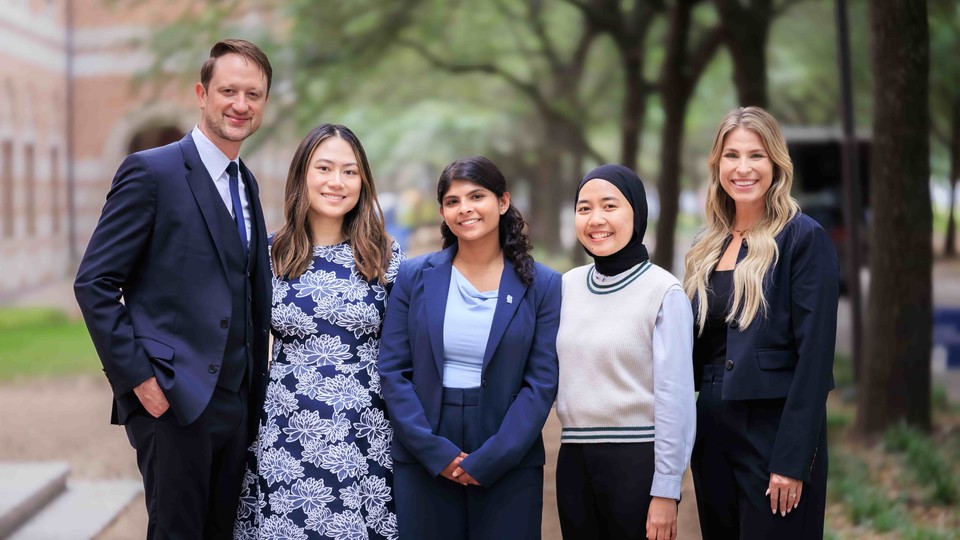
Rice Business’ Inaugural AI in Healthcare Conference began as just an idea. Here’s how the school’s network of support helped MBA students launch and host a successful conference exploring the future of AI in medicine.
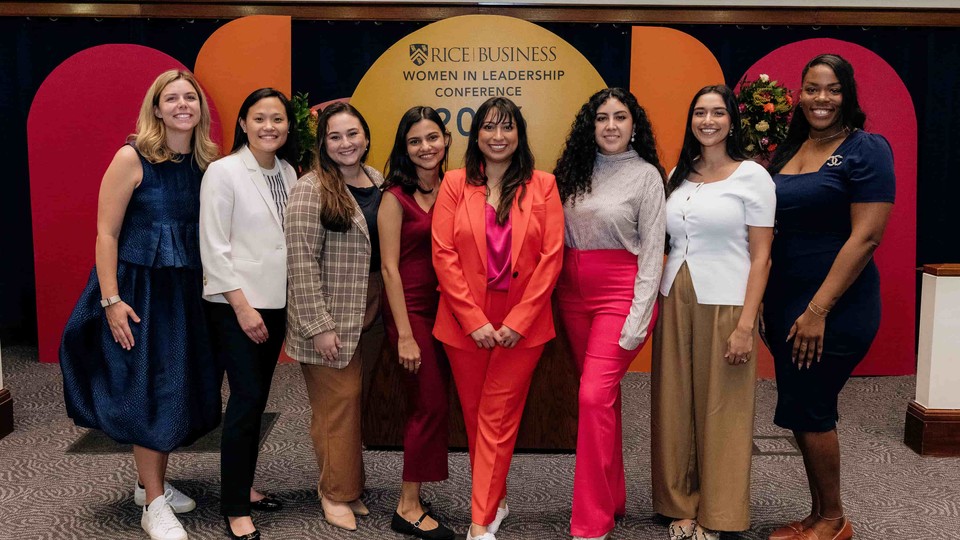
Now in its 26th year, the Women in Leadership Conference has long been one of the defining gatherings at Rice Business. This year, it welcomed more than 600 attendees, fifteen sponsoring companies and endless advice on leadership.