Pivot
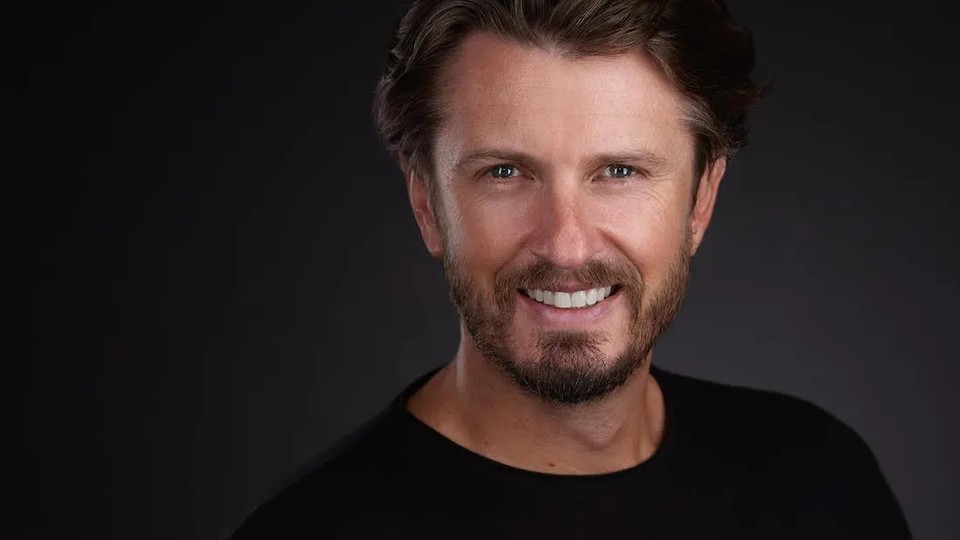
Scott chats about BeONE Sports, his startup combining AI and motion-capture technology to help athletes elevate their performance and prevent injuries.
Not every job will feel like the perfect fit, but for David Verbitsky ’10, every new position is an important stepping stone in your career, and an opportunity to learn and grow.
When David wanted to pivot his career from engineering to finance, the path led him straight to an MBA at Rice Business. His experience at Rice spring boarded him into a career in investment banking with a special focus on agriculture and food. Over the past 15 years, he’s worked as the global head of agriculture and nutrition investment banking at Goldman Sachs, as the global head of AgTech and sustainable food investment banking at Nomura Greentech, and as a member of the global chemicals and agriculture investment banking team at Barclays.
Now, David is applying all of his industry expertise to his own investment banking firm, Verbitsky Capital. In this episode, he chats with co-host Maya Pomroy ’22 about how Rice Business prepared him for a successful career in finance, what he learned through every job change and where he thinks innovation in the agriculture sector is heading next.
Subscribe to Owl Have You Know on Apple Podcasts, Spotify, Youtube or wherever you find your favorite podcasts.
[00:00]Maya Pomroy: Welcome to Owl Have You Know, a podcast from Rice Business. This episode is part of our Pivot series, where guests share stories of transformation in their lives and careers.
On today’s episode of Owl Have You Know, we talk with David Verbitsky, the president and managing director of Verbitsky Capital, a boutique investment banking firm providing financial advice and guidance to companies driving innovation in agriculture and food. We explore his pivot from engineering to finance, what motivated him to pursue an MBA at Rice Business and how some things which seem like incredible opportunities weren’t the right fit and were actually guiding him to find his true purpose.
Today, we are joined by David Verbitsky, Full Time MBA from the Class of 2010.
Welcome, David.
[00:52]David Verbitsky: Thanks for having me.
[00:54]Maya Pomroy: Well, we're thrilled to have you. You are the president and managing director of Verbitsky Capital. You have 15 years of investment banking and entrepreneurial experience with a specific focus on agriculture and the food sector. However, that is not how you started. On the surface, it looks like you do not have a linear pathway in terms of your professional career. But if you dig a little bit deeper, you see that there are all of these different points that have led you to where you are today. But you actually started with a bachelor of science in chemical engineering from Columbia.
[01:31]David Verbitsky: Yeah. And I started off as an engineer. And I thought that would be an interesting career, and I learned a lot out of it. It was a great experience. And my biggest takeaways out of that was I definitely do not want to be an engineer for my career. But it was a great introduction to an industry and to just understanding, I think, the world, kind of, at large.
So, I did a lot of work in both this actual chemical industry, but more overall in oil and gas. And so, that was the real first industry that I worked in and understood and got to understand. Okay. Here are all the different levers you can pull, and all of the different people involved. And so, that was a great learning experience. And it also got me interested in the sector. And I think that was more of my launchpad than the actual engineering job itself and the functions around it.
[02:29]Maya Pomroy: Did you grow up in a home with engineers, by chance?
[02:33]David Verbitsky: I did. Yes. My mom was, my sister was, her husband was, my aunt, and of almost everyone in my family except my dad, who is a professional musician.
[02:44]Maya Pomroy: Oh, wow.
[02:45]David Verbitsky: So, he was kind of the lone wolf, very different, but more or less kind of, yeah. Everyone else in my family went the engineering route, so it was, you know, it was an easy path to take. And because it was very oil and gas focused, right, I was spending a lot of time in Houston, seeing a lot of clients in there that we were working with. And so, that provided part of the intro to Rice. I was very aware of the university and everything that it stood for.
Not great, it was, but then I had more exposure through that. And because of that, focus on oil and gas, that, kind of, led me to Rice, saying, like, ″Okay, who has the biggest network, and who is probably the most connected into that sector of all?" And so, that's why I ended up going to business school, to change out of that and change careers, but also because of the affiliation, connection with the broader oil and gas industry.
[03:32]Maya Pomroy: So, Rice… I mean, you really found the best place you possibly could, because Rice is number one for entrepreneurship and number three in finance, which is what you were drawn to. So, you didn't grow up in Houston, right? So, then you came here for work.
[03:48]David Verbitsky: Yes.
[03:49]Maya Pomroy: And so, what was your first exposure to Rice? Do you remember?
[03:53]David Verbitsky: I'm pretty sure I went and saw the campus, and I've seen it probably in earlier years. I don't remember that too specifically, right? I think the real first experience was when I actually moved down to go to business school and start. And so, moved down there. I saw my apartment and really just coming for orientation or first day of class, meeting all the other students, the professors, everyone else involved with the program. And so, seeing that, and, kind of, really being thrown right into the mix, and it was fun.
I think that's probably the best way to put it. It was like, it's interesting, it's fun, right? You're starting graduate school, but business school is a lot more than just pure academic skills, right? A lot of soft skills that you're learning. So, it was a great two years, and, you know, I think a very good initial kind of first step on the way to changing careers, and learning things that I didn't necessarily learn in undergrad.
[04:53]Maya Pomroy: Right. So, what drew you to finance and investment banking? Was it something specific, or was it just something that you were curious about? I mean, I didn't want to be an engineer either. I've got a bunch of engineers in my family. I'm like, ″Nope. I think you probably picked me up off the side of the road, because I'm clearly, I don't have that same DNA." But what drew you to finance?
[05:12]David Verbitsky: Yes, so you have this analytical, quantitative thinking that you have in engineering or really any STEM sort of profession or education, right? So, that's very similar to finance. And so, saw that connection and that parallel. Then, when I entered business school, when I was applying, I was always thinking I would make that move and transition into finance. What role and what capacity? I didn't know. I didn't know before going and starting school. I really, honestly, was not thinking about investment banking when I was applying or starting business school.
And my thoughts at the time were, ″Okay, I see all these new funds that are oil and gas focused that are starting up,″ and this looks like, ″Okay, there could be a lot of opportunity here." And this was, so this would've been…
[06:02]Maya Pomroy: 2008?
[06:03]David Verbitsky: Yeah, so I started in 2008, right? And if you look at like 2006, 2007, 2008 leading up to it, you had a run-up in commodity prices. You had, you exited basically almost a 10-year trough and really bad period in the oil and gas sector. And so, this was pre-fracking, pre-natural gas, but all of a sudden, oil prices really went up.
And so, you had this, ″Okay, investment focus on the sector." And so, I thought, ″Okay, I'd love to do that. Hopefully, that could be something that I could transition to." And a lot of those funds were based in Houston, and not all of them, but a lot of them. And so, then we start, it's 2008, global financial crisis. All these things are happening. It was a great time to be in business school, that's for sure, but a turbulent time in the job market.
So, a lot of those opportunities that I was thinking about really, I think, dried up, and most of them, I think, went away, and didn't really last through the financial crisis, these kind of sector-specific, commodity-focused funds. And I was looking around, and it's a recruiting machine, right? Investment banking, consulting, you know, the two biggest recruiting machines in business school. And so, I went, and I tried it, and was looking to just learn more about it. I had a lot of exposure to it already. I mean, I went to Columbia. I had the same machine there for undergrads, had plenty of friends who went into banking.
I was not interested at that time. Now I started to become interested, and so I just went into that process. And I think there is a competitiveness around it. You know, you're looking out, you know, what kind of is this the quote-unquote kind of best job you can get out of school? But then once you actually spend time in there and understand the job better, and this is once you've had the job, too, but even when you're recruiting, is, yes, it's finance, and then you're dealing with numbers and things like that, but it's highly strategic, [crosstalk 00:07:31].
[07:56]Maya Pomroy: And psychological as well?
[07:58]David Verbitsky: Yes. It's psychological, it's strategic, you have to be a very critical thinker. And as you progress through the career, and what I've really enjoyed is it becomes much more about communication and presentation. And so, you're presenting to clients constantly. Every single time you speak to anyone, you're presenting to them.
And so, that piece of it I see as like, those are the three fundamentals that really have me interested in why I continue to be in this career, right? And I saw bits and pieces of that when I was recruiting. You know, you clearly don't know where you're going to be, what it's going to lead to, but that's what first drew me to it. And did all the recruiting machine during that first semester when I was at Rice, and then got my summer internship at Barclays that first summer, [crosstalk 00:08:44].
[08:44]Maya Pomroy: How was that? Was that fun?
[08:46]David Verbitsky: It was. That was very fun. And it was summer of '09. That was the beginning of the change, I think, in banking culture from pre-crisis, when I think it was a very kind of work hard, play hard type of culture, to changing and getting a bit softer post-crisis there.
[09:02]Maya Pomroy: And also, lots of regulation.
[09:04]David Verbitsky: Yes. Lots of regulations came in. Yes, that's for sure. I got to do a few different things that summer, did some oil and gas work. That was a… I think you're so pumped up and psyched for it that you're willing to do whatever it takes. And so, I know just from pure effort alone, I got a good reputation during that summer, and so got the full-time offer.
[09:29]Maya Pomroy: So, how did you get interested in agriculture? What led you to really be focused on investing in agriculture, and the food chain, and those sorts of things?
[09:36]David Verbitsky: So, that was a very natural progression. So, that was started off in natural resources, did some oil and gas. There was a chemicals group in that team. I could speak the language, which was a very helpful first step beyond everyone else. Even though you're doing banking, it's all the same work, but you could actually understand what these companies are doing. And so, they very quickly, when I started, they had me go to the chemicals team, so I started doing that. And I liked the team, I liked the people.
So, I was like, ″Sure, why not?" Then, within chemicals, some of the ag companies were covered in chemicals traditionally. So, a lot of the input companies, so like Monsanto and Dow and DuPont and companies like that were traditionally covered…
[10:24]Maya Pomroy: Yeah. We all know Monsanto, I think.
[10:27]David Verbitsky: Exactly. So, I think, hopefully, people know those big names, you know, and lots of other names, too. But so, they were covered within chemicals, and this was really just happenstance that I started to work on a bunch of transactions that were all agriculture-focused. And this is when I was an associate at Barclays. And so, started doing them, and then there was a bit more activity coming through from the agriculture side. And so, whenever one came down, they'd always put me on it.
And so, then I became, within the team, they're like, ″Yeah, he's chemicals, but like if there's an ag deal, let's put him on it." So, I was like, ″Okay, sounds good. Part of a broader perspective and experience." Then the big change was when I went to Goldman Sachs. They were interviewing for… So, I moved there when I was a VP, and it was specifically to just do agriculture. So, they had a group head there who had a view, and he wanted all of his VPs to be very specialized in each sub-sector.
[11:31]Maya Pomroy: Competitive advantage, right?
[11:33]David Verbitsky: Yeah, a competitive advantage. And the way that they're like, ″Look, the senior bankers are covering clients, and they can cover clients from across different sectors, but we really need the knowledge base of like, who are these companies? What do they do? Who are their competitors? You know, who are the right comps, the transactions to look at? And we want that to be at the VP level of just an expertise." So, I really never was thinking of going into agriculture. It was never my plan, or goal, or anything like that, but I thought this seems like a good opportunity.
I get to become truly the sector expert where the senior bankers are all going to have to come to me, and we will work together to cover clients because I'll know the clients and the sectors, but they clearly have the expertise of what it actually means to be a real banker, right? So, it was in my five years when I was at Goldman where, I think, I learned the most and really got that transition from being a junior, mid-level banker to becoming a senior banker, because I got more and more responsibility over time, sort of, covering clients directly, and having sole responsibility for them, and really became, just, that's my industry focus.
Very quickly, I came to really enjoy it and grow passionate about the sector. Because it truly, like I did a number of transactions and I knew it, and I was like, ″Okay, I know some of this stuff here, but like when it's the only sector you cover, you better enjoy it, because then why are you doing it? And you got to find another role." So, I thought it was super interesting, right? Everything's connected to food, and you touch this three times a day, every day. And so, you can see those connections, and so you got to just be able to make it tangible and personal for yourself.
And so, I was quickly able to do that and make it interesting. And so, because of that, I was really thriving in it. And I thought it was a great career track and move. And then on top of that, my first three years when I was at Goldman, the sector underwent a phenomenal consolidation period from an M&A perspective. So, from a career perspective, it was great. Got to work on every big deal in the sector, right?
You have the Goldman name, you're working with all these senior bankers, and so every large deal we're on, got this great experience and stuff that I still rely on today and think about all the things I've learned throughout that time. So, it was, it was a fantastic time and just kind of right place, right time. And then it's a cyclical industry thing, much like oil and gas, or any other commodity-driven business. Three years, phenomenal. And then that was the boom, and then there was the bust.
So, then my last two years when I was there, there was just nothing happening, like very little activity in the sector. And there is just no transactions, and you're then looking around, and it's tough. It's tough from a banking perspective, especially when you're at a big platform like that that's used to just constant activity and deal flow.
So, I was looking around and saying, ″Okay, well, do I need to make a move and start broadening it out, covering different industries if I want to stay in banking, or do I double down on this sector, the sector that I came to really, really enjoy and start to build these deep relationships with?" And so, what I noticed was this was… So, starting in probably 2017, 2018, especially 2019, was all of a sudden you start to see this big increase in venture capital funding driven by tech…
[15:10]Maya Pomroy: Lots of money in VC at that time.
[15:12]David Verbitsky: Right. Lots and lots of money, right? And so, you see it across all sectors, but tech always had VC money, or at least it did for the past 20-plus years, right? Biotech always had it, but ag was getting VC money for the first time ever. They just never had it before. So, I was looking at that, paying attention to it, and one of my clients left his big corporate role job. He left to go and become CEO of an AgTech startup. And so, we got to talking, and so eventually he recruited me to come join him as CFO.
[15:47]Maya Pomroy: So, was this your first experience in venture?
[15:50]David Verbitsky: It was, yes. Yeah. So, I was waiting. I was like, ″Should I move or should I not? Should I make this jump?" And so, I thought, ″Okay, I'm going with someone who I've worked with before." I know him already. We have an existing relationship. There seems to be all this momentum. I got a CFO title. That sounds great. So, I made the jump.
[16:09]Maya Pomroy: That's scary, though. That's a scary jump to make.
[16:12]David Verbitsky: It is, and I can tell you very quickly, within a matter of months, I regretted it. It's just something where you just know this is not the right fit, not the best use of your skills. But also, just working at a startup. So, when I was an engineer, I worked at a startup, but you're straight out of college. You don't know anything. You have no other perspective, so you're fine. But then after that, I worked for two huge, large multinational companies, and then after that experience, and that was for a 10-year period, after that, then going to a startup, it's very different.
The role, the responsibilities of what are expected were just they were different than what I was expecting. And so, this isn't the right fit, but let's keep going and, you know, you have to make the most out of it. But you learn from everything. And so, right now, I look at it as all just like, you know, the steps you're taking to move forward and learning. So, that was a good experience from a learning perspective. Then I joined Expara. So, I was looking to get out.
I continued to talk with my contacts in banking, because I didn't flee banking because I hated it, which is what a lot of people are. I was just looking at my options, and I thought it was a good opportunity. So, I kept in touch. I kept talking to a lot of people at various banks. And, you know, I think it's always important, right? Keep your options open. Don't burn bridges.
[17:38]Maya Pomroy: And keep your connections. I mean, your network is everything.
[17:41]David Verbitsky: Yeah. I mean, it's very important. So, at that time, just never found the right fit. I was a bit more eyes wide open, like you got to find the right team.
[17:50]Maya Pomroy: More discerning.
[17:51]David Verbitsky: Right. And so, I didn't find the right fit at that time. But I was looking. I was like, ″I have to leave this job that I'm in at the startup." And so, then I found Expara Ventures, and… Expara was a VC fund.
[18:05]Maya Pomroy: And where was it? Was it in New York as well?
[18:08]David Verbitsky: So, the fund was actually based in Singapore.
[18:10]Maya Pomroy: Okay. That's not New York.
[18:13]David Verbitsky: It is not New York. Now, I did not relocate there because I joined in 2020, so…
[18:19]Maya Pomroy: Oh, perfect timing.
[18:21]David Verbitsky: Exactly. It was virtual, and I joined at that point. That was because I was looking for an offering, right? And so, when I look back on that job, I think, ″Okay, I joined it because I clearly wanted to leave,″ and I was like, ″Oh, VC fund, perfect. That sounds great." I got a partner title. Fantastic. All these things seem pretty good. The thing is, it was a very early-stage VC fund, like investing in companies that were like seed, even pre-seed, which is extremely…
[18:55]Maya Pomroy: It's a long runway.
[18:57]David Verbitsky: Yes. And it's a different skill set. And so, that one, I learned a lot during my time there, like about 18 months, or so, when I was there. It was a great learning experience. I enjoyed it, but I just knew. I was like, ″This is not the right fit." But I then learned you need to be patient, and you have to find the right opportunity, and you have to find the right next step. And what I tell…
[19:25]Maya Pomroy: Yes, during COVID, when everything is, sort of, no one knows what's going on, or what's happening tomorrow.
[19:31]David Verbitsky: Exactly. Right. And I knew, but I had much better perspective on that one, right? That one was like, ″Look, I knew I wanted to leave the other job, so I was trying to find something." And then I had the partner title, which was great. But then I think it's also something you learn of like, don't leave jobs and just don't go chasing titles for the sake of titles. Learned that from the CFO role, and then the partner role, right?
If I went to a different fund at that time, a fund that was later stage, I think I might've still been there now, maybe, or at least I know I wouldn't have left as early as I did, right? It could have been a much better fit if I found a fund that was actually stateside. That also, I think, could have been different, right? And not where the nexus of the fund is on the other side of the world. All those things.
So, that one was much more “eyes wide open” in terms of I knew what I was getting into, but also knew this was just, kind of, a stepping stone again. And so, again, kept the relationships open on the banking side, kept having conversations, and then eventually I found a fit that was the right fit for me, like the right role, exactly what they were looking for, the right sector, and all that. And so, in 2022, I started at Nomura Greentech.
And I came in heading up agriculture and food, and with the real focus on the innovation economy and ecosystem. That was, kind of, how they wanted to cover. So, it was, you're doing investment banking, you're working for a large, big bank. Nomura is the largest bank in Japan, large global bank. You're covering the sectors that I know and have all my relationships in. And so, it was a very good fit. It was very clear when I was speaking to them, when I had the offer, I was like, ″This actually feels like I'm going back to what I know and what I do best."
[21:29]Maya Pomroy: Well, and it also took all of the different experiences that you had in VC and investment banking and in engineering, and it's all in the same industry that you're passionate about. So, it literally was, it checked every single box for you. So, AgTech isn't something that, you know, people really talk about, right? I mean, they didn't use to. Now they do. But back then, I mean, like you said, it was all software and SaaS and, you know, all that sort of stuff. So, tell me about some of those deals that you were a part of with your newest opportunity that were really exciting for you.
[22:05]David Verbitsky: Yeah. This was on the back of the SPAC wave.
[22:09]Maya Pomroy: '21, '22, yeah?
[22:09]David Verbitsky: Exactly. Yeah. '21 was probably the peak of that, and '22 was, yeah, there were still some deals getting done. And so, fundraising, capital raising was a big part of this. There was some M&A going on, but it was really just driven by, like, ″Okay, how much capital can you raise? Like, what is the story we're telling? How do we grow this business, and, you know, how do we take advantage of these phenomenal capital markets that are there?"
So, got to work, raised money for a few different vertical farms. So, vertical farms are… They're indoor ag production. You’re growing completely indoors. There's no sunlight. It's all artificial lighting and growing at very kind of crops are all very high concentrated levels.
You're working with, like, cultivated protein companies, which people think of as, like, lab-grown meat. And you're really working with, like, the future of food and where food could go on the ag side, where you have different biological inputs and things like that.
It was a very fun time. Everyone was feeling great. We were at the end of a peak or bubble, really, in that sector. So, it was nice. And then it crashed afterwards, as all bubbles do, right? So, a lot of those things in hindsight, you're like, ″Okay, maybe they make sense, maybe they don't. But they definitely didn't make sense in the way that they were funded and the way that people went after them,″ right? Just like grow at all costs, not actually thinking of like it can stuff be profitable.
And we've been in the industry, they have been really crawling back out of the hole that we dug for ourselves in all those exuberant years that we had in like, say, '19, '20, '21.
[23:43]Maya Pomroy: Yes. And now we're back into the roaring '20s, aren't we?
[23:47]David Verbitsky: Yeah, look, things are getting better, but it's still a matter of survival. And that's what I, kind of, see today, right? And so, I was at Nomura Greentech for almost three, four years. And I came there at the very end of a peak cycle. I saw everything burst and fall. And what I got out of that time period, what I learned, was just very strong conviction in the sector, in the relationships. And that this sector specifically really isn't well suited for a big banking model because it's very cyclical when you're looking at big deals.
[24:05]Maya Pomroy: It's complicated, too. You need to have a lot of knowledge about it, which a lot of people don't invest their time in.
[24:11]David Verbitsky: Yes. You definitely need a lot of industry… Yes, 100%. But a key part of it was it was very founder-owned and family-owned businesses that were much smaller. You know, sometimes they would be multi-generational, but a lot of time it would be people that have just worked for the last 30, 40, 50 years on building their business, and they want to go into it and they want to exit.
So, you have to have a bit more of a flexible way of working with companies that are smaller, that are private, and that just you need patience, and have a longer time perspective on things. So, I saw an opportunity in 2024. I saw this opportunity. I was thinking about it. And then what ended up being a great catalyst for me, but it's all about how you see opportunity was, Nomura was downsizing its U.S. business. It was cutting almost half of its overall banking operations and team at that time. And so, you know, look, that happens in this industry, and things… That was happening.
And so, what I saw out of that was I had already been thinking about, ″Okay, how can I actually make this work and maybe going out on my own?" It was a catalyst for me to start my own firm. It was a catalyst to bring clients with me from day one and to really hit the ground running. And with a lot of back-and-forth negotiation in terms of my exit and separation out of Nomura, I was actually able to take active deals and have them be terminated by Nomura, and then signed up with Verbitsky Capital on day one.
[26:14]Maya Pomroy: And that was 2024?
[26:14]David Verbitsky: This was in 2024, which is not that long ago, right? This was probably 16 months ago, when all this was going down. And so, day one of the new firm, I had three deals that were signed up, three M&A deals that were under contract and under engagement. And so, it was a lot of things, right? Some things all line up, and then things can go wrong. And then other times things can really go right. This was, I'd already been thinking about this for a while, but the question was always like, ″What's the catalyst? When should I actually jump out to doing something on my own?"
And then that coming without my control, right, and just being like, ″Hey, the whole firm is downsizing. You're leaving anyway." And then making, you know, turning lemons into lemonade, so to speak, of being like, ″Okay, let's negotiate this. Let's see what we can do. Let's bring these deals. You guys aren't doing anything in ag, so what do you care?”
[27:09]Maya Pomroy: And you don't look like you want to. Yeah.
[27:11]David Verbitsky: Yeah, you don't want to. You're… Half the sectors you're cutting, and that's fine, right? Whatever you're doing, right? But like, let me make something out of this. And so, started the firm that way, and it's been good ever since, right? I mean, there's growing pains, obviously, for any new business. But I think for the first full year in 2025, I always look at things… As long as you have realistic expectations. I think things went well, and things continue to seem to be growing.
And our team is growing. Our business model and operating model continues to evolve. It's still very early on in this company's life, but so far, so good. And it's, you know, fun and interesting. And I think, kind of, thinking about also all the, everything you learn in business school, too, [crosstalk 00:27:55].
[27:55]Maya Pomroy: That's what I was going to say. All that acumen, the financial acumen, and entrepreneurship.
[28:00]David Verbitsky: Yeah. Management skills, HR, thinking through all the other functions that are critical for running a business, what you before were helping people with. You know, you are your own client now. And so, it all sits on your shoulders. It's fun, but you got to keep going and pushing every day. So, you need to…
[28:18]Maya Pomroy: Well, you need to come and talk at the Lilie Lab, because the Lilie Lab probably didn't exist when you were there, which is the entrepreneurship lab that we have at Rice. I mean, you would be a wonderful speaker. You know, just, sort of, going to plug that. That would be a great opportunity because that's where their founders, you know, sort of, live, and all of these amazing entrepreneurial ventures really start at Lilie.
But, you know, your story is very, very similar to those that are starting their new ventures right here in Houston and at Rice. And it really was your foundation at Rice Business that brought you to where you are today. So, tell me how big your team is now.
[29:00]David Verbitsky: We are six people total, including myself. So, we're going to be careful with expenses and costs. But in terms of, I think, quality of people and character, right, that I think is probably first and foremost the important thing when you're building a team. So, very happy with that, and I see a lot of potential. And now hopefully we have some good early momentum that we can keep building off of into the future.
[29:27]Maya Pomroy: What do you look for in leaders?
[29:29]David Verbitsky: I think this is a very difficult thing to… Like, I don't really know if you can quantify or measure it, but it's judgment. And the only way you can really see that is seeing people in action, right? It's seeing, okay, when you're in a difficult situation… Or maybe it's not even difficult, but when you have to make decisions and take responsibility for things. And some of it could be very easy, like simple things. We're in the middle of a deal, and you got to just decide on how you move forward, right?
How do you take decisions? How do you move forward? How do you take accountability? How do you, in certain circumstances, decide not to do something, which is probably more important in many different ways? And the only way I think you can really see that is seeing people in their element, right? And you don't necessarily have to have hired them. You could have worked with them before. You could have seen them or gotten detailed references from people that you trust about people.
But I think that is really the key thing, because it encapsulates everything. It's not a matter of like, ″Can you do something the fastest, or are you the best at any individual task?" I think it's a matter of can you put it all together and decide and prioritize where you want to spend your time, and prioritize, kind of, like, here are the key decisions that have to be made in order to have the best outcome.
[30:53]Maya Pomroy: What are you the most excited about in AgTech that's coming up? Can you share some things that really are exciting for you that you see on the horizon?
[31:02]David Verbitsky: So, I would say I think it's tied to broader health and nutrition trends and consumer trends, but what I respond to the most as a consumer, and then where I see companies actually being the most successful in the sector, is the stuff that I'm drawn to the most. And so, specifically, it is in fresh produce and higher-value products when it comes to fresh produce, either in the form of more nutritious, or better tasting, or longer lasting.
Some of that stuff is through genetic improvements. So, in berries, there's been a lot of improvements in blueberries and in strawberries. Those two specifically, you have, kind of, better tasting, firmer blueberries, longer-lasting, sweeter strawberries. You've seen the stuff in grapes. You're seeing a lot of it in citrus. Plenty in the lettuce aisle. There's been a lot of innovation there, more from kind of indoor growing, where you have higher nutrient-dense salad and lettuce that has longer shelf life and just makes a better consumer experience.
And then also on the veggie side and other fruits, I think, it's a more subtle way of bringing branding into our fruits and vegetables that we eat. And it's just thinking of like, ″Okay, here's a higher-value piece of fruit." And so, it's not the same as just a CPG brand of like some food you buy in, um, of a packaged good, or even, say, in dairy, which is more branded, right? I mean, you have all this new food, and you have all these new choices, and the flavors…
[32:41]Maya Pomroy: Like dried berries. I mean, those are like half of my pantry. That's all my kids eat. It's like dried fruit.
[32:46]David Verbitsky: Yeah, I mean, that's one thing too, right? So, just getting that, and that's that supply chain, just more supply, right? And so, to me, it's tied to can people have access to better, both more nutritious food, but also better tasting food. And I think that's ultimately, you need it to taste good, and you need that to be the driver. But then you need to be able to show other value to consumers, right?
More nutrition and longer shelf life, whatever it is. Then you start really enjoying stuff. So, like another example, like Sumo Citrus. I don't know if you have those at the store, right? But like these gigantic oranges, [crosstalk 00:34:24].
[33:19]Maya Pomroy: Yes, my daughter eats them all the time.
[33:22]David Verbitsky: Yeah, they're mandarins, right? And so, easy to peel. You know, those didn't exist 10 years ago. And so, that's the type of stuff that is becoming more gradual. But there's a lot of interesting developments and innovation on the fruit and vegetable side, and I think that'll continue.
[33:38]Maya Pomroy: And trying to figure out those target markets, which all goes back to Rice and those marketing classes and everything else of bringing value and, you know, segmentation and all of that. So, it really has been full circle for you.
[33:51]David Verbitsky: Yep.
[33:51]Maya Pomroy: So, last question. What's your best piece of career advice that you would give to somebody that's, sort of, where you were, you know, 15 years ago, of, man, like, I really don't want to keep on doing this, and I just don't know if it's the right time, but it might… I mean, you know, what would you say to someone that's, sort of, considering an MBA to really pivot their own career?
[34:16]David Verbitsky: Yeah, so first and foremost, I would say it's all about relationships and your ability to maintain them. That's part networking, but it's also just part effort of just people you already do know, maintaining those relationships. I do think that's first and foremost the most important thing. Don't burn any bridges, right? Keep them all active. And then building off of that, just see opportunities when they present themselves. Be open to things, because they might be the wrong choice, but you should learn something from every new step you take.
So, there's like, I look at my career, and getting the first job, investment banking, was a big opportunity. Going to Goldman Sachs and switching 100% into agriculture was a big opportunity, which I was like, I don't know, but let's try it out, right? Those things worked out incredibly well. And then I had a bunch of missteps of, like trying to go and do a startup or VC fund that just wasn't the right fit, or go into a place that was good for a while, then wasn't. And then it just, it leads you here.
So, like, realize when an opportunity presents itself and don't be afraid to take it, which is the right piece of advice. Just be aware and realize this is an opportunity. Maybe it's not the right one, but be, I think, very mindful and have this perspective like this is a big opportunity that I'm getting the chance to take. So, should I or should I not? And this could be a turning point. It could be a pivot, or it could just be a huge next step in your career in the same trajectory that you were already having.
[35:44]Maya Pomroy: I love it. Those are great, great lessons and words to live by. David, it's been a pleasure. I really appreciate you taking out some time from your day to get back into our Rice community, and would love for you to, whenever you're in Houston, you should come by and check out the Lilie Lab. I'm sure they would love to reconnect with you.
[36:01]David Verbitsky: That'd be great.
[36:04]Maya Pomroy: Thanks for listening. This has been Owl Have You Know, a production of Rice Business. You can find more information about our guests, hosts, and announcements on our website, business.rice.edu. Please subscribe and leave a rating wherever you find your favorite podcasts. We'd love to hear what you think. The hosts of Owl Have You Know are myself, Maya Pomroy, and Brian Jackson.
Scott chats about BeONE Sports, his startup combining AI and motion-capture technology to help athletes elevate their performance and prevent injuries.
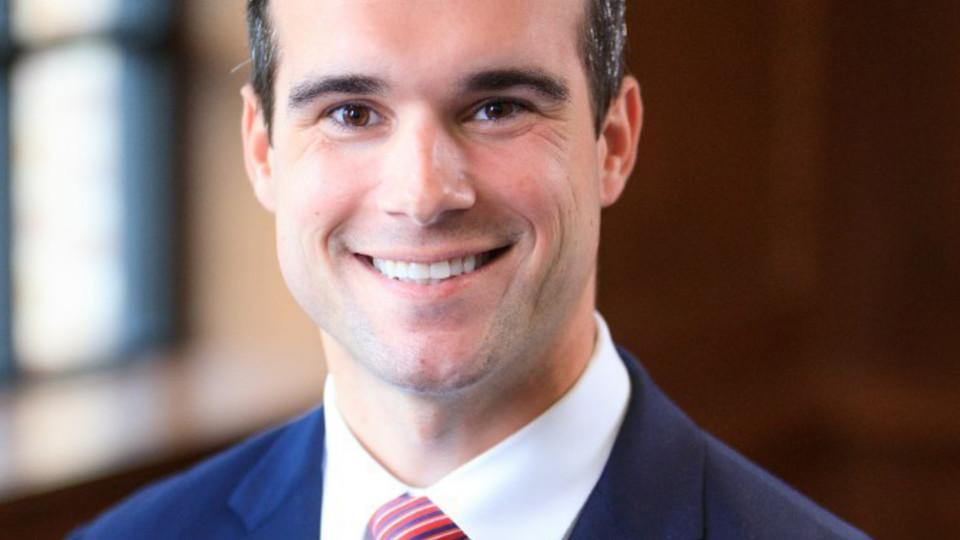
Now an investment banking associate at Bank of America, Chris discusses his military experience and how the Rice MBA helped him make a major career transition.
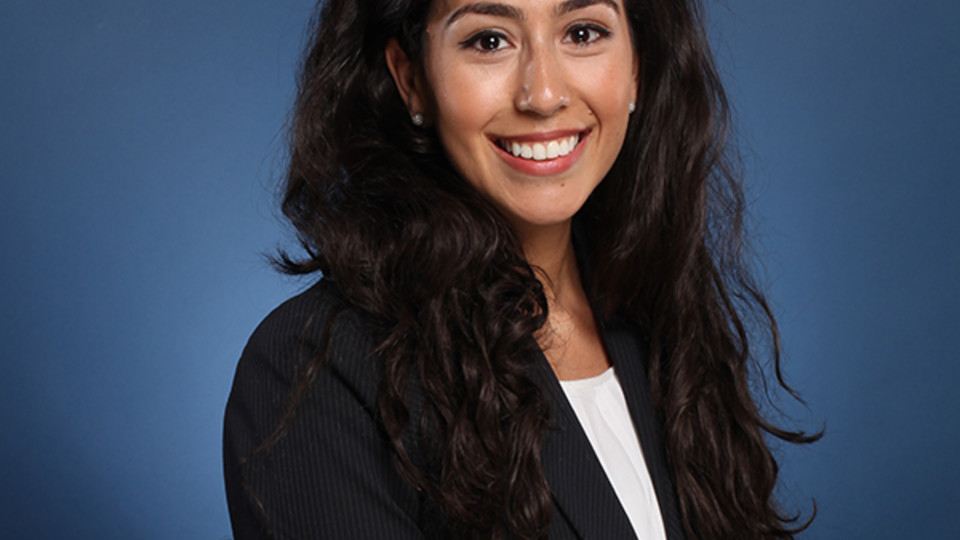
Rzan shares how her father's pursuit of the American dream inspired her, why she was drawn to the Professional MBA program and how her experience at Rice has left a mark on her forever.