
In The Media
Rice MBA student Sydney Harrison shares her thoughts on questions to ask and actions to take when you’re not sure what you want to do in business school.
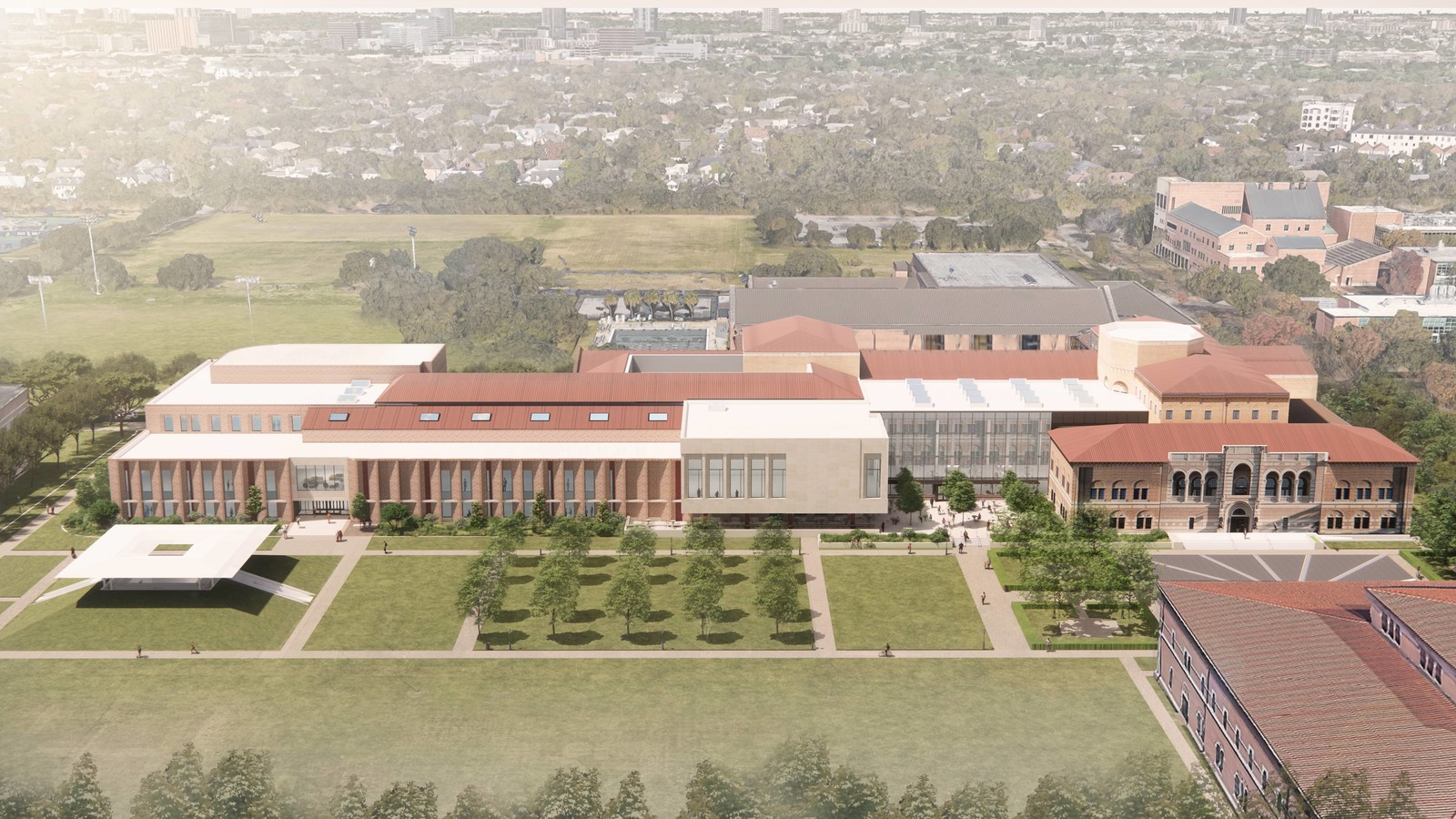
Rice University’s Jones Graduate School of Business will host a groundbreaking ceremony for a new 112,000-square-foot building designed to accommodate unprecedented growth at the school and the evolving needs of the community.
The new structure will feature state-of-the-art classrooms, modern office spaces and vibrant amenities such as dining areas, open gathering spaces and facilities for private events. The building will seamlessly integrate with McNair Hall — the current home of Rice Business — enhancing the campus environment and continuing to cultivate a collaborative culture.
Over the past five years, Rice Business has experienced rapid growth of its new undergraduate business major, a 50% increase in MBA students, a 41% increase of faculty and an increased cohort to the full-time MBA program and the MBA@Rice and hybrid MBA programs.
What: Groundbreaking ceremony for new Rice Business building
When: Thursday, May 9, 3-5 p.m. The groundbreaking will take place around 3:50 p.m.
Where: Woodson Courtyard at Rice’s McNair Hall. Complimentary self-parking available in the Central Garage.
News media who are interested in attending must RSVP with Avery Franklin, media relations specialist at Rice, at AveryRF@rice.edu or 713-348-6327. Architectural renderings will be provided to the news media.
Rice MBA student Sydney Harrison shares her thoughts on questions to ask and actions to take when you’re not sure what you want to do in business school.

Rice Business senior lecturer Al Danto shares advice for veterans applying to business school, from finding the right program to translating military experience for admissions.

A new article explores how colleges can use entrepreneurship education to prepare students for a rapidly changing job market, highlighting Rice University’s startup accelerator and institutionwide focus on entrepreneurship.