Image
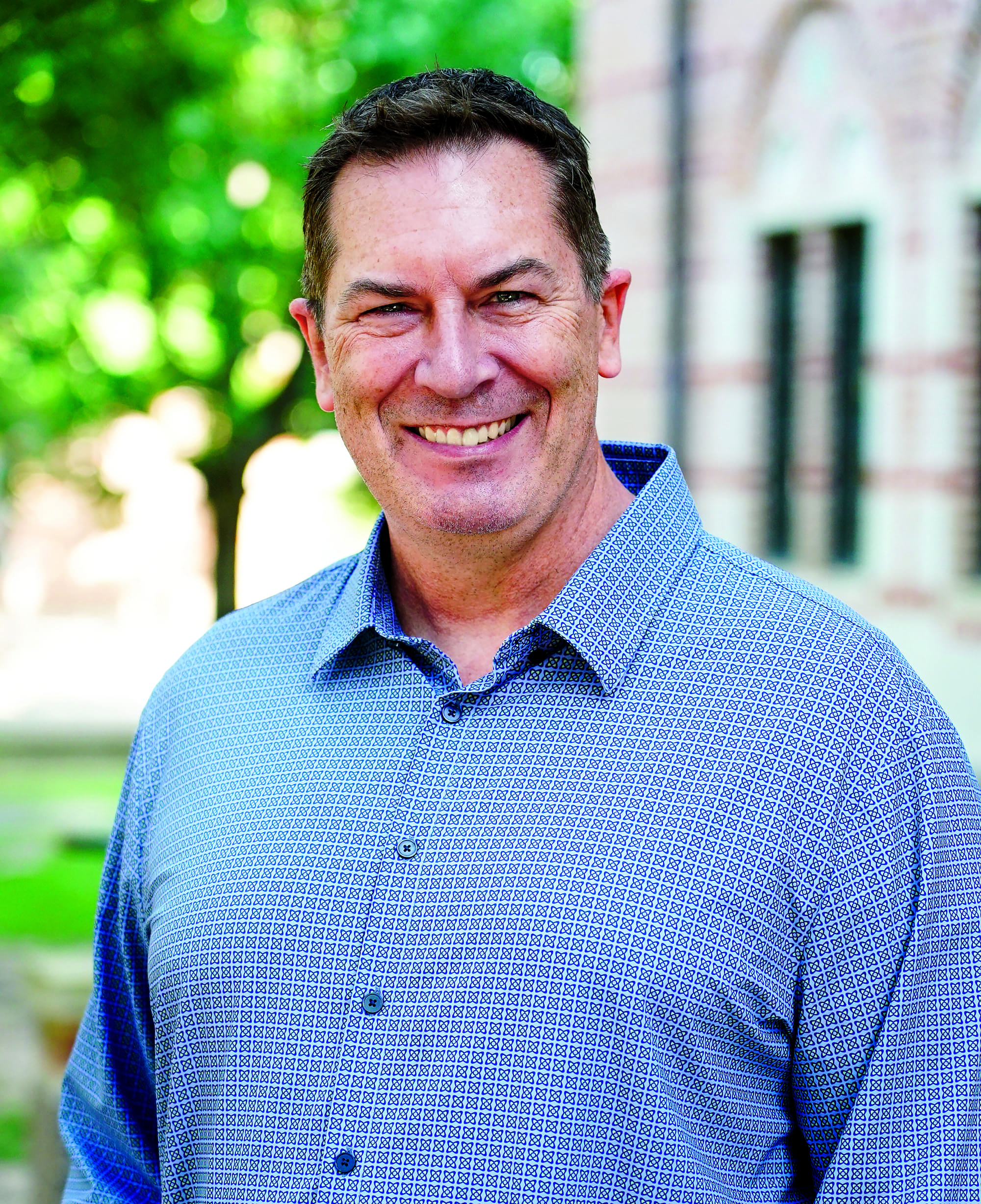
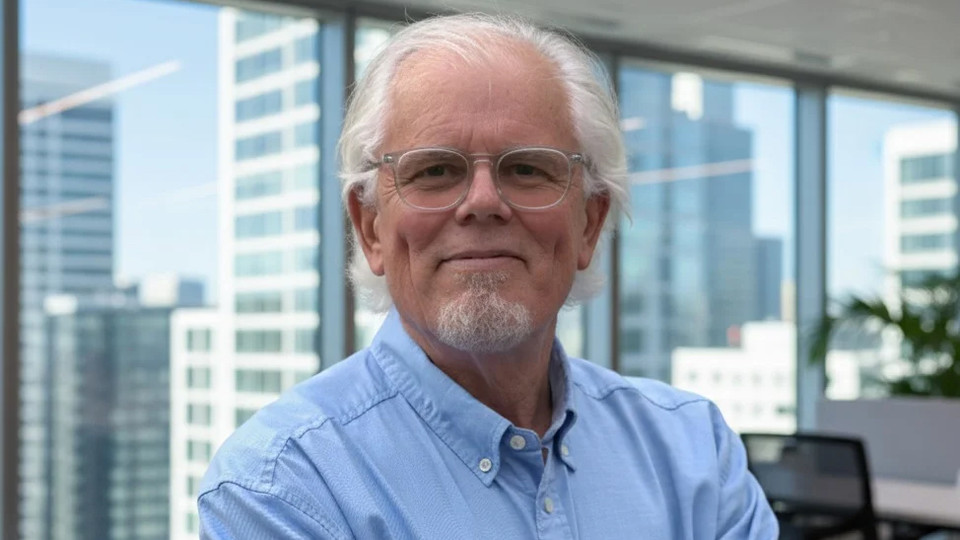
Associate Dean Bob Dittmar on risk, rationality, AI and building an undergraduate business program grounded in rigor — and humanity.
Bob Dittmar wanted to be an astrophysicist.
Growing up in Downers Grove, Illinois, near Argonne National Laboratory, he was surrounded by scientists. The Museum of Science and Industry in Chicago was his favorite place. “I knew I wanted to do research,” he says. “I just didn’t know what kind.”
Today, Dittmar is the Houston Endowment Professor of Finance and associate dean of the Virani Undergraduate School of Business at Rice. He holds a Ph.D. in finance from the University of North Carolina at Chapel Hill and a B.S. in finance from the University of Illinois at Urbana-Champaign. After nearly two decades at the University of Michigan’s Ross School of Business and earlier faculty work at Indiana University, he arrived in Houston to help build something new: a rigorous undergraduate business program inside one of the country’s most distinctive research universities.
His scholarship focuses on how markets price risk — particularly extreme, low‑probability events. But in conversation, his language shifts away from formulas and toward formation. What really matters, he suggests, is helping students learn to think clearly about uncertainty — about markets, about careers and about themselves.
Q: When did finance replace astrophysics?
A: It started in middle school. In eighth grade, I joined a stock market competition. We had to pick stocks and track them in the newspaper every morning. There was no internet. I remember running to grab the paper to check prices.
I wish I could say it was skill, but our team won. That probably hooked me. I was maybe 12 years old, and I just became fascinated with trying to understand how markets work.
At the time, I didn’t even know you could do research in finance. I just knew I liked thinking about markets and uncertainty.
Q: Your research focuses on risk. For readers who aren’t finance specialists, how would you explain what you study?
A: All investments involve uncertainty. Most people focus on the average outcome — what we expect to happen. My research looks at the extremes.
Options markets are useful because they reveal how investors think about future possibilities. When investors pay a lot for protection against severe downturns, that tells you something about how worried they are about extreme events.
I’ve studied what we call tail risk — those unlikely but severe outcomes on the edges of the distribution — and skewness, which simply means whether bad outcomes are perceived as more likely than good ones. It’s really about how people price fear.
Q: What do people misunderstand most about risk?
A: People are very bad at thinking probabilistically. We anchor on the expected outcome and forget about the range of possibilities.
Most risk measures rely on history — how much something has moved around in the past. But looking forward, uncertainty includes things we haven’t seen yet. Rare events happen more often than we think.
There are known unknowns and unknown unknowns. And there are also things we think we understand but really don’t. That’s why humility matters when we talk about markets.
Q: How does that philosophy shape how you teach undergraduates?
A: The core finance class I teach is one of those courses I think everyone in the world should take. Present value, diversification, valuation — these aren’t just technical tools. They’re ways of thinking.
Students today can trade stocks on their phones. They can use Robinhood. They can buy crypto in seconds. But the fundamentals haven’t changed. If you don’t understand what an asset is worth and why, you’re just speculating.
So I’ll use examples like Tesla. I’ll have AI run a valuation under standard assumptions, then stretch those assumptions. The point isn’t to criticize a company. It’s to ask: What would have to be true for this price to make sense?
An asset ought to deliver something of value. Crocs may not be attractive, but they provide utility. When the fictional zombie apocalypse comes, I’d probably rather have canned goods than gold. That instinct — to ask what something really provides — is what I want students to develop.
Q: You’ve said AI is now part of your daily work. How should undergraduates think about it?
A: I think of AI as an incredibly capable but extremely dense research assistant. It boosts productivity, but it makes mistakes.
AI and humans together are more powerful than either alone — but only if the human understands the fundamentals. If all you can do is pattern recognition or plug numbers into a spreadsheet without understanding what they mean, that’s vulnerable.
Part of undergraduate education now is teaching students how to evaluate AI’s output. Prompting well. Checking assumptions. Understanding where it goes wrong. That’s a new layer on top of traditional finance education.
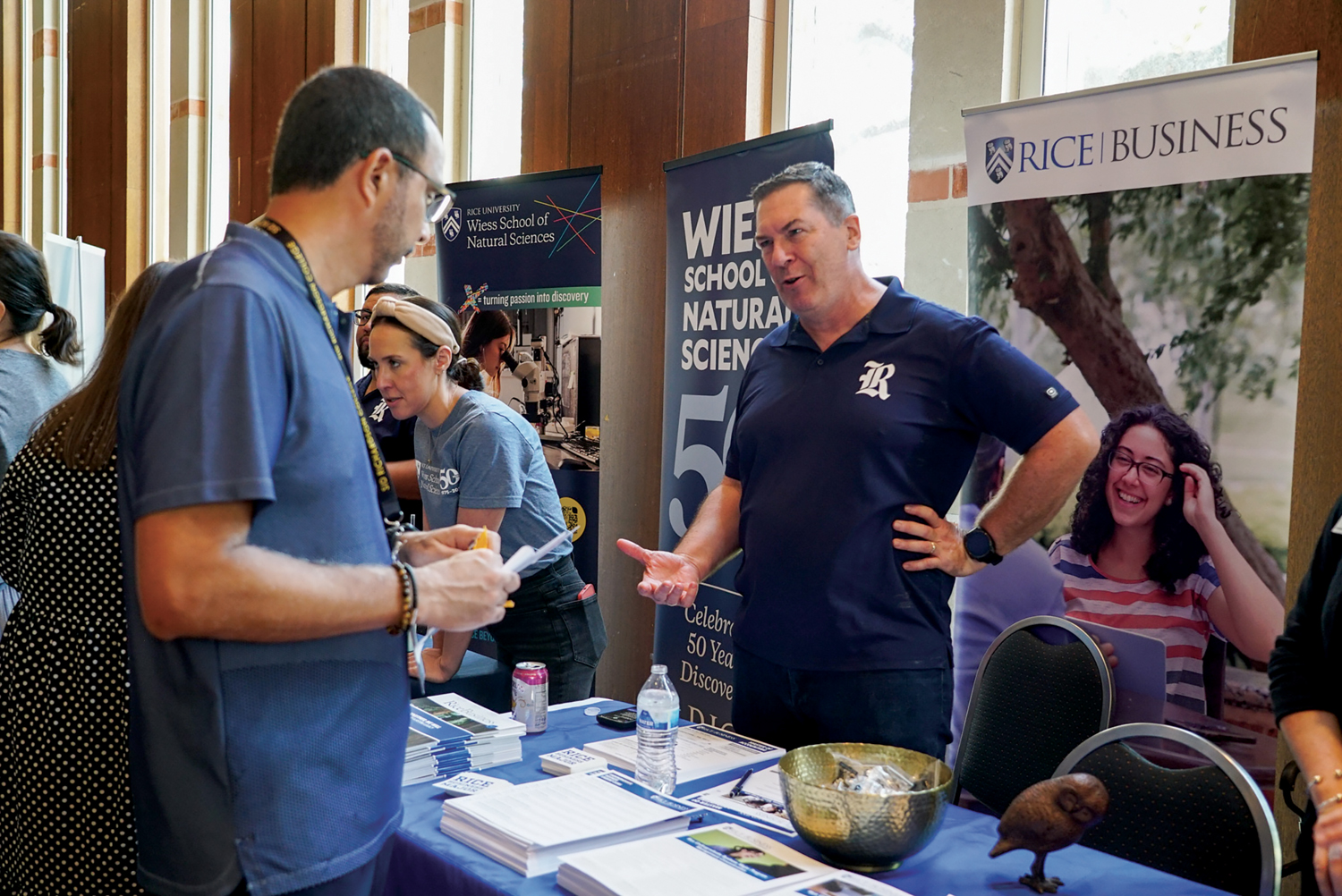
Q: What makes undergraduate business education different from MBA education?
A: Undergraduate education is formative in a different way. These are years when students are still figuring out who they are.
An MBA student often arrives with a career identity already forming. Undergraduates are still exploring. So culture matters enormously.
I tell prospective students that choosing a college isn’t just about rankings. It’s about fit. You’re going to spend four very formative years there. If you choose purely on prestige and ignore culture, you’re missing something important.
Q: How would you describe Rice’s culture compared to other institutions where you’ve taught?
A: Rice students are competitive, but they’re not cutthroat. They’re collaborative. That matters. Finance has a reputation for being purely competitive. But long‑term success often depends on networks, trust and teamwork.
Q: As associate dean, what are your priorities for the Virani Undergraduate School of Business?
A: Two things. First, expanding Rice’s national footprint, particularly in finance. We place students very well in Houston and Texas. I’d like to see more placement in New York and on the West Coast.
Placement creates a virtuous cycle. When firms see strong Rice graduates performing well, the reputation builds, and opportunities expand for future students.
Second, building a strong Virani identity. Rice already has a powerful institutional culture. But we want students to feel connected to the school itself. That means co‑ curricular programming, networking initiatives and creating a sense of belonging.
A pure finance person might ask about the return on investment of that. But belonging matters. It strengthens everything else.
Q: What kind of student thrives at Rice Business?
A: Someone who wants rigor without sacrificing humanity.
If you want an environment where people will do anything to get ahead, this probably isn’t it. That’s not what we’re building.
If you want strong fundamentals, collaboration and faculty who genuinely care about your development, then Rice might be the right place.
At the end of the day, what really matters is that students leave here knowing how to think clearly about uncertain problems. Markets will change. Technology will change. But disciplined reasoning endures.
Check out our podcast interview with Associate Dean Bob Dittmar:
A chat with Professor Kerry Back about how AI is changing finance — and the way we teach it.