Alumni
The Long Bet
A career that began in corporate America became a decades-long bet on founders, ideas and the power of building something that lasts.
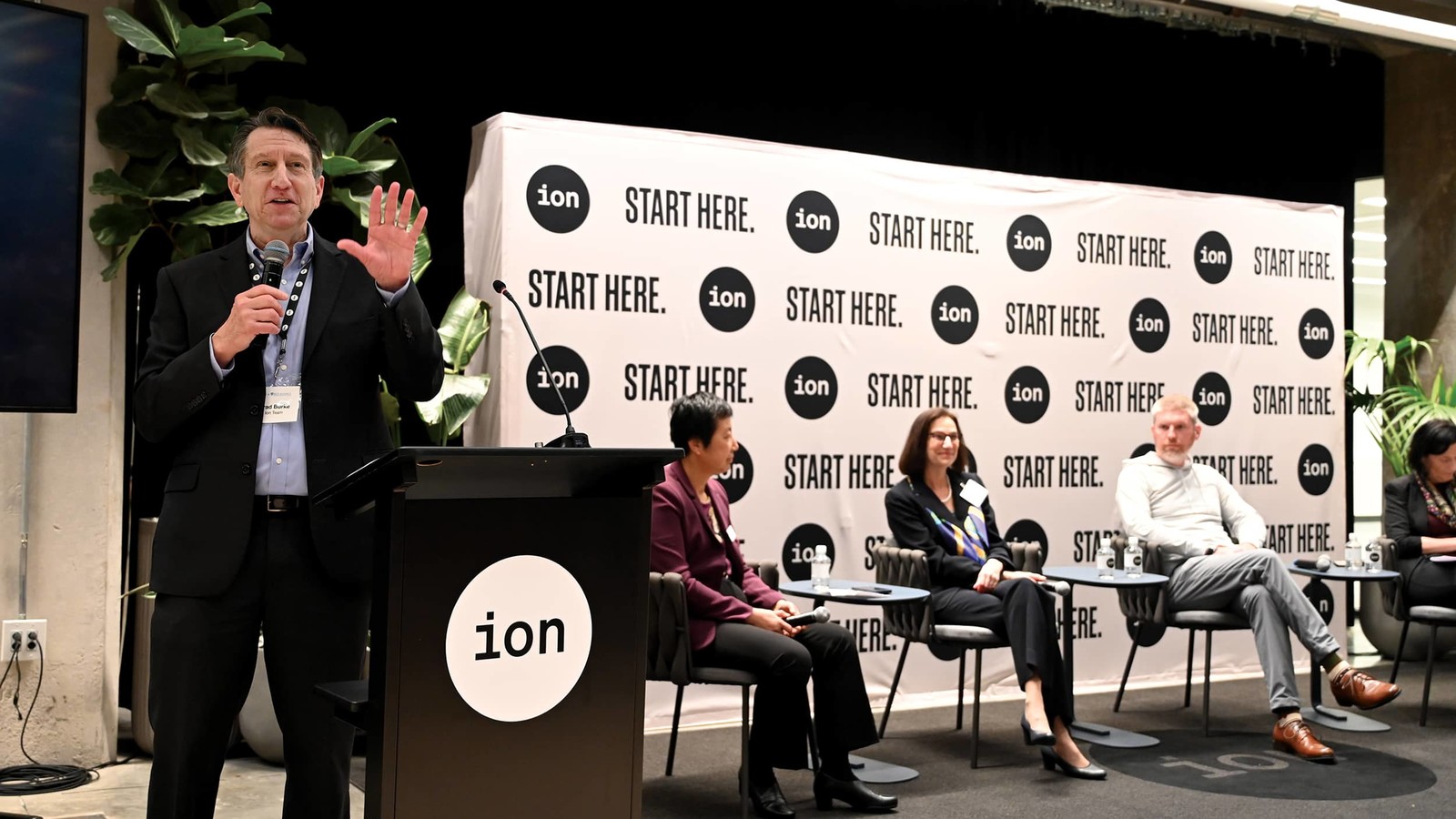
As I wrap up nearly 25 years leading the Rice Alliance for Technology and Entrepreneurship, I’ve found myself reflecting on a career path I never could have predicted.
I didn’t set out to work in startups or to help build an entrepreneurial ecosystem. I began in a much more traditional place — as an MBA from Northwestern’s Kellogg School of Management, joining Exxon (now ExxonMobil) and moving to Houston in part to escape Chicago winters.
Exxon was an extraordinary training ground. I moved across roles that offered a full view of how a business operates — from financial planning to operations to sales. It was structured, rigorous and deeply practical. But after 15 years, I felt the pull toward something less defined. I stepped into consulting, joining a large firm as a principal, thinking it might help me figure out what came next.
The real shift, though, started on a flight to Paris in the mid-1990s. The internet was just beginning to take shape, and I remember thinking, simply, I want to be part of that.
In 1998, I got my chance. I joined a startup called Viant, moving from a billion-dollar corporation to a company with $20 million in revenue and a lot of ambition. It was my first real career risk. I told myself that even if it didn’t work out, I would figure out the next step.
For a time, it worked. Viant went public in 1999 and grew quickly. I opened the Houston office, signed a 20,000-square-foot lease downtown and built a team of 40. We were helping companies like Compaq and Enron develop their early web platforms — and for a moment, it felt like we were building the future in real time.
And then, just as quickly, it shifted. The dot-com bust arrived in 2001. I had turned on the lights in our office the year before; now I was turning them off.
Like many people at that moment, I expected to take time to reset. Instead, an unexpected opportunity appeared. That same summer, Rice Business was looking for someone to lead the newly launched Rice Alliance for Technology and Entrepreneurship. I had encountered the Alliance as a sponsor and judge at its first business plan competition. It seemed interesting — meaningful, even. I told myself I would do it for a few years.
Nearly 25 years later, I’m still here.
What I didn’t understand at the time was that I was stepping into work that would feel both deeply personal and endlessly energizing. The Alliance wasn’t just about startups; it was about people — founders willing to take risks on ideas that might or might not work.
Over time, that became the throughline.
I’ve had the privilege of watching founders — students and alumni alike — move from early ideas to real companies. I’ve seen them gain the confidence, mentorship and networks they need to keep going, even when the path isn’t clear. There is something uniquely satisfying about being part of that moment when someone decides to build.
At the same time, I’ve watched Houston evolve. When we began, the idea that the city could become a center for technology entrepreneurship felt aspirational. Today, that ecosystem is real and growing — shaped by collaborations between startups, investors and major companies searching for new solutions.
If there is a single expression of that growth, it’s the Rice Business Plan Competition. In 2001, nine teams competed for $10,000. Today, 42 of the top student startups from around the world compete for more than $1 million. But the scale tells only part of the story. What matters most is the community around it — hundreds of investors and mentors who show up each year not just to judge, but to advise, connect and support. For many, it has become a highlight of the year.
Along the way, Rice Business itself has changed. When we started, it wasn’t ranked in entrepreneurship. Today, it is consistently recognized among the best — a reflection of a sustained commitment to building something distinctive.
What I carry with me most, though, are the lessons. The value of passion and vision. The importance of building a team that believes in the work and in each other. The power of momentum — how small successes, over time, become something much larger. And perhaps most of all, the importance of listening — to founders, to partners, to the people you serve — because they will tell you how to improve, if you’re willing to hear it.
Looking back, what strikes me is how little of this was planned. The career I imagined is not the one I ended up with. And yet, in many ways, it has been far more meaningful.
What began as a short-term decision became a long bet — on people, on ideas and on the possibility of building something that lasts.
Check out our podcast interview with Brad Burke:
You May Also Like
Features
Associate Dean Bob Dittmar on risk, rationality, AI and building an undergraduate business program grounded in rigor — and humanity.