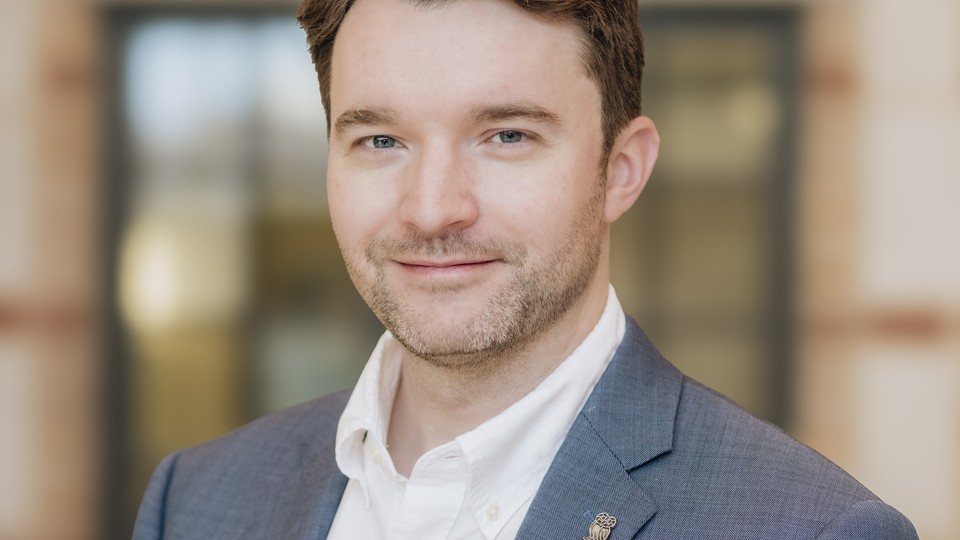
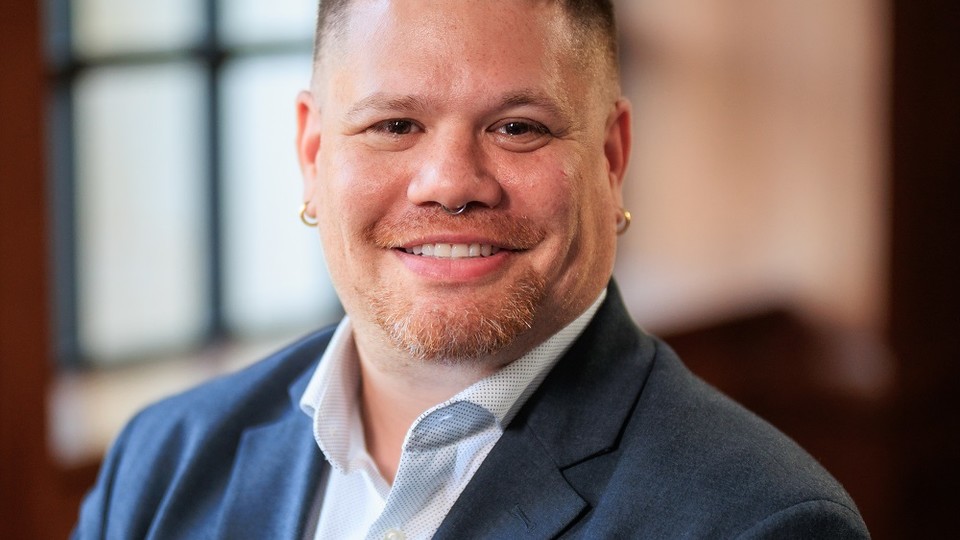
[00:00]Maya Pomroy: Welcome to Owl Have You Know, a podcast from Rice Business. This episode is part of our Flight Path series, where guests share their career journeys and the stories of the Rice connections that got them where they are.
Welcome to Owl Have You Know. I'm your host, Maya Pomroy. Our guest today is Stephen Cassell, Principal for Architecture Research Office, and also the lead architect for the Asha and Farid Virani Hall here at Rice Business School. We're so thrilled to have you here today.
[00:30]Stephen Cassell: Thank you. I'm thrilled to be here.
[00:31]Maya Pomroy: So, you hold an undergraduate degree in architecture from Princeton University, a master's in architecture from the Harvard Graduate School of Design, and you have twice served as the Shure Professor at UVA. You've also taught at MIT, Columbia, Harvard, Princeton, not Rice, not yet, but nobody's perfect. You are also the former chair of the board of the Van Alen Institute, along with so many other incredible accolades, and we're just thrilled to have you here today.
[01:01]Stephen Cassell: Well, thank you for having me.
[01:02]Maya Pomroy: You know, it has been quite a journey for the last couple of years to watch Rice grow, not only with its student population, but also with the growth of this building, and it is a spectacular building. I was not here when construction started, but it is magnificent.
[01:23]Stephen Cassell: Oh, thank you for saying so.
[01:24]Maya Pomroy: Yeah, no, it was... It's 112,000 square feet.
[01:27]Stephen Cassell: That's right.
[01:28]Maya Pomroy: And so, you know, you are obviously at the top of your craft and one of the best architects in not only the nation, but the world. When you were, you know, when you came to Rice, when you set foot on this campus, what was the first thing that you noticed?
[01:47]Stephen Cassell: Well, one, just the beauty of it. It's such a beautiful campus. You know, the first thing you think of is just all the shape of the trees, and the overall shape of the campus, and then just the quality of the brickwork and the, sort of, quality of the buildings is just spectacular, and how they hold together really is just as one piece. It's a really special place.
[02:07]Maya Pomroy: So, architecture, was this something that you just grew up and knew that you wanted to do? Were you one of those kids that would build things and was visual-spatial and would, you know, work with blocks and things? Is this something that you just always... Was an innate quality that you had in yourself that you wanted to do?
[02:25]Stephen Cassell: I had no idea. I grew up building things and working in metal and wood, and we had a shop in our basement growing up. But I thought I wanted to be a scientist.
[02:39]Maya Pomroy: Oh, what kind of science?
[02:40]Stephen Cassell: Molecular biology.
[02:42]Maya Pomroy: Oh, well, that's a little bit different.
[02:43]Stephen Cassell: And so, I worked in labs in high school and went to college, and the first week, the senior who's like the resident advisor in the dorm, he was talking about an architecture class he took. He was an English major, and he was describing it, and I was like, "Wow." Like, logically I should really like that because it has all craft and building, and it also has systems, like sort of complex systems that science has.
So, I took an architecture course, and I didn't realize it was an architecture school there. So, that was just complete luck from one conversation the first week of college, and I took a class, and I just, like, completely fell in love.
[03:21]Maya Pomroy: But you originally went to Princeton to be a scientist.
[03:24]Stephen Cassell: Yes.
[03:24]Maya Pomroy: Wow. So, after you did that initial class, can you tell me about some of your mentors that really, sort of, guided you and helped you become who you are today?
[03:36]Stephen Cassell: Oh, that's a really great question. There's so many people along the long path. I think some amazing professors at Princeton, Gavin Hogben, who now teaches at Yale, was, like, an incredible supporter. And then I was very lucky when I graduated from college, I ended up in a very small office, a three-person office of an architect named Steven Holl, who has done some amazing projects here in Houston.
So, I was very lucky to get a job at Steven Holl Architects, that at the time was a small firm. Now Steven does work around the world and is a very, very famous architect. And he was so supportive, and I learned so much there. And I ended up working there for three years before I went back to graduate school.
[04:27]Maya Pomroy: At Harvard.
[04:28]Stephen Cassell: At Harvard, yes.
[04:28]Maya Pomroy: And so, how was that experience?
[04:30]Stephen Cassell: It was fantastic. You know, the Graduate School of Design at Harvard is an amazing place. Even now it's more amazing because Sarah Whiting, the dean, who came from Rice [crosstalk 00:04:41].
[04:41]Maya Pomroy: Yes. She did.
[04:42]Stephen Cassell: So, there's always a Rice connection somewhere there. It was an amazing place. I had the opportunity to study under some incredible professors, one of whom was Rem Koolhaas.
[04:54]Maya Pomroy: Wow.
[04:54]Stephen Cassell: And yeah, it was great. Completely shaped how I think about architecture and, sort of, helped push me forward in the world of architecture.
[05:04]Maya Pomroy: And so, why did you decide to come and look at Rice, and why did you decide to come to Houston? Was it something that, you know, had you seen Rice before? You're from the Northeast.
[05:16]Stephen Cassell: No. For the last 10 years we've been working, my firm, Architecture Research Office, my partner Adam Yarinsky and I have been working on a project at the Rothko Chapel.
[05:28]Maya Pomroy: Yes.
[05:29]Stephen Cassell: And so, we restored the chapel. We did...
[05:32]Maya Pomroy: Which is right down the street.
[05:33]Stephen Cassell: Yes, exactly. We did a master plan for it, and now we're under construction of the last of three new buildings for them to support their social justice mission. And so, I'd been coming to Houston a lot over this time and started to learn about the area. But, you know, in all honesty, jobs like this come because you're invited to submit a proposal.
[05:55]Maya Pomroy: Mm-hmm.
[05:55]Stephen Cassell: So, the campus architect at the time, George Ristow, asked us to submit a proposal for this project.
[06:02]Maya Pomroy: So, how long does it take to make one of those proposals? I'm just, you know... Because it wasn't a blank slate. You really had to work with all of the different elements that are already here, the Turrell and McNair and everything else, and so you really need to craft it in a way that embraces what already exists.
[06:25]Stephen Cassell: Right. So, there's really two parts to that. When you're submitting a proposal trying to get a job, it's just some initial thoughts, but you're not really doing a design. When we interviewed with the school and some of the trustees and all that and ended up getting the job, then we've been working on this, from start to finish, four years.
[06:45]Maya Pomroy: Oh, only four?
[06:46]Stephen Cassell: Only four, exactly.
[06:48]Maya Pomroy: When you take a look around, it looks like it's alive. It's a pretty magnificent building.
[06:52]Stephen Cassell: But it's around a year of design, a little over a year and a half of design. And we were lucky to work with some local partners, Kirksey Architecture.
[07:02]Maya Pomroy: Yes.
[07:02]Stephen Cassell: And Nelson Byrd Woltz, amazing landscape architects who've done the landscape around the building and also done other projects at Rice as well.
[07:12]Maya Pomroy: So, when you came, because the exterior part where we used to have Partio and, you know, sort of, that area, and now it's covered in glass, where there's so much natural light. There's so much natural light all around. It really is spectacular to see, because, you know, Houston does have an opportunity to have a lot of sunshine, and so to really take advantage of the bright, sunny day. So, when you decided to close that off, can you walk me through that process of why you decided to do that?
[07:47]Stephen Cassell: Well, it's interesting. You know, when we started the project, we sit with the client, and we have, sort of, multiple meetings, and we do some analysis. What do you need?
[07:57]Maya Pomroy: Yeah.
[07:58]Stephen Cassell: And when we're hired, what we were told was, "We're growing as a school and an undergraduate program..."
[08:04]Maya Pomroy: Doubling.
[08:04]Stephen Cassell: Right.
[08:04]Maya Pomroy: It's just really growing.
[08:05]Stephen Cassell: We need, you know, we need to support this growth, and we need more classrooms, and so we tried to figure out how many and what size. We need more meeting space and offices and areas for Ph.D. students and things like that. But while we were working, we were just like, "Let's look at some other schools and see what they have and see what your peers have." And one of the things that was really missing is the informal spaces of interaction of different scales, and that's really important for the life of a school and really important for a business school.
[08:36]Maya Pomroy: Connection.
[08:37]Stephen Cassell: Right. Because people make connections. It might just be two people sitting informally having a conversation, or running into a professor, or sort of larger events, and the school needed to support that. It was really missing that space. So, we did some analysis, like, "Listen, you need these classrooms, and you need these offices and things, but I think you really need a lot more of the, sort of, informal gathering spaces of different scales that support the life of the school and support the interaction between the business community that comes in and all these different events that Rice Business has to engage with your students."
[09:12]Maya Pomroy: And to really connect the graduate school with the new Virani Undergraduate School.
[09:17]Stephen Cassell: That's exactly right. And that undergraduate-graduate interaction is such an important thing. And I know that even when I was an undergraduate in the School of Architecture, I had grad students and undergrads, I learned so much just from the grad students themselves and watching what they were working on. So, that became an integral part of the project, and we realized that, well, one, we heard so much about the Partio.
[09:42]Maya Pomroy: Partios were fun. They were, you know, really a special time that everybody looks forward to, where they can just, sort of, relax and connect and, you know, those are super fun. And so, I'm assuming that they still have them, they're just in a different place, or just a little bit different in terms of the atmosphere.
[10:01]Stephen Cassell: Well, there's two ways to have it. So, you can have the Partio inside, since we've enclosed the courtyard. But we've made a new terrace, so if it's nice weather, unlike today.
[10:13]Maya Pomroy: It's a little warm.
[10:14]Stephen Cassell: In three or four weeks, they can have it outside as well, and there's, sort of, a shaded area with the trees there. So, all of this is to support different scales of interaction and engagement among faculty, students, undergraduates, graduates, and also different ways for the school to reach out to the larger Rice community.
[10:35]Maya Pomroy: And the Houston community as well.
[10:37]Stephen Cassell: That's right.
[10:37]Maya Pomroy: Because I know there's a lot of Houstonians that aren't Rice students that come here to walk the campus in the morning and to really embrace Rice, because it is such a gem in the city of Houston. And to be honest, this is one of the most magnificent buildings, because when you walk in, and everybody should come and walk in, you feel, you know, the ceilings are massive, but you don't feel overwhelmed by it. It still has that intimacy that a lot of giant buildings don't.
[11:15]Stephen Cassell: Oh, I'm glad you say that, because we always try to balance those two different scales. And I think one of the things early on that we looked for as we were starting the design is just realizing the beauty of the existing building, of McNair Hall-
[11:32]Maya Pomroy: Yes.
[11:32]Stephen Cassell: ... and the beauty of the brickwork. Both the craftsmanship and the patterning that you see on it. And we realized, like, here's this incredible opportunity to make that... Not just in enclosing the courtyard, but all the way along these triple-height spaces that wrap around between the new and the old in the building, to have people right up against it. And it's a material that normally you can't afford on a building to have that quality of craftsmanship, and that scale of craftsmanship, and getting people up close to it helps mediate the larger scale of the spaces and the more intimate scales, if that makes sense.
[12:06]Maya Pomroy: No, for sure. And you also had, you know, sort of, some constraints in terms of the materials used, right? Because Rice is very much... You know, if you look at Rice, somebody recently put up a picture, and they mislabeled it U of H, and I'm like, "No, that's Rice. That's distinctly Rice." You can tell with the brick, and you can tell with the cast stone, and you can tell with the red tile-
[12:29]Stephen Cassell: That's right.
[12:29]Maya Pomroy: ... roof. And so, you really did have an opportunity... Well, you had some constraints, but the opportunity of really embracing what was truly Rice and what makes Rice Rice.
[12:41]Stephen Cassell: I know. And that's what's so... Sometimes that, sort of, narrow band of materials that we have is, like, it could seem limiting, but it actually allows for, sort of, invention and experimentation. How do you do something that feels new, because there was real discussion that the building should really speak to the future of Rice Business but connects to the historic campus? And if you look carefully at the brickwork on the outside, in addition to using the bricks and Rice... This is nerding out a little bit for architecture, the joints between the bricks are very thick. They're almost an inch, which is very unusual. You don't see that anywhere else-
[13:19]Maya Pomroy: Really?
[13:19]Stephen Cassell: ... except Rice. And so, it gives a very distinct coloration and feel and warmth to the brickwork at all of the buildings on campus. But if you look carefully, you'll see, and you look at the patterns on the existing McNair Hall, there are herringbone patterns of brick. There are these red bricks, and so we took a lot of that, reused it, we have herringbone, we have all of that, but, sort of, reconfigured in a more modern, sort of, alignment.
[13:50]Maya Pomroy: So, you used some innovation in order to take what's existing and to move it into the future. And that's one of my other questions is, you know, the world is changing so quickly. So, you know, you also had this opportunity to create something within the world of AI and everything constantly changing, because this is a building that's going to be here for generations.
[14:12]Stephen Cassell: Right.
[14:12]Maya Pomroy: You know, and to, sort of, look ahead to what... Well, nobody really knows what the future will bring, but at the same time, you wanted to make it relevant not only now, but going forward. And that's probably a very challenging thing to do as an architect.
[14:27]Stephen Cassell: Well, you think of it a couple different ways. No matter what, there's always people connecting.
[14:34]Maya Pomroy: Yes.
[14:34]Stephen Cassell: And people making connections. So, you know, people think of architecture as the stone and the brick and all these different things, but really what successful architecture is about is making ways for people to interact with each other, that supports the institution, the mission of the school, in that case. So, one, creating spaces for people, they're always going to be here, unless AI goes a little too far. But...
[15:00]Maya Pomroy: Hopefully it won't. We're all hoping that that won't happen. I think we're smart enough and intelligent enough beings to recognize that.
[15:07]Stephen Cassell: I think so. But part of it's also trying to give the school a lot of different configured classrooms, configured in different ways, that allows for growth or change over time. Because, you know, we don't know what we don't know. So, you try to create some flexibility here that allows that to work well, and flexibility in terms of use, because in 10 years, some of the classrooms might be used very differently or even.
[15:32]Maya Pomroy: They'll be repurposed.
[15:33]Stephen Cassell: Exactly. Or even think about, you know, we designed this right after COVID, so realizing that you can have Zoom classrooms that work well for people who are remote and in person, and how do you support that?
[15:47]Maya Pomroy: And there's an online MBA at Rice as well, so, you know, that's also something that Rice is really unique and really took advantage of that time where we all had to be so distant.
[15:59]Stephen Cassell: Right. So, you learn from that, and then, sort of, experiment and move forward.
[16:03]Maya Pomroy: And evolve. Yeah.
[16:04]Stephen Cassell: And evolve, exactly.
[16:04]Maya Pomroy: Yeah. So, can you tell me, when you were designing this with your team, what was one of the greatest challenges and what was one of the greatest opportunities that you saw?
[16:15]Stephen Cassell: Oh, that's a great question. Also, I'm glad you said "team," because, you know-
[16:20]Maya Pomroy: Oh, it's definitely team.
[16:21]Stephen Cassell: ... I'm sitting here, there's so many talented people in my office, and also at Kirksey Architecture-
[16:26]Maya Pomroy: The Houston-based.
[16:27]Stephen Cassell: ... [crosstalk 00:16:27] director, the Houston-based, who worked on this. And so, we all collaborated together. You know, it was actually a really interesting project. I come from New York, I'm a New Yorker, and our firm is based in New York, and there's all these, you know, you're hemmed in by buildings all around here. And so, "Well, we come out to Texas where we have lots of room."
But here, there were some really interesting challenges to address. And so, one there is an amazing piece of artwork right next to the building, Turrell's Epiphany. And it's a beautiful space for those who haven't gone there, you sit in there at twilight.
[17:06]Maya Pomroy: It's magical.
[17:06]Stephen Cassell: It's a really magical thing. At twilight, you sit there, and you see the color of the sky change with his lights, and you don't see any buildings around when you're sitting within it. So, one of the basic things they said, "You have to make sure that you cannot see the addition from the Turrell. We can't undermine this really special part of Rice."
[17:26]Maya Pomroy: Yes. It's a landmark of Rice.
[17:28]Stephen Cassell: It is. And so, you won't know it by looking at it, but the shape of the building and the height of it and the way it steps back is all set by the view from Turrell to make sure you don't see it. And we did all these tests and surveys and had drones flying at certain heights just to make sure that you couldn't see it. So, that was one, and I would say that's an unusual constraint.
[17:53]Maya Pomroy: Yes.
[17:53]Stephen Cassell: But a really fun one. We embrace that, that leads to invention. The other is, there's a large parking garage under this building.
[18:03]Maya Pomroy: I love that parking garage. I love it because it's, sort of, tucked away, you can't see it.
[18:09]Stephen Cassell: It's tucked away, but so this new building is sitting on top of it. So, you're on top of a parking garage, and you need to have room for cars to come in, and all these different constraints like that. And then some newer things, just the newer flood regulations of just how...
[18:26]Maya Pomroy: I was going to talk about that with... You know, Houston's known for having some weather events.
[18:30]Stephen Cassell: And so, designing it to make sure we can protect the building, new and old.
[18:35]Maya Pomroy: Yeah.
[18:36]Stephen Cassell: So, those were some of the things, but I think it led to a very different building in a really good way. The opportunities that came out of that, is one, rather than placing a larger addition just at one end of the building that was a lot taller because we needed a certain amount of square feet just to get what we want, it meant really that if you had the two buildings, they're really side by side, they follow each other, they almost nest against each other. And that basic idea for the building is they nest against each other, but they pull apart a little bit. And then where they pull apart, that's where those triple-height spaces are. And that's where the...
[19:15]Maya Pomroy: The opportunity to create something that hadn't been [crosstalk 00:19:19].
[19:19]Stephen Cassell: Exactly. That was the opportunity. It was like, oh, we can use the character of the existing building to really shape those spaces and have the modern and the new architecture on the inside in dialogue with the old. And in some ways that's a metaphor of really also talking about how the building speaks to the future of Rice Business, but really does tie in to the, sort of, amazing past of Rice, right? And all this, sort of, learned knowledge that comes with the university.
[19:51]Maya Pomroy: And really moving forward, because you did mention Turrell and having that as something that you really wanted to make sure to continue to be this very special and unique place. And in this room that we're in, which you were never able to do before, you have these beautiful, magnificent windows, and before you could never look over at Turrell, and now you can.
[20:15]Stephen Cassell: Yes. There are certain places, some classrooms where you can see Turrell from the classroom. There's other ones like this space we're in right now, event space, where there's a corner and these corner windows that are designed so as the sun sets and the lighting for Turrell comes up, you can really experience this special moment that you only see at Rice. And there's some other, you know, great study spaces that, if I was a student, that's where I would hang out.
[20:47]Maya Pomroy: Well, sure.
[20:48]Stephen Cassell: And it looks right out onto Turrell. So, if you're on the south end of the building.
[20:53]Maya Pomroy: So, on college campuses, dining is one way to form really strong connections in sharing meals together. But tell me about what you created to really influence students to sit together and to dine, what sort of eating options are there now that there weren't before?
[21:13]Stephen Cassell: Well, I think one of the important decisions were made for the project, which was a little bit later, is to put a real dining facility, a place you can buy food...
[21:23]Maya Pomroy: Where you don't have to go across the street anymore.
[21:25]Stephen Cassell: Exactly. You don't have to walk over to the Brochstein Pavilion-
[21:28]Maya Pomroy: Yes.
[21:28]Stephen Cassell: ... in the hot sun or in the rain.
[21:33]Maya Pomroy: Houston is rainy as well.
[21:33]Stephen Cassell: Exactly. And so, to really integrate a place, you can get lunch or even dinner sometimes, in Audrey’s, it sounds silly, but it is so much part of social.
[21:46]Maya Pomroy: Oh, it's not silly. I mean, you have to eat in order to be able to survive.
[21:49]Stephen Cassell: Exactly. And I think one thing that did, which we can claim no credit for that, is that once you put food there, it really does ping people from other parts of the-
[21:58]Maya Pomroy: Campus.
[21:59]Stephen Cassell: ... campus in. And allows for that cross-discipline interaction.
[22:02]Maya Pomroy: Cross-pollination.
[22:03]Stephen Cassell: That's a good one. There you go. And so, having that as an integral part of the building and having all the seating that we have, actually under the space that we're in now, is a covered seating area, so on a hot day you can sit and have a meal or study with food, or bring it into the O'Connor Atrium. That's really important. So, you have to think about different ways of activating spaces and different uses that will activate spaces in a meaningful way, and food is a great way to do that.
[22:36]Maya Pomroy: And to build those connections.
[22:37]Stephen Cassell: Yep.
[22:38]Maya Pomroy: And there's also something interesting here that, you know, your team designed with these staircases that are really unique to Virani Hall. So, can you tell me about those staircases?
[22:52]Stephen Cassell: You know, there are two I would call sculptural stairs-
[22:55]Maya Pomroy: Sculptural stairs.
[22:55]Stephen Cassell: ... one that goes up one flight in the O'Connor Atrium, and then the other that goes up three flights in the West Commons on the other side of the building. And so, we really saw those in a couple of different ways. One, rather than hiding the stairs away, one way to make connections or to see someone is, like, see your friend.
[23:18]Maya Pomroy: Up at the top.
[23:18]Stephen Cassell: It's like, "Oh, they're going up there." And it's like, "Oh..." and you have a conversation.
[23:22]Maya Pomroy: Yes. And then you go have some lunch.
[23:24]Stephen Cassell: Exactly. So, part of it is just a different way of making connections between levels and visual connections, see activity, and see what's going on and, sort of, draw people through.
[23:35]Maya Pomroy: Rather than just, like, an upstairs turn and then, you know.
[23:38]Stephen Cassell: Exactly. And then the other is, sort of, just an architectural opportunity that you can design this sculptural element that plays off of the existing building that, sort of, can occupy the space in a way. And that, you know, those things are always fun moments for architects to do.
[23:52]Maya Pomroy: Yeah.
[23:53]Stephen Cassell: Let your hair down.
[23:56]Maya Pomroy: Let your hair down. So, what do you hope that Virani Hall makes possible for Rice Business, not just today, but really for the next generation of students, you know, long after, you know, we've moved on and our children and everything else, because this, you know, that's the beauty of art and architecture is that it remains for generations going forward. It's, you know, it's like the Van Goghs and the Picassos and all of those other things. If you go down the street to the Menil and everything else, you get to see all these things. So, what's your hope for Rice Business based on what you and your team have created here for Virani?
[24:36]Stephen Cassell: You know, your real hope is that the students who learn here, who engage the faculty and engage the business community, they really come out with a set of skills that help change the world and make it a better place, right? And we're just, I'm just an architect, and I don't [crosstalk 00:24:52].
[24:52]Maya Pomroy: You know, you're not just an architect, you were a student once, too, and then, you know.
[24:56]Stephen Cassell: But, you know, that's what we always want is to really set up and support the mission of the school in the way we can. And I think the other thing that we were excited about in the design of the building is really the West Quad that Virani Hall looks onto, it was really pretty dead and empty.
[25:17]Maya Pomroy: It was. Could you tell me about it?
[25:20]Stephen Cassell: So, one of the other opportunities is to really engage and activate the West Quad. And so, part of that is through new landscape and there's a new bosque of trees that, as they grow up and provide shade, you know, it's a little sunny here, and if you're going to hang out outside, you need some shade, but really make it so it invites other parts of the community in, and while existing McNair Hall was so beautiful, it was really a little bit more inwardly focused.
And so, we wanted the new building to really engage and reach out to the campus and the campus to engage with that building, that it really becomes part of the life of the greater university through how the building's designed and how the landscape is designed to really, sort of, activate this side of campus.
[26:12]Maya Pomroy: Well, now that this building is complete and, you know, it's been a four-year project and now that you walk these hallways and you walk through this building and you see this beautiful piece of artwork being utilized, what's one thing that you've noticed about the students when you're walking through? Is there anything that surprises you of the way that they're using the space that you weren't expecting or anything like that?
[26:39]Stephen Cassell: Well, one, a couple weeks ago I was here the first week classes for a couple days, and I was wandering around, and we were here photographing the building, and one, it's just so exciting to see people using it and just activating the spaces because you do, as architects, you're designing, and you're imagining how it will be used, but actually seeing it be used is great. So, a lot of it is how we expected. I think it will take a little bit longer to find those unexpected moments.
You can never put it past students to find something or a nook or a corner or an area that they love more than anything else that you never would have expected. I mentioned this yesterday at the ribbon cutting that I'll say it again, as I was sitting there with the photographer, this undergraduate business major started chatting with me. I was like talking, and she realized...
[27:35]Maya Pomroy: Who you were?
[27:35]Stephen Cassell: Yeah, I was there with some of my colleagues who worked on the building as well and was like, "Oh, architect..." And she's like, "Oh..."
[27:45]Maya Pomroy: "This is you, you did, well, you and your team." Yes.
[27:48]Stephen Cassell: And she was, "Oh, I really love the building," and she talked about exactly how the existing building and the old is in dialogue with the new, and she saw exactly that was one of our intents. And she completely was much more articulate than I just was. Oh, but I was like, "Oh, you should be an art history major, maybe not a business major." And I nodded at the end, or maybe-
[28:16]Maya Pomroy: Or maybe you double major [crosstalk 00:28:18].
[28:16]Stephen Cassell: ... stick with business and double major and buy a lot of art.
[28:21]Maya Pomroy: And buy a lot of art. Right.
[28:22]Stephen Cassell: But actually it was really wonderful that she saw that intent so clearly and really perceptive as well, of course, because she was a Rice student.
[28:32]Maya Pomroy: Oh, yes, the Rice students tend to be, they're very curious and confident. And I love that she came up to you and then, you know, because that's what makes Rice Rice is that you've got a lot of people that ask lots of questions and aren't scared to do that.
[28:52]Stephen Cassell: Yes, and we knew that. So, my business partner, Adam Yarinsky, also worked on this. His son went to Rice, he graduated in 2019, he was an engineering major. So, he knew the school, he knew the school well, as well.
[29:07]Maya Pomroy: Well, the school is starting to really, it's taking off in terms of, you know, rankings are one thing. But Rice is definitely, you know, catapulted in the rankings. But it's also, I think that when you're here, and you feel the authenticity and, you know, the connectivity and the, you know, the connection that you feel not only with students, but with everybody else that's on campus, it's really unique.
[29:37]Stephen Cassell: Yeah, without question. You know, when you're designing a building, you're really engaging a lot of people through that design process. And we felt that so much. Everyone, we engaged with all the professors we spoke to during the design process and Dean Rodriguez.
[29:52]Maya Pomroy: Yes.
[29:52]Stephen Cassell: Everyone was so, combination of warm of warm, intelligent, just engaged, and caring, and that sort of ethos of the university just came through to us in such a nice way, and it's really inspiring.
[30:09]Maya Pomroy: Have you had an opportunity to talk with any of the professors?
[30:12]Stephen Cassell: I have, I've chatted with a bunch of them, so it's great. It's always great to get feedback from it. It's always great to hear what they think and how they're using the building as well.
[30:24]Maya Pomroy: No, it's definitely, I'm, sort of, sad that I didn't get an opportunity to go to school here with this building as being a part of it, but I am really, really excited for those future generations and the students that are here now to be able to really embrace this new chapter that Rice has started to write. And, you know, that is really what it's all about. I was going to ask you also, you know, are you... Since you're an architect, are you one of those people that when you walk into a building, and you can, kind of, pinpoint all the things that are wrong with it?
[31:02]Stephen Cassell: Guilty. You know, you always... I get joy from seeing people use it, and you always, you know, we're trained to look at every little thing. But at a certain point you realize you have to let go.
[31:18]Maya Pomroy: You've got to let go, but not with this building, but in buildings in general, you know, because there are so many different campuses in the United States and internationally. And, you know, I think that Rice is very distinctly Rice, but there are lots of campuses that I've recently seen, and I know you have as well, that, you know, there's this drive to look different and to be different and to really not, to not really embrace the history of what, you know, how the university started. And there's a couple of places that I've noticed that as well, and they're, sort of, eyesores a little bit, you know.
[31:58]Stephen Cassell: Right.
[31:58]Maya Pomroy: And this is the complete opposite. And even looking out the window and seeing the Medical Center, you know, right there, that is really such an important part of Rice University with, you know, the connectivity that we have with the Med Center. It's because I had never seen how close we are to the Med Center.
[32:21]Stephen Cassell: [crosstalk 00:32:21]. It's right there.
[32:21]Maya Pomroy: So, I've been in this building, and I'm like, wait a second. Because, I mean, we were, sort of, limited before, and now you have this opportunity to really see Houston from all four sides in a completely different way.
[32:37]Stephen Cassell: That's right. And, you know, I think one of the hallmarks of our office and one thing that we really care about is engaging the context of each project. And that context is both the physical context. I mean, we do modern architecture without question, but we really look back to the past and understand the history of a place and understand not just the physical context, but the social, political, economic context, and try to understand how you can weave a building into that context in a way that's meaningful.
[33:10]Maya Pomroy: Into the thread of Houston as well.
[33:11]Stephen Cassell: Exactly.
[33:12]Maya Pomroy: So, tell me a bit about the project you're working on now with the Rothko Chapel.
[33:17]Stephen Cassell: So, we've been working with the Rothko Chapel for 10 years now. And those of you who haven't been there, you should have to go visit. The chapel is just an amazing...
[33:28]Maya Pomroy: Also a landmark. [crosstalk 00:33:29].
[33:32]Stephen Cassell: A moving place. And, you know, it's a small chapel that Mark Rothko painted these enormous panels in. And so, we started by doing an overall master plan because the chapel, people think of it just as the chapel itself, but it's really a social justice organization. And they do amazing work both within the youth community and actually around the world.
So, we started by restoring the chapel itself and, you know, for years I had this enormous skylight that was plugged up because it was designed maybe not in complete thinking about how bright the Houston sun is.
[34:07]Maya Pomroy: Well, there's skylights here now. They're right outside the door.
[34:10]Stephen Cassell: Our glass is much better at the time when that took much more effect of screening out too bright light. So, we restored the chapel and redid the skylight so it really worked well and opened it up again. And then, again, Nelson Byrd Woltz, the landscape architect, worked with us on the landscape.
Then we designed a welcome house to orient people. And we just finished administrative and archive building for them across the street. So, we're making a new north campus across the street from the chapel. And then under construction now is a program center that will house symposiums and other events. And there'll be a new plaza, a shaded plaza, to also support those events and support the important work that they do. It's been a joy. Any time you get to have a project where you visit a room with Mark Rothko paintings in it over and over again, and you're getting paid for it, like, wow, that's great.
[35:09]Maya Pomroy: No, I mean, Houston is. It has so many beautiful and unique places that, you know, it is an international community. But there are so many places that I think people don't even know exist in this great city. They just think, you know, Houston, Astros. No, it's not. Yes, it's part of Houston, but it really isn't.
[35:37]Stephen Cassell: As a New York Yankee fan.
[35:38]Maya Pomroy: I shouldn't have brought that up. I shouldn't have brought that up. So, let me ask you also about the deliberateness of making sure that you create this building so that there is less light pollution.
[35:53]Stephen Cassell: Well, we thought about light pollution not in the standard way because really we didn't want too much light spilling out onto the trail. Because the trail has these beautiful lights that come on, different colored lights, and we didn't want the light pollution to undermine the quality of the experience within the trail. And so, if you look at the long face of the building, south face that looks onto the West Quad, there's a series of almost angled brick piers.
And in addition, there's a whole series of shades on timer controls that drop down right before the trail turns on. So, again, another unusual constraint. But actually, the way we chamfered these piers also happens to cut down the amount of bright sunlight that comes in during the midday. So, it actually is more sustainable because of that. You're not trying to fight against the summer sun when you're cooling the building. And this is a LEED Gold building.
If you're building at Rice, you have to meet LEED, which is sustainability standards, and gold is a very high level of that. And so, Rice requires that every new building meets that sustainability standard.
[37:10]Maya Pomroy: That's part of Rice. They take everything into consideration. Well, I tell you what, I am really happy that you did not become a scientist and that biology was not the way that you went because being an architect is really both sides of your brain. You have to be analytical, and you have to be creative. And that's something that is really unique. And it was clearly it's your passion.
And we're so grateful that you came to really make this school even more magnificent than it already is and to take it into the next century and to the next generations going forward.
[37:46]Stephen Cassell: That's so nice of you to say so. And I just want to say that I know I speak for everyone in our team who worked on this, and myself certainly. It's always just like such an honor to be asked to build on a campus like Rice. And so, we were so happy that we had that opportunity to do so.
[38:03]Maya Pomroy: Well, I'm sure that Rice is just as grateful. So, it's been a pleasure to speak with you, Stephen. Thank you so much for your time.
[38:09]Stephen Cassell: Oh, you're welcome. Thank you for having me.
[38:10]Maya Pomroy: We look forward to seeing, you know, the other magnificent, the beautiful structures that you create and, you know, the way that you also move other schools and other, you know, nobody's like Rice, but other opportunities and other schools forward. So, thank you so much for your time.
[38:29]Stephen Cassell: Oh, thank you.
[38:30]Maya Pomroy: Thanks for listening. This has been Owl Have You Know, a production of Rice Business. You can find more information about our guests, hosts, and announcements on our website, business.rice.edu. Please subscribe and leave a rating wherever you find your favorite podcasts, we'd love to hear what you think. The hosts of Owl Have You Know are myself, Maya Pomroy, and Brian Jackson.