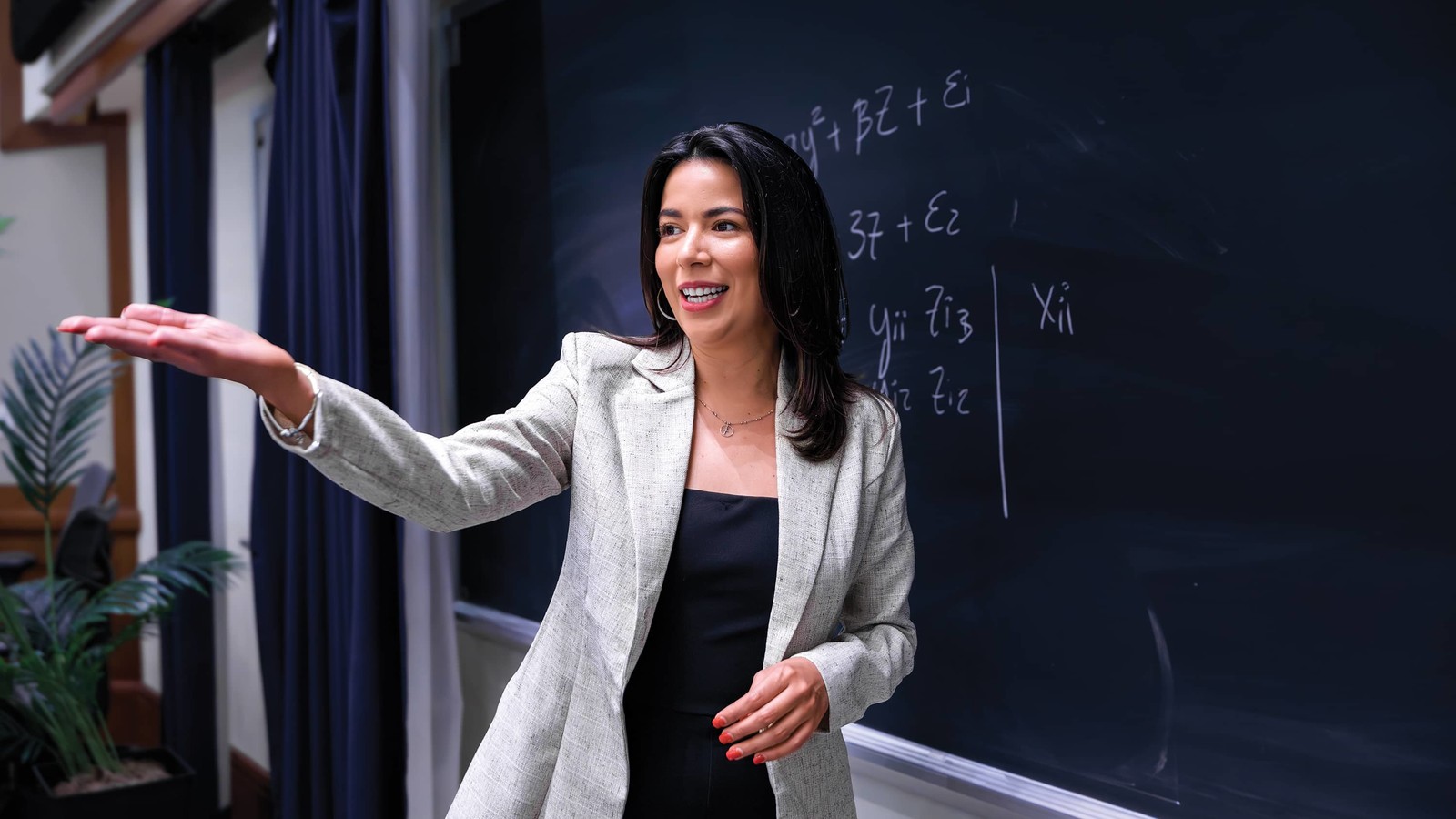
Image
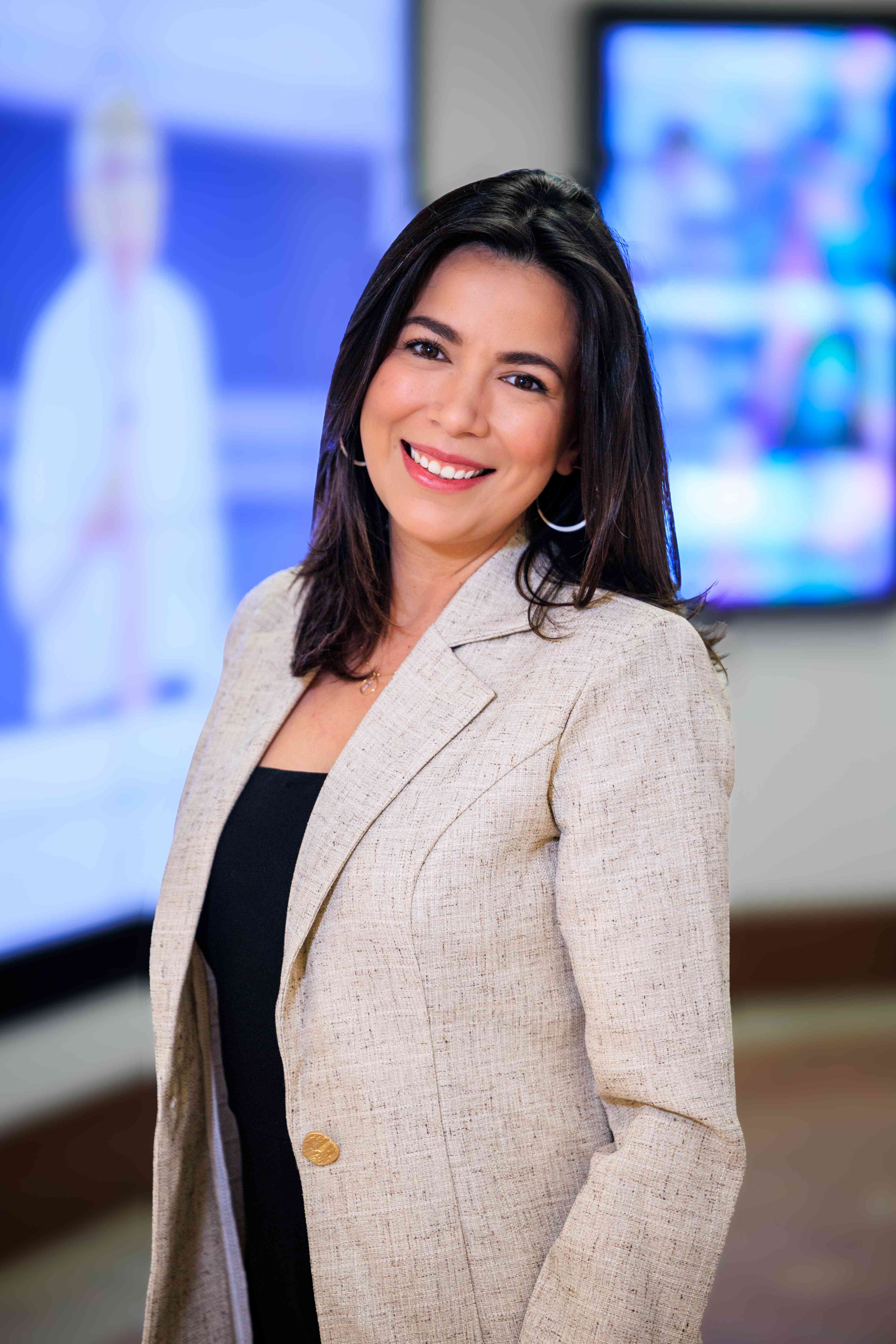
During her Rice Business Ph.D. (Accounting ’26), Marcela Aguilar built a generative AI mentor called Mia that gives microentrepreneurs what big companies take for granted: a thinking partner for every business decision.
For microentrepreneurs like this farmer, every decision is a question of making the right move at the right time. He may never have used words like liquidity, margins, cash flow or risk tolerance, but he’s weighing all of them. He knows his animals, his buyers, his costs. And he reads them the same way all business owners do, with a restricted view of the future and under the everyday pressures of making a living.
What he doesn’t have is something larger businesses take for granted — someone to help him strategize. He doesn’t need to be coached on raising livestock or connecting with buyers. He needs someone to think through the timing with him, weigh his assumptions and surface any concerns he might have missed.
Marcela Aguilar (Ph.D. ’26) is testing whether that someone could be an AI chatbot. As part of her doctoral research in accounting at Rice Business, she built Mia (short for mentora con inteligencia artificial), a generative AI mentor that operates through WhatsApp, a platform already familiar to microentrepreneurs across Latin America. The goal: to make business guidance more accessible to people on their farms or in their shops, or wherever they’re deciding the next move.
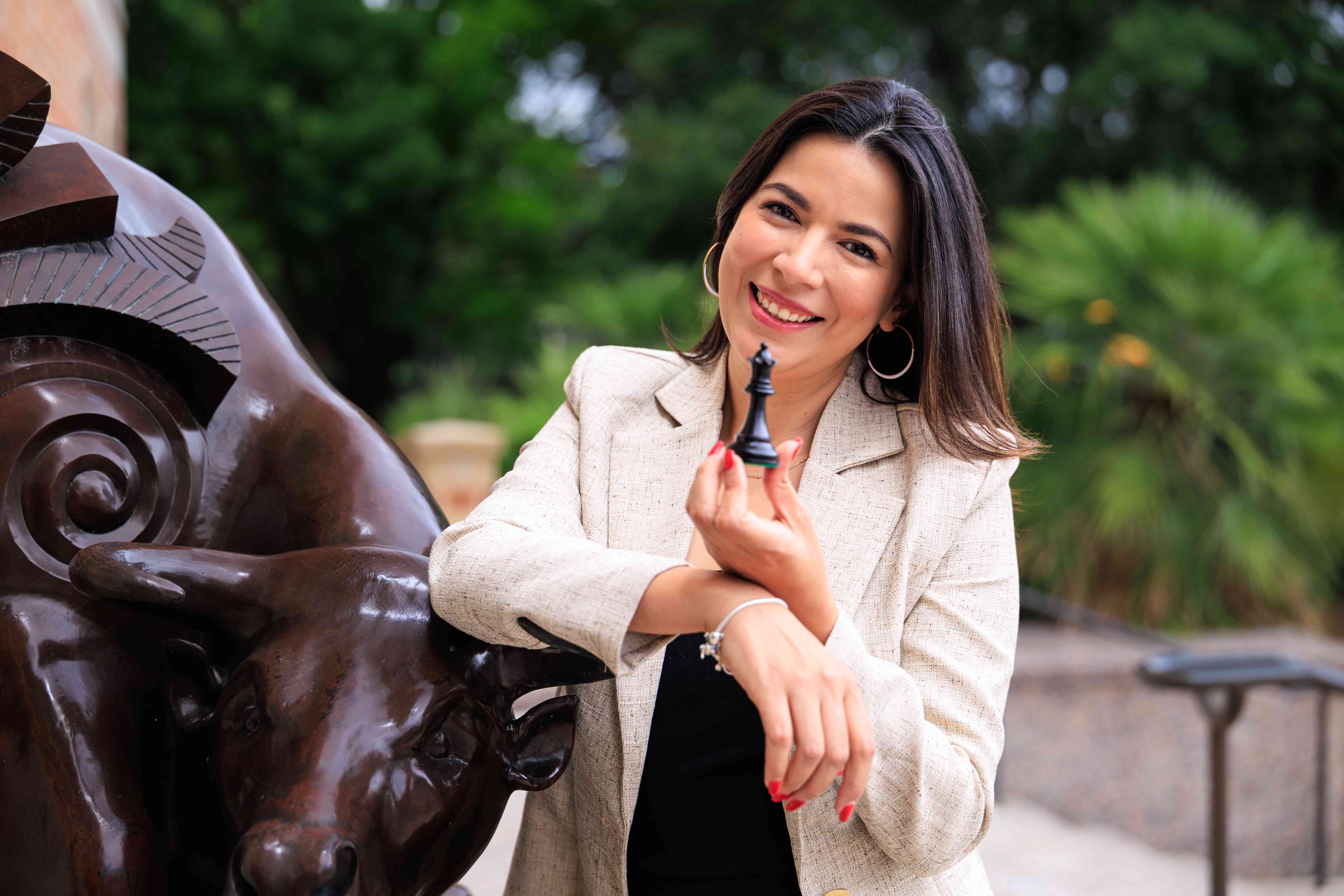
Long before accounting gave Aguilar a field of study, chess gave her a way to think. She started playing at 13 — late by competitive standards — as a student in El Salvador who struggled with math. She quickly became obsessed with the game, sitting at the board after school “like from 2 p.m. to 8 p.m. every day,” she says.
On weekends she played tournaments where a single game could stretch to five hours. By 18, she had become El Salvador’s national chess champion.
As she got better at chess, she got better at math. And math, she points out, is the base of economics, of econometrics — of everything that she would build in the years to come. “Chess helps you with logic, with considering options,” Aguilar says. “You’re always thinking: What else? What’s an alternative way to solve this? You have to be ready for the next move, to plan ahead. I think every school should teach chess.”
That analytical habit of mind — being able to hold several futures at once, weighing what each choice sets in motion — carried her from economics to public policy as a Chevening Scholar at the University of York, into the vast world of Central America’s microenterprises, and eventually to a Ph.D. at Rice.
“Chess helps you with logic, with considering options,” Aguilar says. “You’re always thinking: What else? What’s an alternative way to solve this? You have to be ready for the next move, to plan ahead. I think every school should teach chess.”
Years ago, while working at the International Labour Organization (ILO), Aguilar partnered with the chambers of commerce across Central America to understand the region’s informal economy — the ecosystem of tiny, often family-run retailers, manufacturers, street vendors, farmers and service providers that operate outside government records. The scale of that world is easy to underestimate. According to a 2025 report from the International Finance Corporation, micro, small and medium enterprises (MSMEs) make up roughly 90% of all businesses worldwide, employing more than 70% of workers and generating half of global GDP. Aguilar’s job was to help such businesses grow and become more productive, to the point where formalizing with the government could become a beneficial option, opening pathways to credit and further growth. She had no immediate plans to pursue a Ph.D., much less one in accounting.
But then her friend Daniela De la Parra (Ph.D. ’21) — herself a former chess champion in Mexico — put Aguilar in touch with K. Ramesh, Rice Business’ Herbert S. Autrey Professor of Accounting and a 2026 recipient of the school’s Ph.D. Student Mentoring Award. At the time, Professor Ramesh was directing De la Parra’s dissertation. (She’s now an assistant professor of accounting at the University of North Carolina at Chapel Hill’s Kenan-Flagler Business School.)
Ramesh and Aguilar connected over Zoom. The conversation stretched to 45 minutes, Ramesh generating idea after idea about the questions accounting research could help Aguilar ask of informal economies around the world: How do entrepreneurs who have never seen a financial statement understand their costs, margins and profits? Why do so many run entirely on cash flow? It occurred to Aguilar that she had been engaging in accounting research all along. By the end of the call, Ramesh was urging her to apply to Rice’s Ph.D. program, with only days until the deadline. His energy and enthusiasm for her interests helped her decide. It was the only doctoral program she applied to.
A strong research Ph.D. program is less about learning to answer hard questions than to discover new ones. The right question will reveal what a field has been missing and open new territory that other scholars can then explore. “We’re developing scholars who can identify a rich research question,” Ramesh says, “and who can position themselves to study it and understand the dozens of steps that it will take to do so. When that works, the whole field inherits new questions to pursue. And over time, the findings make their way into organizations and society.”
Aguilar’s experience shows how that works in practice. She began with a question broad enough to hold an entire career: What role does accounting play in the informal economy? (It’s also the title of a paper forthcoming in the Journal of Accounting and Economics she’s co-authored with Ramesh and Gary Lind, Ph.D. ’19.) And inside that question she found a sharper one: Could an AI mentor put practical business knowledge in the hands of the world’s smallest enterprises?
To answer this, she would need to accumulate tools outside the standard accounting curriculum. “The main challenge is the lack of data — and that’s the exciting part as well,” Aguilar says. “These businesses are informal; the government has no record of them. If you want to understand them, you have to go to the field and collect the data yourself.”
Field experiments, which randomize real people into groups in real-world settings so that outcomes can be traced to causes, remain uncommon in accounting research, and rarer still in developing economies. So Aguilar built her training to match. On top of the Rice accounting program’s core in econometrics, statistics and causal analysis, she supplemented with courses in mathematics, statistics and economics. And when what she needed wasn’t at Rice, Ramesh pointed her outward to a field-experiment summer school at Michigan State University and to another led in part by John List, the University of Chicago economist widely regarded as the most influential field experimentalist working today. Along the way, she connected with other accounting scholars who are running field experiments around the world.
From there, it took nearly two years to turn Aguilar’s question into a working experiment: a memorandum of understanding between Rice and the ILO; university research approvals; a preregistered analysis plan filed before the first results came in; and near-daily calls with the local chamber of commerce. Only then could the real work begin of finding out what happens when microenterprise owners start chatting with a trained gen AI mentor.
Like other generative AI tools, Mia is meant to support human judgment, not replace it. “At the end of the day, it has to be the entrepreneur making the decisions,” she says.
Aguilar’s experiment with her WhatsApp LLM Mia unfolded in Tegucigalpa, Honduras, the country’s capital and largest city. Local microentrepreneurs — mostly women, many around age 50 and more than half with less than a secondary education — were randomly assigned to one of three groups. Randomizing the groups meant they looked alike, on average, in terms of education, experience, business category, etc. “It’s something really simple, but it changes everything,” Aguilar says. “Then you can talk about causality, not just correlation.”
All three groups were given the same ILO business curriculum. What varied was the teacher. Group 1 met with a human trainer in a classroom, the way the local chamber of commerce had taught for years. Group 2 got a version of Aguilar’s Mia that taught the same ILO material in a traditional way of siloing topics: a unit on marketing, another on accounting, etc. Group 3 got a version of Mia that treated accounting as the language of business — a thread that integrates into every decision microentrepreneurs make about pricing, suppliers, discounts, timing and beyond.
Participants could send questions to Mia as voice notes and photos, and Mia could answer with voice notes back. “A lot of people said it felt like a friend,” Aguilar says. “Someone they could just talk to easily.” With in-person trainings, she notes, social pressure can keep people from asking questions. Someone who never finished primary school might sit next to someone with a master’s degree, and in that context might hesitate to ask questions out of fear of seeming uneducated. But with Mia, every question gets a judgment-free answer.
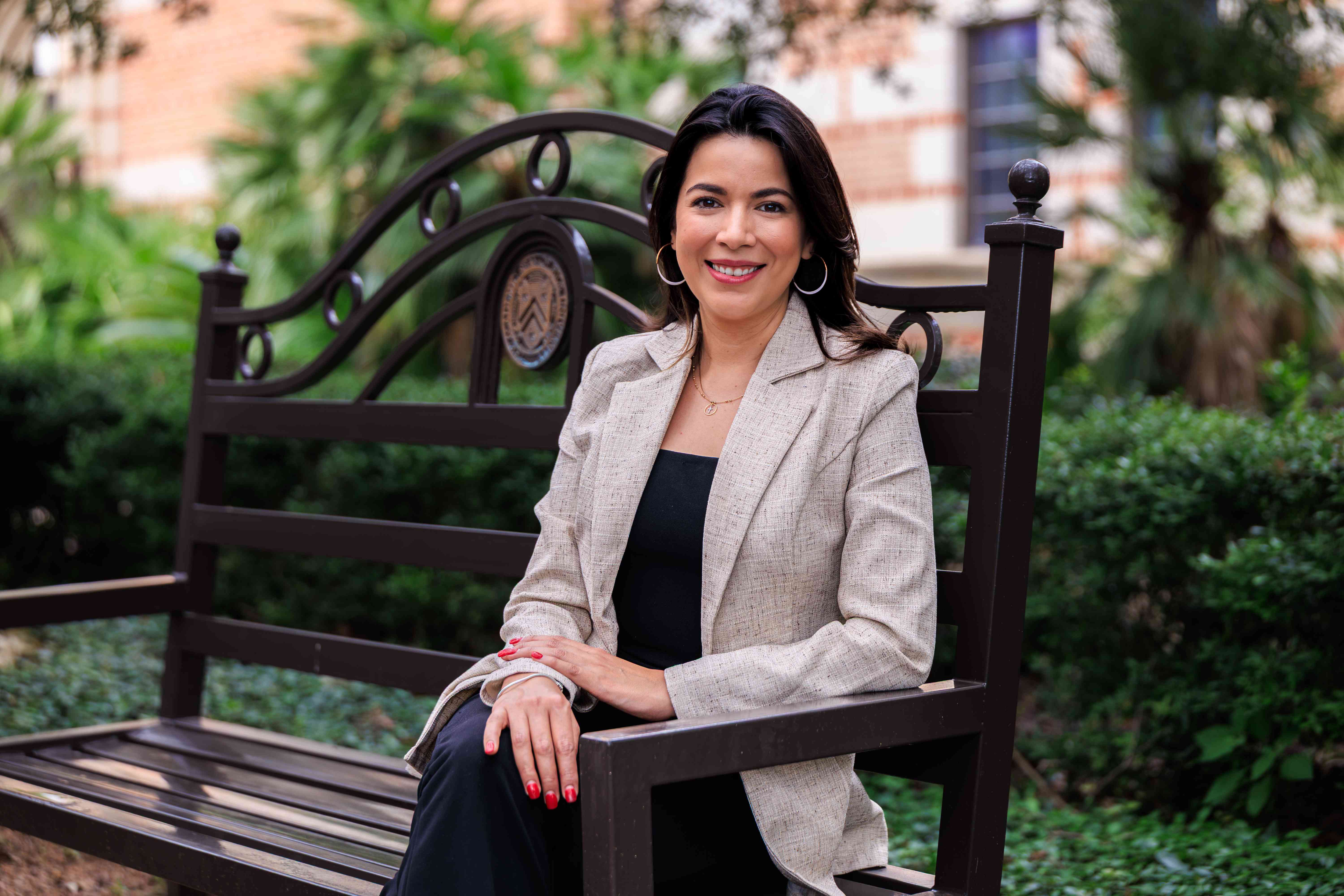
The study allowed Aguilar to test two comparisons at once: AI-based versus human-led training; and accounting woven into business decisions versus taught as a stand-alone subject. (The experiment did not measure changes in sales or profits, outcomes that can be difficult to measure over such a limited period.)
The entrepreneurs took to Mia quickly. According to Chicago Booth Review, which reported on Aguilar’s research in April 2026, 173 business owners sent Mia more than 30,000 text messages, some 3,000 voice notes and 1,500 images over the month the program ran — asking questions about pricing, inventory, customers and costs at whatever hour they arose.
The first finding? Microentrepreneurs who trained with Mia performed about as well as those taught by a human trainer at roughly 3% of the cost. While it’s true that chatbots cannot replicate the virtues of in-person training — relationship building, organic storytelling, lesson sharing — AI training holds its quality at scale in a way that armies of human trainers cannot. According to a 2020 report by the World Bank Group, governments and NGOs spend more than $1 billion annually training 4 million to 5 million potential and existing entrepreneurs in developing countries.
The second finding mattered even more to Aguilar. Most entrepreneurs don’t come looking to learn accounting, Aguilar notes. They want marketing and sales. But Group 3, which used the version of Mia that integrated accounting into every decision, outperformed both other groups. These entrepreneurs generated 78% more conversations combining financial reasoning with other areas of their businesses, such as marketing and strategy. They also were significantly more likely to articulate concrete, growth-oriented plans. “It’s like when we’re in school and someone is teaching us math, and we don’t know how to apply it,” she says. “But if you teach mathematics for making decisions, in your specific context — how many piglets you have multiplied by how much feed you’ll need over such and such a period — you transfer that knowledge from the classroom to the real world.”
While it’s true that chatbots cannot replicate the virtues of in-person training — relationship building, organic storytelling, lesson sharing — AI training holds its quality at scale in a way that armies of human trainers cannot.
The results have outlived the study. Aguilar says about 30% of the participating businesses have since begun to formalize by registering with the government — a first step toward bank credit, legal protection and growth. And the chamber of commerce in Tegucigalpa, convinced by what it saw, kept Mia on as a regular service for its microentrepreneurs.
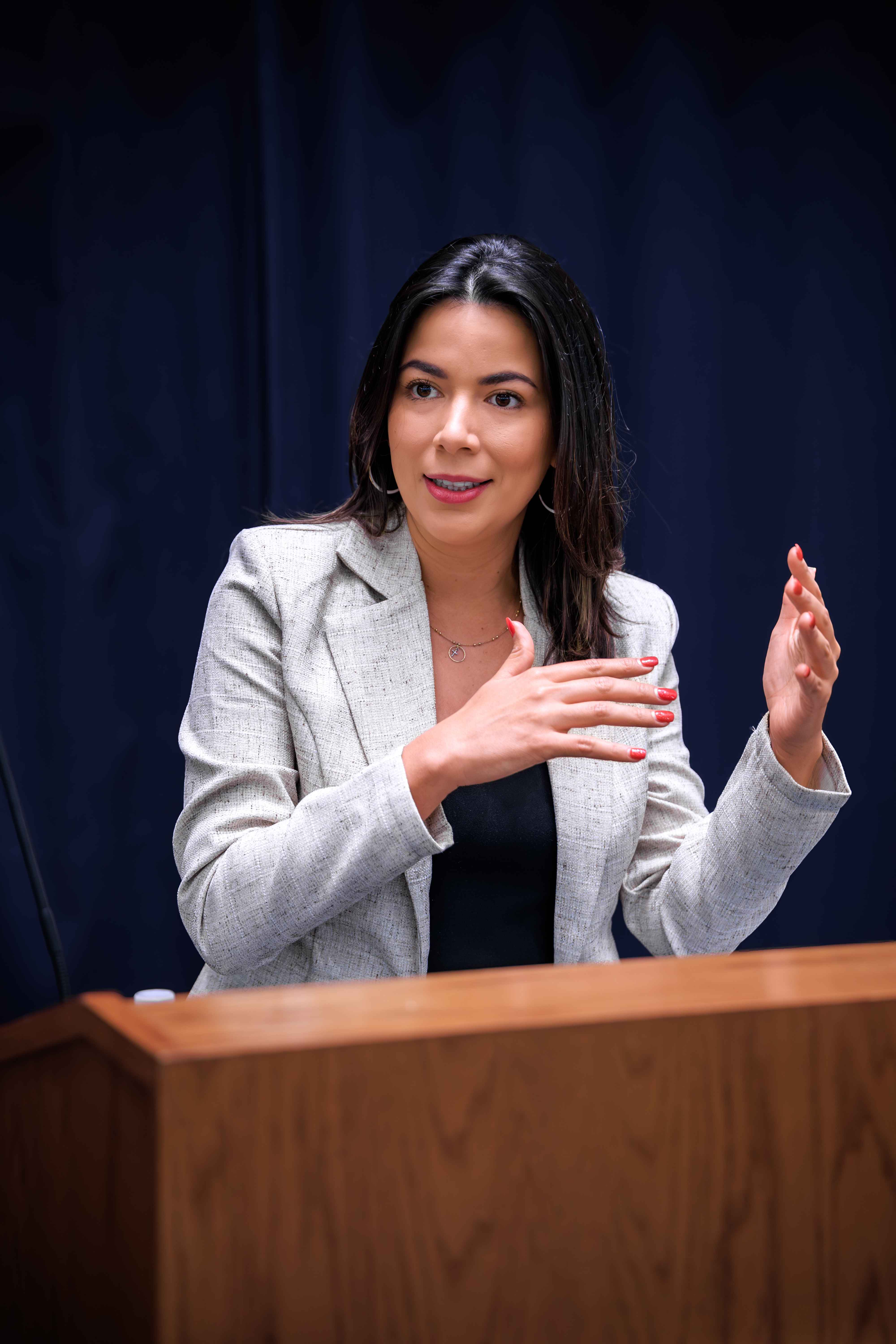
In the academic world, Aguilar’s studies have also gained notice. This past year, she had the rare distinction of having research presented and discussed at the two most prestigious accounting conferences in the same academic year — the Ray Ball Journal of Accounting Research Conference and the Journal of Accounting and Economics Conference. In 2025, Aguilar and Ramesh also hosted the first conference on the role of accounting in microenterprises, where Aguilar presented her findings on Mia. It was attended by leading scholars from the U.S. and across the globe.
Aguilar is already working toward another experimental deployment of Mia in both Honduras and Costa Rica, testing a hybrid model in which human mentors work alongside the AI. “In the ideal world, you have both working together,” she says. “You have training in a classroom but can ask questions at any moment to the AI. That way you’re not missing out on much-needed human interaction but getting the accessibility of the LLM.”
She’s clear-eyed about the risks of the technology, especially AI hallucinations and the danger of microbusiness owners trusting the machine too completely. Like other generative AI tools, Mia is meant to support human judgment, not replace it. “At the end of the day, it has to be the entrepreneur making the decisions,” she says.
But Aguilar also sees why accounting researchers cannot stand aside. AI is not only changing the kinds of questions researchers can ask, but also transforming the evidence they can use to answer them. Her experiment produced thousands of recorded conversations, creating a real-time archive of how microentrepreneurs think, worry and learn. It gives the kind of insight no survey ever fully could.
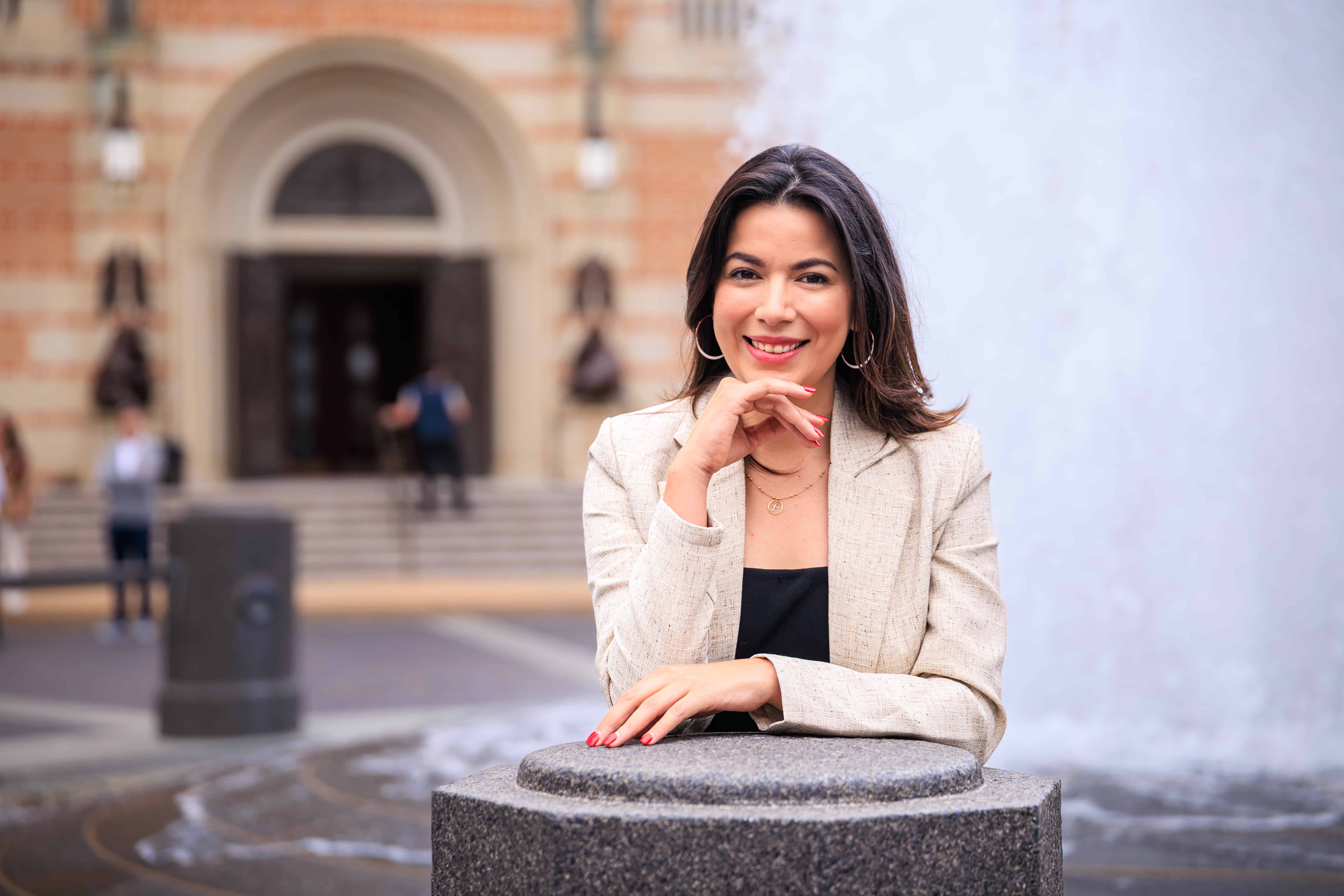
One thing AI has not changed is the reason Aguilar is doing the work she does. “Since I started economics at 18, I always wanted to help make a positive change,” she says. “There are so many things we can do to improve quality of life for people.” For her, that has meant bringing accounting as the language of business closer to the people who could use it to think through what comes next for themselves and their microenterprises.
This fall, Aguilar happens to be taking her own major next step. Having graduated from Rice, she’s making a move from Houston to Chicago to join the tenure-track faculty at the second-oldest business school in the United States — the University of Chicago Booth School of Business — as an assistant professor of accounting.
Written by Scott Pett