Pivot
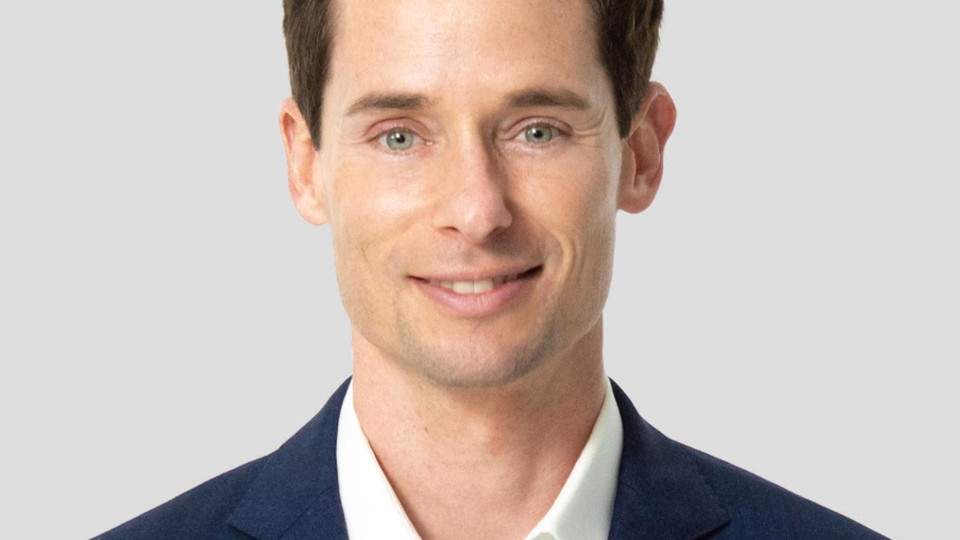
Henry shares his journey from all-star athlete to entrepreneur and how he’s building communities that improve wellbeing.
For Alecia Harris ’23, art is as essential as breathing, and it’s something everyone deserves to have access to. So she’s turned that belief into a career that sits at the intersection of art and business, with a mission focused on making art accessible.
After years working in arts programming and visitor engagement at Rice University’s Moody Center for the Arts, she earned her Professional MBA from Rice Business, then pivoted into private wealth management at J.P. Morgan, where she built a client book of art collectors and museum donors. Now, as chief development officer at the Rothko Chapel, she’s channeling all of that experience into leading fundraising and development for one of Houston’s most iconic cultural institutions, during a pivotal moment in its history.
Alecia joins co-host Brian Jackson ’21 to discuss her winding path from art history to finance and back, what “radical hospitality” means in practice, how her MBA gave her the 50,000-foot view she needed, and why Houston’s next generation of patrons must step up to steward the city’s world-class cultural institutions into the future.
Subscribe to Owl Have You Know on Apple Podcasts, Spotify, YouTube or wherever you find your favorite podcasts.
[00:00]Brian Jackson: Welcome to Owl Have You Know, a podcast from Rice Business. This episode is part of our Pivot series, where guests share stories of transformation in their lives and careers.
Today I'm joined by Alecia Harris, Professional MBA Class of 2023, and now the Chief Development Officer at the Rothko Chapel. Alecia has built a career proving that the worlds of art and business are far more connected than many people realize. After beginning her professional journey in the arts, she earned her MBA from Rice Business, then joined J.P. Morgan's Private Bank, and now leads development for one of Houston's most iconic cultural institutions.
In this conversation, we'll discuss her unconventional path from art history to wealth management and then back to the arts, what she's learned about leadership and legacy, the unique role Rothko Chapel plays in Houston's cultural landscape, and how an MBA helped her bridge seemingly different worlds.
Alecia, welcome to Owl Have You Know. I'm so happy to have you join me today.
[01:02]Alecia Harris: Thank you for having me, Brian. It's so fun. I'm excited. Looking forward to it.
[01:05]Brian Jackson: Well, it's going to be a really interesting conversation for our listeners. Your background to me is just so interesting. You know, was there a first piece of art that just really moved you and you can remember and, kind of, connect back to that point?
[01:19]Alecia Harris: That's a great question. But can I counter maybe with how I fell in love with this whole thing? I switched my major five different times in undergrad, just trying to figure out what I wanted to do. And my parents finally just asked me, like, "What's something that sparks joy? Like, what brings you happiness?" And I was like, "Well, I like reading." And so, I was an English major, and then I found out there was this thing called a curator, and so I switched to history, and then I found out you could get really particular. There was this thing called art history, and I have never looked back because art history was this beautiful culmination of all these things that I was interested in.
You have to know a little bit about literature and maybe, like, pop culture if you're dealing with contemporary art and living artists like I do, and history. And so, it was this beautiful marriage of all these things that I was looking for. And so, like most things that I do, I took a serpentine path to get there, but it ends up being this very meaningful arrival point once I got there. And so, it's less a particular piece and more just, like, the industry that I found that was like, "Aha, this is where I belong."
[02:27]Brian Jackson: No, that makes sense. So, one thing about art, I mean, it can be intimidating, right? To go into a gallery or museum, and I even find, you know, I'll think, "What am I supposed to be thinking? What's the message? I just wish I had the SparkNotes that would tell me what I'm supposed to feel."
[02:41]Alecia Harris: For sure.
[02:43]Brian Jackson: For folks who feel like that, what would you say to them, where, you know, they just don't feel like they get it?
[02:48]Alecia Harris: Yeah. I'd say you're not alone. And unfortunately, I think historically a lot of these places have been made intentionally to cultivate that. Like, they want people in this... It's this weird dichotomy where they want to develop new galleries, want to develop new patrons, museums want to develop new audiences, but then we also come from this historic background of being gatekeepers and wanting you to prove that you're supposed to be there before they are willing to engage.
So much so to where that is what I focused on when I was working at Rice University at Moody Center for the Arts, and I was Director of Visitor Experiences. And my whole MO was, how can we break down those walls, those barriers? I want to know who doesn't feel comfortable coming here, and how can we meet them where they are and make them feel welcome?
So, our whole thing there, our whole thing at Rothko Chapel, where I work now, is radical hospitality, and so really bending over backwards because I totally understand why people have that impulse of feelings of, "This place is intimidating, and it's not for me." That's why I stayed away from contemporary art for so long, or visual art.
I thought it was for really smart, inspired people who stood in front of a blank canvas and just something came to them, and they threw something up. But once I realized with art history that there was a process to it, they're extremely logical, there's rational, there's building blocks to how they got to where they were, it, kind of, helped demystify.
And so, I would say, hold on to that. I personally love taking people who aren't art people through art spaces. I love... I have an eight-year-old. I love taking her and her cousin. Like, those answers that aren't pre-programmed and those very genuine initial responses to the work, like, that's so much more exciting than someone that reads every art forum and has these canned responses.
It's about just looking and what kind of feeling does it elicit from you. That's really all you need to know. And feel confident in the fact that a lot of established art people are just making it up anyways and just trust that your initial impression is the right one, and you don't have to be an expert in it.
[05:01]Brian Jackson: Yeah. What, I mean, the idea of like radical hospitality making art accessible, you know, you've given a few ways what it actually looks like in practice, but, you know, the mission, why is that so important to you?
[05:14]Alecia Harris: Well, I think because we have these organizations like Rothko Chapel, like Moody Center for the Arts, like the Menil, they're free. They're meant to be for Houston. They're meant to be for everybody and accessible. I feel so lucky that now, at this organization I'm at, I just have to be an expert in these 14 Mark Rothko paintings, and I get to get into the nitty-gritty about the composition and the chemicals and how it is that they were made.
But if you stand in front of a piece of work, often Rothko paintings, like people talk about having your Rothko moment, people are moved to tears. They have these transformative experiences in front of it. Why shouldn't that be available to everybody?
And for me, even when I was working at J.P. Morgan, and I was working in finance, like, I had to have access to art every day because for me, it's like breathing. And I think good art holds a mirror up to society. It helps you process universal truths. It helps you connect to people. It's so important to me. It's not a luxury. It's something that I think everybody has to have access to. And so, anything that I can do to make people feel as if they also have ownership over this, they have a right to access it, that's something that I'm very motivated by.
[06:25]Brian Jackson: So, there might be listeners who aren't familiar with the Rothko Chapel. I'm just curious, how do you describe it?
[06:33]Alecia Harris: I say it's a sacred space, non-denominational, and we've got 14 monumental paintings by the artist Mark Rothko, and it's a convening space for all. And so, inside the chapel, we have the Mark Rothko paintings. Outside the chapel, there's the reflecting pool and a sculpture by the artist Barnett Newman that's dedicated... It is called the Broken Obelisk, and it's dedicated to Martin Luther King.
So, we say you go inside the chapel, it's for sacred contemplation. You're sitting there, maybe you're stirred to moral awakening, and you come outside, and you have this Broken Obelisk that's, kind of, like a lightning rod, and that's where it sparks the action.
[07:12]Brian Jackson: That's incredible. During law school, when I had to make big decisions, that's where I would go, and I would sit.
[07:18]Alecia Harris: Oh, amazing. See, these are the stories that I, like…are so motivating.
[07:24]Brian Jackson: No, it's just so striking, and you look at the paintings and, you know, at first glance you go, "Oh, they're black," and then you realize, no, they're not, and then you stare and you stare and you see different colors and, you know, there's blue, orange, et cetera, and it's just... It's really just an incredible space. And you all just recently finished, I think, a renovation?
[07:41]Alecia Harris: We did, yeah. And so, if you haven't been to the chapel in the last five years, we renovated the skylight, and so, so much so, it's been a really interesting discussion. There's so much more light in the chapel now. And so, for 50 years, people were used to seeing these dark paintings in a dark setting, like, I think it really underscored, you know, "Oh, this was Mark Rothko and his depressive stage, and you go there when it's heavy, and so you go there when you're feeling heavy."
And now with the light in it, you can see more variations in the dark purples and the plums and the maroons and the blacks. There's just so much more light in it. And the interesting thing is, this is the light that mimics the studio that Rothko had in New York.
So, this was always the way that he'd intended for the paintings to be seen, but he underestimated the hot Texas sun, and so they had to create a situation to protect the paintings from the light once they were installed. And finally, after 50 years, they came up with this very sophisticated Venetian blind, sort of, mechanism that allows us to have tons of light in the space and protect the paintings.
But it's a completely different experience, and I think it's more moving. It feels very different depending on the time of day that you're in. If it's overcast, there's, sort of, more opportunities to engage with the paintings in different ways.
[09:11]Brian Jackson: Yeah. So, I mean, at some point you decided, "Okay, I want my MBA," which to me feels like a bit of a departure from the arts world. What, at that moment, were you thinking was missing from your career, your toolkit, that made business school the next step?
[09:27]Alecia Harris: I was working, well, post-COVID, right? Where we all had tons of time for introspection, and so I knew there was some kind of logical next step, but I didn't know what it was. I was working at the Moody Center for the Arts, and I realized I needed, kind of, more professionalization.
The great thing about the Moody at the time, it was still, kind of, new. Like, I was on, sort of, the first class of employees through the door. I was the first in my position. I got to build all of it and create the structure around it with leadership. And so, I took a step of doing the LINE program, which is the Leadership Institute for Nonprofit Executives at Rice, and it was this great 10-month program, essentially a crash course in how to run a nonprofit, and it gave me enough insight to realize that I needed more than surface-level.
And so, I figured that an in-depth MBA could be the way to do it. But then also to this point of what we talked about earlier, I was really concerned with who wasn't coming to the Moody and why. And I really care... Like I said, I care about the arts in Houston. Houston's in a, sort of, unique philanthropic model in that we get less civic support, and so we have 100-year history of relying on really philanthropic individuals. But if your mission doesn't resonate with the city, if what you're doing isn't relevant to them, then, like, these organizations aren't going to be here in another 100 years. It's really important to me that we had programming that was speaking to this ever-shifting demographic in Houston.
And so, we were a small staff, you know, 10 or fewer, and university museums have a lot of different stakeholders, and so I was really the only one that could be plagued with this question. And so, I was like, "Well, the Moody is great. There's a ceiling here. I need a bigger platform to really pound the pulpit and make people care about this issue." So, I thought I wanted to be COO of the Museum of Fine Arts, and as I was like, "Well, I need to figure out how to run an organization." And so, MBA was the nice logical next step.
And I met with the COO when I got to business school, and I told him, "I want to take your job," and he loved it. And he was going to help me and create a position for me. But then, at the same time, I spoke with a person, a friend who we'd been on a couple of steering committees together, and I asked her, I was like, "I know you have young kids," and my daughter was two at the time. "And you work in finance. What do you do that's not investment banking?"
And she taught me about private wealth management, and I spoke with her. I spoke with another banker who specifically just managed endowments for nonprofits, and I realized I'd done a lot at nonprofits, but I'd never done anything on the finance side. So, I joined the J.P. Morgan Private Bank to do just that, to work with a book that I built with art collectors, museum donors, and the endowments for nonprofits. And yeah, before 2021, I didn't even know what private wealth management was.
[12:19]Brian Jackson: So, I mean, I think it's clear, like, there are transferable skills, right, between the two. But how do you shift that conversation that you used to have with individuals, and then all of a sudden you switch it to, "I'm in private wealth management, and I'm a reliable, trusted source who you can, you know, actually lean on for intelligent advice"? How do you have that conversation and get to credibility?
[12:46]Alecia Harris: That's a great question. I think for me, my path was quite singular because I'd known these audiences that I was building relationships with. I'd been doing that for about a decade. So, trust was established, and then this art connection, which is genuine because, like, we're going to art fairs, we're going to art gallery openings, museum openings, we're seeing each other several times a year, and so that establishes trust, right? That you're genuinely here, that we have this deep passion that's a mutual shared thing.
And so, that really accelerates the bond. But that's why I picked an organization like J.P. Morgan, because it's like I need to borrow a lot of that clout. I need to borrow that 200-plus-year history. I need the J.P. Morgan University. It's a trusted brand, and so people knew that even if maybe I didn't have the answer right away, I had tons of access to resources to where I could get them.
And I managed a team, right? I worked on more complex balance sheets, and so there was me and an investor tied to each of it, so I just needed to know enough about investments to be dangerous. And I had, like, an estate planning attorney. Like, we had the entire kitchen sink there. And my job was just to deliver them and really be the mediator. I think that it was just leveraging those long and hard-won relationships and then leveraging the reputation of the bank.
[14:11]Brian Jackson: Yeah, so you're approaching these contacts with now a, you know, freshly minted MBA from Rice, and then you are also working at J.P. Morgan, a premier institution. I mean, that buys you a lot of credibility on top of the relationship.
When you were at Rice, I'm curious, like, what was the steepest learning curve? Because I struggled. I mean, my undergrad was political science, and then, you know, I did law school, and then all of a sudden I'm looking at spreadsheets in Excel, and I avoid them like the plague. Just curious, from your side, what part was a challenge?
[14:43]Alecia Harris: The first semester. Everything in the first semester. Yeah, I think being a humanities undergrad, and I was in the professional program, so I was still working at Moody at the time, and had my daughter. Now, in hindsight, that, you know, I made it through, and I was successful, it was an incredible privilege to learn just how much you really can manage.
I think that I've carried that with me ever since. And, you know, I remember, like, being in business school and thinking, "Oh, I only have five papers due this week. Like, this is a breeze." And so, it was an important lesson to just, kind of, see, like, how resilient you could be.
But the first time where I was just like, "What have I signed up for?" was my first accounting class. I mean, it's not even Greek. It's like, I don't know, something that doesn't use any kind of recognizable alphabet. I still don't know everything about accounting, but I can read a balance sheet.
[15:40]Brian Jackson: And maybe that's enough, right? Maybe that's all you need.
[15:43]Alecia Harris: Yeah.
[15:44]Brian Jackson: Well, when I think of, like, wealth management, you were, kind of, explaining, like, you have this team and all these resources, and my thinking is, like, anyone on the team has to be analytical, but it seems like there's more than that. And, you know, there were elements of your background and your experience that you brought that probably helped push deals forward that hadn't been pushed before. I'd be curious to know more about that and what you saw come out that ended up being a huge advantage to the team.
[16:13]Alecia Harris: Yeah, I think at the time I was the only art person in the Houston office. Like Miami, New York, there's more bankers there that come from the art world, and we're, sort of, actively cultivating relationships there. Here, I was the first one, so it just opened, kind of, a whole new world to us. We don't have an art advisory practice. J.P. Morgan, they have a fantastic corporate art collection, I think, like the oldest one in the country, that was started by David Rockefeller in 1959, and then it has all these legacy banks as well, and so it's just amassed like a 40-thousand-item collection.
But like we had this gem in the client center, and no one else felt comfortable, for instance, like giving a tour or talking about the art. And so, I would sit in on other bankers' meetings and start their meetings off by giving their clients a tour. And art was a big part of J.P. Morgan's DNA, so I think it was important that you had somebody here in the office that could, kind of, connect those dots for people. And it just gave a lot of buy-in to local collectors, which we have a very robust and savvy collector base.
[17:17]Brian Jackson: So, this pivot from J.P. Morgan then back to nonprofit and arts, what prompted you? Was it just, like, right job, right timing? Maybe it's right stage of life?
[17:29]Alecia Harris: Yeah. I think if I'd had too long to think about it, I might not have done it. I was at that nice inflection point at the bank. I was about three years in, and I was, kind of, at this point where it's like, "Okay, am I... Is this what I'm going to be forever? You know, is this what I want to do, or am I potentially looking somewhere else?"
But really, I was on the advisory board for the Rothko Chapel on the development committee, and we had this really exciting new president, Abdullah Antepli. He comes from Duke, where he was running the poli-sci department and religion. He's an imam, he's a religious leader, and an expert. And I thought, what an exciting time, because it really takes vision to bring this, kind of, three-pillared mission of art, spirituality, and justice.
And Abdullah, our new president, had this great religious and justice side of it, and I knew the art side quite well. And so, I decided that we would be a force to reckon with together. But I think I picked up on what a lot of people are, and that this is a really exciting time for the Rothko Chapel.
You know, when Dominique de Menil was here, we were world-renowned, world-known. Like Nelson Mandela came, Jimmy Carter, the Dalai Lama came twice. And I think all of Houston really knew about it, too. It was on this global platform, and it's gone through just a quieter phase. And if you meet Abdullah, like, quiet is not a word that anybody would use to describe him. He's a real force, and I think I wanted to be a part of this next stage that's, in a lot of ways, looking back to its storied history, but then also looking to the future and really meets the moment with his vision of being this sacred space where we're convening to hold difficult discussions.
And in this area where there are fewer and fewer places where we can talk to each other, how important is it for us to be able to be a place where we can facilitate this and teach everyone to talk to each other again when you disagree? So, it felt, kind of, like a moral compulsion, and in this very Pollyannic way, like maybe potentially we could help solve this big tension and this tumult that everybody feels right now.
[19:41]Brian Jackson: Yeah. I mean, buying into the mission and vision of a leader, and then you're in a role that helps him propel it. Because development, you're bringing in the dollars to make the vision possible.
[19:53]Alecia Harris: Right. And it's quite easy really because... Which I never thought that I would say, but again, I think it's just that the mission is so relevant right now, and there's also, like, several entry points for people, right? Like, if you're not moved by the paintings of Mark Rothko, maybe you, you know, classify as an incredibly spiritual person, and you walk into the chapel, and we have pretty much every sacred text in front. Like, it's non-denominational, you know, it's ecumenical, and so it's something for everybody. People literally make a pilgrimage. One is like an art mecca space, and then one is just like a, kind of, holy journey to the chapel. Or maybe you respond to the justice side.
And so, there are several points for people to feel connected to the chapel. It's been really surprising being on this side, hearing the deeply personal connections people have. Like, my barista the other day told me that she went there and cried for an hour and a half when her uncle died, and so many people told me they'd been engaged there, they'd been married there. So, it's like the myth-making for fundraising has already been done because it means so much to so many people.
My job is to really just create channels for them to support the chapel and to help amplify the message and get it out to more people. I really want Houstonians to realize, like, we have Mark Rothko's kids are on the board, and his son says that the chapel was his dad's magnum opus.
And if you could argue potentially, you know, Mark Rothko was the greatest painter of the 20th century, and for his greatest work to be in Houston, Texas, where he never... He never visited, by the way. He died before he got to see the chapel and the paintings installed. It's really crazy, and it should be a huge point of pride for Houstonians.
[21:36]Brian Jackson: I totally agree. So, working in development there, what does your day-to-day look like?
[21:41]Alecia Harris: Every day it's something different, which is exciting, and also the reason that I joined. Like I said, we're, sort of, in this acceleration point. Abdullah has big, audacious vision and goals for the chapel, and so we're getting to, sort of, build the plane while we're flying, and all of the fun, exciting opportunities that come with that.
But I do everything from the fundraising strategy to strategic partners, managing different committees and board interaction, board liaising, working with the other chief members of the team on the Chief Engagement Officer, Chief Operating Officer, to make sure just all of the pistons are firing together. I feel fortunate with my finance background, like I'm not just focused on bringing the funds in, but very focused on what funds are going out.
And so, I think it's really helpful to make sure that these departments are really working in tandem. I mean, with the communications department, they're essentially feeding me the tools and the products that I need to communicate with the public and with donors about what it is that we're doing, what we're focused on.
Also helping us to arm our board members with how to talk about the chapel, and then with finance, just making sure that I'm bringing in funds at the right time to align with cash flow. We have a big capital campaign going on as well right now. So, it's… What donations do we have coming in? When is, you know, construction supposed to start on this part of the building?
I never would have had that 50-thousand square foot view or really been able to understand how all the different pieces came together if I hadn't gone to business school. So, I'm so fortunate that I have that perspective. One, just the scope of programs that we learned at Rice, but then also getting that experience working at the bank, and now being able to bring all of that to this very worthwhile organization is incredibly meaningful.
[23:43]Brian Jackson: Working across arts programming, private wealth, and now nonprofit leadership, you know, are there leadership qualities that you're seeing that have mattered in every one of these settings?
[23:53]Alecia Harris: I think for me, there's not really the qualities that I look for in a leader that I don't think look for and think are worthwhile in just general human beings. Like this curiosity and openness, a willingness to listen. I think we can learn so much from unexpected places, take inspiration from unexpected places. I'm somebody that's a big info gatherer, and I'll take something, and it's like I don't really know what I'm going to do with that or why I needed to know that right now, but I'll put it, you know, in my back pocket. And then those moments when you're able to make the connection later and it, kind of, unlocks new meaning or new opportunity, those are always really rewarding.
The growth mindset we talked a lot about in business school, I really can't de-emphasize, like, how important that is, especially for an organization that's 55 years old. You know, you don't want to take down fences without knowing why they're there first, but obviously, a lot can change in 50 years.
And so, figuring out who else we can learn from, adopt from is something that's making the organization a lot stronger and a lot more efficient. I think this is my really kind of biggest sticking point with nonprofits, we work like bankers' hours without the banker paycheck. And it doesn't always have to be this hard.
So, when I was at the bank, I was on four different boards and nine different advisory committees. Like, clearly, nonprofit was still pulling me, calling me. And when I was at Rice, I was the Chief Talent Officer for the Board Fellows, and so did a ton with nonprofits there.
And they're always trying to figure out how we could do more with less. And I just think that there's a lot of time wasted chasing opportunities that might look right for one organization that aren't right for another. And if we were to just, like, stop and take a beat and think about, you know, kind of, stay mission-focused and then pay attention to what our counterparts are doing, but then only adopt things that really make sense for us, we could be a lot more efficient with this very limited time and resources that we have. That's the thing that I'm always pounding the table on.
[26:07]Brian Jackson: Yeah. I mean, you've been involved, and you were talking about board leadership. You know, for listeners that are looking for a career in the arts and want to support, I mean, I feel like it's similar to volunteering with the alumni at Rice, where it's either you can donate your time, you can donate your money, but we want your support. Is that, kind of, a similar pathway to a career? If this is something that draws you, find your way to connect, and give back, and be in tune.
[26:37]Alecia Harris: Absolutely. I think for any organization, I say start with their mailing list. Like, get to know them through their programming. Attend the things that you can for free. Then the next step would be their annual fundraiser. Ours is on November 11th at the Ismaili Center. Put it on your calendars. It'll be a luncheon. We have the artist Hank Willis Thomas, who's really fantastic. He's in the Guggenheim Collection, the Whitney Collection. He does a lot of... Our upcoming program season is focused on democracy and citizenship, and what role does art and faith have in democracy and citizenship in conjunction with the nation's 250th anniversary.
And Hank has dealt a lot with democracy and thinking who participates in it, who's left out of it, all of this. And so, it should be a really interesting conversation. But attend the fundraiser. If you make a large enough donation, they will find you. But look to see if they have young patrons groups or more established patron groups. Ours are called The Luminaries, but that's a good way for you to... I think it's a good, kind of, low-stakes way for you to get to know the organization more intimately.
And then from there, if you're someone who raises your hand, if you have a particular skill set or expertise that they're looking for, good organizations have, kind of, a board matrix, and they're looking at who's on their board, who's missing, what skill set, what expertise are we missing, and then they'll, kind of, plug you in accordingly. So, then board service would be a good way. And I think also oftentimes, full-time staff come from boards. I was on the advisory committee and was either going to join the board or join staff, and that's how I got where I am.
[28:15]Brian Jackson: Yeah, super helpful to know. One thing I wanted to ask about, outside of work, you and your family enjoy traveling and experiencing art around the world. Is there a particular artistic or cultural experience that has stuck with you?
[28:28]Alecia Harris: Hmm. So, many, because, like, art is like my primary driving force for travel. But I will make a plug, because it never disappoints, for Zona Maco in Mexico City. One, they're our neighbors. Like, we are so lucky as Houstonians, as Texans, to be so close to Mexico City. It, for me, it's, like, scratches my, like, New York fix, it scratches my "I want to go to Paris" fix, but I only have a weekend.
So, Zona Maco is their big art fair, kind of, like their Art Basel for comparison, like, that's the big anchor fair. But then there are all these really cool, interesting fairs that are going on at the same time. Like, there's this one called Material, there's one called ACME that's sort of design-focused.
And then at the same time, all the museums, all the galleries are putting on their very best shows, too. There are tons of great parties. I mean, you can't throw a stone without ending up at a good restaurant in Mexico City. And they're all, kind of, within walking distance of these great, you know, like Roma and Condesa, like, all these beautiful, very green neighborhoods, which is crazy considering the amount of, like, pollution and how large Mexico City is.
But there's this electricity that's in the air, maybe it's the pollution, but you feel like a high, like, as soon as you get there. I mean, as far as art fairs go, like, the overall cost is, like, it's something that students could do. It's also very family-friendly. And the difference it's for one thing, is it, kind of, like, you have all of these fantastic Central and Latin American artists that are showing. So, there's, like, Mexico comes out to show, like, their best in full force. But then you also have, like, your Gagosian. Like you have your top galleries from all the world that they want to have a presence there as well.
And so, you can have New York in the middle of Mexico City, but then you also get this ecosystem that doesn't exist anywhere else. And the two of them, kind of, talking together, like that's always a really interesting conversation. But it's just like it doesn't matter how good the gallery show is here. Like ours are not in these Beaux-Arts buildings from the 19th century that used to be a governor's palace. Like there's no... It's not the white-box gallery. It's just these insanely beautiful structures. And there's room for like serendipity, and you're just walking through, and you happen upon like this insane space, and then there just happens to be like this very, like a cool, like, underground party going on underneath it.
Every single time, it requires very little decision-making to decide that Mexico City is a yes. And there are art fairs in February at Zona Maco.
[31:07]Brian Jackson: February. Okay. Is there something in Houston, an experience that you wish more people knew about, a hidden gem maybe?
[31:13]Alecia Harris: I mean, the Menil campus, right? Wouldn't you agree?
[31:17]Brian Jackson: I agree.
[31:18]Alecia Harris: The fact that it's in the middle of the city and it's an oasis. I mean, you can come to the chapel, obviously, to get away. I keep saying it to, like, all of my friends from business school and the corporate world, like, "Come take a break if you can get away for a day," because we're not good at slowing down and taking those moments. Like I had to teach myself to do it. I literally have to block off the time on my calendar to walk across the street to go to the chapel. But I think that, and we have the Menil, we have the Menil Drawing Center, the Cy Twombly Gallery, all of these things, like, are within walking distance and 10 minutes from downtown. I think that's my hidden gem. And they're all free, and there's ample parking. So, that's something that everyone should be doing.
[32:03]Brian Jackson: And taking advantage of it. We are incredibly fortunate to have that in our backyard.
I think my last question really, like, a call to action. You know, looking at the Rice Business community, looking at alumni, you know, one, I think, getting involved is beneficial because it broadens our thinking and connects us to art and to community. But do you have a call to action for the Rice Business community in a way that we can support?
[32:29]Alecia Harris: I do. Houston is a city that relies overwhelmingly on the largesse of individuals. And we have this robust patron group that's on their way out, and there's this great transfer of wealth that's happening, something $60-plus-trillion. I hope that it would look to us and younger generations as filling that void to come in and support these incredible institutions that we have here. I mean, Houston Grand Opera is the only opera that's consistently running in the black in the country.
Artists that are in New York want to come and perform in Houston; they want to be in our collections. It's all here in our backyard, and we have to support it, or else it won't continue to be. And so, I just I would even be open if people wanted to reach out to me and let me know what it is that maybe stops them from wanting to be involved with the organizations. I do think that there's also a marketing problem with these storied institutions, you know, these younger generations, like, they don't care about having their name on a donor wall, right?
And so, what do you care about? What do you want to hear from your and see from your organizations, hold them accountable so you can take ownership over stewarding them into the next 100 years?
[33:47]Brian Jackson: Yeah, it's building a community legacy. Thank you so much, Alecia. It has been just a supreme pleasure having you on Owl Have You Know today.
[33:55]Alecia Harris: Thank you, Brian. I really appreciate it.
[34:01]Brian Jackson: Thanks for listening. This has been Owl Have You Know, a production of Rice Business. You can find more information about our guests, hosts, and announcements on our website, business.rice.edu. Please subscribe and leave a rating wherever you find your favorite podcast. We'd love to hear what you think. The hosts of Owl Have You Know are myself, Brian Jackson, and Maya Pomroy.
Henry shares his journey from all-star athlete to entrepreneur and how he’s building communities that improve wellbeing.
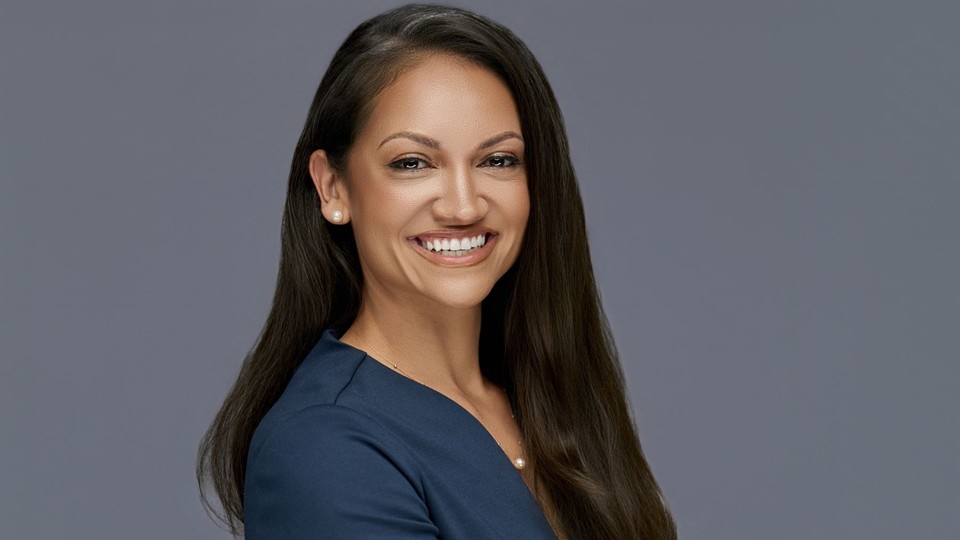
Kenzel chats about the inception of Three Keys Coffee, why entrepreneurship was a surprising path for her, and how Rice Business provided the right launchpad.
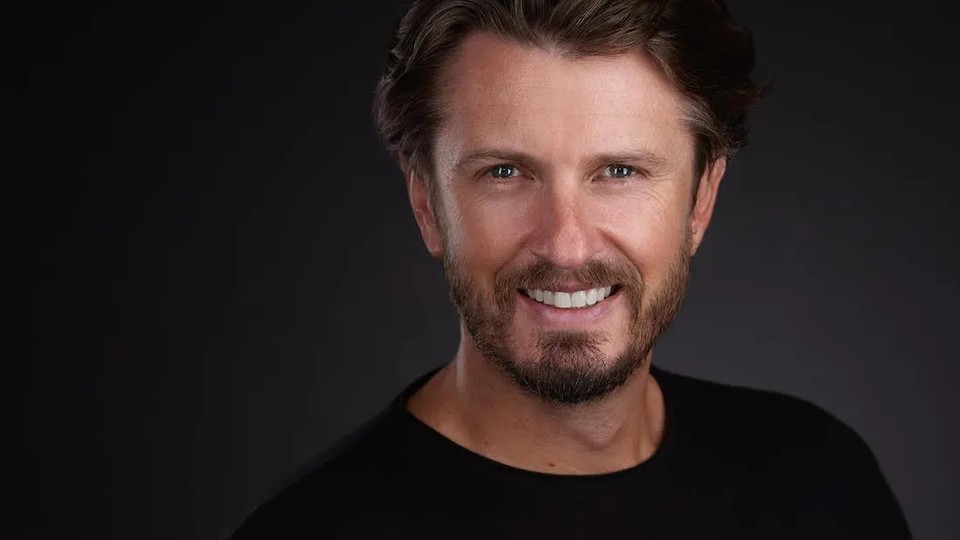
Scott chats about BeONE Sports, his startup combining AI and motion-capture technology to help athletes elevate their performance and prevent injuries.