Image

Rice Business is known for many things — rigorous academic programs, world-class faculty, global rankings and a vibrant campus environment. But what truly sets us apart is our close-knit community, where exceptional faculty know students by name, take a genuine interest in their success and are deeply invested in their growth.
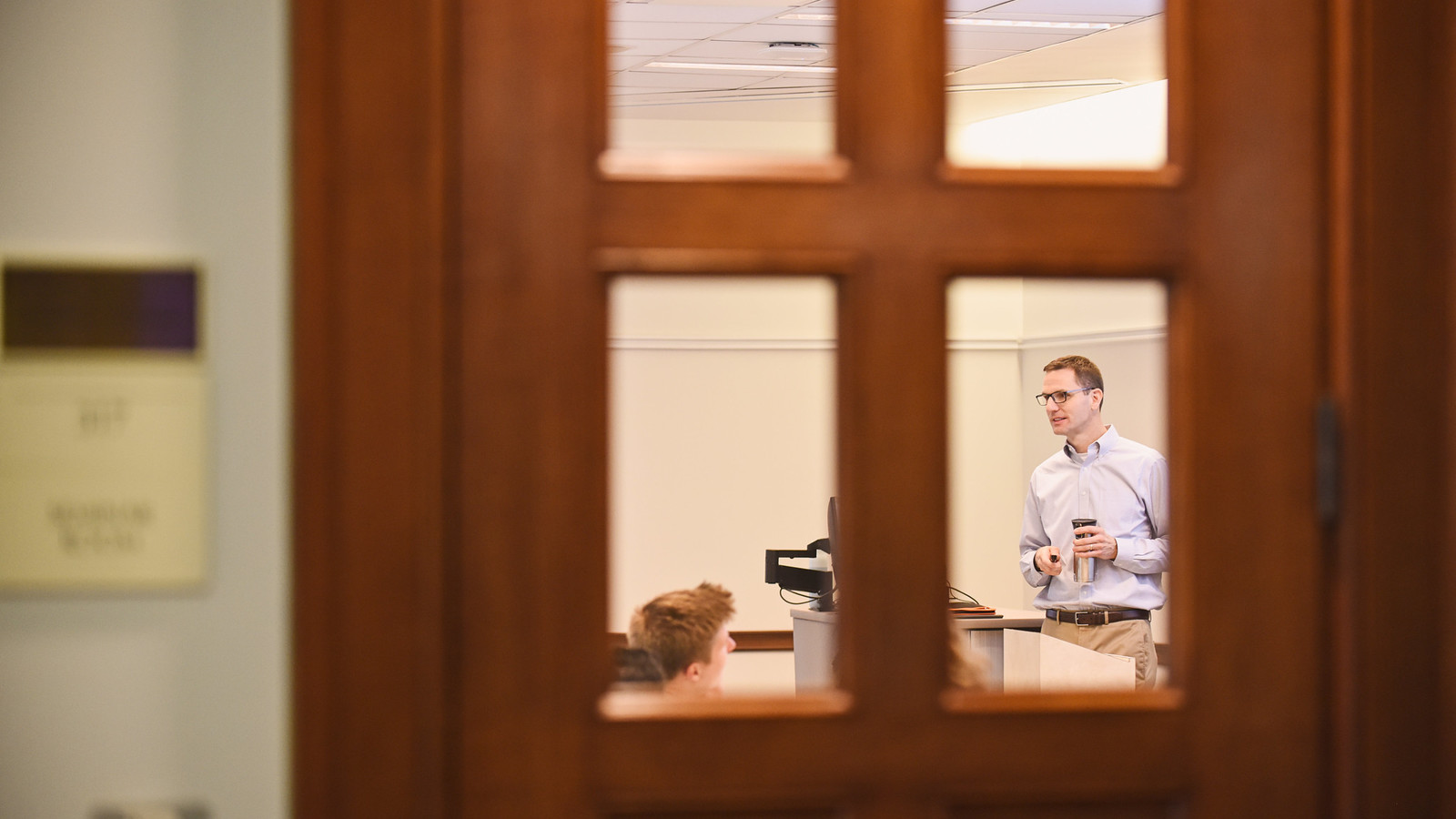
Meet Ben Lansford, director of the Master of Accounting program and professor in the practice of accounting. Since 2014, he has overseen the Rice MAcc program, mentoring students, facilitating employer relations and cultivating a tight-knit community.
Lansford discusses what brought him to Rice, why a MAcc is a strong fit for students of all backgrounds, and how the Rice Business program offers unmatched career opportunities.
I wasn’t an accounting major in college. I discovered accounting later and became interested in the way it helps you understand how businesses work. That interest ultimately led me to earn a Ph.D. in accounting and pursue an academic career.
From 2010 to 2014, I directed Penn State University’s Master of Accounting program. In 2014, I joined Rice to help Professor K. Ramesh launch the university’s Master of Accounting program, and I’ve served as its director ever since. Having helped build the program from the ground up, I take particular pride in what it’s become.
I often tell students that accounting is the language of business. If you understand the language, you don’t have to depend on someone else to translate what a company’s financial statements or business decisions are telling you.
That’s what I enjoy most about teaching accounting. Whether I’m teaching undergraduate, MBA or MAcc students, I can give them knowledge that helps them better understand businesses. I also try to connect what we’re learning to real companies and current events so students can see why the material matters.
That carries over to how I think about the MAcc program. We want our students to develop strong technical accounting knowledge, but that’s only part of what they need. They also need to be able to analyze unfamiliar problems, determine what information matters, exercise sound judgment and explain their conclusions clearly.
The Rice MAcc is a 10-month professional graduate program that prepares students to begin an accounting-based career.
Students develop a strong understanding of the major areas of accounting, including financial accounting, tax, auditing and managerial accounting, along with related areas, such as business law and finance. They also gain experience using data analytics, technology and AI in an accounting setting.
Just as importantly, the program develops the professional skills students need when they enter the workforce. Our students graduate prepared to sit for the CPA exam and ready to begin their careers with skills they can use immediately.
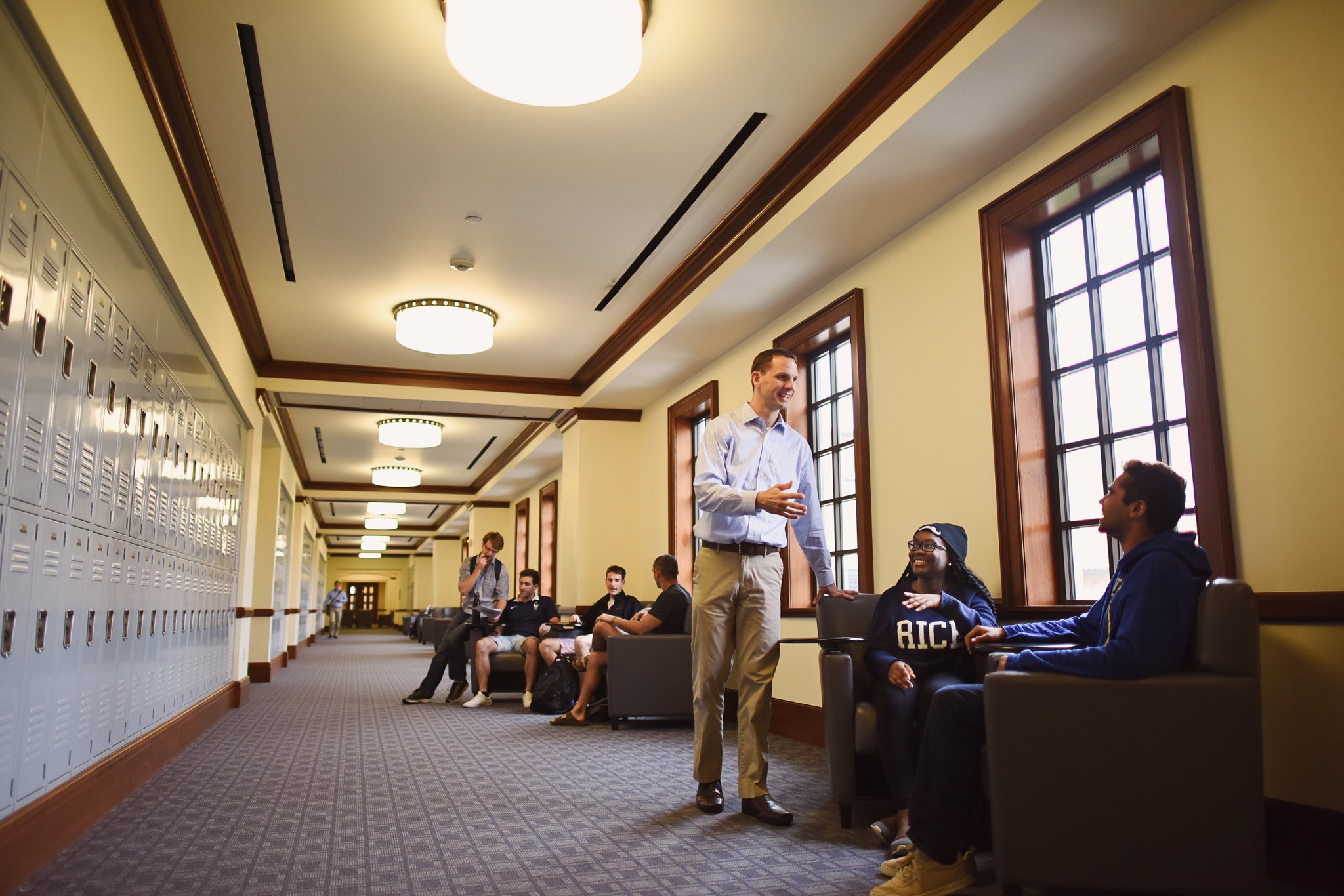
There’s a stereotype that accounting is mostly about working with numbers by yourself. In reality, successful accountants spend a large part of their day working with clients, colleagues, executives and other professionals. You need to be comfortable with numbers, but you also need to communicate clearly and work well with other people.
So, I think the program is a good fit for someone who’s curious about how businesses work, likes solving problems, and values both analytical work and interaction with people. The program gives students immediate opportunities for success but also sets them up for long-term opportunities later in their careers.
One of the hallmarks of the Rice MAcc is that we welcome students from all undergraduate majors, including those who didn’t study business or accounting.
For students who majored in accounting, the Rice MAcc builds on that foundation with greater technical depth. It also places more emphasis on critical thinking, professional judgment, communication, technology and other business skills.
Students who didn’t major in accounting complete prerequisite courses before beginning the program. Once they enter the MAcc, everyone moves through the curriculum together. By graduation, our goal is for every student, regardless of undergraduate major, to be prepared for the CPA exam and for an accounting-based career.
Technology is infused throughout the Rice MAcc curriculum.

We have courses in information systems, data analytics and AI for professional accountants that directly teach students how to use technology and AI in an accounting context. Students also use these tools in other courses throughout the program.
Our focus isn’t simply on teaching students how to use AI to complete work more efficiently. We also emphasize that accountants need enough technical knowledge and professional judgment to evaluate the output.
AI can make an accountant more productive, but it doesn’t eliminate the need to understand accounting. In many ways, it makes that understanding even more important because someone still has to know whether the answer makes sense.
One thing that sets the Rice MAcc apart is its intentionally small size. A typical cohort has about 30 to 40 students.
Students take the same core courses together, work together frequently on group projects and participate in activities outside the classroom. That creates a strong sense of community. Students get to know one another well, and the faculty get to know the students well, too.
Another distinguishing feature is the fact that we welcome students from all undergraduate majors. Every year, we have students from a wide range of academic backgrounds. We’ve even had students who majored in areas as far removed from accounting as music performance.
Rice Business has a cooperative, tight-knit environment, and that carries over to the MAcc program.
The program is challenging and moves quickly, but our students tend to be very supportive of one another. They study together, work together on projects, help each other with recruiting and form relationships that continue after they graduate.
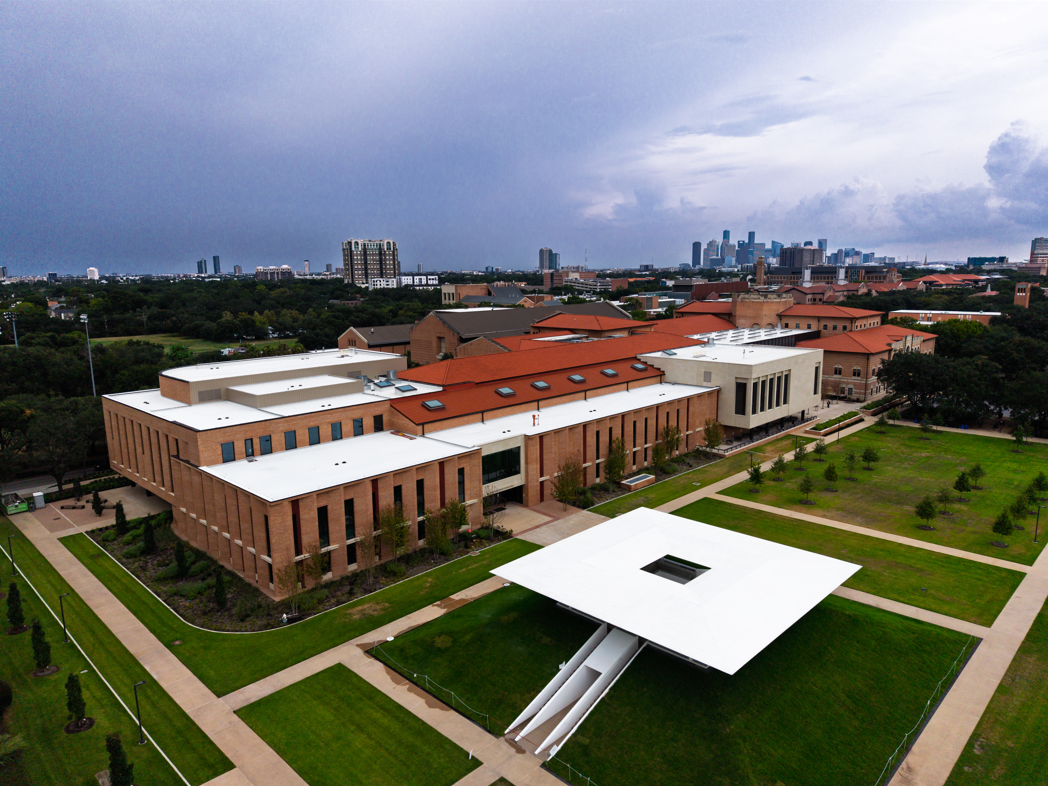
Being in Houston connects Rice MAcc students to a large and diverse business community with opportunities in public accounting, energy, healthcare, professional services, technology and many other industries. Our location gives students access to a wide range of employers and professionals while they’re still in the program.
In addition, Houston is simply a great place to live. It’s a growing, vibrant city with an excellent food scene.
For students with an undergraduate accounting degree, the MAcc offers greater technical depth, but I think the bigger difference is the transition from learning accounting primarily as an academic subject to learning how to operate as an accounting professional. For those who studied other subjects, the program provides a pathway into a career they may not have considered when they began college.
In both cases, the goal is to prepare students for the realities of working in accounting. While the CPA exam is an important milestone, success in the profession also requires the ability to analyze difficult problems, communicate conclusions, make presentations, exercise professional judgment and work effectively with others. The Rice MAcc gives students opportunities to develop and apply those skills before they enter the workforce.
Most of our graduates begin their careers with public accounting firms, often one of the Big Four, in audit or tax.
I think public accounting is an excellent place to start a business career. You receive a great deal of training, work with talented people, and are exposed to many different companies and business issues early in your career.
Other graduates go into corporate accounting, consulting, finance or related areas. We want students to leave Rice with the technical knowledge, communication skills, judgment and professional confidence they need to succeed in their first job, but also with a foundation that will allow them to move into broader roles later in their careers.
I think the value of the MAcc should be considered over an entire career, not just in terms of a student’s first job after graduation.
Earning a CPA license can provide benefits throughout your working life. The CPA exam is difficult, and earning a Master of Accounting degree is an effective way to develop the technical knowledge needed to pass it.
But the Rice MAcc is much more than CPA preparation. Students also develop professional and critical thinking skills that will serve them throughout their careers, and build relationships with classmates, faculty, alumni, and employers that can remain valuable for many years. For someone who wants to build a career in accounting and business, I think that combination provides a strong return on the investment.
If you’re considering a career in public accounting, Rice’s Houston-based Master of Accounting could be the perfect fit for you. Explore program details below or reach out to Professor Lansford today.
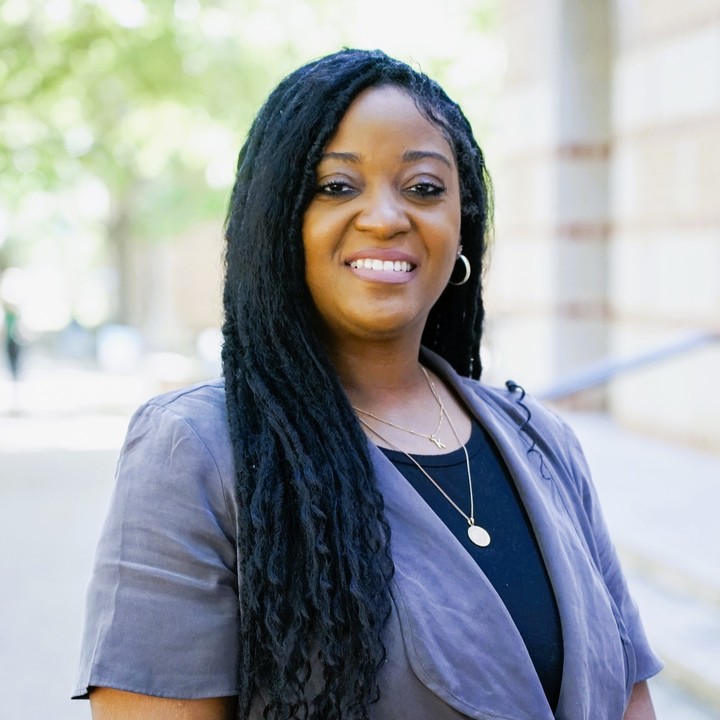

Grant Ketterer, MAcc Class of 2023, brings us along for a day in the life of a Rice MAcc student.

We recently caught up with Sherwin Philip, who graduated from Rice’s Master of Accounting (MAcc) program in 2022. We asked him a few questions about his experience working at one of the “Big Four” public accounting firms. Read what he told us below!
Applications are being accepted for the one-year Rice Master of Accounting (MAcc) cohort that will begin in August 2025 and finish in May 2026.