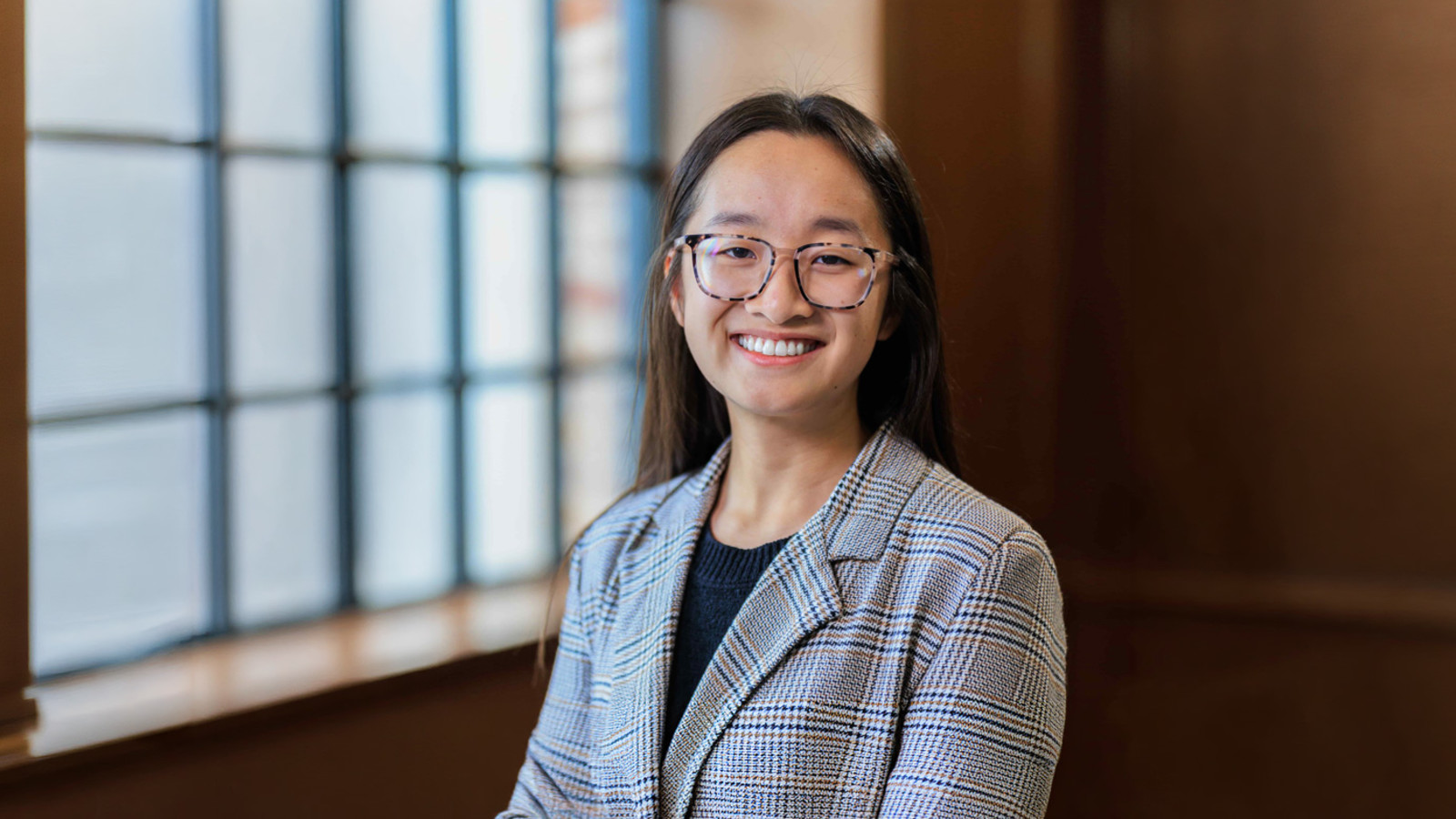
Willa Tao knew that if she wanted to pursue a Master of Accounting, it would have to be at Rice. When she applied for the program, she had just graduated from Rice University with a B.S. in Economics — during which she discovered an unexpected appreciation for accounting. On deciding her next career move, she was drawn to the Rice MAcc because of its tight-knit community of support, both among students and faculty.
Here’s what ultimately encouraged her to pursue a MAcc at Rice Business and begin a career in accounting with a Big Four firm.
Can you tell us a little about your background?
I did my undergrad at Rice University, majoring in economics with a minor in business. I graduated a semester early in December 2022 so that I could experience a “busy season” internship before I started the MAcc in August 2023.
What led you to pursue a MAcc?
I didn’t really know what I wanted to do when I started my freshman year of college, but I really liked the accounting classes I took as an undergraduate student. I had a very practical mindset about the future and valued the stability an accounting career would offer, so I chose the Master of Accounting.
I’ve been working for a few years now, and I don’t think I realized I would enjoy accounting — especially the analytical aspects of accounting — as much as I do. While some of the work includes routine transactions, there are also a lot of areas of accounting that require judgment, such as receiving a contract, reading it, comparing its key terms to accounting standards and arguing a viewpoint — which I really enjoy. If I could go back in time and talk to my younger self, I’d tell her, “Don’t worry, you will be glad you did the MAcc.”
Rice was the only place I applied to pursue my MAcc. I really liked all of my business professors in undergrad, and I knew a lot of them taught in the master’s programs. I also really liked that Rice has a small class size — I didn’t want to be in a huge program. Professor Ben Lansford, director of the MAcc program, is another reason. You can tell he wants the absolute best for the students in the program, so you know you’re in good hands.
During my undergrad, there were also a couple MAcc students who were involved in the student ministry that I was part of. Through our mutual friends, I was able to talk to them, ask them questions about the program and see how it paid off for them before I took the leap myself.
How would you describe your experience at Rice?
Image
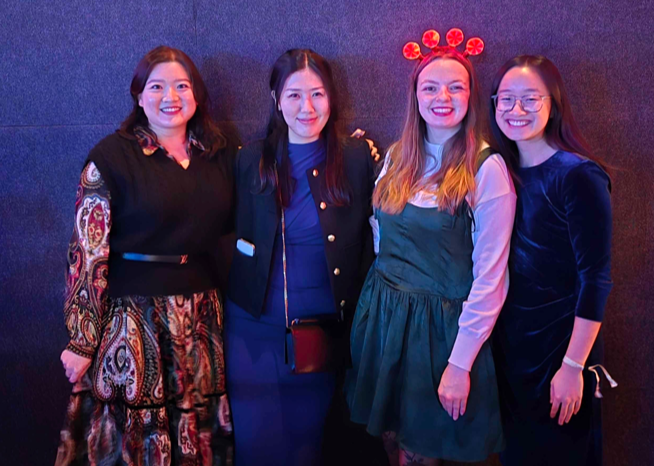
Willa and fellow MAcc alumni at a PwC holiday party.
A blur! In a good way, for sure, but it does fly by.
The Rice MAcc curriculum packs a lot of academics into one year, but you get really close with your cohort. One of the biggest things that stuck with me was the friendships I made, which I am so grateful for. In some ways, I wish the program was longer, like how the MBA is two years, just to spend a second year with the people in my class. On the bright side, a good number of us went to the same company, so I get to see them pretty often.
What was your most applicable class?
One course taught by Professor K. Ramesh stood out to me in particular because it made me feel like I wasn’t just learning from a textbook — I got to work directly with accounting guidance. For example, in accounting, there are sets of standards (or “generally accepted accounting principles”) that a board, like the Financial Accounting Standards Board (FASB), writes. They can be very complex at first glance. Normally, when you take an accounting class in college, the textbook translates the official standard in a way that makes it easier to teach and understand.
Professor Ramesh’s class was the first in which I actually got to look at the original, board-written standards myself instead of reading the pre-digested textbook explanation. It was very interesting to me, and as it turns out, this practice is very relevant to what you do on the job.
Another applicable aspect of the MAcc curriculum is the emphasis on helping students develop professional communication skills, like creating PowerPoint presentations, giving oral presentations and writing memos. These are valuable skills no matter where you end up, but especially in accounting roles when communicating with clients or presenting results to leadership and other stakeholders.
How did the Rice MAcc prepare you for your career at PwC?
The Rice MAcc is very intentional about helping students recruit.
When I applied, I knew I wanted to do an internship at one of the Big Four firms, but I didn't know which one. I reached out to Professor Lansford about this, and he gave me advice and resources on MAcc recruiting events. Because of Rice Business’ established relationships with the Big Four, it is convenient for students to network, meet alumni and recruit at these companies. Rice Business will also help you network with different companies to decide the best path for you.
In some ways, I wish the program was longer, like how the MBA is two years, just to spend a second year with the people in my class.
Willa Tao
Rice MAcc Alumnus
What are some of your responsibilities? What does a “day in the life” look like for you?
I’m a senior associate in audit at PwC. Now that I’m in my second year, my work is more self-directed, so each morning, I check the status of each of my projects, outline my to-do list for the day and help assign tasks to any first-year employees who are on the projects.
When I’m conducting an audit, I generally request documents from the client and collaborate with them to better clarify their situation. Sometimes that’s via email, sometimes it’s over a call. At my company, there are a lot of people around my age, and the culture is very collaborative. Everything you do is on a team. I think at every Big Four company, there’s a very strong emphasis on mentorship, but especially at PwC. I’ve really appreciated that, because you’re always encouraged to ask questions and learn new things.
Favorite part of your job?
One of my favorite parts of my job has been getting to see more complex accounting issues. When I first started, my tasks weren’t that complicated. But at PwC, you very quickly learn the ropes and gain new responsibilities, which I’ve really enjoyed. When I started my second year at the company, I realized it wasn’t going to be anything like the year prior.
I’m trying to understand the long-term value of a MAcc. How has it paid off for you since graduating?
The most obvious and maybe valuable aspect of Rice’s MAcc is that it can help you prepare for the CPA exam. Since I wasn’t an accounting undergraduate, I didn’t have the educational course requirements that you have to take in order to sit for the CPA exam. The Rice MAcc curriculum allows you to both complete the applicable accounting education requirements and provides a lot of the knowledge that you need for the CPA exam.
I also know that new employees are often offered a bonus if they pass all four sections of the CPA exam. Passing the exam and obtaining a CPA license are both highly valued by firms and can open many doors for you in the accounting and finance worlds.
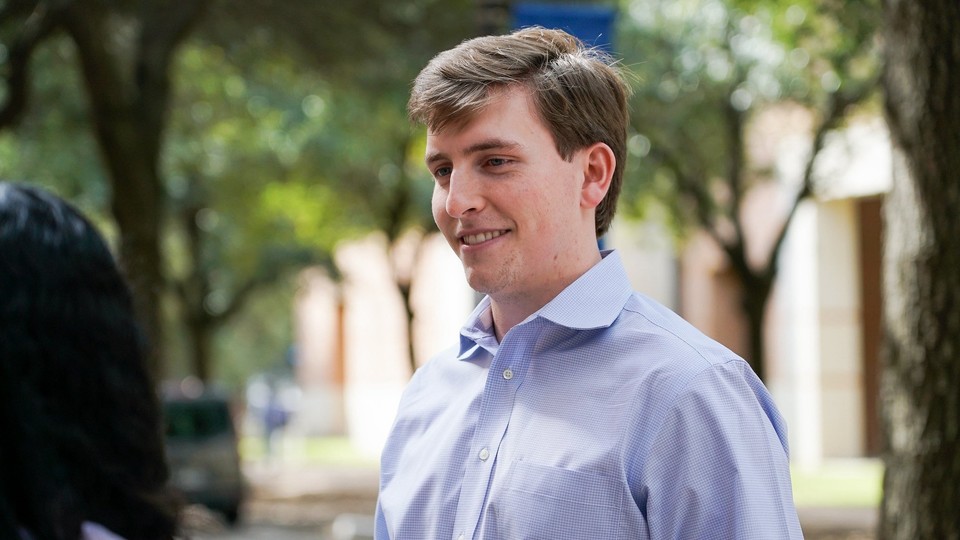
See how the MAcc has paid off for another Rice alum:
Do you have any advice for someone considering pursuing a MAcc?
Don’t be afraid to reach out to people who’ve gone through the Rice MAcc program.
Whether they’re a mutual connection or just someone you come across on LinkedIn, reach out. Before I started the program, talking to Rice MAcc alumni gave me a better understanding of the program and its outcomes. Alumni will be honest with you about their experience and help you discern if a MAcc is the right step for you.
Learn how Rice MAcc alum Emily Rychener ’20 went from Rice University to PwC manager, with insights on CPA preparation, recruiting, career growth and accounting skills.
A Master of Accounting (MAcc) degree from Rice Business opens door to a wide range of career opportunities, from in-demand roles at accounting firms to corporate accounting, finance and advisory roles across industries. Here’s where it can take you.
Interested in pursuing a career in audit or tax? The Rice Master of Accounting consistently places students in both fields, allowing them to explore opportunities and build their network along the way.