Image
Three members of the Rice Business community work behind the scenes to transform thousands of moving pieces into some beautiful games at the FIFA World Cup 2026.
At 5 a.m., AT&T Stadium in the Dallas-Fort Worth area is different than the one fans see on game day. The seats are empty. The giant video boards are dark. Tractor-trailers back into loading docks beneath the stands as forklifts weave through concrete corridors that, in just a few hours, will disappear beneath the spectacle of the world’s biggest sporting event. Volunteers begin arriving. Radios crackle. Deliveries roll in one after another. Before a single fan enters the gates, an entire temporary city has to come to life.
Dozens of FIFA departments — security, hospitality, broadcasting, media, transportation and competition operations — are already at work. Hundreds of rooms have been transformed into offices, meeting spaces and command centers. Equipment is unpacked. Signage is installed. Team buses move between hotels and training sites across the Dallas-Fort Worth metroplex.
Brandon Nimmers ’27 has been thinking about this day for nearly two years.
When most people picture a World Cup match, they picture what happens on the field: every corner kick, every spectacular save and every exciting goal.
Nimmers’ job is to picture everything else.
As venue logistics manager for FIFA World Cup 2026, he oversaw far more than AT&T Stadium on match days. His responsibilities extended across the entire Dallas-Fort Worth World Cup ecosystem — team hotels, training facilities, airports, transport depots, volunteer centers, uniform distribution sites and dozens of other locations that must operate in harmony throughout the tournament.
“It’s not just the stadium,” he says. “It’s all of the venues in Dallas.”
The scale is staggering.
For nearly two years, Nimmers and his logistics leadership team planned every detail, from delivery schedules and team arrivals to furniture placement, equipment distribution and the hundreds of temporary workspaces created inside the stadium. Every decision affected multiple departments. Every delay had the potential to ripple across an operation involving thousands of people.
Months before kickoff, they were already solving problems most fans would never imagine.
Ironically, Nimmers almost didn’t apply for the job. At the time, he was living in Los Angeles and working in sports.
“I originally applied as kind of a joke,” he admits. “I thought, ‘It’s the World Cup. Why not?’”
Then FIFA called.
Soon afterward, Nimmers accepted a logistics leadership role, relocated to Dallas and simultaneously began pursuing his MBA at Rice Business. Graduate school, extensive travel and preparations for the world’s biggest sporting event soon became everyday life.
While browsing LinkedIn one afternoon, Chaundra Frank (B.A. ’00), ’22 came across a FIFA job posting. One detail immediately caught her attention: the hiring manager, Brandon Nimmers, was a current Rice MBA student.
A Houston native, Rice alumna and former Rice track athlete, Frank had built a career spanning energy trading, management consulting, education and nonprofit leadership. When she reached out, she mentioned that she had also earned her MBA at Rice and served as the founding president of the MBA@Rice student government.
Nimmers immediately recognized the value of the shared connection.
“I’m huge on connections,” he says. “Not just making them but actually using them.”
The Rice MBA, he explains, carries an immediate credibility among people who have experienced it.
“I know how hard it is,” he says. “I know how hard it is for my classmates. Immediately that gives you some sort of reputation in my eyes.”
Around the same time, another resume landed on his desk.
Josh Obregon ’23, a Rice MBA graduate and Navy veteran, brought exactly the kind of operational experience FIFA needed. Years of military service had taught him to plan carefully, adapt quickly and remain calm when conditions changed — skills that would prove invaluable inside one of the world’s largest sporting events.
What began as a hiring process gradually became something else.
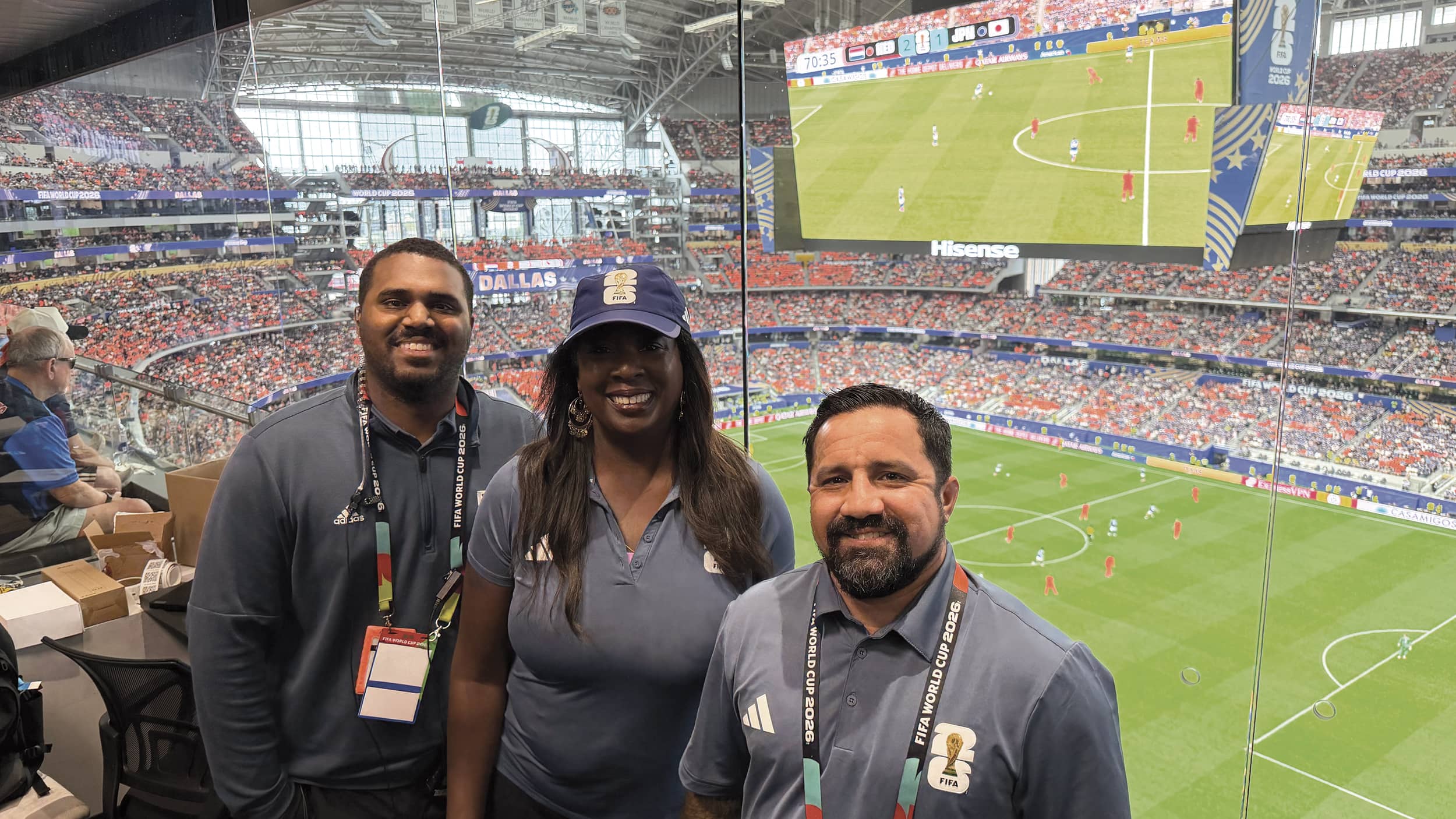
By the time the first match kicked off in Dallas, coworkers had started calling the trio by a simple nickname: The Owl Group.
For Frank, that dynamic reflects something she has experienced throughout her career.
“When there’s another Rice alum in the room, the trust is already there,” she says. “You’ve walked the same path. You’ve had many of the same experiences.”
That trust has opened doors throughout her career. Nearly every major role she has held in recent years, she says, can be traced back to a Rice connection.
“It’s a strong network,” she says. “But you have to engage with it.”
The MBA prepared them in other ways, too.
World Cup logistics is less about moving boxes than orchestrating hundreds of interconnected decisions under relentless deadlines. “Even straightforward tasks like equipment delivery require coordination across access points, security protocols, timing windows and multiple stakeholders,” says Obregon. “At this scale, logistics is less about movement and more about sequencing, communication and execution under pressure.” Success requires the same kinds of challenges they encountered in graduate business school, only now on a stage watched by billions.
A World Cup match lasts just over 90 minutes. For the logistics team, those 90 minutes are the culmination of years of planning.
Frank and Obregon served as deputy venue logistics managers at AT&T Stadium, helping stage nine FIFA World Cup matches, including a semifinal. Behind the scenes, they coordinated deliveries, managed equipment and kept every FIFA functional area supplied and operating smoothly. At one point, the logistics team coordinated more than 350 pallets of equipment and dozens of truck deliveries on tightly controlled schedules.
Broadcast equipment. Hospitality furniture. Volunteer uniforms. Security supplies. Office equipment. Wayfinding signs. Temporary workspaces. Every item entering the venue flowed through logistics.
“No one thinks about the folding chairs,” Nimmers says with a laugh.
Or the tables. Or the barricades. Or the radios. Or the loading docks. Or the minute-by-minute delivery schedule that determines exactly when each truck can enter and leave the stadium.
Yet every one of those details contributes to the experience millions of fans enjoy without ever realizing it. “We’re a big part of making sure all of FIFA’s functional areas are operational for the tournament,” Frank says.
The work stretched far beyond checking deliveries. It meant anticipating problems before they occurred, coordinating dozens of departments that often needed the same spaces at the same time and adjusting plans as circumstances changed. A delayed shipment, an unexpected equipment request or a change to a team’s arrival schedule could affect multiple groups across the venue.
For Frank, whose background is rooted in finance and operations, the role provided an opportunity to learn an entirely different side of event management.
For Obregon, it echoed the planning and teamwork that defined his Navy career.
For Nimmers, it reinforced a lesson that extends well beyond sports: leadership often means helping experts from dozens of disciplines move toward the same goal.
The best days were the ones when everything simply worked.
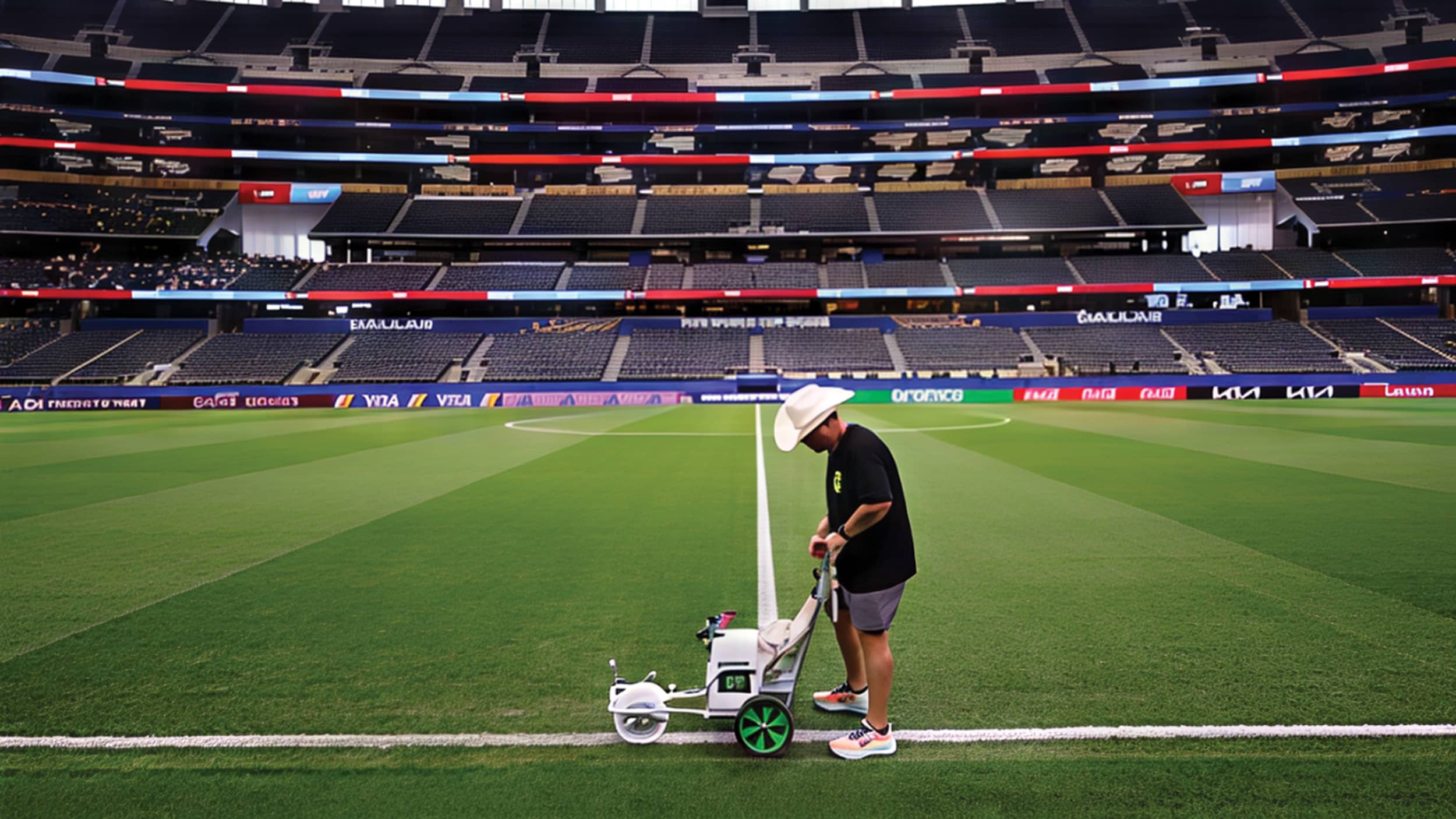
As the tournament unfolded, Dallas became one of the defining stages of the FIFA World Cup 2026. No host city welcomed more matches.
Supporters from around the world transformed Dallas into a celebration of international football, filling hotels, restaurants and public spaces with a mix of languages, colors and traditions. AT&T Stadium welcomed many of the sport’s biggest stars, including Lionel Messi, Cristiano Ronaldo, Kylian Mbappé, Lamine Yamal, Harry Kane and Jude Bellingham.
A thrilling 2-2 draw between Japan and the Netherlands became one of the tournament’s most entertaining matches. England supporters turned “Wonderwall” into an unofficial anthem. A semifinal eventually sent Spain to the World Cup final.
Those became the moments fans remember.
For the logistics team, however, they represented something different.
Each cheer inside the stadium reflected months of planning taking place exactly as intended.
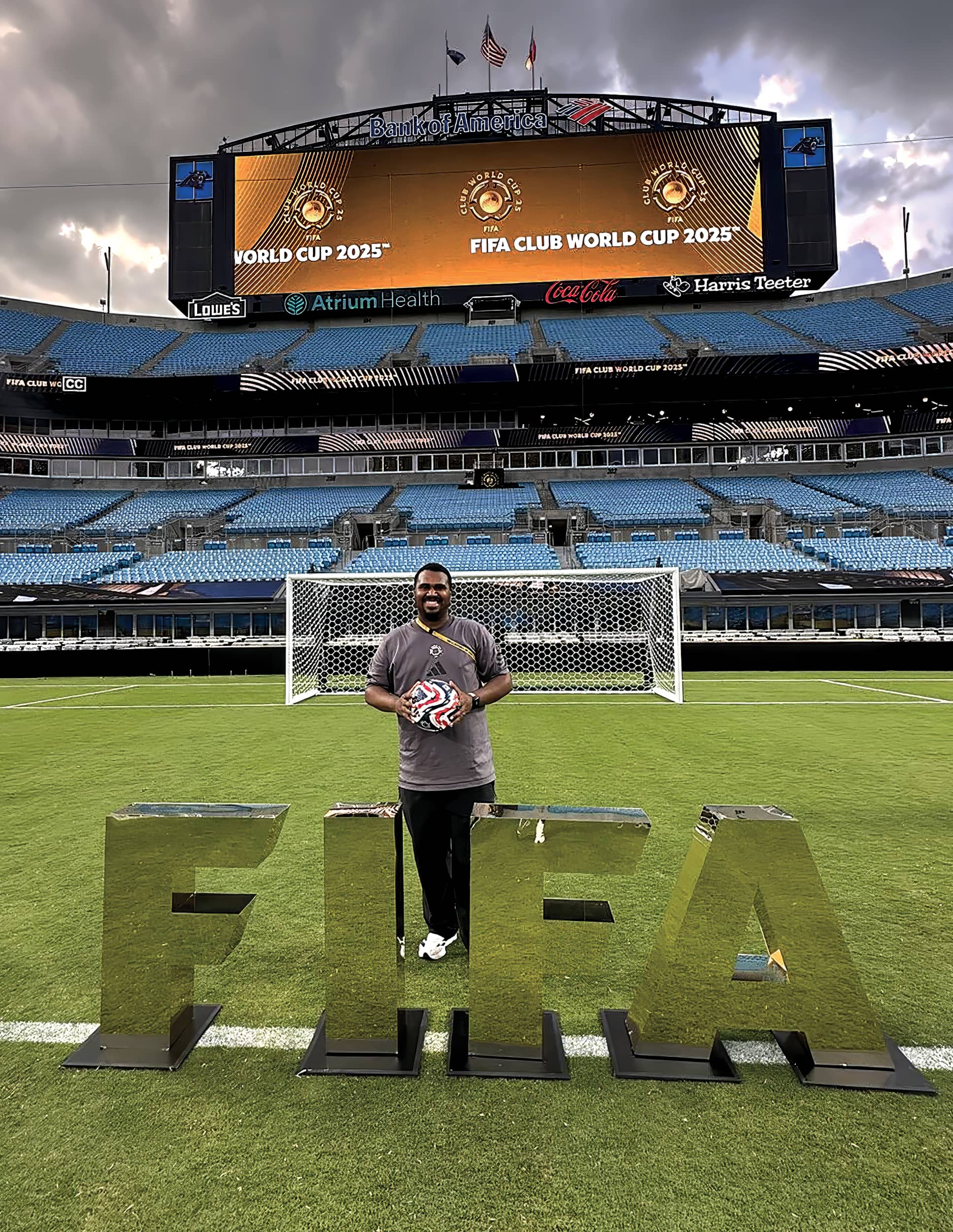
The previous year, Nimmers had spent 45 days working the FIFA Club World Cup, with only one day off. The weeks leading into the tournament often involved 16-hour workdays, site visits, planning meetings and countless revisions to operational plans.
Then came match day.
“You walk into the stadium,” he says, “and 73,000 people start yelling.”
He pauses.
“It’s chills.”
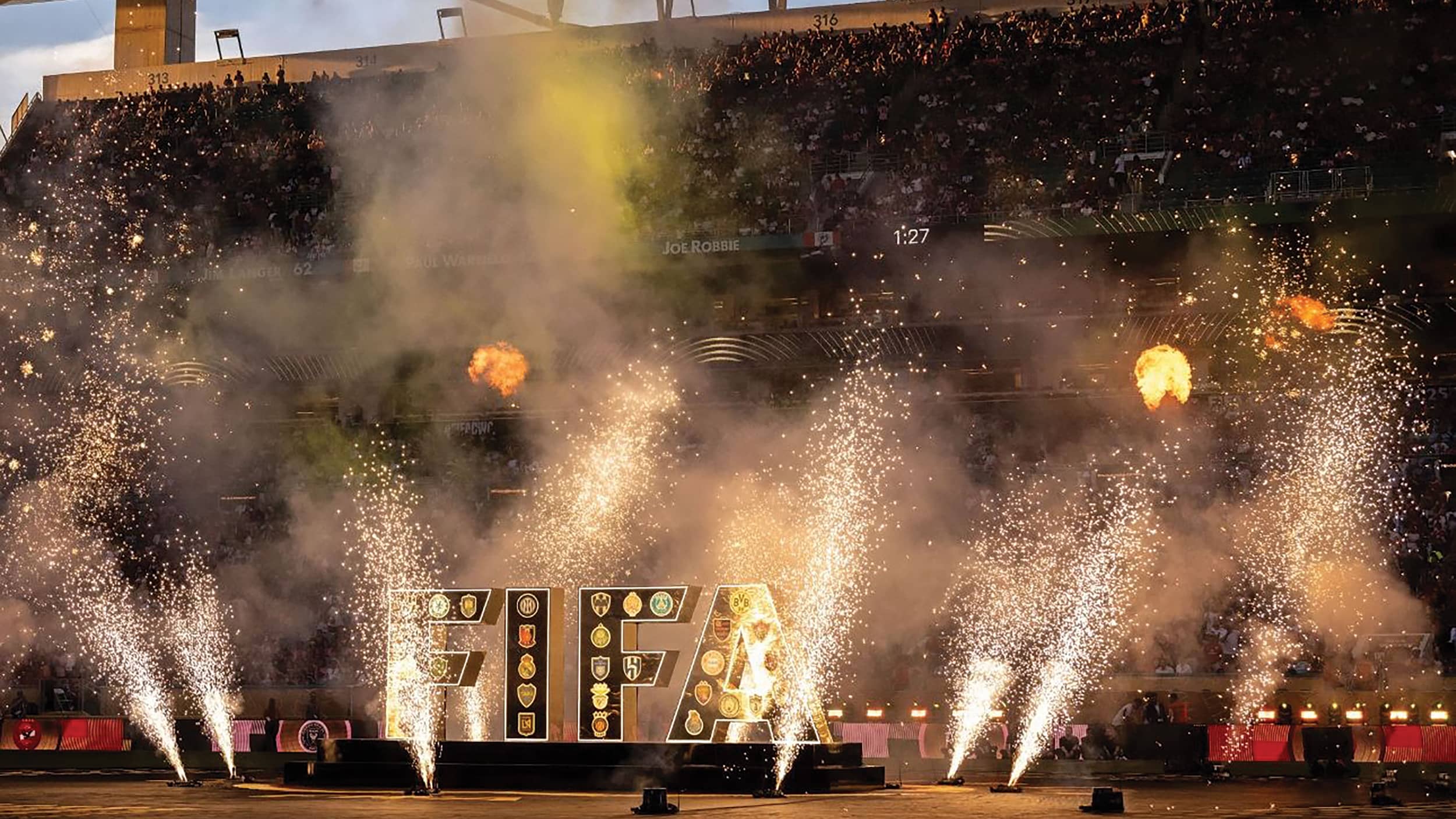
For nearly two years, the work had existed inside spreadsheets, site maps, loading schedules and planning meetings. Suddenly it became something else. The lights came on. The national anthems played. The players emerged from the tunnel. And all of those months of preparation disappeared into an experience that belonged entirely to the fans.
That’s exactly how it was supposed to happen.
But somewhere beneath the stands — in loading docks, service corridors and operations rooms — another team helped make every one of those moments possible.
Few fans will ever know the names Brandon Nimmers, Chaundra Frank and Josh Obregon. They’re perfectly comfortable with that. In logistics, success isn’t measured by what people notice. It’s measured by everything they don’t.
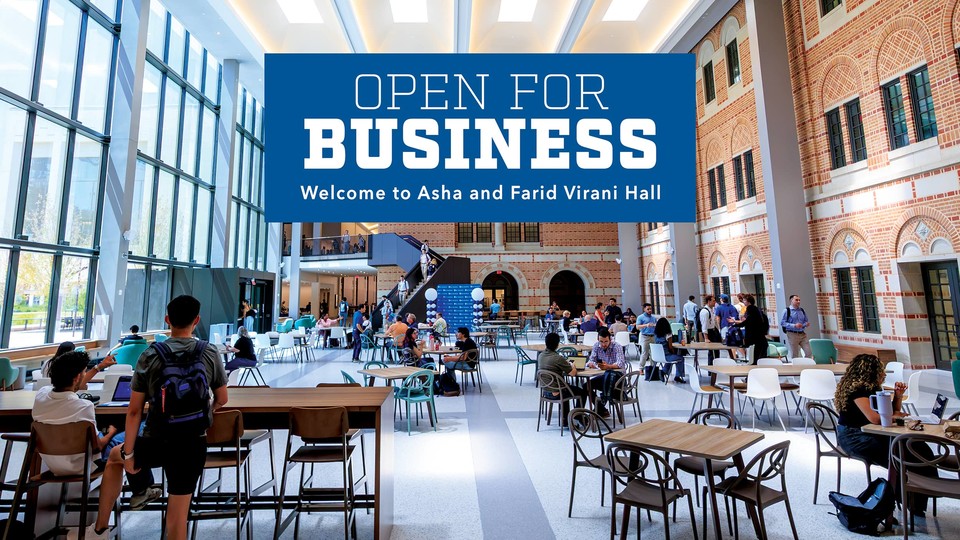
Asha and Farid Virani Hall is more than a new building — it is a shared home for undergraduate and graduate business education designed to bring together ideas, people and partnerships to shape the future of business.
David Verbitsky ’10 reflects on leaving engineering, building a career in investment banking and taking the leap to launch his own firm, Verbitsky Capital.